2025 Travelers' Choice
About Backcountry Journeys
Why Choose Backcountry Journeys
If you're considering a photography trip, hear why Backcountry Journeys delivers the best experience in the industry.Frequently Asked Questions
If you're new to photography trips, or new to BCJ, you can find our common travel questions here.Fitness Levels
Our trips vary on physical intensity, and by reviewing our fitness levels, you can find out which trips may be more challenging, or aligned more closely with your comfort level.Meet The Crew
We've built an amazing team of experienced guides, and dedicated office staff that elevate your travel experience. Get to know their backgrounds, and hear their stories.Loyalty Program
We reward our frequent photo adventurers with exclusive discounts on amazing photography trips.Contact Us
If you need to get in touch with our office staff, or have additional business inquiries, you can find our information here.Refer a Friend
Know someone perfect for one of our tours? Recommend them through this quick form.Stay Up To Date On All Things
Backcountry Journeys
Backcountry Journeys
Our Photography Community
Our Webinars
Our regularly hosted webinars provide photography instruction from our own guides on a wide range of topics.Our Education Portal
Explore our library of articles that cover everything from common questions, to in-depth guides on how to achieve that perfect shot.Community Testimonials
We're proud to foster an amazing group of photo travelers, and here you can find their stories from their past adventures.Resources For Photographers
About Our Company
Resources For Photographers
About Our Company
A Love Letter to Yellowstone: Why This Ecosystem is So Special and Why Every Photographer Should Experience It
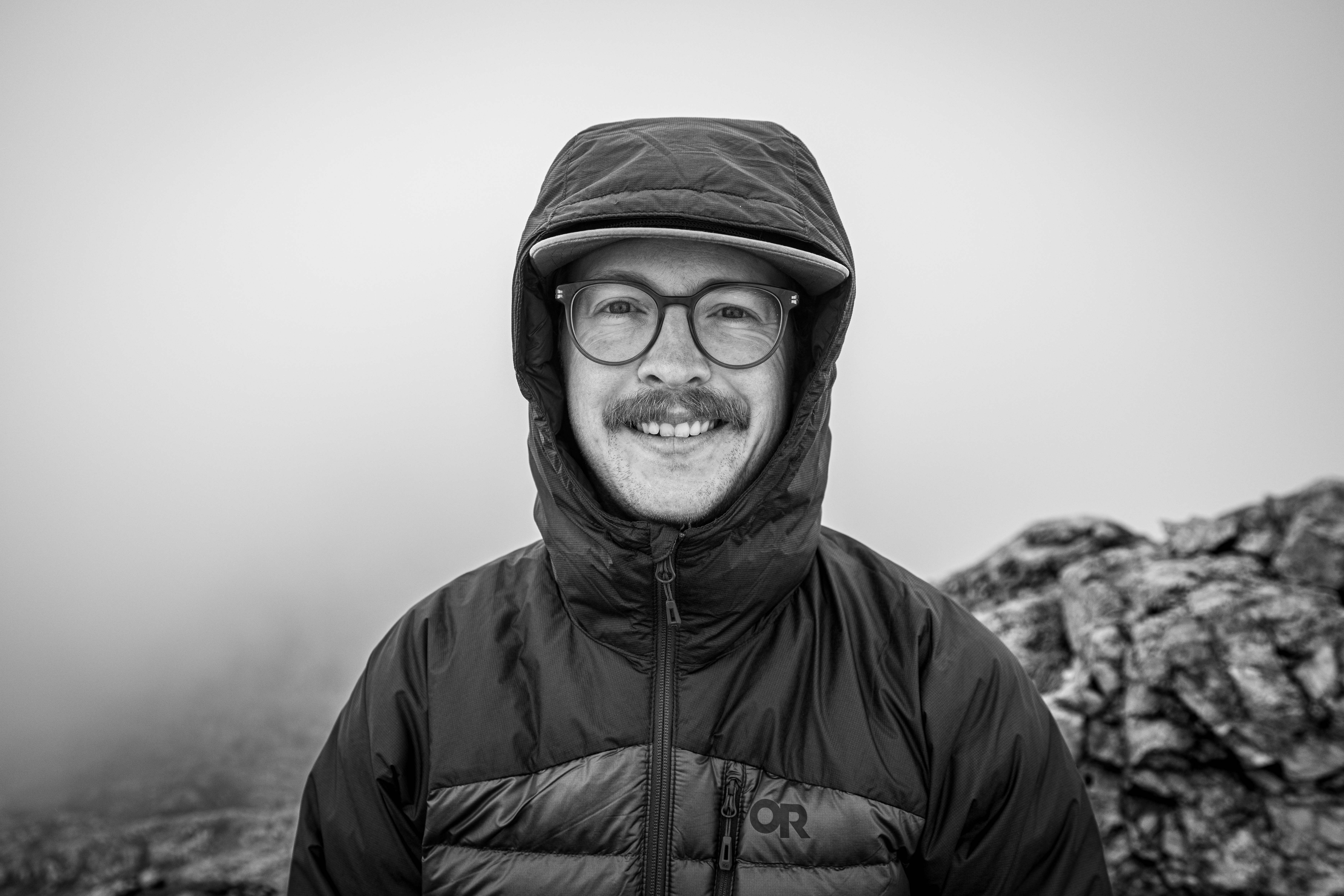
Published July 28, 2026
There are certain places in the world that leave a permanent mark on you.
Places that quietly reshape the way you see nature, photography, and even your place within it. Places where the seasons unfold as they have for thousands of years, where wildlife still lives according to ancient rhythms, and where you can stand in complete silence knowing you're witnessing something that has changed very little since long before humans arrived.
For me, that place is Yellowstone National Park and more broadly, the Greater Yellowstone Ecosystem. Simply put, this ecosystem is unlike anything else on the planet and it’s a reminder of how the world looked before homo sapiens started evolving, expanding, developing, and destroying…
I've been fortunate enough to travel to some of the most spectacular wild places on Earth. From the far north wilderness areas of Alaska and the forests of India and the Galapagos Islands, I've experienced incredible wilderness and unforgettable wildlife encounters. Yet no place continues to pull me back quite like Yellowstone.
Perhaps it’s not the most dramatic or exotic destination on earth, but there’s just something so real and raw about this place that few other destinations have.
Quite simply, it's my heaven on Earth.
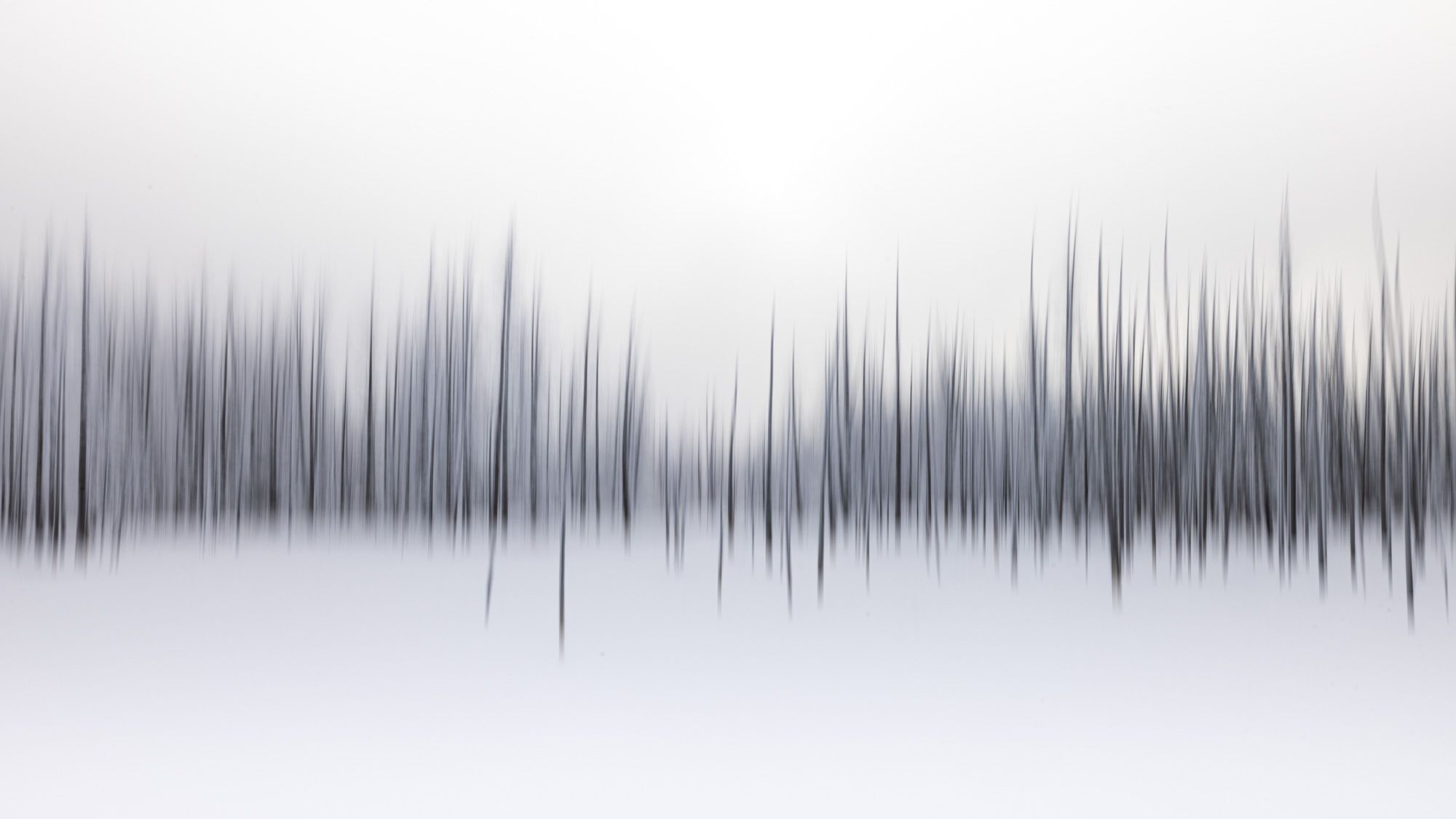
A Place That Changed My Life
Over the past decade, I've spent hundreds and hundreds of days exploring the Greater Yellowstone Ecosystem. From hikes high into the alpine, to backpacking adventures through iconic ranges and valleys, personal photography projects, and of course, guided workshops, I’ve spent more days in this ecosystem than I can count.
For nearly seven years I lived in Bozeman, Montana—just an hour and a half from Yellowstone's northern and western entrances. That proximity was a gift. Whenever I had a few free days or even hours, I'd grab my camera, load the truck, and head to the park. Sometimes I was chasing wildlife images. Other times I simply wanted to explore the landscape and observe its wildlife inhabitants. Whatever the reason was, Yellowstone acted as a magical place where I could escape the noise and distractions of the world and truly be present in nature.
The more time I spent there, the more I realized Yellowstone isn't just another national park. This place is incredibly special and important and that importance goes far beyond its face value.
It's one of the last truly intact temperate ecosystems left on our planet. This is a shocking statement but it’s true. There just aren’t too many places like this left which makes it a vital lifeline and fortress for so many threatened and endangered species of plants and animals.
In a world where development continues to fragment landscapes and wildlife habitat disappears year after year, the Greater Yellowstone Ecosystem stands as something increasingly rare—a vast, interconnected wilderness where predators still roam, migrations still occur, and nature continues to write its own story.
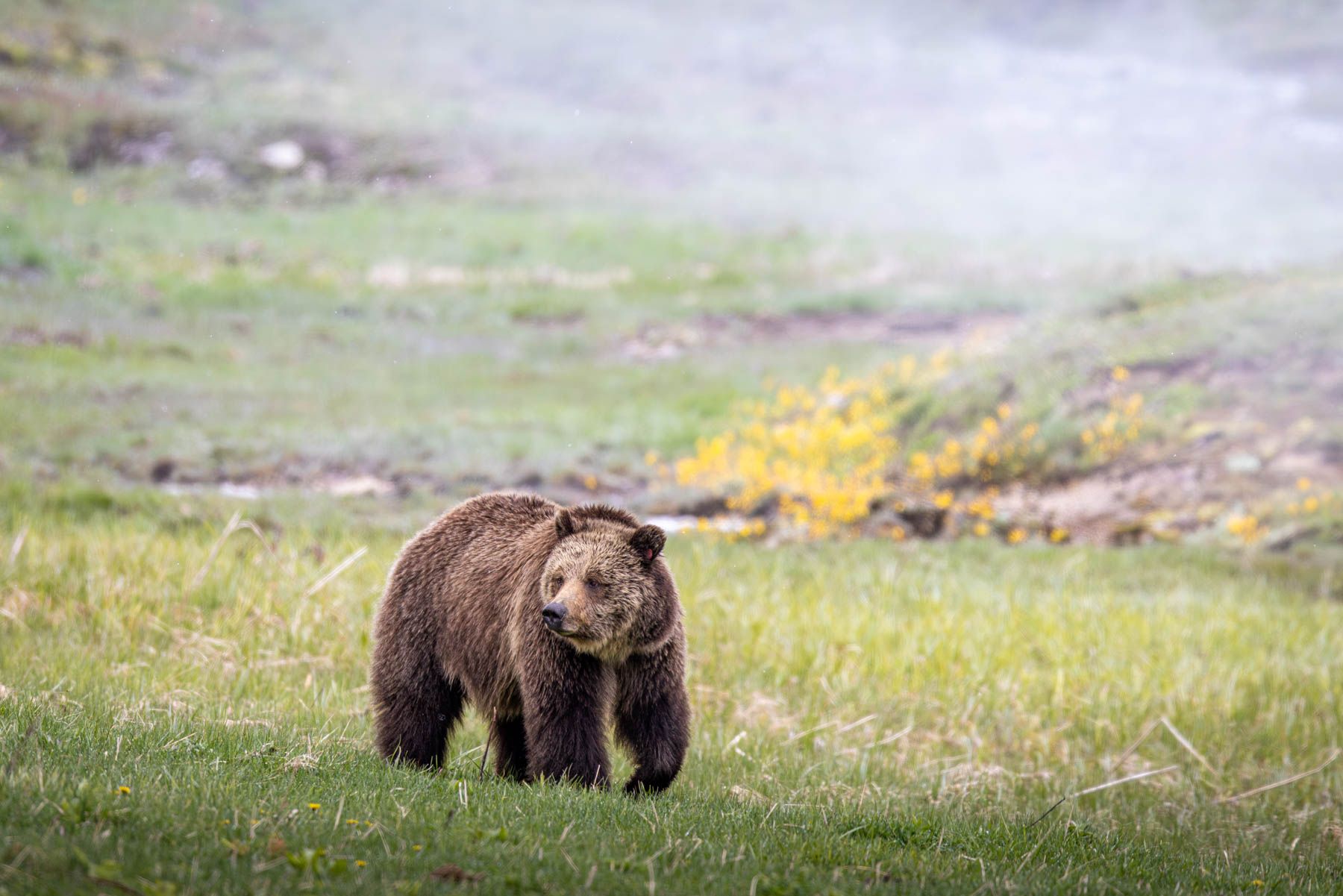
Grizzly bears still raise cubs in mountain meadows. Wolves still hunt across expansive valleys. Trumpeter swans glide across quiet rivers. Bison continue ancient migrations that have played out for thousands of years.
This isn't a carefully curated wildlife preserve. It's living, breathing, PURE wilderness. And every time I return, I'm reminded how incredibly fortunate we are that places like this still exist.
Why More Time in Yellowstone Makes All the Difference
One of the biggest misconceptions people have about Yellowstone is that you can experience it in just a few days.
Don't get me wrong—you can certainly have an incredible visit over a long weekend. You might photograph a few bison, catch a glimpse of a grizzly bear, or even get lucky enough to see a wolf. But the Yellowstone that most people remember for the rest of their lives isn't discovered in a hurry. It's revealed slowly, one sunrise and one wildlife encounter at a time.
After spending hundreds and hundreds of days exploring this ecosystem, I've learned that wildlife photography is, above all else, a numbers game. The more time you spend in the field, the greater your chances of witnessing truly unforgettable moments. Every extra morning increases the odds of finding wolves or grizzly bears on the move before sunrise. Every additional evening brings another opportunity to watch a fox hunting in the fading light or a bull elk bugling across a misty autumn valley.
Bottom line, the more time you give yourself to explore and photograph a place, the better your images and overall experience will be.
But spending more time here isn't just about increasing your odds of seeing wildlife—it's about developing a deeper connection with the ecosystem itself.
The longer you stay, the more Yellowstone begins to reveal its personality. You start recognizing individual animals and learning their behaviors. You notice how the light changes from one valley to the next, where the morning fog lingers longest, and which landscapes seem to come alive under specific atmospheric conditions. What first feels like an enormous, unfamiliar wilderness gradually begins to feel surprisingly familiar.
I've always believed Yellowstone is one of those places that rewards patience. It asks you to slow down, observe, and let nature unfold at its own pace. The photographers who leave with the most meaningful experiences—and often the strongest images—are rarely the ones who rushed from one famous location to the next. They're the ones who gave themselves enough time to be present, to wait, and to let the park come to them.
That's exactly the philosophy behind our new Signature Yellowstone: Icons of the Park workshop. Rather than trying to squeeze Yellowstone into a short itinerary, we've created our longest and most immersive experience in the Greater Yellowstone Ecosystem. By staying exclusively inside the park, minimizing daily transit times, and timing the workshop to coincide with peak wildlife activity, we're able to spend more time where it matters most: out in the field, waiting for those unforgettable moments that simply can't be scheduled.
Because if there's one thing Yellowstone has taught me, it's this: the longer you spend here, the more magical it becomes and the better your images will be.
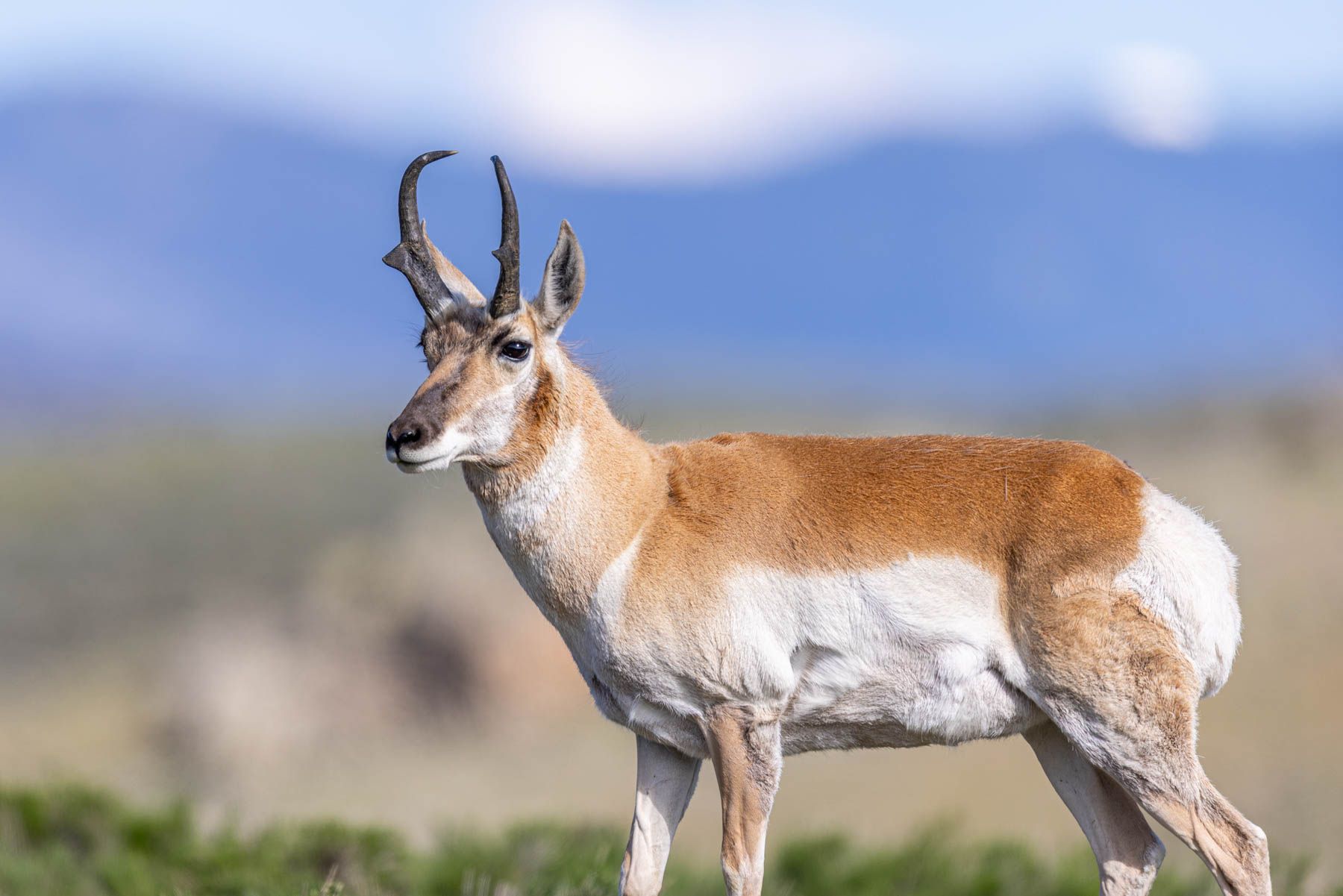
Introducing Our New Signature Yellowstone Workshop
This is exactly why I'm so excited to be leading the first ever departure of Backcountry Journeys' brand-new Signature Yellowstone: Icons of the Park photography workshop.
This isn't simply another Yellowstone itinerary. It's the most immersive Yellowstone experience we've ever created.
As our longest and most in-depth workshop in the Greater Yellowstone Ecosystem, we've intentionally designed every aspect of the trip to maximize your opportunities for incredible wildlife encounters and exceptional nature photography.
One of the biggest advantages is that we'll be staying exclusively inside Yellowstone National Park at historic and iconic lodges in strategic locations. That means we're already close to the action each morning before sunrise and can remain in the field longer each evening when wildlife activity peaks. Instead of spending valuable hours driving into the park every day and waiting in line, we'll devote that time to what matters most—photography.
We've also carefully timed the workshop to coincide with the best periods of the year for wildlife activity, dramatic landscapes, and beautiful photographic conditions.
Every decision behind this itinerary was made with photographers in mind. Whether you’ve been to Yellowstone before or thinking of scheduling your first-ever trip, you simply cannot go wrong with this epic new workshop. If you want an in-depth, immersive, and intimate experience in one of the world’s most wild ecosystems, then this trip is for you.
Personally, I couldn't be more excited to lead the very first departure of this brand-new workshop. After spending so much of my life exploring these valleys, mountains, forests, and rivers, having the opportunity to share them with fellow photographers in this way feels very meaningful.
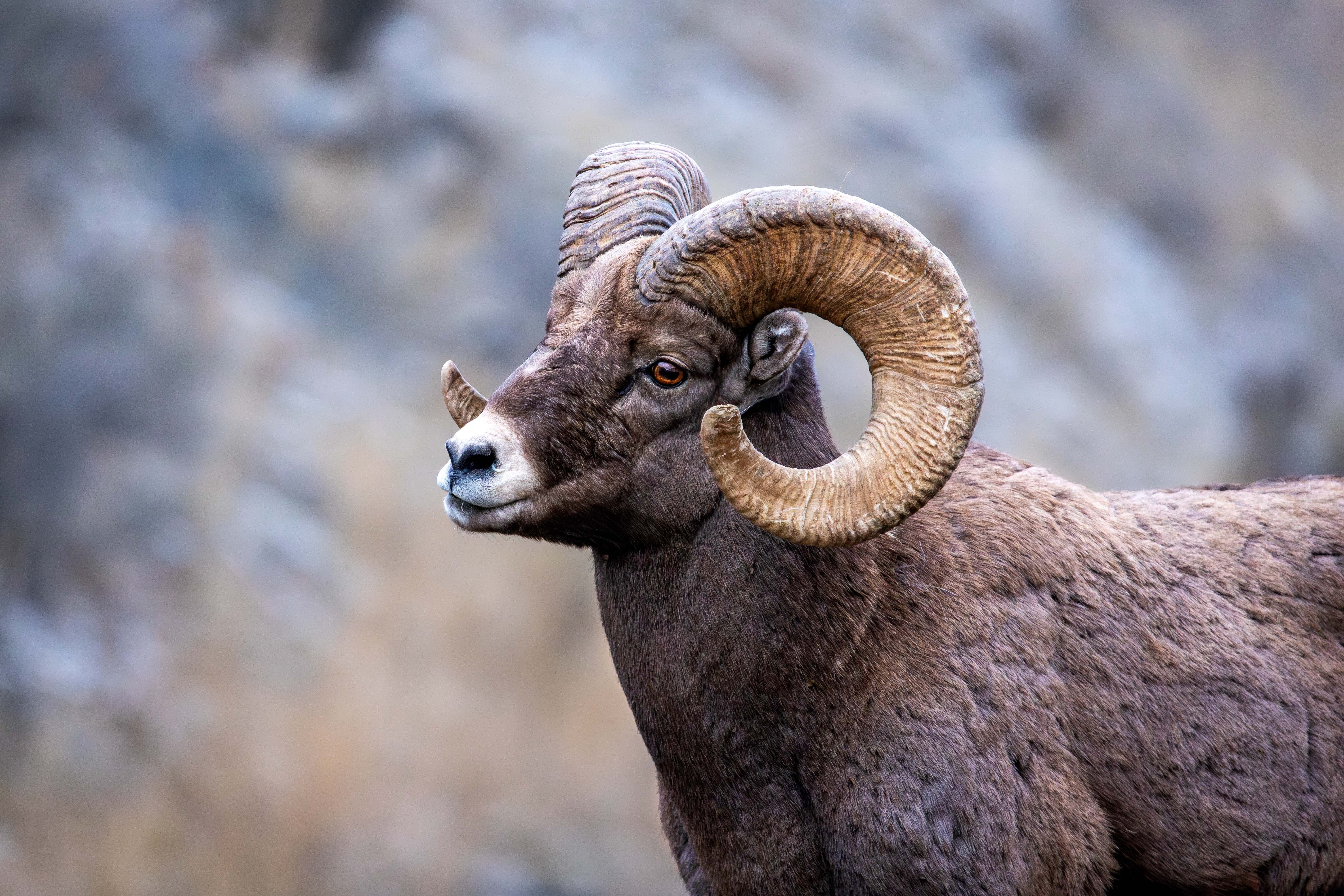
Lessons Yellowstone Has Taught Me
After spending hundreds and hundreds of days exploring the Greater Yellowstone Ecosystem, I've come to realize that the most valuable lessons this place offers have very little to do with camera settings or photography techniques.
Yellowstone has taught me patience.
In wildlife photography, the best moments rarely happen on your schedule. Nature doesn't care about your itinerary, your expectations, or how many days you have left on your trip. Some mornings you'll spend hours scanning hillsides without seeing much of anything. Other times, you'll round a bend in the road and suddenly find yourself watching a grizzly sow and her cubs feeding in a meadow or a wolf silhouetted against the first light of dawn.
The beauty of Yellowstone is that you simply never know what each day will bring. Every sunrise carries the possibility of something extraordinary, and every hour spent in the field increases your chances of witnessing moments that few people ever get to experience. Those unforgettable encounters can't be planned or manufactured—they have to be earned through patience, persistence, and time spent immersed in the landscape.
But perhaps the greatest lesson Yellowstone has taught me has nothing to do with photography at all.
This ecosystem has a remarkable ability to reconnect us with the natural world. It slows you down. It encourages you to look a little closer, stay a little longer, and appreciate the rhythms of a truly wild landscape. Standing in Lamar Valley as wolves begin to stir before sunrise or listening to a bull elk bugle across a frosty meadow has a way of putting everything else into perspective.
That's what keeps drawing me back year after year.
Yes, I come for the incredible wildlife and the endless photographic opportunities. But I also return for the feeling this place gives me—a reminder that truly wild places still exist and that we're fortunate enough to experience them. Every visit leaves me inspired, humbled, and grateful, and I can't think of a better place to share that experience with fellow photographers.
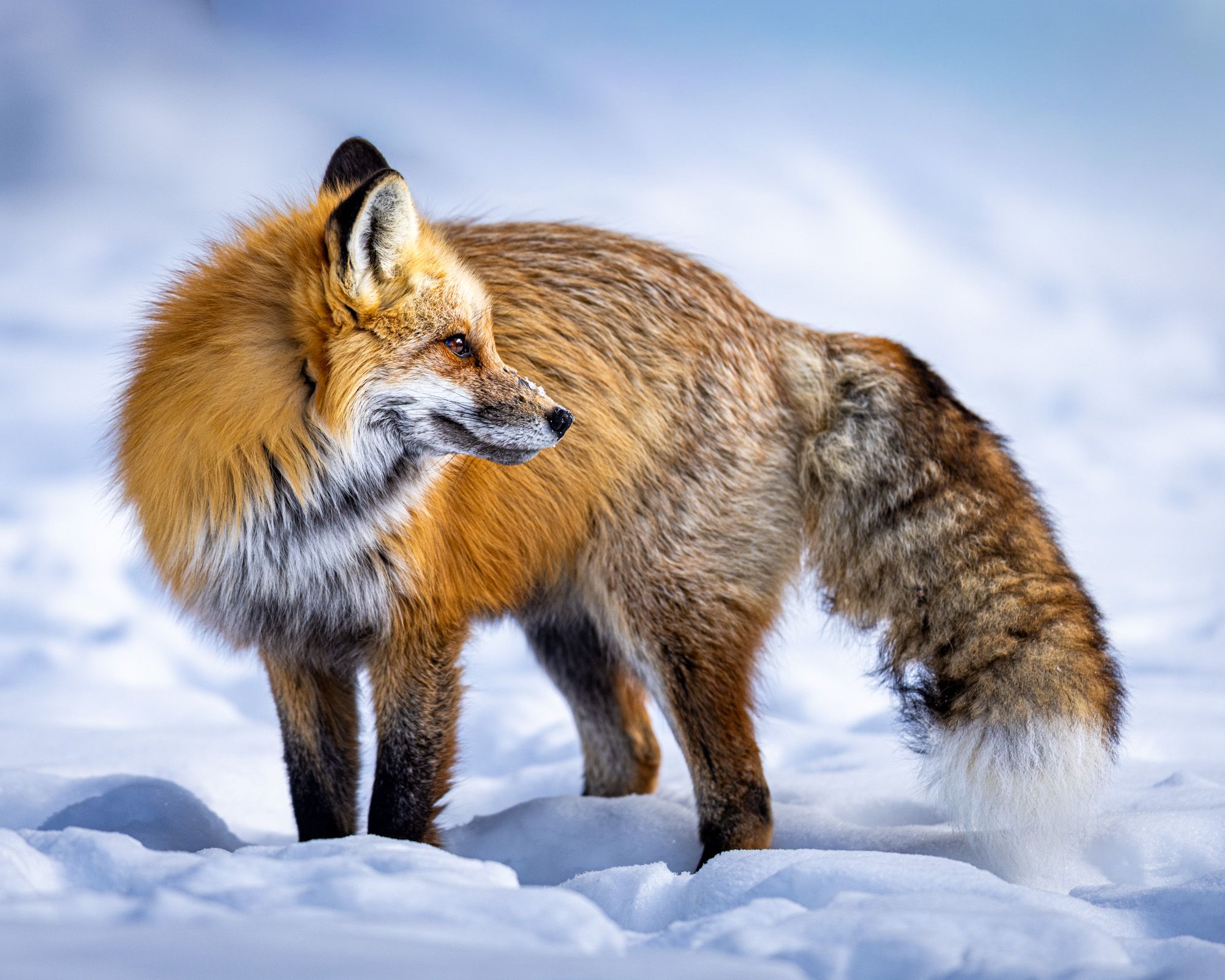
Why You Should Experience It for Yourself
As photographers, we're always searching for places that inspire us—places that challenge us creatively, reward our patience, and leave us with images that tell meaningful stories. Yellowstone is one of those rare destinations that delivers on all three.
Whether your goal is to photograph wolves, grizzly bears, foxes, bison, elk, or some of North America's most spectacular landscapes, the Greater Yellowstone Ecosystem offers opportunities unlike anywhere else on the continent. Every day presents something new, every season tells a different story, and no two visits are ever the same. It's the kind of place that continually rewards photographers who slow down, stay curious, and immerse themselves in the experience.
But if you choose to make this journey for yourself and explore Yellowstone, I hope you leave with more than just a full memory card.
I hope you leave with a deeper appreciation for one of the last truly wild places on Earth. I hope you experience the excitement of photographing a new animal for the first time, the quiet stillness of a sunrise above a wild and stunning landscape, and the feeling of standing in a place where nature still operates on its own terms. Those are the moments that stay with you long after you've returned home, and they're the reason so many photographers find themselves coming back to Yellowstone again and again.
If you've been dreaming about photographing Yellowstone, there's never been a better time to experience it. Our new Signature Yellowstone: Icons of the Park workshop was designed to give photographers the most immersive Yellowstone experience we've ever offered, maximizing your time in the field and putting you in the best possible position for unforgettable wildlife encounters and incredible images.
I'd love the opportunity to share this extraordinary place with you.
Whether you join me on the inaugural departure of the Signature Yellowstone workshop or another one of our photography adventures throughout the Greater Yellowstone Ecosystem, my hope is that you'll leave with not only photographs you're proud of, but also a genuine connection to this remarkable corner of the world.
Because once you've experienced Yellowstone for yourself, I have a feeling you'll understand exactly why I keep coming back.
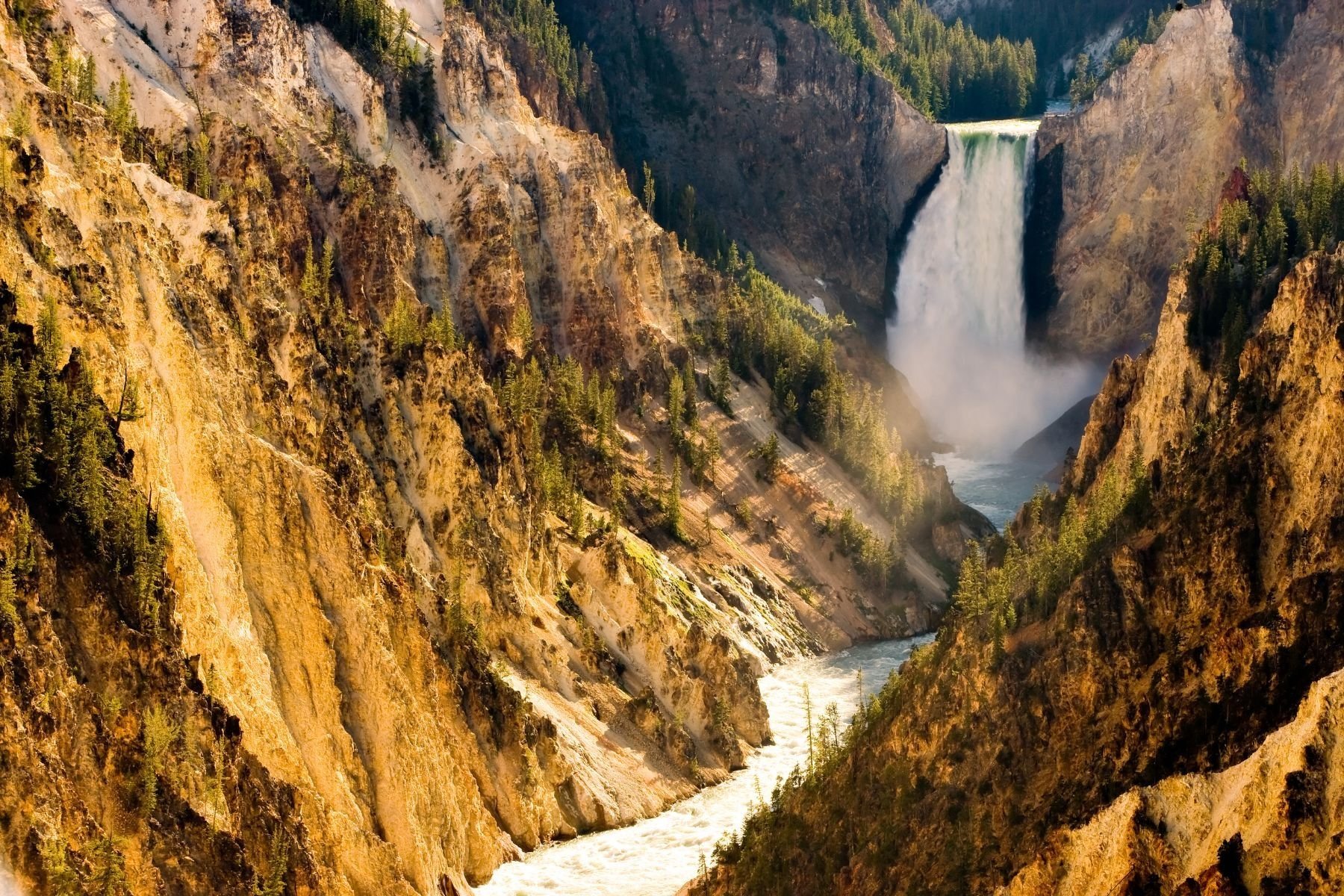
 Signature Yellowstone: Icons of the Park
 Lodge-Based Photo Workshop
From $6,995.00
Up To 7 Guests
Fitness Level 1 - What's This?
Wanna Get Away?
Starts
Current Price:$0.00
Start: Bozeman, MT
Led By
Start: Bozeman, MT
Led By

Backcountry Journeys
Connecting Passionate People To
Exceptional Experiences.
Exceptional Experiences.
Business Hours:
Mon-Fri, 8AM-4PM MT
928-478-1521
adventure@backcountryjourneys.com
Mon-Fri, 8AM-4PM MT
928-478-1521
adventure@backcountryjourneys.com
arrow_drop_down_circle
Divider Text
All Images & Content Are Property Of Backcountry Journeys Photography Tours, Workshops & Safaris LLC - Copyright 2026


About Us
Receive a Digital Trip Catalog
Find an upcoming photography tour with our interactive catalog.