2025 Travelers' Choice

About Backcountry Journeys
Why Choose Backcountry Journeys
If you're considering a photography trip, hear why Backcountry Journeys delivers the best experience in the industry.Frequently Asked Questions
If you're new to photography trips, or new to BCJ, you can find our common travel questions here.Fitness Levels
Our trips vary on physical intensity, and by reviewing our fitness levels, you can find out which trips may be more challenging, or aligned more closely with your comfort level.Meet The Crew
We've built an amazing team of experienced guides, and dedicated office staff that elevate your travel experience. Get to know their backgrounds, and hear their stories.Loyalty Program
We reward our frequent photo adventurers with exclusive discounts on amazing photography trips.Contact Us
If you need to get in touch with our office staff, or have additional business inquiries, you can find our information here.Refer a Friend
Know someone perfect for one of our tours? Recommend them through this quick form.Stay Up To Date On All Things
Backcountry Journeys
Backcountry Journeys
Our Photography Community
Our Webinars
Our regularly hosted webinars provide photography instruction from our own guides on a wide range of topics.Our Education Portal
Explore our library of articles that cover everything from common questions, to in-depth guides on how to achieve that perfect shot.Community Testimonials
We're proud to foster an amazing group of photo travelers, and here you can find their stories from their past adventures.Resources For Photographers
About Our Company
Resources For Photographers
About Our Company
A New Lens on Aging: How Photography, Nature, and Community Can Enrich Later Life
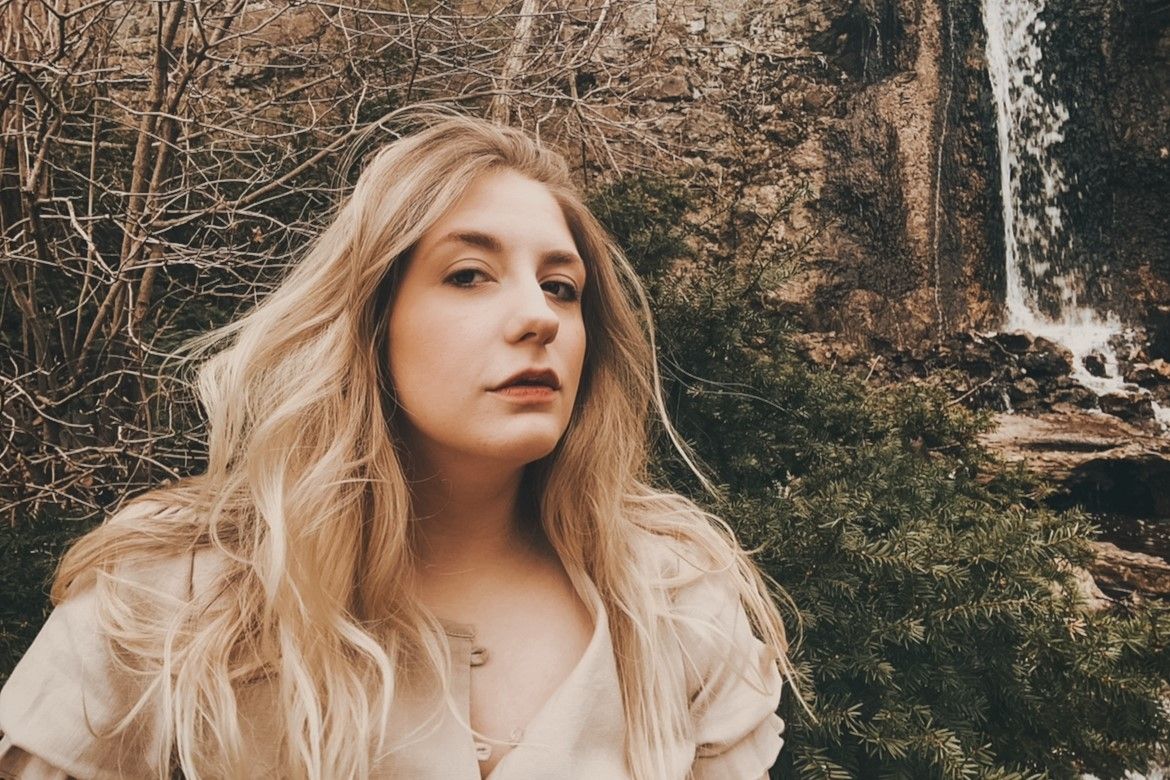
Published October 1, 2026
There’s a strange paradox at the heart of modern travel.
We are more connected than ever before. We can document every meal, every mountaintop sunrise, every winding cobblestone street in real time. We can instantly share moments from halfway around the world with hundreds, or even thousands, of people sitting at home.
And yet, for many travelers, modern travel has quietly become a lonely experience.
Airports are filled with noise, but very little conversation. Travelers sit side-by-side scrolling through phones instead of sharing stories. Popular destinations overflow with visitors, yet meaningful human connection often feels surprisingly absent. Even social media, built around sharing experiences, can leave people feeling more isolated than connected.
For many travelers, especially those exploring solo or later in life, there’s an unspoken reality beneath the beautiful photos: sometimes travel can feel emotionally distant, even when the scenery is breathtaking.
But photography landscape and safari workshops have a unique way of changing that.
At Backcountry Journeys, we’ve seen firsthand how photography creates connection, not just with landscapes and wildlife, but with other people. What begins as a shared interest in cameras and creativity often becomes something far more meaningful: friendship, confidence, camaraderie, and community.
Because photography travel, at its best, is never just about taking pictures.
It’s about experiencing the world alongside people who see it the way you do.
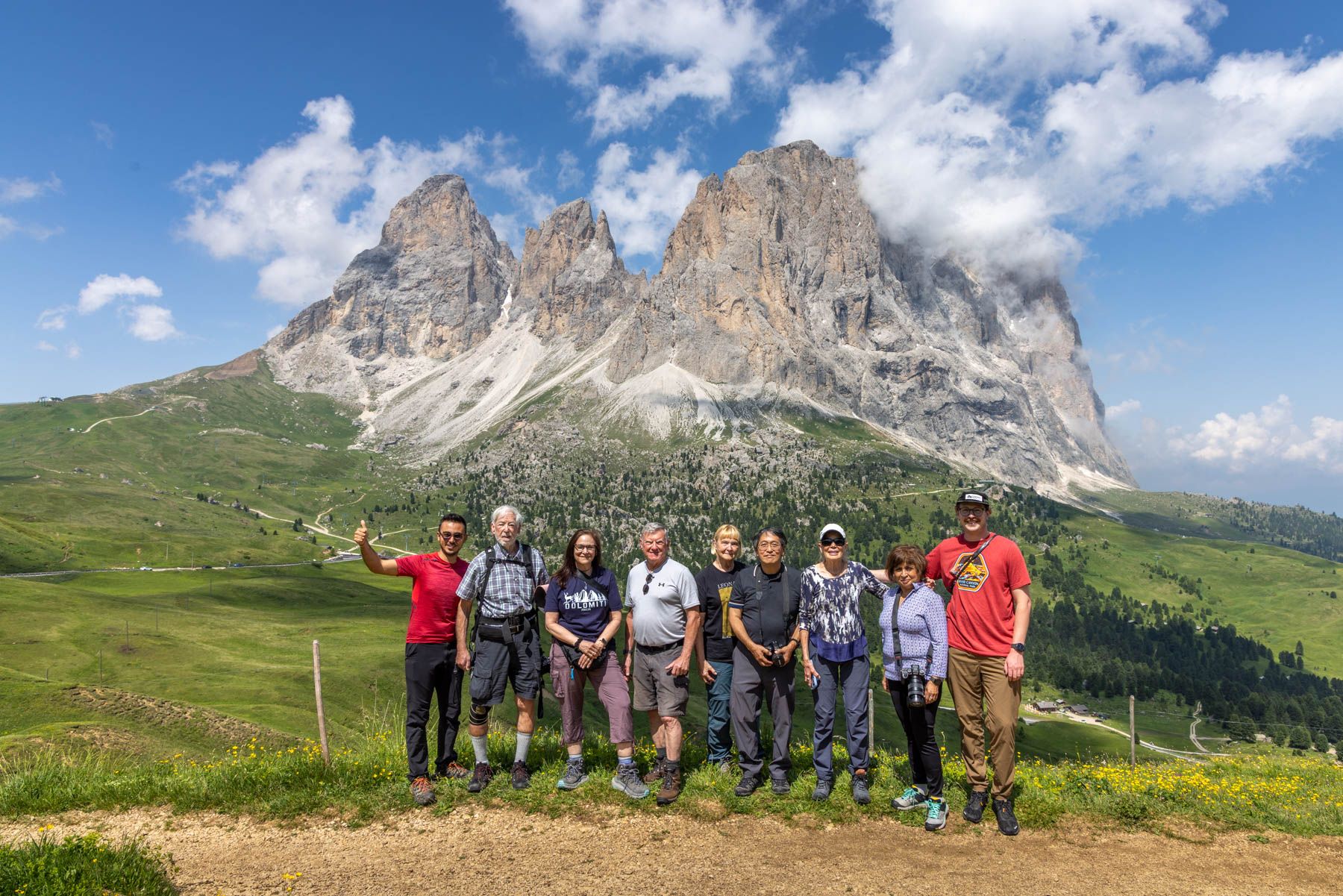
The Loneliness We Don’t Talk About in Travel
For decades, travel was often romanticized as a deeply social experience. But modern tourism has shifted this narrative dramatically.
Today, many trips are built around efficiency:
move quickly
see more
document everything
check destinations off the list
The result is often a style of travel that feels transactional on a surface level as opposed to being deeply immersive.
You may visit incredible places without ever truly connecting to them, or to the people around you.
For older travelers, retirees, empty nesters, or solo adventurers, this feeling can become even more pronounced. Friends may no longer share the same mobility, interests, or schedules. Children are grown, out of the house, managing their own careers or children. Careers are winding down. Social circles evolve. Opportunities for genuine connection become rarer than they once were.
At the same time, many people discover, or perhaps rediscover, creative passions later in life.
Photography often becomes one of them; whether it’s sparked by a film camera being found during a household declutter or a new interest in digital cameras and DSLR’s, the inspiration takes them to develop the skills to complement their new interest.
Not because of gear or social media validation, but because photography as an art calls on us to pay attention.
To slow down, take notice of the light. To observe. To feel present.
And when you place people with that shared mindset together, something really remarkable happens.
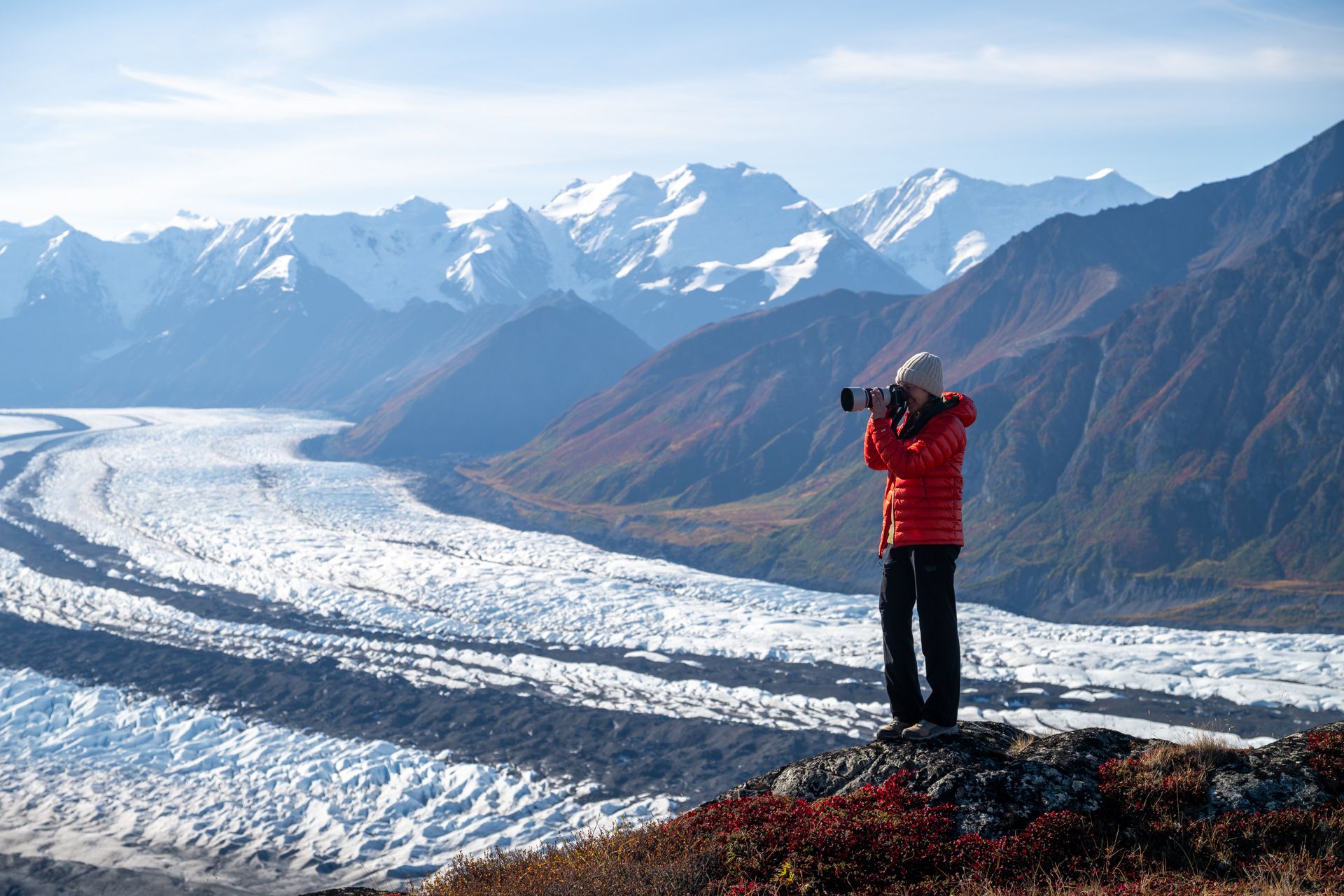
Photography Creates an Instant Shared Language
One of the most beautiful things about photography travel is that strangers rarely remain strangers for long.
A shared sunrise in the field has a way of breaking down barriers quickly.
So does quietly waiting together for wildlife to emerge from the fog. Or helping someone adjust their settings moments before the sky explodes into color. Collectively stopping in awe as soft evening light spills across a canyon wall.
Photography gives people a natural way to connect without pressure.
You don’t need perfect small talk, identical backgrounds, or even the same skill level.
You simply need curiosity.
At Backcountry Journeys, guests often arrive as individuals and leave feeling part of something much larger. Conversations that begin around shutter speed or composition frequently evolve into stories about family, life transitions, personal passions, and shared experiences.
That’s because photography encourages vulnerability in subtle ways.
Every photograph says:
“This moved me.”
“This made me stop.”
“This is how I see the world.”
And there’s something deeply human about sharing that perspective with others.
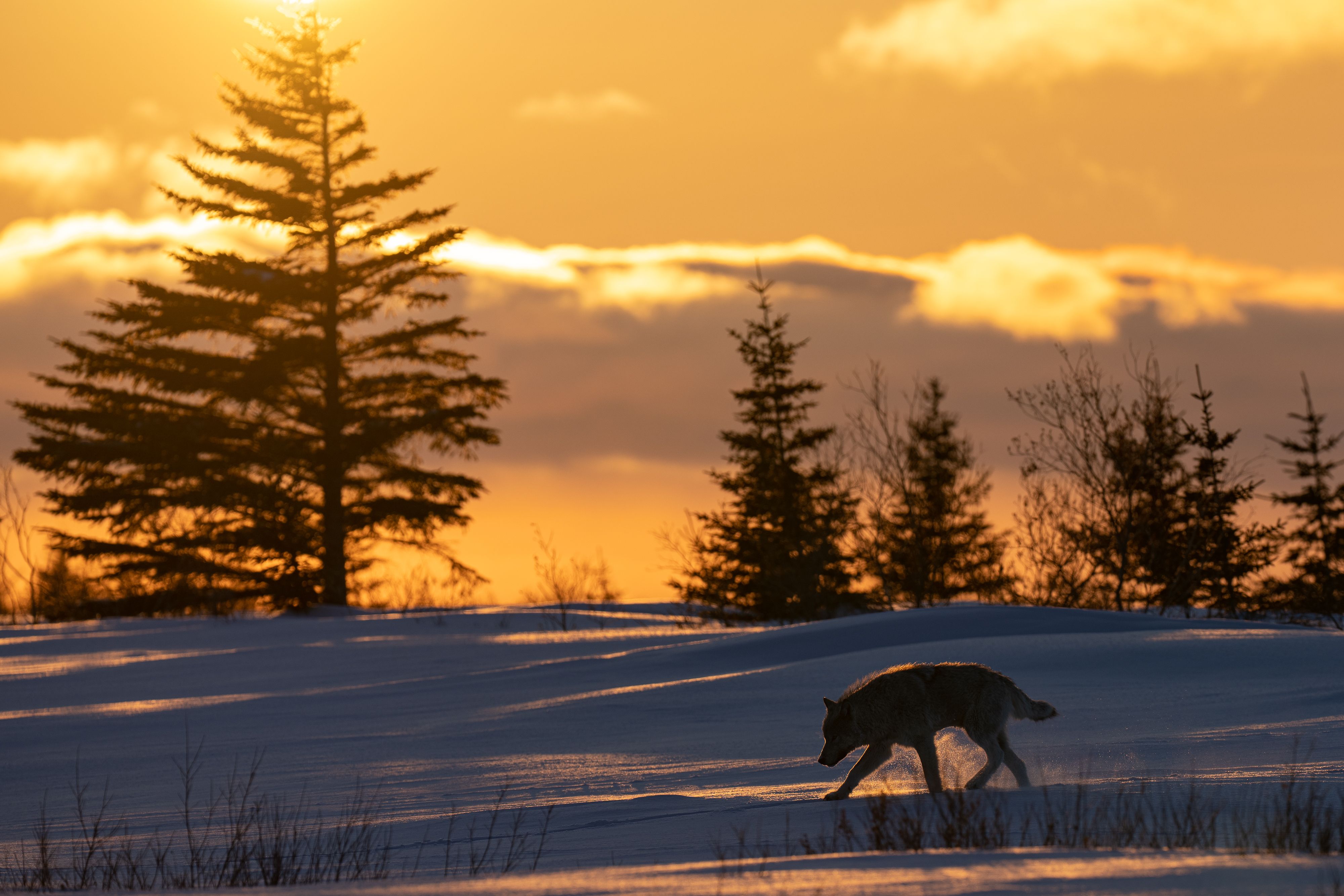
Why Small Group Travel Matters More Than Ever
In a world increasingly dominated by crowds, algorithms, and overstimulation, small-group experiences feel more valuable than ever.
That’s especially true in photography travel.
Large tours often make genuine connection difficult. People become anonymous. Schedules become rigid. Individual learning gets lost in the logistics. Getting the shot you came for becomes a competition, or at the very least, an elbow-to-elbow experience where your space, freedom, and time in the field is compromised.
Small-group photography travel creates the ideal space for conversation, mentorship, spontaneity, and real camaraderie.
It allows guests to learn comfortably at their own pace and receive personalized instruction.
And perhaps most importantly, it allows people to feel seen by their fellow guests on a journey they perhaps once only dreamed of.
At Backcountry Journeys, our guides aren’t simply focused on getting their own shots. They’re invested in helping guests succeed creatively and personally. Whether someone is picking up a camera for the first time or refining years of experience, the goal remains the same: helping each traveler grow in confidence while fully experiencing the moment.
That support changes the emotional tone of travel entirely.
Instead of feeling rushed or alone, guests feel encouraged, welcomed, and connected.
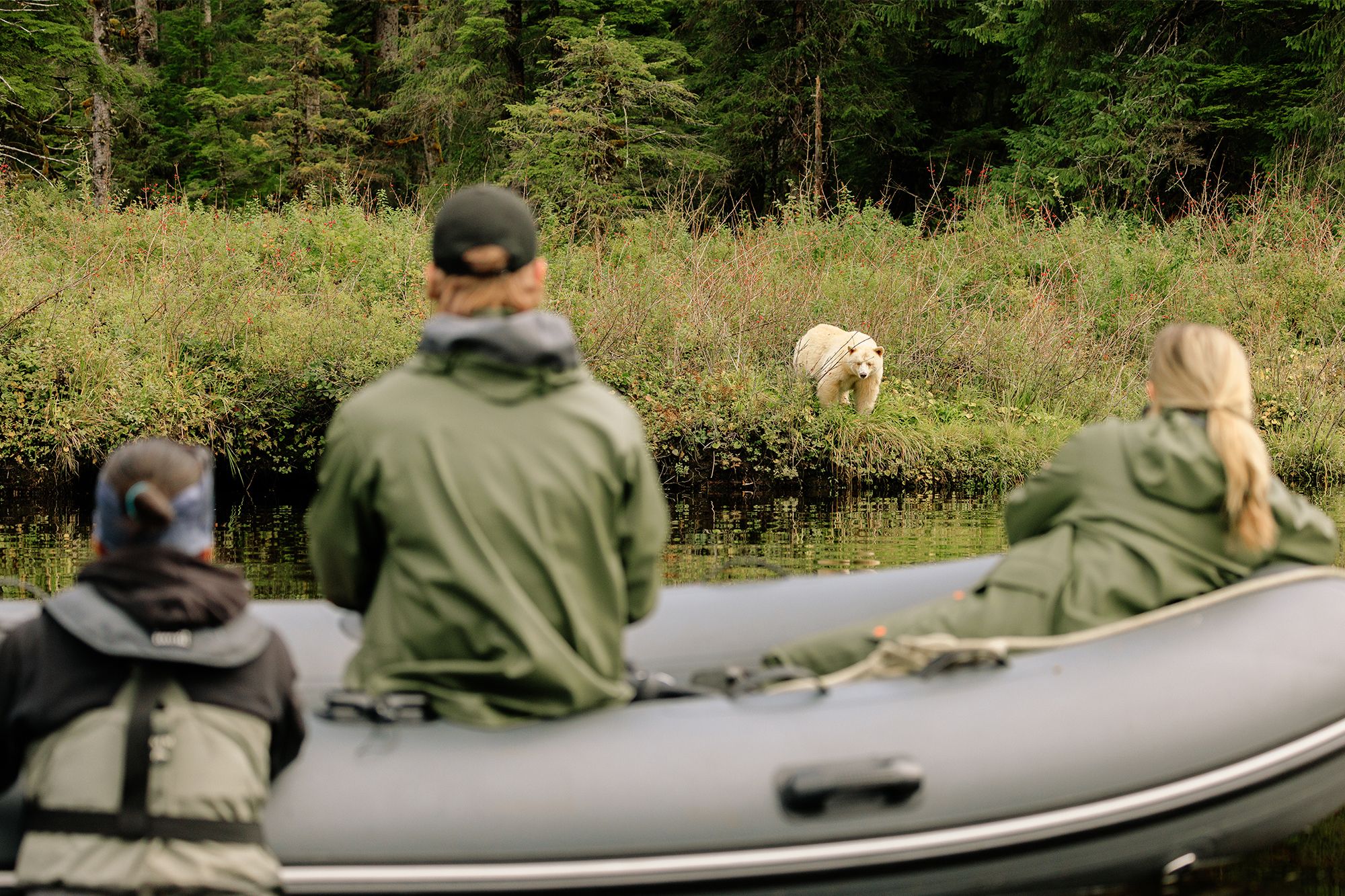
Nature Has Always Been a Place of Connection
There’s another reason photography travel builds community so naturally: nature slows people down enough to reconnect, not only with others, but with themselves.
Modern life leaves very little room for stillness. Notifications, schedules, headlines, and constant digital noise compete endlessly for attention. Many people arrive on a photography journey carrying more mental exhaustion than they realize.
Then something shifts.
Maybe it happens standing beneath towering redwoods.
Perhaps under golden sunlight watching elephants move silently along a water’s edge. Or during a quiet sunrise in a national park, cameras lowered for a moment as everyone simply watches as the scenery changes when clouds part and blue skies reveal themselves behind a mountain-scape.
Photography encourages intentional observation, and intentional observation naturally creates presence. Shared presence creates connection.
Not the performative kind we often experience online.
Real connection.
The kind built slowly over campfire conversations, long drives between landscapes, shared laughter in unpredictable weather, and collective excitement when wildlife suddenly appears just beyond the trail.
Those moments stay with people long after the trip ends.
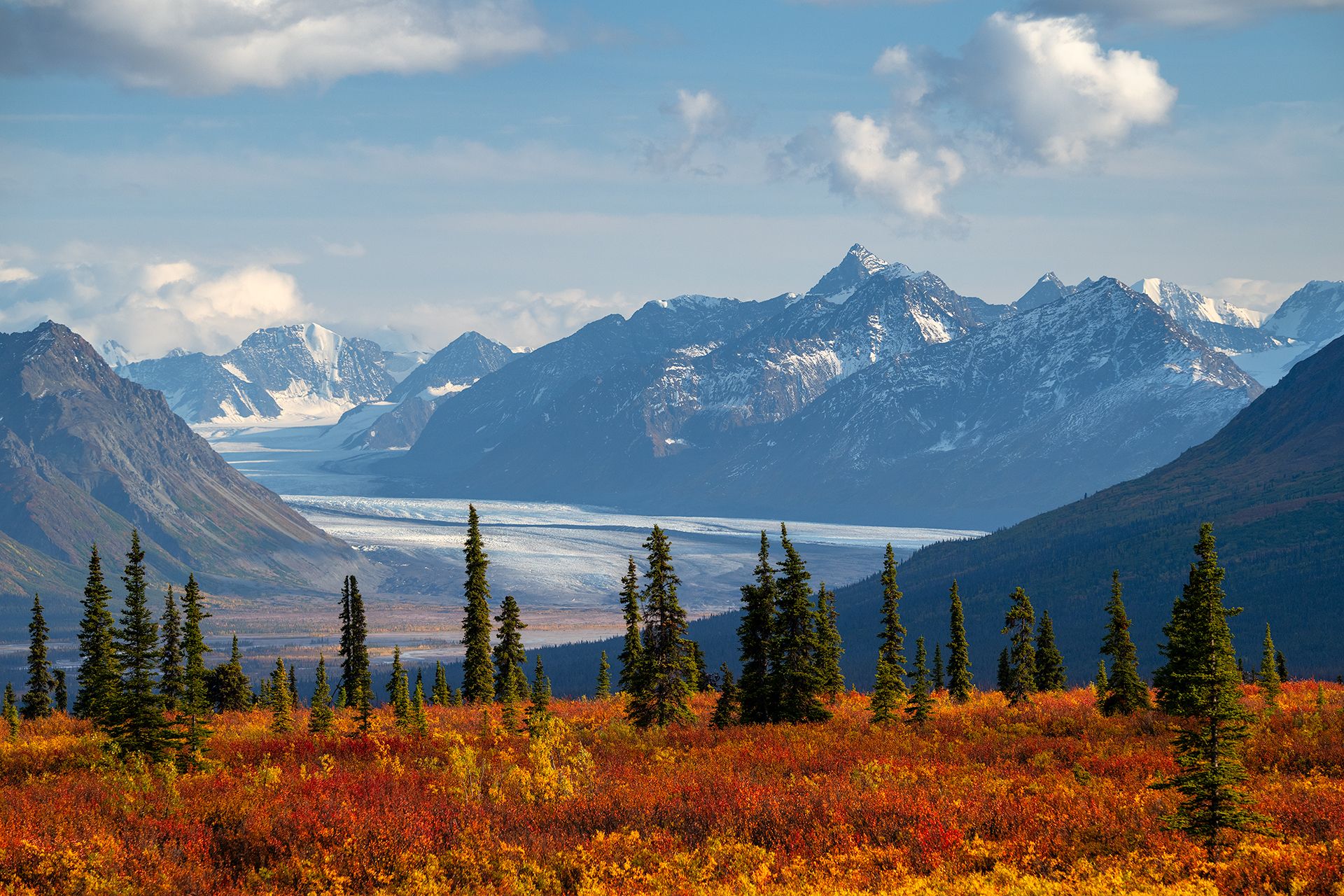
Travel Means More When It’s Shared
Some of the most meaningful parts of photography travel happen outside the frame entirely.
It’s the encouragement after someone captures an image they never thought possible.
The friendships that continue years after a workshop ends. The confidence someone gains rediscovering creativity later in life. The realization that there are still new adventures, and new people, to discover.
Photography becomes the catalyst, but community becomes the lasting takeaway.
That’s why so many travelers return not only for the destinations, but for the people they meet along the way.
At Backcountry Journeys, we believe the best journeys do more than take you somewhere beautiful.
They remind you that wonder is still possible.
That creativity can continue growing at any age.
And that meaningful connection can still be found in a world that often feels increasingly disconnected.
Sometimes all it takes is a camera, a shared sunrise, and a group of people willing to see the world together.

We offer world-class travel photography
experiences around the world.
Each tour is bundled with lodging, meals, and transportation between workshops included, allowing you to focus on photography instead of the stress of traveling.
experiences around the world.
Each tour is bundled with lodging, meals, and transportation between workshops included, allowing you to focus on photography instead of the stress of traveling.
Get Our Trip Catalog
Receive a trip catalog that highlights all of our upcoming photo tours and workshops.Schedule a Trip Consultation
Meet with a photo experience coordinator, and experience a personal touch to your booking experience.Landscape Guide
Receive a FREE Landscape Cheat Sheet Written By a Pro Photographer.Webinars
Our regularly hosted webinars provide photography instruction from our own guides on a wide range of topics.Education Portal
Explore our library of articles that cover everything from common questions, to in-depth guides on how to achieve that perfect shot.
Backcountry Journeys
Connecting Passionate People To
Exceptional Experiences.
Exceptional Experiences.
Business Hours:
Mon-Fri, 8AM-4PM MT
928-478-1521
adventure@backcountryjourneys.com
Mon-Fri, 8AM-4PM MT
928-478-1521
adventure@backcountryjourneys.com
arrow_drop_down_circle
Divider Text
All Images & Content Are Property Of Backcountry Journeys Photography Tours, Workshops & Safaris LLC - Copyright 2026


About Us
Receive a Digital Trip Catalog
Find an upcoming photography tour with our interactive catalog.