2025 Travelers' Choice

About Backcountry Journeys
Why Choose Backcountry Journeys
If you're considering a photography trip, hear why Backcountry Journeys delivers the best experience in the industry.Frequently Asked Questions
If you're new to photography trips, or new to BCJ, you can find our common travel questions here.Fitness Levels
Our trips vary on physical intensity, and by reviewing our fitness levels, you can find out which trips may be more challenging, or aligned more closely with your comfort level.Meet The Crew
We've built an amazing team of experienced guides, and dedicated office staff that elevate your travel experience. Get to know their backgrounds, and hear their stories.Loyalty Program
We reward our frequent photo adventurers with exclusive discounts on amazing photography trips.Contact Us
If you need to get in touch with our office staff, or have additional business inquiries, you can find our information here.Refer a Friend
Know someone perfect for one of our tours? Recommend them through this quick form.Stay Up To Date On All Things
Backcountry Journeys
Backcountry Journeys
Our Photography Community
Our Webinars
Our regularly hosted webinars provide photography instruction from our own guides on a wide range of topics.Our Education Portal
Explore our library of articles that cover everything from common questions, to in-depth guides on how to achieve that perfect shot.Community Testimonials
We're proud to foster an amazing group of photo travelers, and here you can find their stories from their past adventures.Resources For Photographers
About Our Company
Resources For Photographers
About Our Company
Canon EOS R8 Mark II: A New Full-Frame Camera Built for Speed, Stability, and Travel
Published September 24, 2026
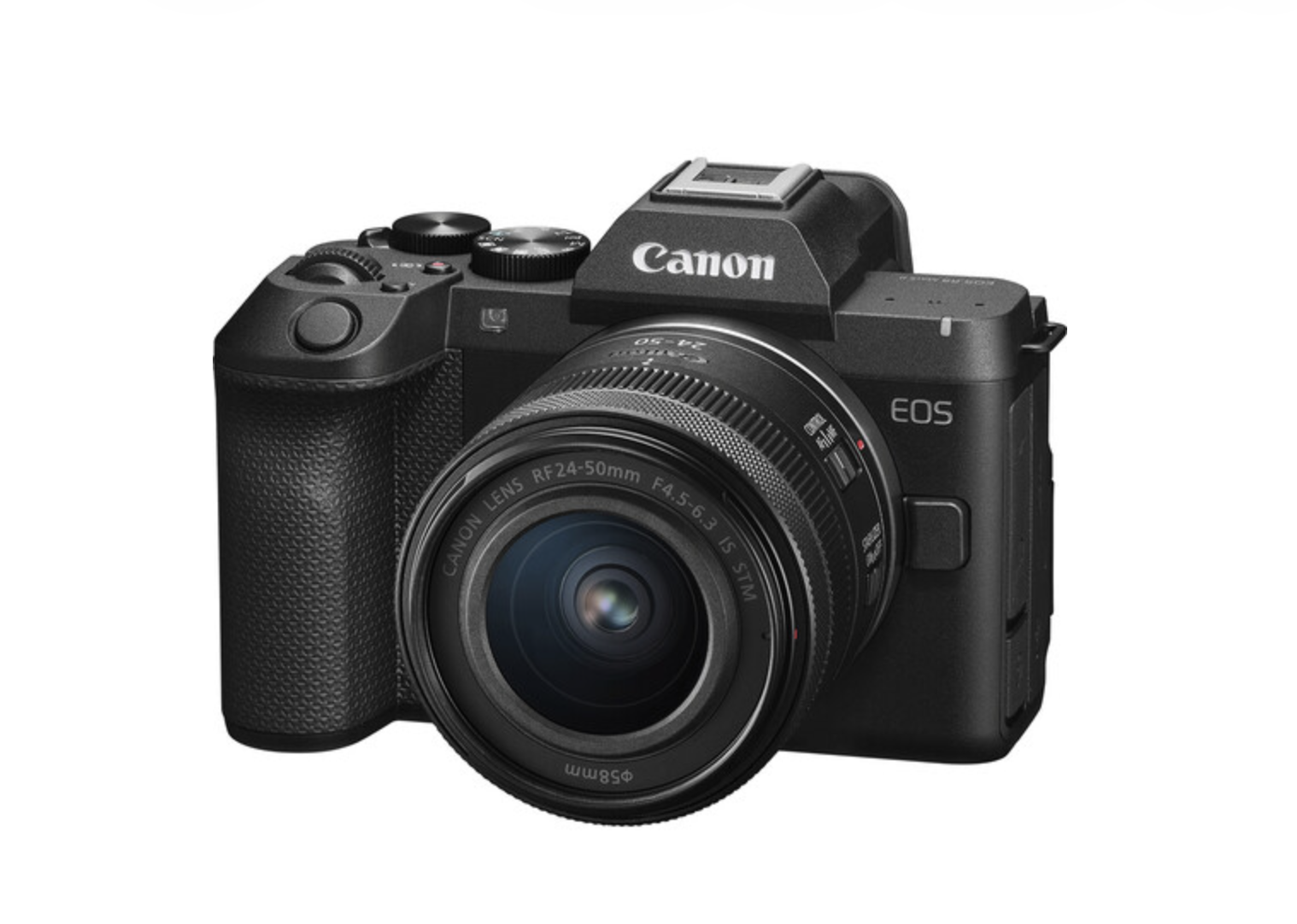
Canon has officially introduced a new addition to its EOS R lineup: the Canon EOS R8 Mark II, a compact full-frame mirrorless camera designed to bring more speed, stabilization, and creative flexibility to photographers and hybrid creators.
Announced on September 15, 2026, the EOS R8 Mark II builds on the original EOS R8 with several significant upgrades, including 5-axis in-body image stabilization, shooting speeds of up to 40 frames per second, pre-capture capabilities, improved autofocus, and 6K-oversampled 4K video.
And despite those additions, Canon has kept portability at the center of the design. At just 18 ounces (499g) for the body, the EOS R8 Mark II is positioned as the lightest EOS camera with IBIS; making it an intriguing option for photographers who want full-frame performance without carrying a larger professional body.
A Full-Frame Sensor in a Compact Package
At the heart of the EOS R8 Mark II is a 24.2-megapixel full-frame CMOS sensor measuring 36 x 24mm. The sensor offers a native ISO range of 100–25,600, expandable to ISO 51,200–102,400, giving photographers plenty of flexibility when working in changing or low-light conditions.
For travel and landscape photographers, the full-frame sensor also provides the familiar advantages of a larger sensor, including a wider field of view at equivalent focal lengths and greater control over depth of field.
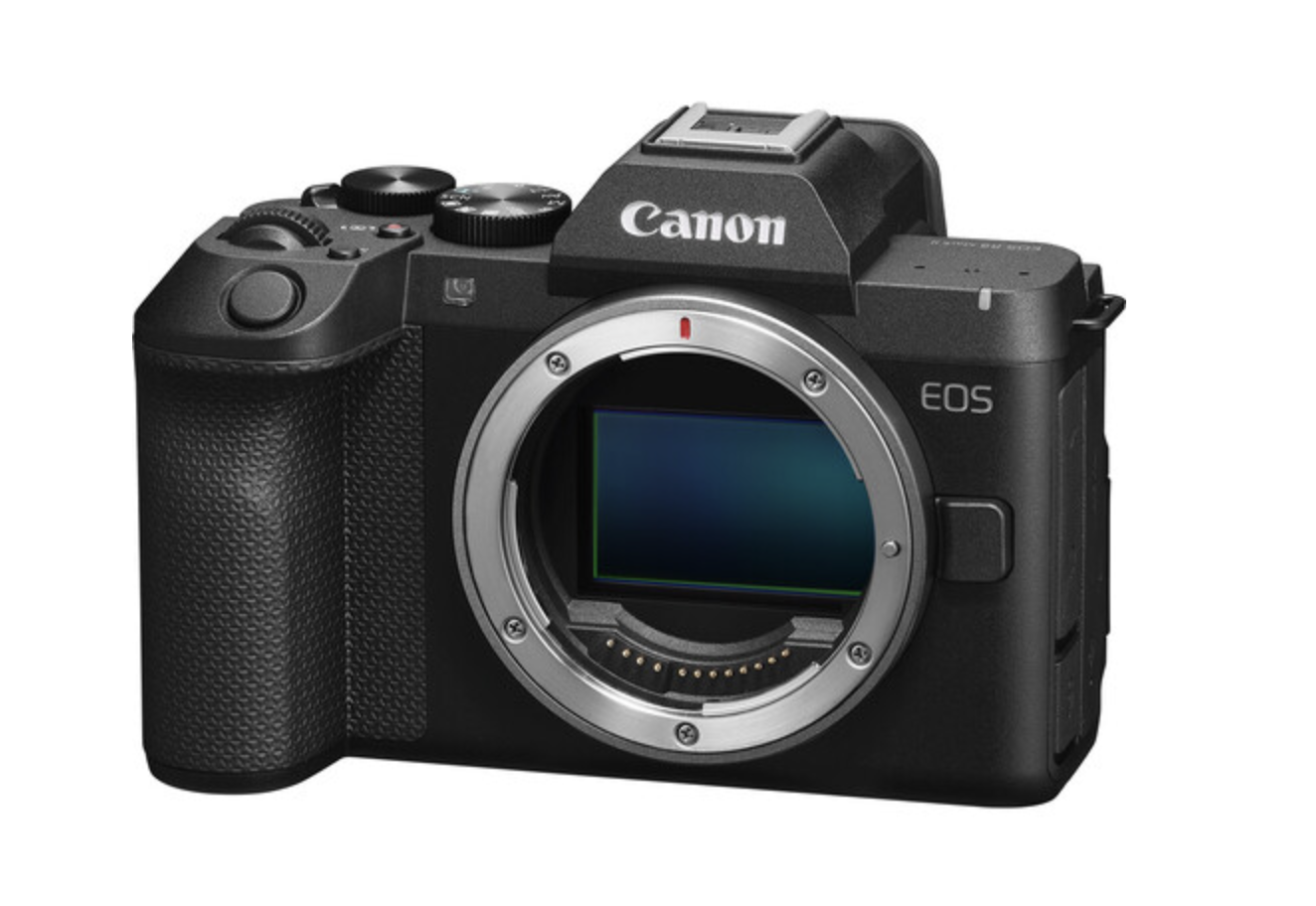
The camera uses Canon's RF mount, giving photographers access to Canon's extensive RF lens system.
Finally, Built-In Image Stabilization
One of the most notable additions to the R8 Mark II is 5-axis in-body image stabilization (IBIS).
According to B&H, the camera provides up to 7.5 stops of shake correction at the center of the frame and 7 stops at the edges for still photography. The stabilization system can also work in coordination with compatible lenses, providing additional support when shooting handheld.
For photographers working in the field, that can make a meaningful difference.
Landscape photographers may be able to work at slower shutter speeds without immediately reaching for a tripod, while travel photographers can benefit from additional stability when shooting handheld in dim interiors, at blue hour, or during spontaneous moments where setting up a tripod simply isn't practical.
The combination of full-frame imaging and IBIS also makes the R8 Mark II an interesting option for photographers who prioritize mobility.
40 Frames Per Second and Pre-Capture
The R8 Mark II isn't just designed for slow, deliberate photography.
Its electronic shutter can shoot at up to 40 frames per second, while a new pre-capture function begins recording images when the shutter button is half-pressed. Fully press the shutter, and the camera can save images captured immediately before the shutter was completely pressed; including up to 20 frames within half a second.
That feature could be particularly useful when photographing unpredictable subjects.
Wildlife photographers, for example, don't always know exactly when a bird will take flight or an animal will make a sudden movement. Pre-capture gives photographers a little more room to react when the decisive moment happens faster than human reflexes.
The R8 Mark II also improves its buffer performance compared with the original R8. B&H lists capacity for up to 73 uninterrupted RAW images or 190 JPEG images at 40 fps, representing a 30% increase in RAW shooting and a 55% increase in JPEG shooting compared with the original R8.
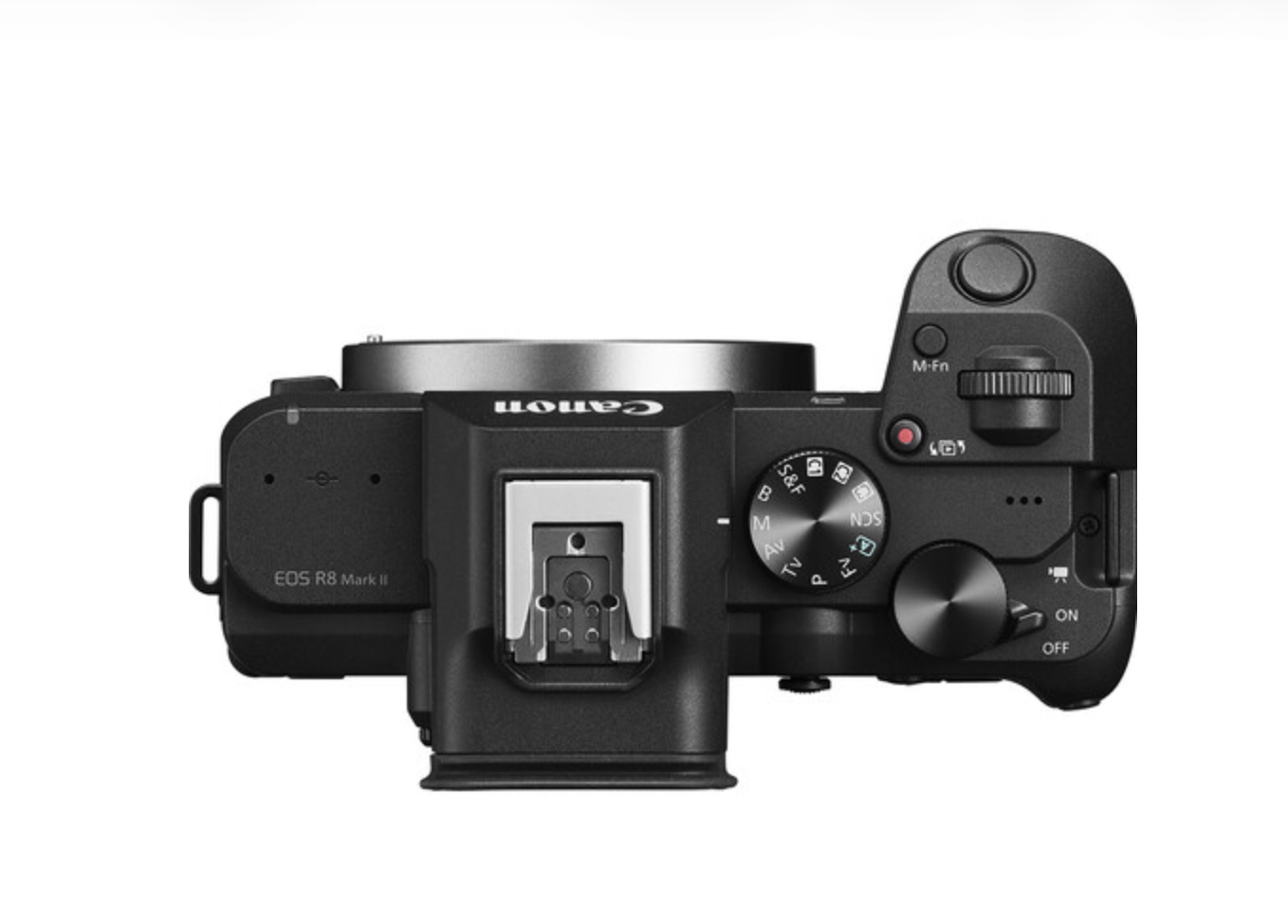
Autofocus Designed to Follow the Action
The EOS R8 Mark II uses Canon's Dual Pixel CMOS AF II system with autofocus coverage across 100% of the frame.
Its subject-detection system can recognize and track people, animals, and vehicles, while the camera can prioritize faces, eyes, and other specific subjects. B&H also lists a low-luminance autofocus limit of -7.5 EV, giving the system additional capability when shooting in challenging light.
There's also a new Register People Priority feature, which allows photographers to register specific people so the camera can prioritize them when multiple subjects are in the frame.
For event, portrait, wedding, and lifestyle photographers, that could help keep the intended subject in focus even when other people enter the frame.
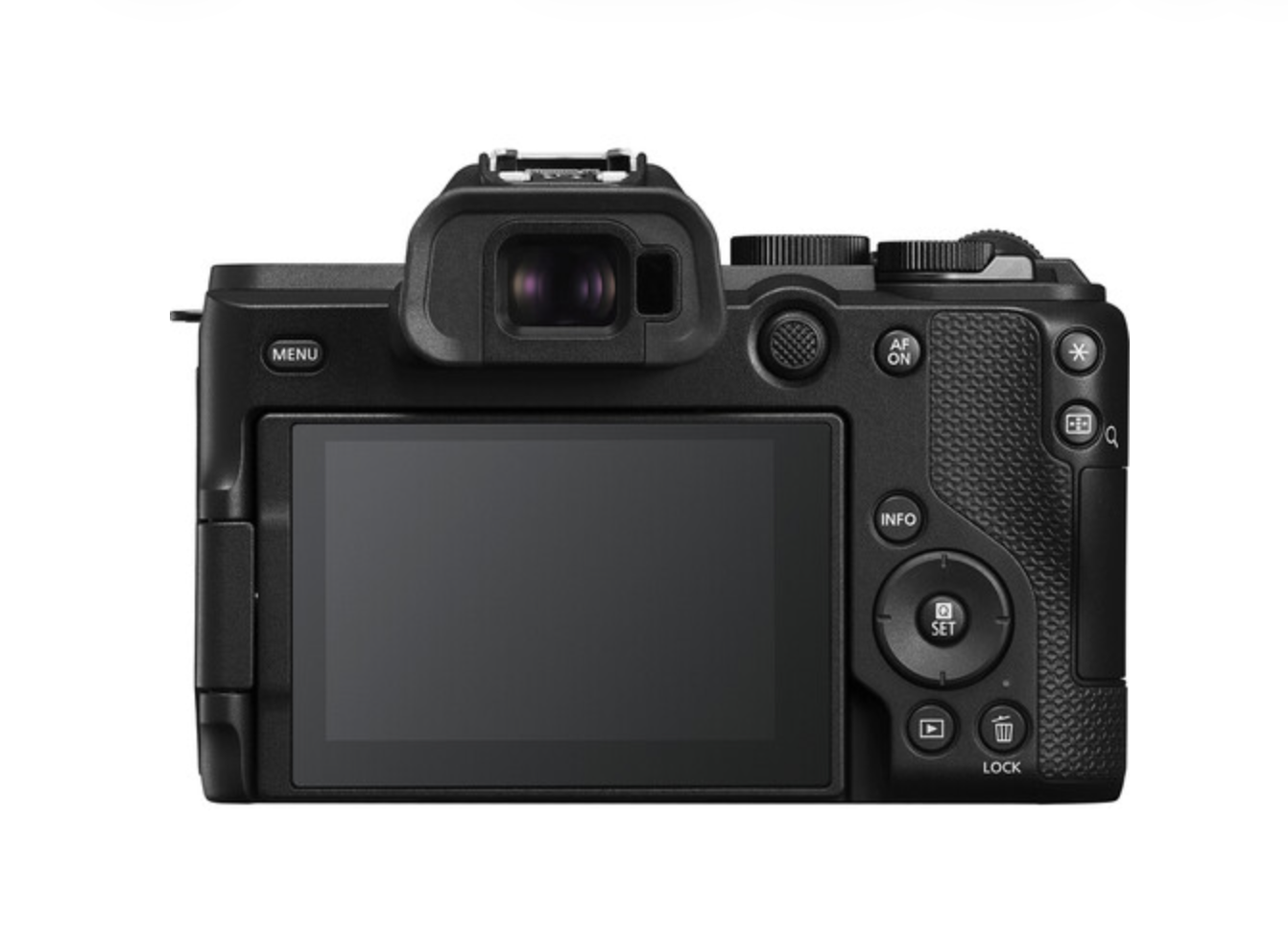
A Hybrid Camera for Photo and Video
The R8 Mark II isn't limited to still photography.
It can record 6K-oversampled UHD 4K video at up to 60p with 10-bit color, along with Full HD recording at frame rates up to 180p for slow-motion footage.
For photographers who also create video content, the camera includes Canon Log 3 and HDR-PQ, giving creators more flexibility when it comes to color and post-production workflows.
There's also a built-in red tally lamp that indicates when recording is underway.
For travel creators, photographers producing behind-the-scenes content, or anyone who wants one camera to handle both stills and video, the combination gives the R8 Mark II considerably more versatility than a stills-only body.
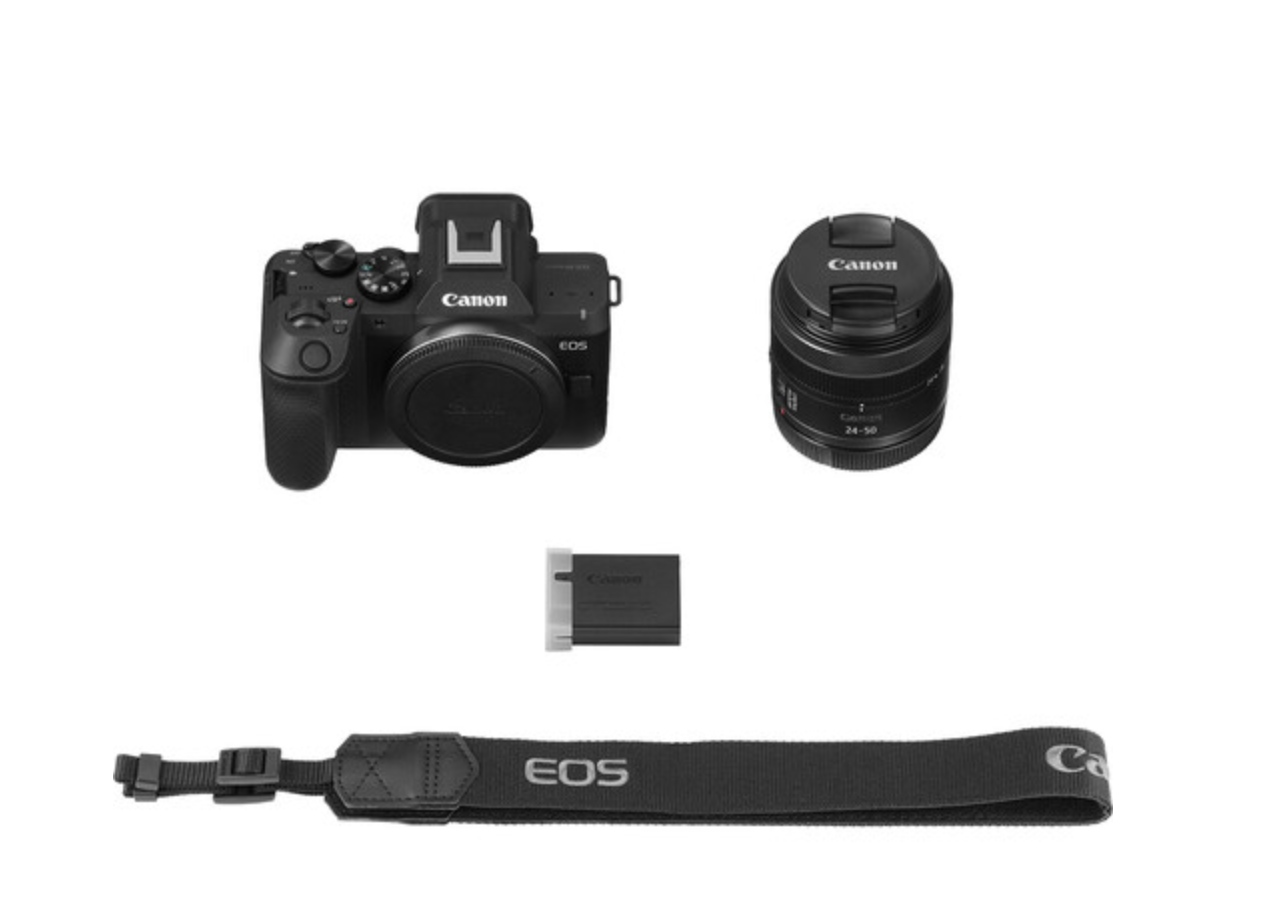
Designed to Travel
One of the most compelling aspects of the R8 Mark II may be what Canon hasn't added: unnecessary bulk.
The camera measures approximately 5.17 x 3.54 x 3.14 inches and weighs 18 ounces (499g) body-only. With the battery and recording media, B&H lists the weight at approximately 19 ounces (546g).
Canon has also redesigned the body with a flatter profile and added a new multi-controller joystick for navigating menus and moving autofocus points.
The camera features a 2.36-million-dot OLED electronic viewfinder with 100% coverage, along with a 3-inch, 1.62-million-dot vari-angle touchscreen LCD.
For photographers constantly moving between locations, that combination of compact dimensions, a vari-angle screen, and a traditional electronic viewfinder makes the R8 Mark II well suited to travel photography.
Connectivity for the Modern Photographer
The R8 Mark II includes a range of connectivity options designed around today's hybrid workflows.
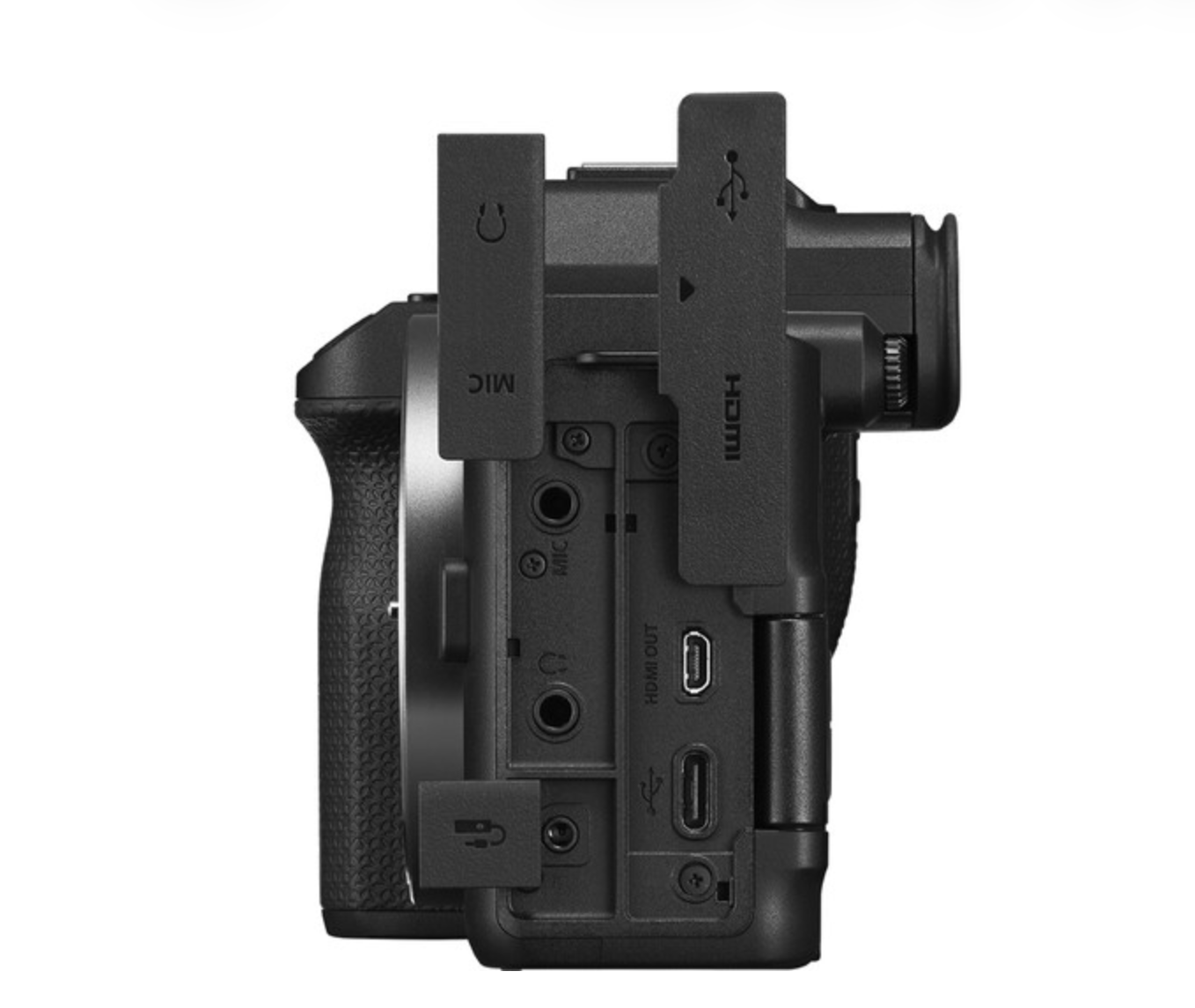
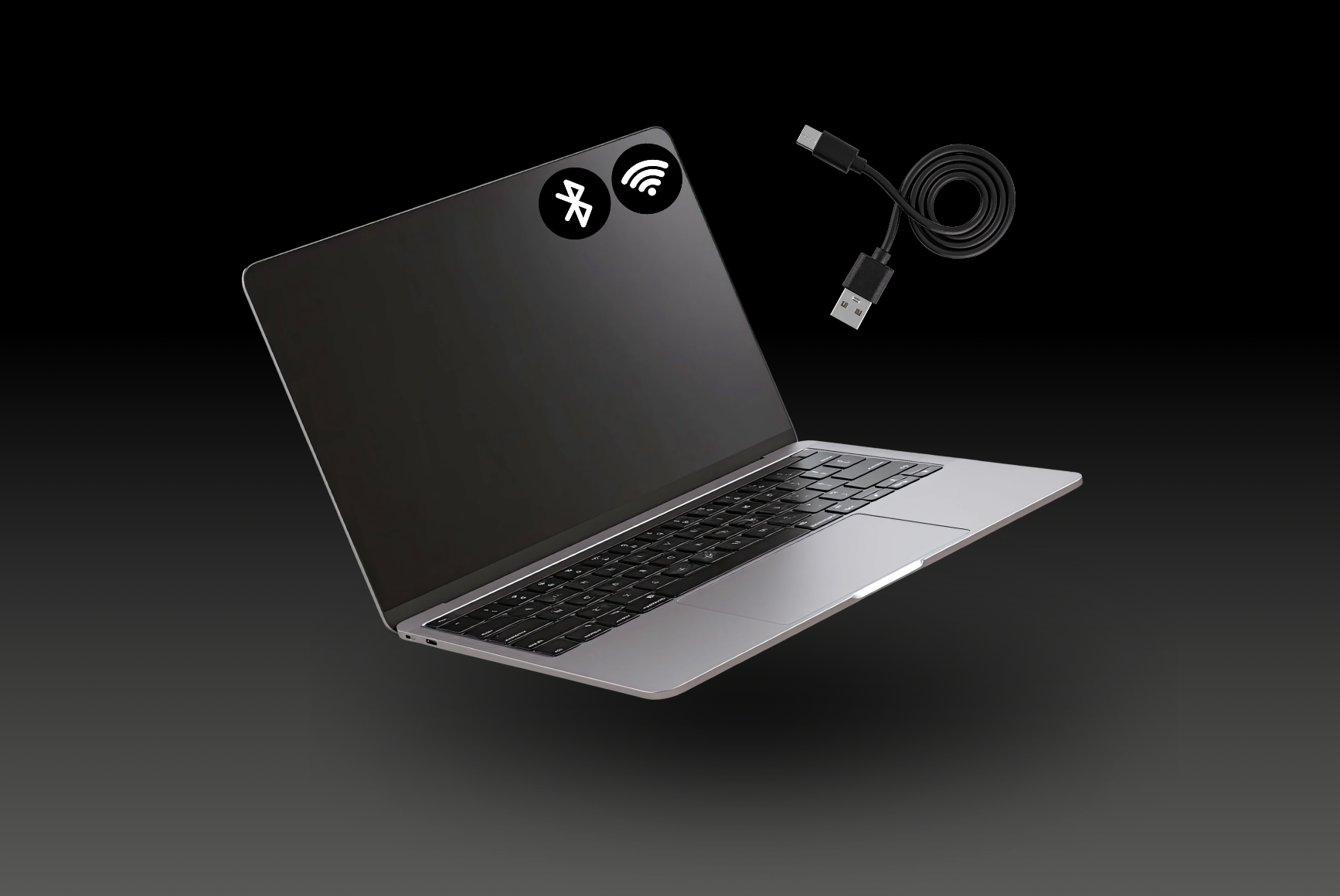
It features Wi-Fi 6E and Bluetooth 5.3, along with USB-C connectivity for charging, data transfer, and other functions. The camera can connect to Canon Camera Connect for file transfer, remote control, live viewing, and camera management from compatible mobile devices.
The USB-C connection can also allow the camera to function as a webcam without additional software, while Canon's Live Switcher Mobile integration opens the door to multi-camera streaming setups.
There's also a single UHS-II SD card slot, plus microphone and headphone connections for video creators.
Built for Photographers Who Don't Want to Slow Down
The Canon EOS R8 Mark II occupies an interesting space in Canon's lineup.
It combines a 24.2MP full-frame sensor, 7.5-stop IBIS, 40 fps electronic shooting, pre-capture, advanced subject detection, and sophisticated video capabilities in a body weighing less than 20 ounces with its battery and card.
For travel photographers, that's a compelling combination. You get the image quality and creative control of a full-frame system while maintaining a body that's small enough to carry through an entire day of shooting.
For wildlife photographers, the high-speed burst mode and pre-capture system add another layer of capability when working with unpredictable subjects.
And for photographers who split their time between stills and video, the 10-bit 4K recording, Canon Log 3, slow-motion capabilities, and connectivity options make it a capable hybrid tool.
The Canon EOS R8 Mark II is expected to begin shipping in late October 2026, with B&H listing the body at $1,899and the 24-50mm lens kit at $2,099.
For photographers looking for a new full-frame camera that emphasizes portability without giving up speed, stabilization, or modern autofocus, the R8 Mark II is one of Canon's notable new releases for 2026.
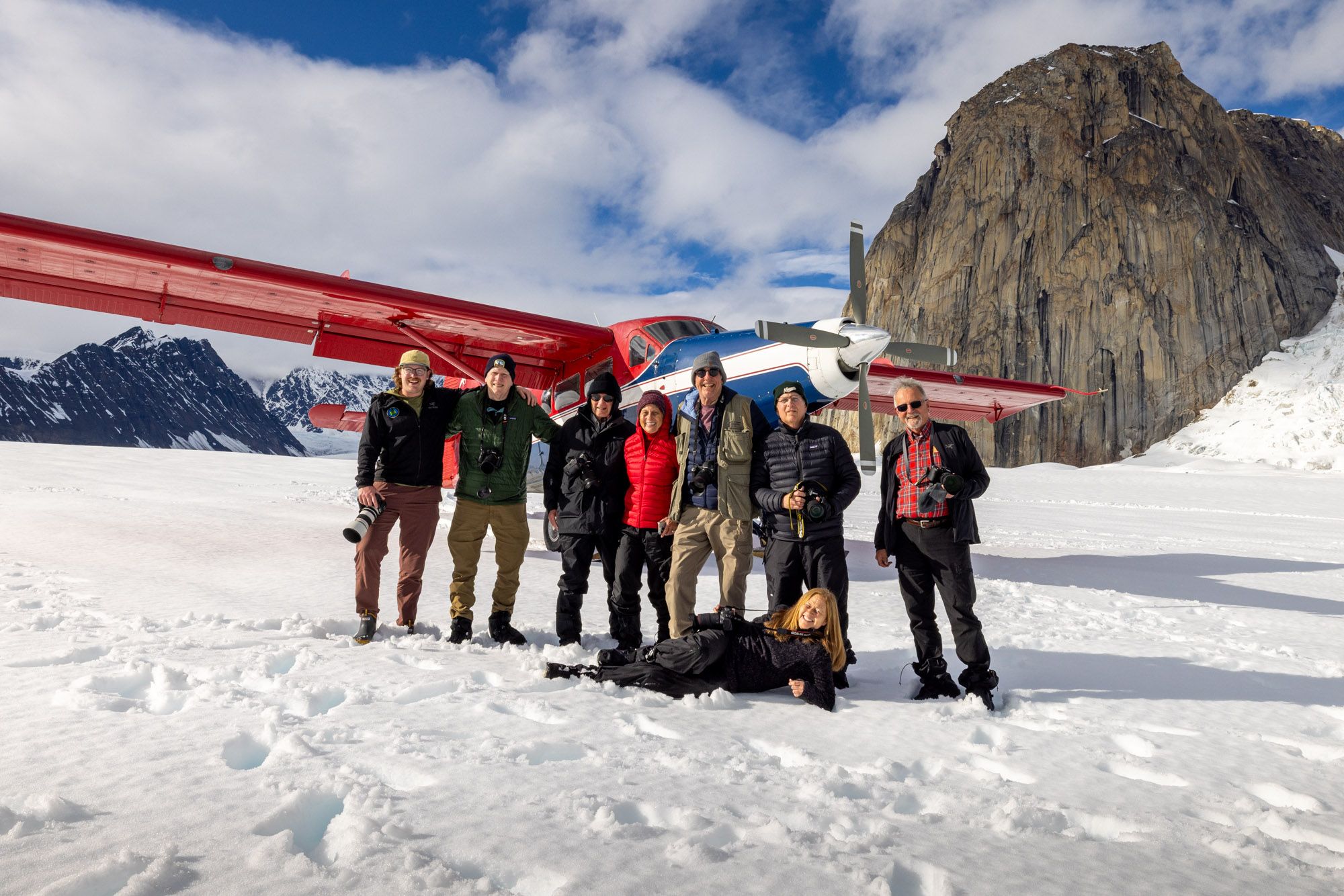

We offer world-class travel photography
experiences around the world.
Each tour is bundled with lodging, meals, and transportation between workshops included, allowing you to focus on photography instead of the stress of traveling.
experiences around the world.
Each tour is bundled with lodging, meals, and transportation between workshops included, allowing you to focus on photography instead of the stress of traveling.
Get Our Trip Catalog
Receive a trip catalog that highlights all of our upcoming photo tours and workshops.Schedule a Trip Consultation
Meet with a photo experience coordinator, and experience a personal touch to your booking experience.Landscape Guide
Receive a FREE Landscape Cheat Sheet Written By a Pro Photographer.Webinars
Our regularly hosted webinars provide photography instruction from our own guides on a wide range of topics.Education Portal
Explore our library of articles that cover everything from common questions, to in-depth guides on how to achieve that perfect shot.
Backcountry Journeys
Connecting Passionate People To
Exceptional Experiences.
Exceptional Experiences.
Business Hours:
Mon-Fri, 8AM-4PM MT
928-478-1521
adventure@backcountryjourneys.com
Mon-Fri, 8AM-4PM MT
928-478-1521
adventure@backcountryjourneys.com
arrow_drop_down_circle
Divider Text
All Images & Content Are Property Of Backcountry Journeys Photography Tours, Workshops & Safaris LLC - Copyright 2026


About Us
Receive a Digital Trip Catalog
Find an upcoming photography tour with our interactive catalog.