2025 Travelers' Choice

About Backcountry Journeys
Why Choose Backcountry Journeys
If you're considering a photography trip, hear why Backcountry Journeys delivers the best experience in the industry.Frequently Asked Questions
If you're new to photography trips, or new to BCJ, you can find our common travel questions here.Fitness Levels
Our trips vary on physical intensity, and by reviewing our fitness levels, you can find out which trips may be more challenging, or aligned more closely with your comfort level.Meet The Crew
We've built an amazing team of experienced guides, and dedicated office staff that elevate your travel experience. Get to know their backgrounds, and hear their stories.Loyalty Program
We reward our frequent photo adventurers with exclusive discounts on amazing photography trips.Contact Us
If you need to get in touch with our office staff, or have additional business inquiries, you can find our information here.Refer a Friend
Know someone perfect for one of our tours? Recommend them through this quick form.Stay Up To Date On All Things
Backcountry Journeys
Backcountry Journeys
Our Photography Community
Our Webinars
Our regularly hosted webinars provide photography instruction from our own guides on a wide range of topics.Our Education Portal
Explore our library of articles that cover everything from common questions, to in-depth guides on how to achieve that perfect shot.Community Testimonials
We're proud to foster an amazing group of photo travelers, and here you can find their stories from their past adventures.Resources For Photographers
About Our Company
Resources For Photographers
About Our Company
Seeing Beyond the Frame: The Ecosystem behind Landscape Photography
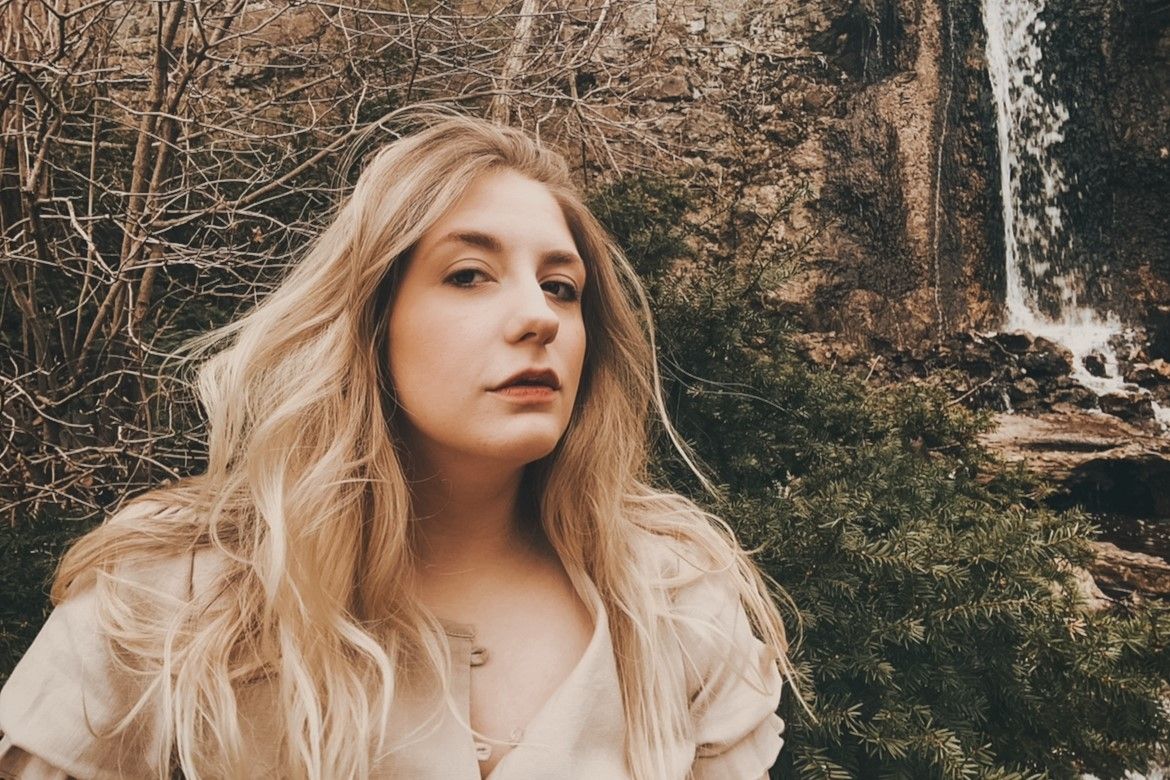
Published October 6, 2026
When you see an incredible landscape photograph, you see the final moment.
You see the golden light spilling across a mountain range. The mist settling perfectly into a valley. A reflection of a glacier-fed lake beneath a dramatic sky. You see a scene that feels effortless, as if the photographer simply arrived, lifted their camera, and captured something extraordinary.
What you don't see are the hundreds of decisions that made that moment possible.
You don't see the months of planning, the early mornings spent scouting locations, the conversations with local experts, the weather forecasts analyzed before sunrise, or the backup plans created in case conditions changed. You don't see the transportation routes mapped out, the permits secured, the lodging selected, or the countless small adjustments made along the way.
A great landscape photograph may be captured in a fraction of a second, but creating the opportunity for that photograph is an entire ecosystem.
At Backcountry Journeys, we believe exceptional photography begins long before the shutter is pressed. The best experiences happen when every element; from logistics and timing to local knowledge and environmental awareness, works together to place photographers in the right location, at the right moment, with the freedom to focus entirely on creating images.
The photograph is the visible result.
The ecosystem behind it is what makes it possible.
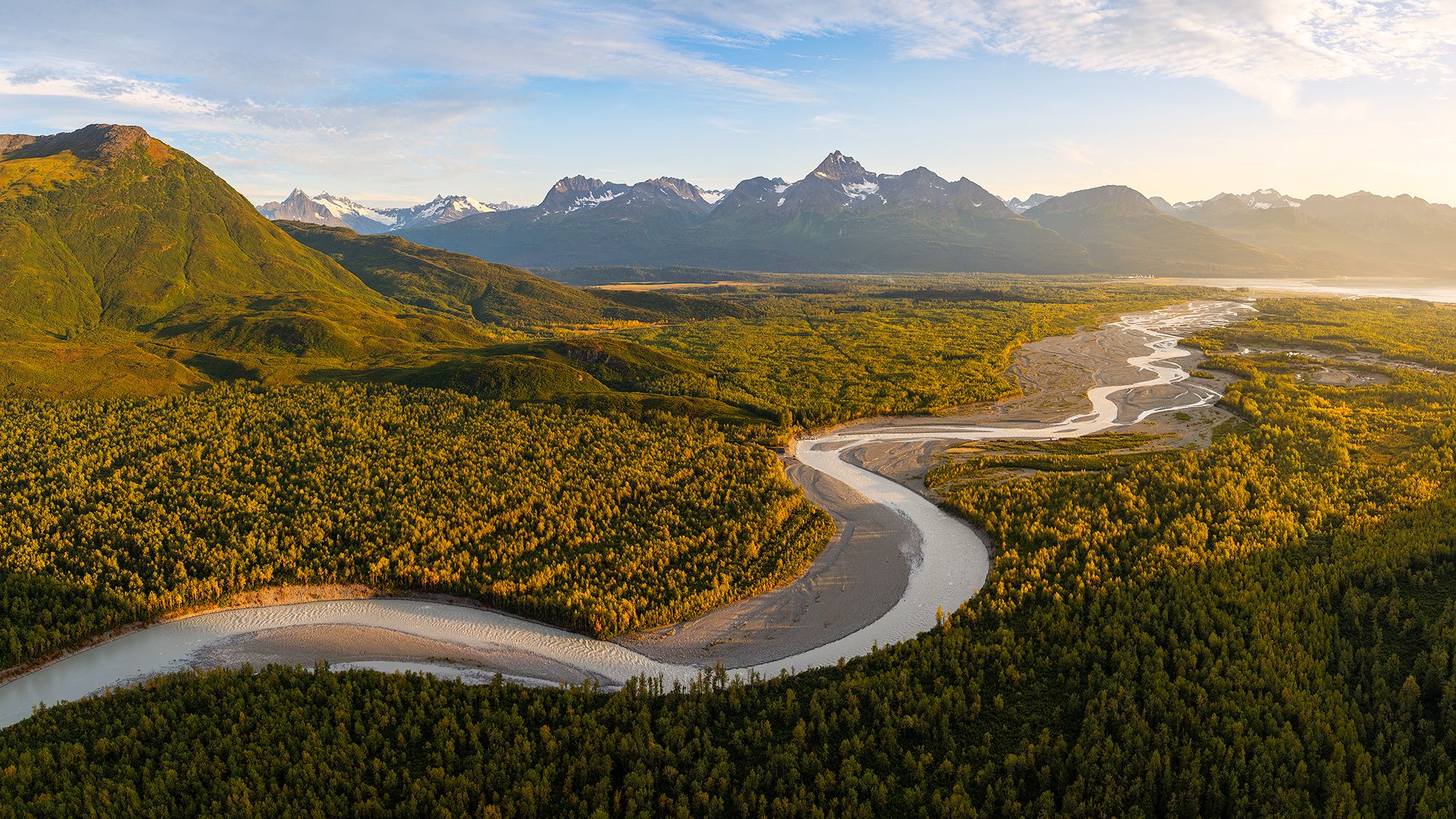
The Work Begins Long Before Guests Arrive
A photography workshop may only last several days, but the preparation behind it often begins months or even years in advance.
Every destination has its own rhythm. Landscapes change with the seasons. Weather patterns shift. Wildlife behavior evolves. Access points open and close. The locations that produce extraordinary images one year may require a different approach the next.
This is why scouting is such an important part of creating a successful photography experience.
Experienced guides and workshop leaders don't simply identify a beautiful location and add it to an itinerary. They spend time understanding how that place behaves. They consider how morning and evening light interact with the landscape, how crowds change throughout the day, how long it takes to reach a location, and what conditions are most likely to create compelling photographic opportunities.
A viewpoint that looks only semi-impressive at noon may become unforgettable during a winter sunrise. A trail that seems ordinary during a casual visit may reveal incredible compositions when autumn color, fog, or dramatic weather arrive.
The goal isn't just knowing where to go.
It's knowing when that location has the greatest potential.
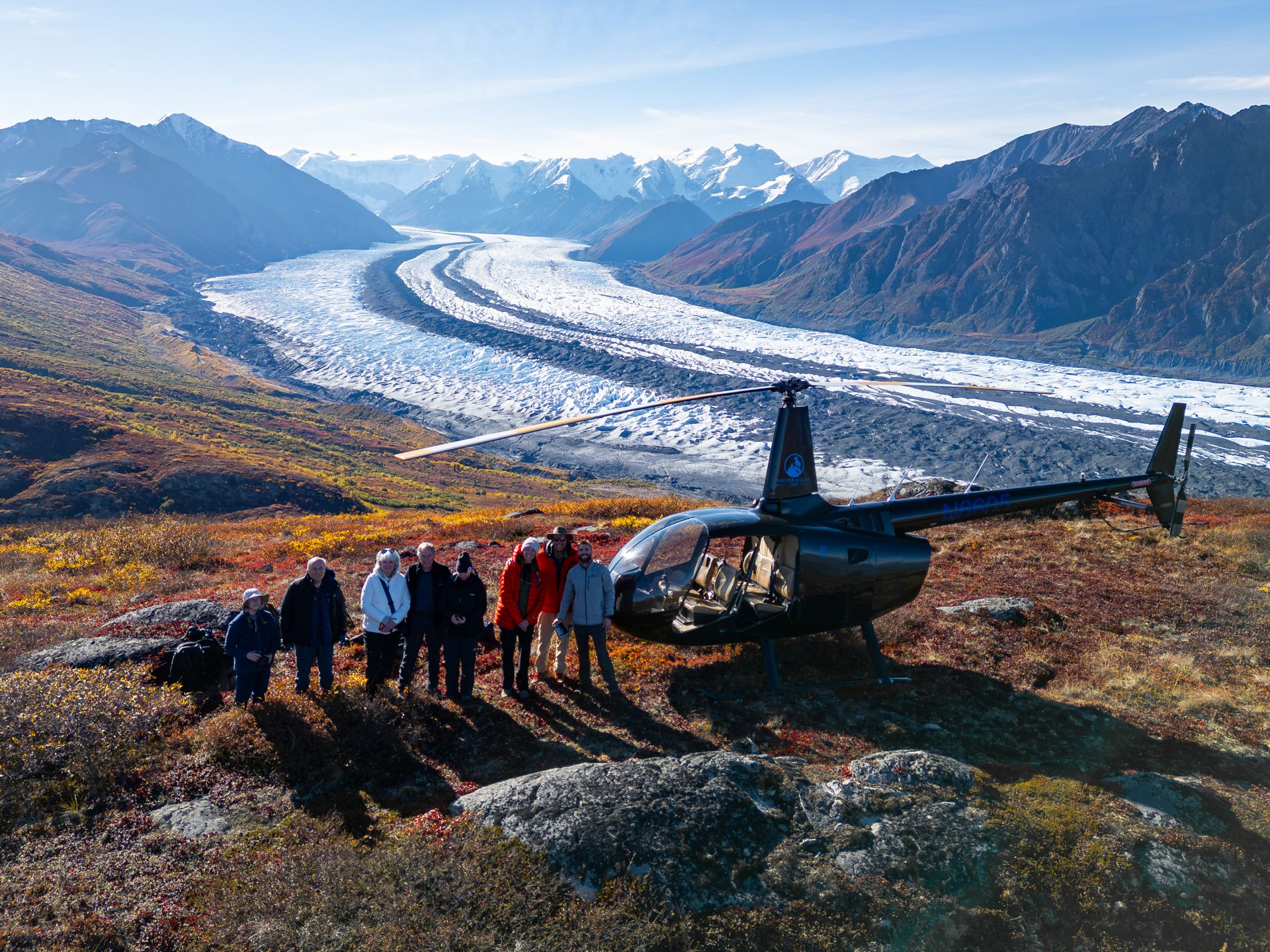
Weather Is Part of the Creative Process
For landscape photographers, weather is not something to work around.
It is part of the photograph.
Clouds can transform a simple sunrise into a dramatic scene. Storms can add atmosphere and emotion. Fog can create depth and mystery. Even changing conditions that seem inconvenient to travelers often become the moments photographers remember most.
Understanding weather patterns is a major part of successful photography planning. Guides constantly monitor forecasts, evaluate changing conditions, and make decisions based on what will provide the strongest photographic opportunities.
Sometimes that means arriving at a location hours before sunrise because the forecast suggests a brief window of perfect light. Other times, it means changing plans entirely because another location simply offers better conditions.
The ability to adapt is what separates a planned sightseeing itinerary from a true photography experience.
The best guides aren't simply following a schedule. They are responding to the environment as it changes.
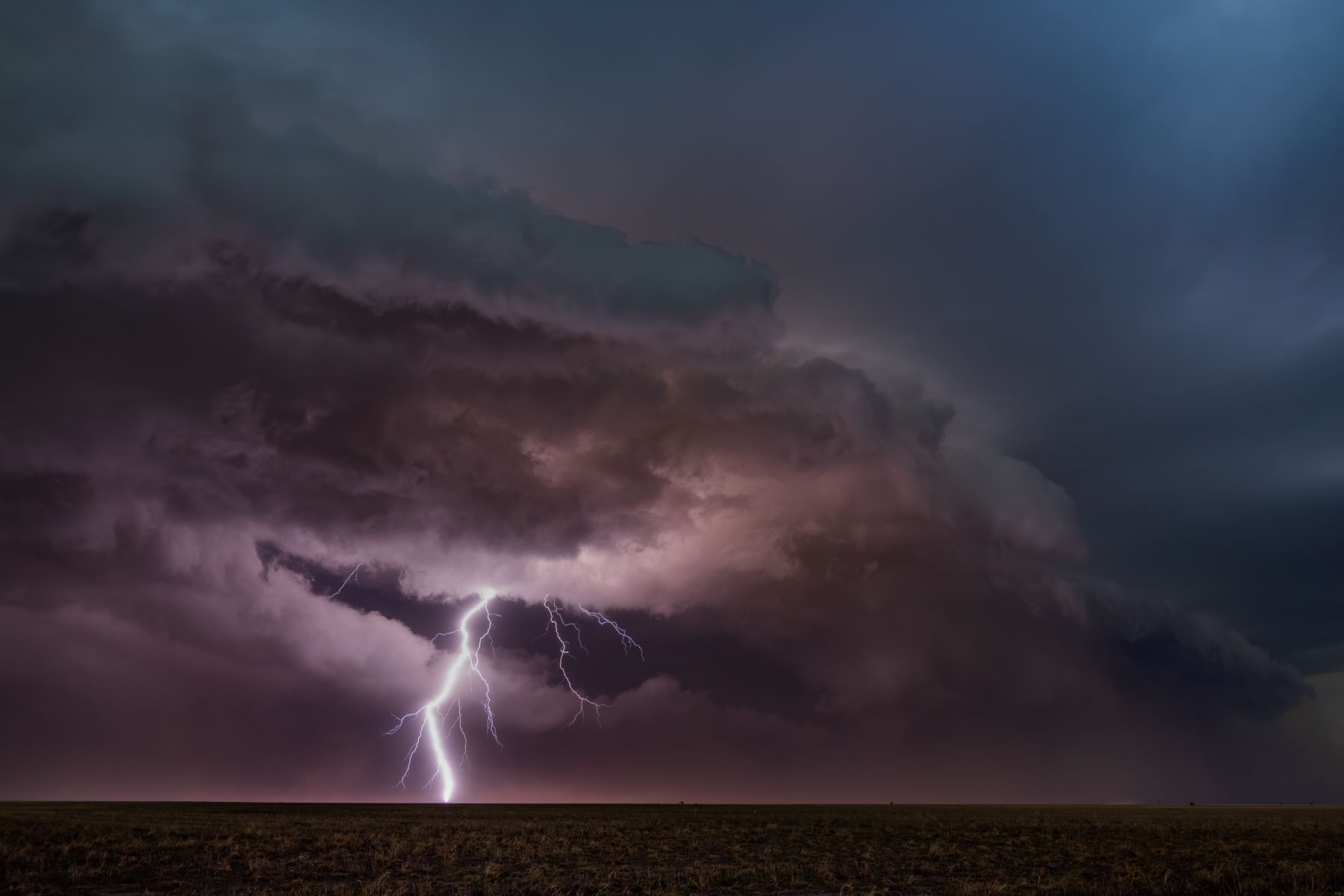
Logistics That Disappear Into the Background
One of the greatest challenges of photography travel is that the logistics rarely stop.
Driving unfamiliar roads, finding parking, navigating trail systems, coordinating meals, managing reservations, and keeping track of schedules all require attention. None of these tasks are impossible, but they compete directly with the creative process.
A photographer thinking about tomorrow's route is not fully focused on today's sunset.
A photographer worried about whether they will make it to sunrise on time is not completely present in the moment.
This is where thoughtful planning makes such a difference.
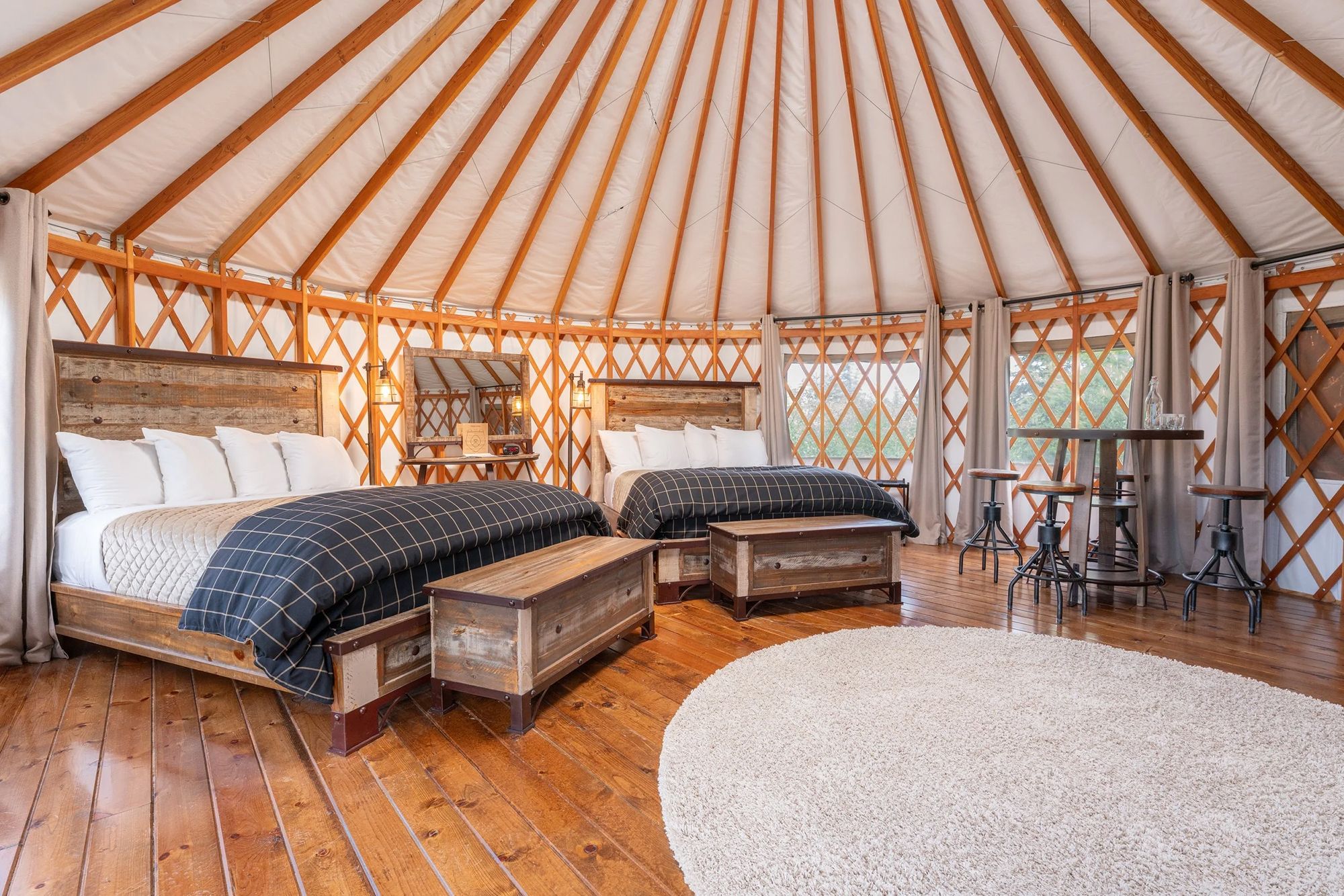
Transportation, lodging, meals, and daily schedules are not separate from photography. They support it. They create the foundation that allows photographers to conserve their energy for the moments that matter.
The goal isn't simply convenience.
The goal is protecting creativity.
Backup Plans Create More Opportunities
Experienced photographers understand that nature does not always cooperate.
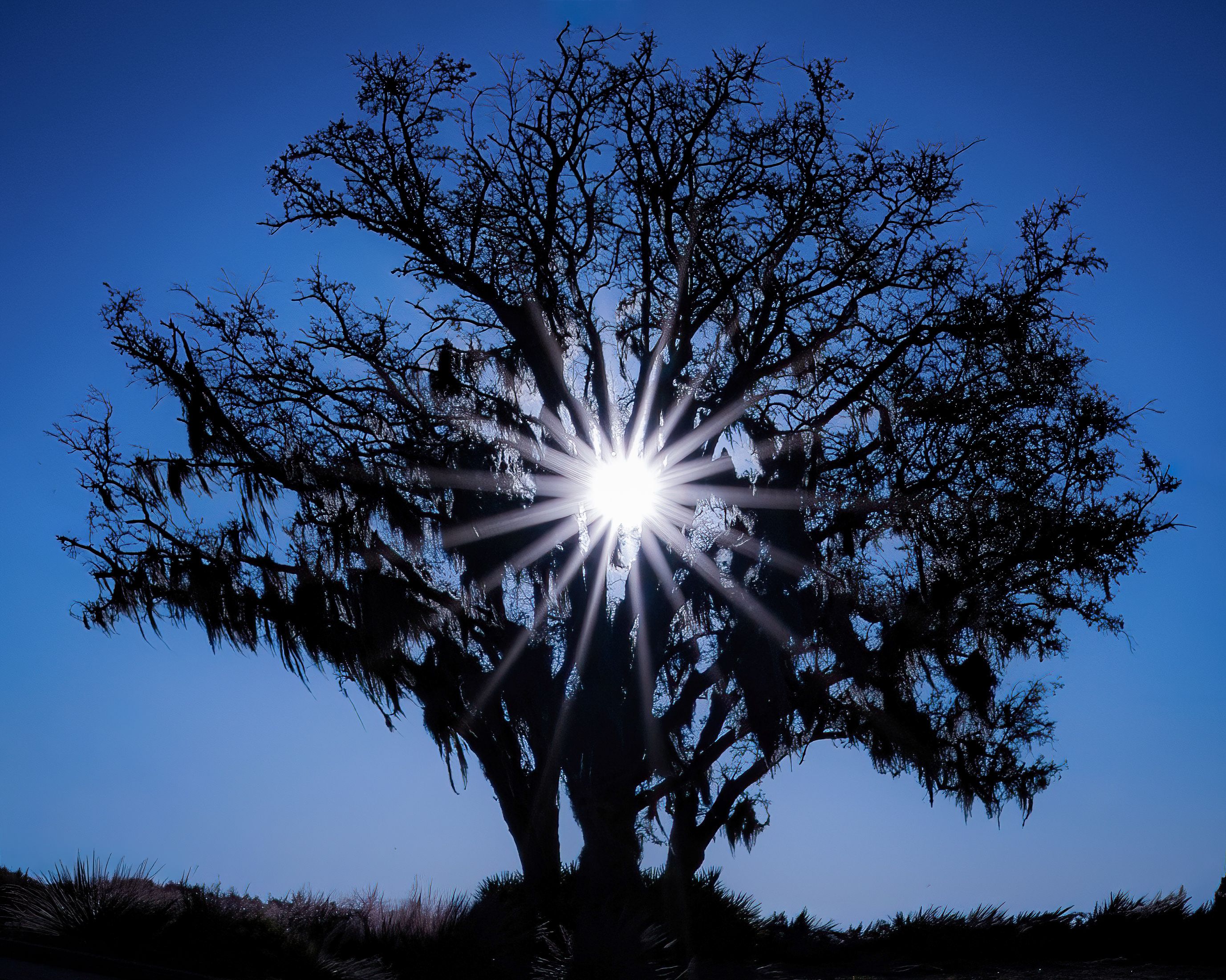
The mountain may disappear behind clouds. The sunrise may be flat. The wildlife may not appear where expected. A trail closure or changing road condition may require a completely different approach.
A successful photography experience is never dependent on a single plan.
Behind every great workshop is a collection of possibilities.
Alternative sunrise locations. Different viewpoints. Backup routes. Flexible schedules. Adjustments based on current conditions.
These alternatives are not signs that something went wrong.
They are signs that someone planned for reality.
The Guide's Role Is Connecting Every Piece
A great photography guide is not simply someone who knows camera settings.
They are the person connecting the entire ecosystem.
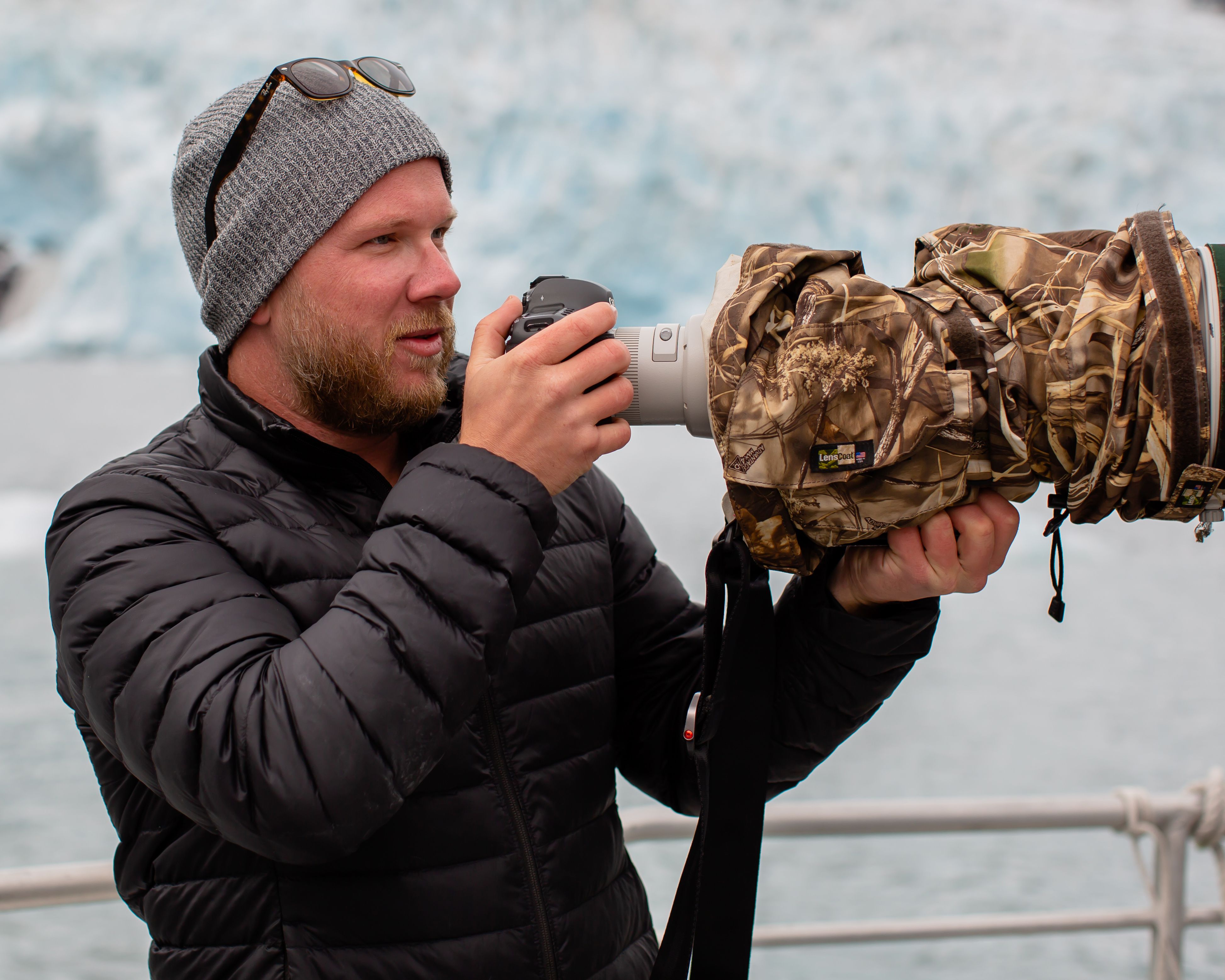
They understand the landscape, interpret the weather, communicate with local contacts, stay in touch with the office staff who manage logistics, adjust schedules, and help photographers recognize opportunities they might otherwise miss.
Most importantly, they create the space for photographers to focus on what they came to do.
Create.
When the planning is successful, guests don't spend their time thinking about all the pieces moving behind the scenes. They simply experience the destination fully and respond to the moments in front of them.
That is the true value of expertise.
Not just knowing what to do but knowing what needs to happen so others can do what they love.
The Freedom to Focus on Photography
The greatest benefit of a well-designed photography experience is not simply seeing more places.
It is having the freedom to see more deeply.
When logistics are handled, photographers have more energy to experiment. More patience to wait for the perfect moment. More awareness of subtle changes in light and composition. More ability to move beyond documenting a landscape and begin telling its story.
The final image may look simple.
A mountain. A forest. A coastline. A moment of light.
But behind that image is an entire ecosystem working together.
At Backcountry Journeys, we believe our role is to build that ecosystem; combining expert guides, thoughtful planning, local knowledge, and seamless logistics so photographers can spend less time managing a trip and more time creating photographs.
Because the best images don't happen by accident.
They happen when every element comes together.
And when that ecosystem is working exactly as it should, all that's left for the photographer to do is lift the camera and press the shutter.

We offer world-class travel photography
experiences around the world.
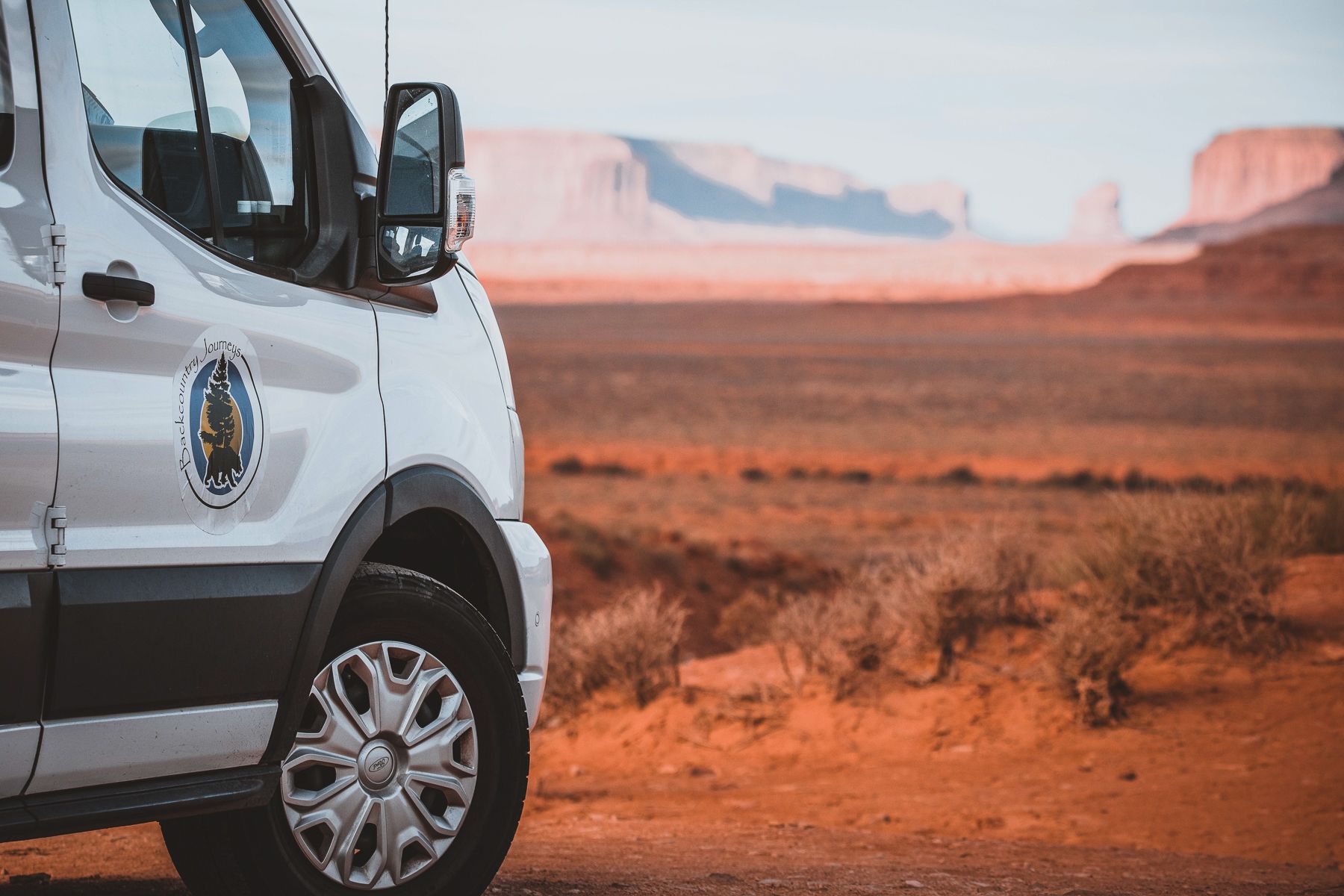
Each tour is bundled with lodging, meals, and transportation between workshops included, allowing you to focus on photography instead of the stress of traveling.
experiences around the world.
Each tour is bundled with lodging, meals, and transportation between workshops included, allowing you to focus on photography instead of the stress of traveling.
Get Our Trip Catalog
Receive a trip catalog that highlights all of our upcoming photo tours and workshops.Schedule a Trip Consultation
Meet with a photo experience coordinator, and experience a personal touch to your booking experience.Landscape Guide
Receive a FREE Landscape Cheat Sheet Written By a Pro Photographer.Webinars
Our regularly hosted webinars provide photography instruction from our own guides on a wide range of topics.Education Portal
Explore our library of articles that cover everything from common questions, to in-depth guides on how to achieve that perfect shot.
Backcountry Journeys
Connecting Passionate People To
Exceptional Experiences.
Exceptional Experiences.
Business Hours:
Mon-Fri, 8AM-4PM MT
928-478-1521
adventure@backcountryjourneys.com
Mon-Fri, 8AM-4PM MT
928-478-1521
adventure@backcountryjourneys.com
arrow_drop_down_circle
Divider Text
All Images & Content Are Property Of Backcountry Journeys Photography Tours, Workshops & Safaris LLC - Copyright 2026


About Us
Receive a Digital Trip Catalog
Find an upcoming photography tour with our interactive catalog.