2025 Travelers' Choice

About Backcountry Journeys
Why Choose Backcountry Journeys
If you're considering a photography trip, hear why Backcountry Journeys delivers the best experience in the industry.Frequently Asked Questions
If you're new to photography trips, or new to BCJ, you can find our common travel questions here.Fitness Levels
Our trips vary on physical intensity, and by reviewing our fitness levels, you can find out which trips may be more challenging, or aligned more closely with your comfort level.Meet The Crew
We've built an amazing team of experienced guides, and dedicated office staff that elevate your travel experience. Get to know their backgrounds, and hear their stories.Loyalty Program
We reward our frequent photo adventurers with exclusive discounts on amazing photography trips.Contact Us
If you need to get in touch with our office staff, or have additional business inquiries, you can find our information here.Refer a Friend
Know someone perfect for one of our tours? Recommend them through this quick form.Stay Up To Date On All Things
Backcountry Journeys
Backcountry Journeys
Our Photography Community
Our Webinars
Our regularly hosted webinars provide photography instruction from our own guides on a wide range of topics.Our Education Portal
Explore our library of articles that cover everything from common questions, to in-depth guides on how to achieve that perfect shot.Community Testimonials
We're proud to foster an amazing group of photo travelers, and here you can find their stories from their past adventures.Resources For Photographers
About Our Company
Resources For Photographers
About Our Company
The Emotional Impact of Seeing the Northern Lights for the First Time
Published June 3, 2026
There are few experiences in the natural world that live up to the anticipation surrounding them. The Northern Lights are one of them.
For many travelers, witnessing the aurora borealis is a lifelong dream. They've seen the photographs, watched the videos, and imagined what it must feel like to stand beneath ribbons of green and purple light dancing across an Arctic sky. Yet almost everyone who experiences it for the first time says the same thing:
"It's nothing like I expected."
Not because it falls short; but because no image, video, or description can truly prepare you for the moment it happens.
The Moment the Sky Comes Alive
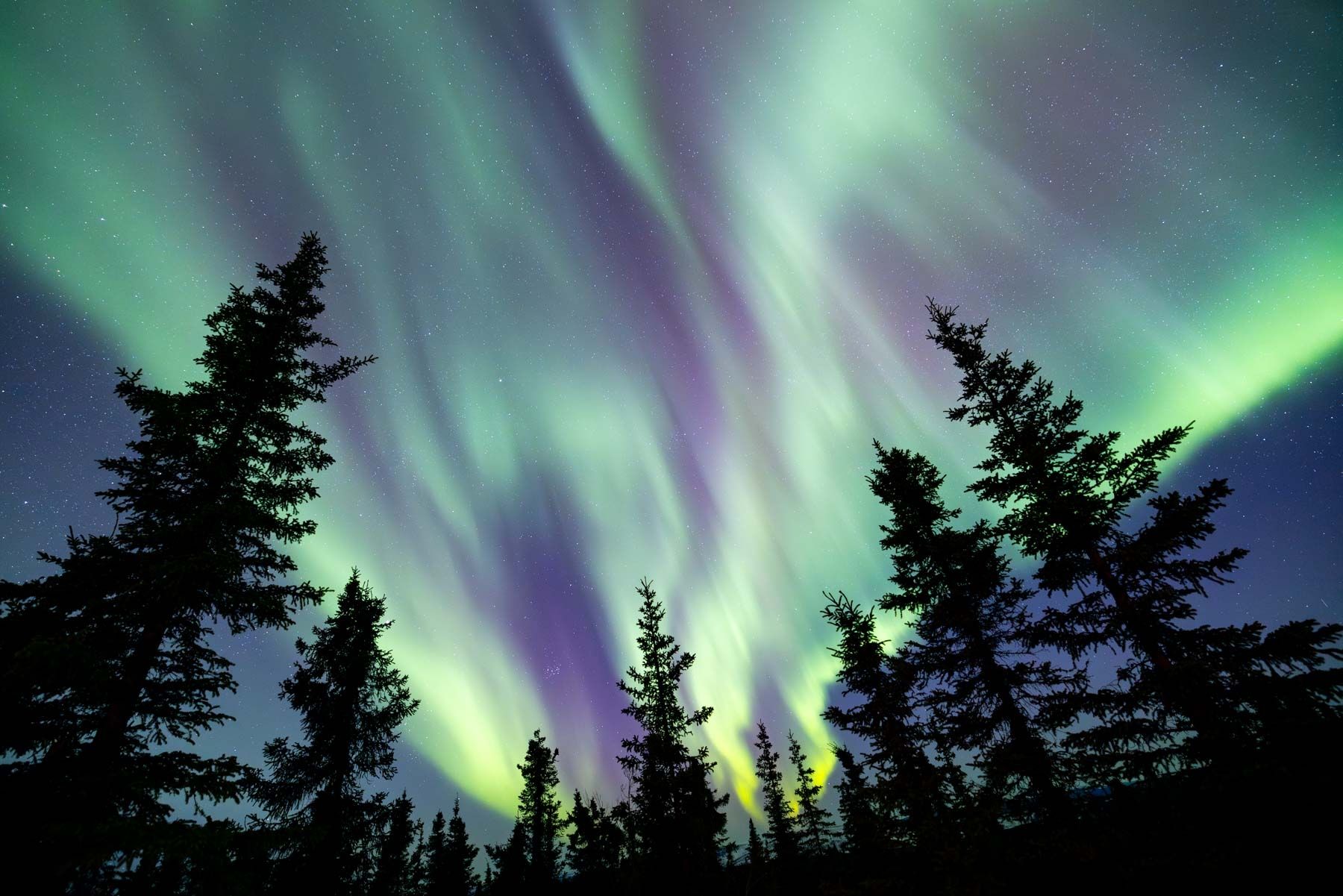
The landscape around you is dark. Snow smothers the sound, allowing for a deeper immersion of the sights yet to emerge. The stars seem impossibly bright, away from the light pollution of any nearby city. You glance upward every few moments, waiting for a sign that tonight might be the night. First, the only thing visible to the naked eye is the puffs of hot breath from the group, the sounds of teeth chattering punctuate the silence.
Then someone quietly says, "There it is."
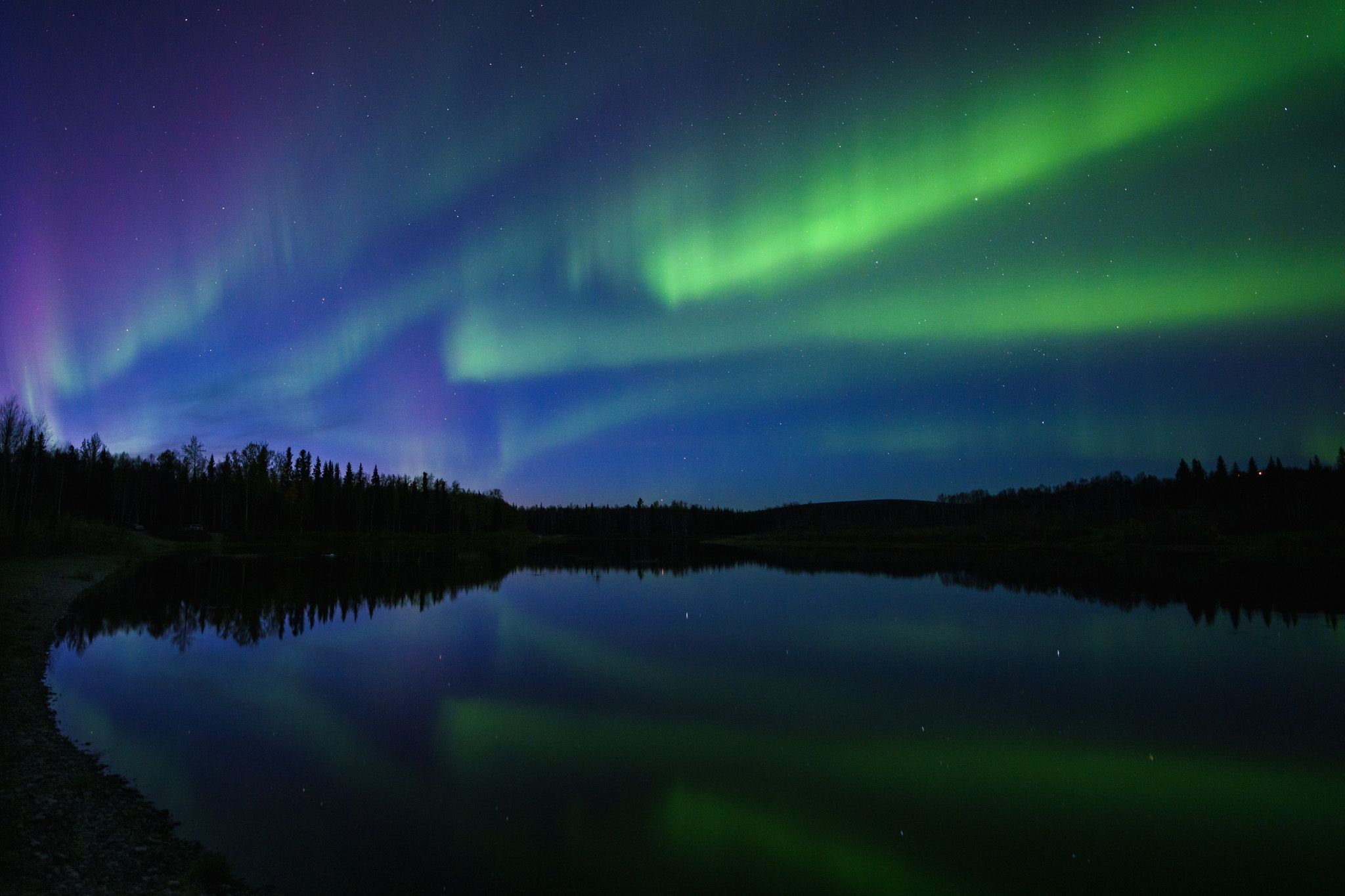
At first, it's subtle. A faint arc stretches across the horizon before you. You wonder if you're imagining it. Then the glow begins to strengthen. It expands. It moves with the electromagnetic tides, riding them like ocean waves.
Suddenly, the entire sky is alive.
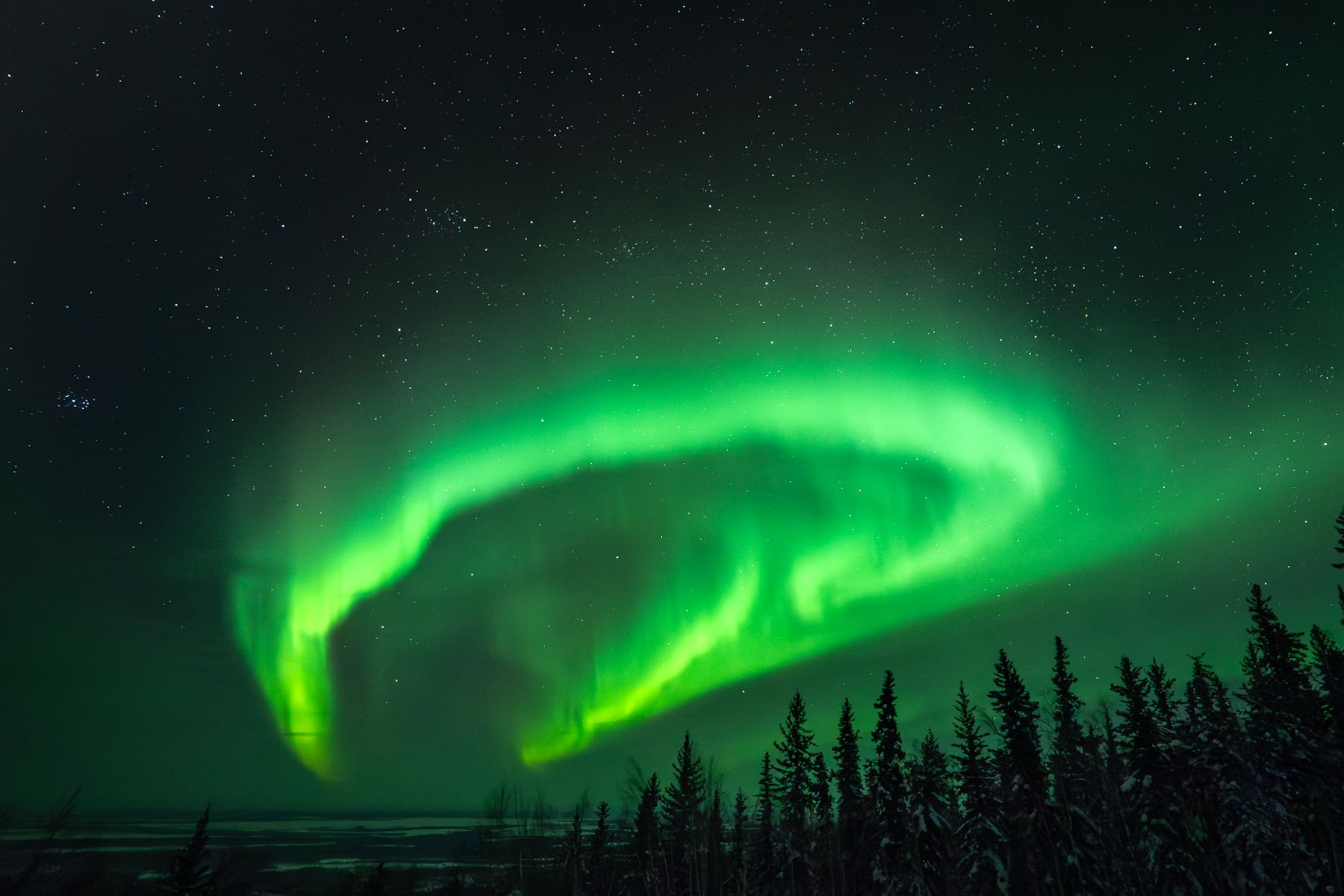
Green curtains ripple overhead. Waves of light pulse from one end of the horizon to the other. Purple and pink hues cusp the edges. What was once a static night sky transforms into a living, moving work of art.
For many first-time viewers, the reaction is surprisingly emotional.
Some laugh. Some cry. Some stand speechless.
Others simply stare upward, forgetting entirely about the camera around their neck.
More Than a Photography Opportunity
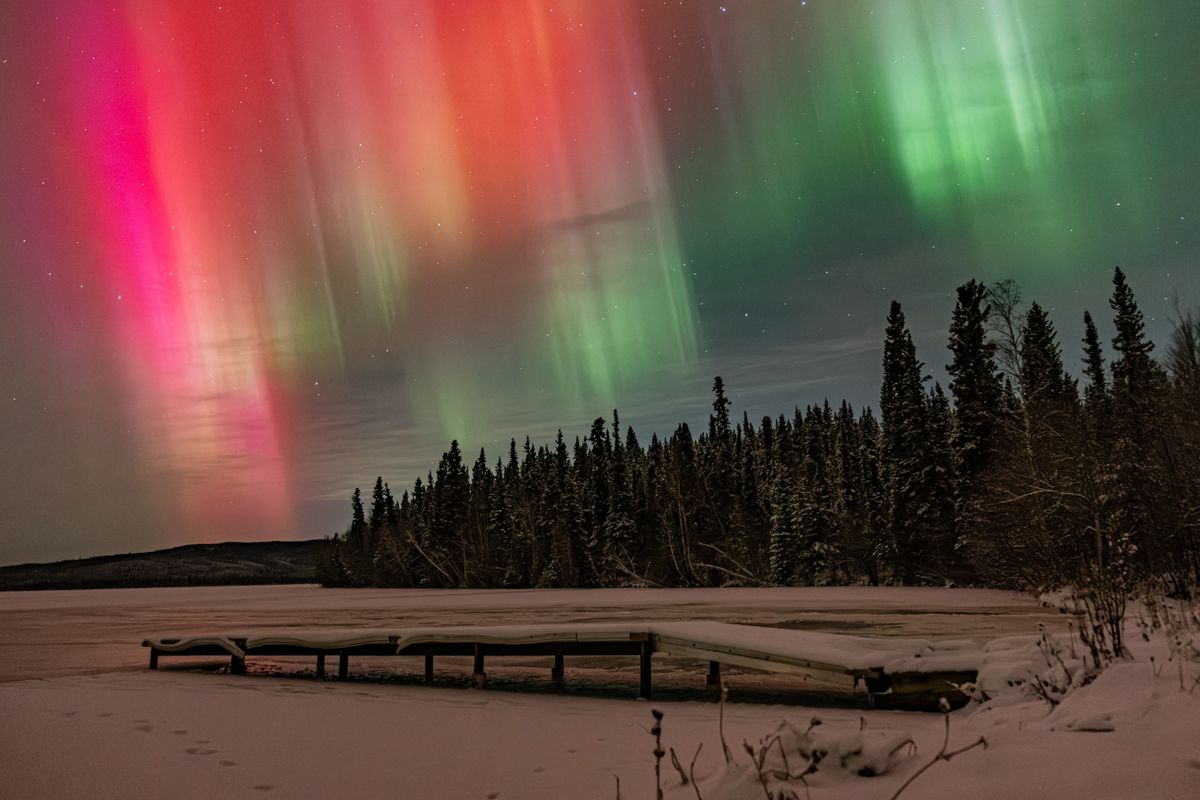
Photographers often arrive focused on capturing the perfect image. They study camera settings, lens choices, composition techniques, and weather forecasts. The goal is to come home with extraordinary photographs.
Yet what often surprises people most is how quickly photography becomes secondary to the experience itself.
There is something profoundly humbling about witnessing a phenomenon so vast and unpredictable. The aurora reminds us how small we are within the greater rhythms of the natural world. How minute our daily issues and problems are. The borealis is a bold reminder that science is magic; and sometimes we are lucky enough to perceive it in person and through our very eyes.
In an age where so much of life happens through screens, the Northern Lights demand your full attention. They cannot be rushed. They cannot be controlled. They simply appear; and when they do, everything else fades away.
The resulting photographs become more than beautiful images. They become reminders of a moment when time seemed to stop.
Why Sharing the Experience Matters
One of the unexpected joys of an aurora photography workshop is experiencing it alongside others.
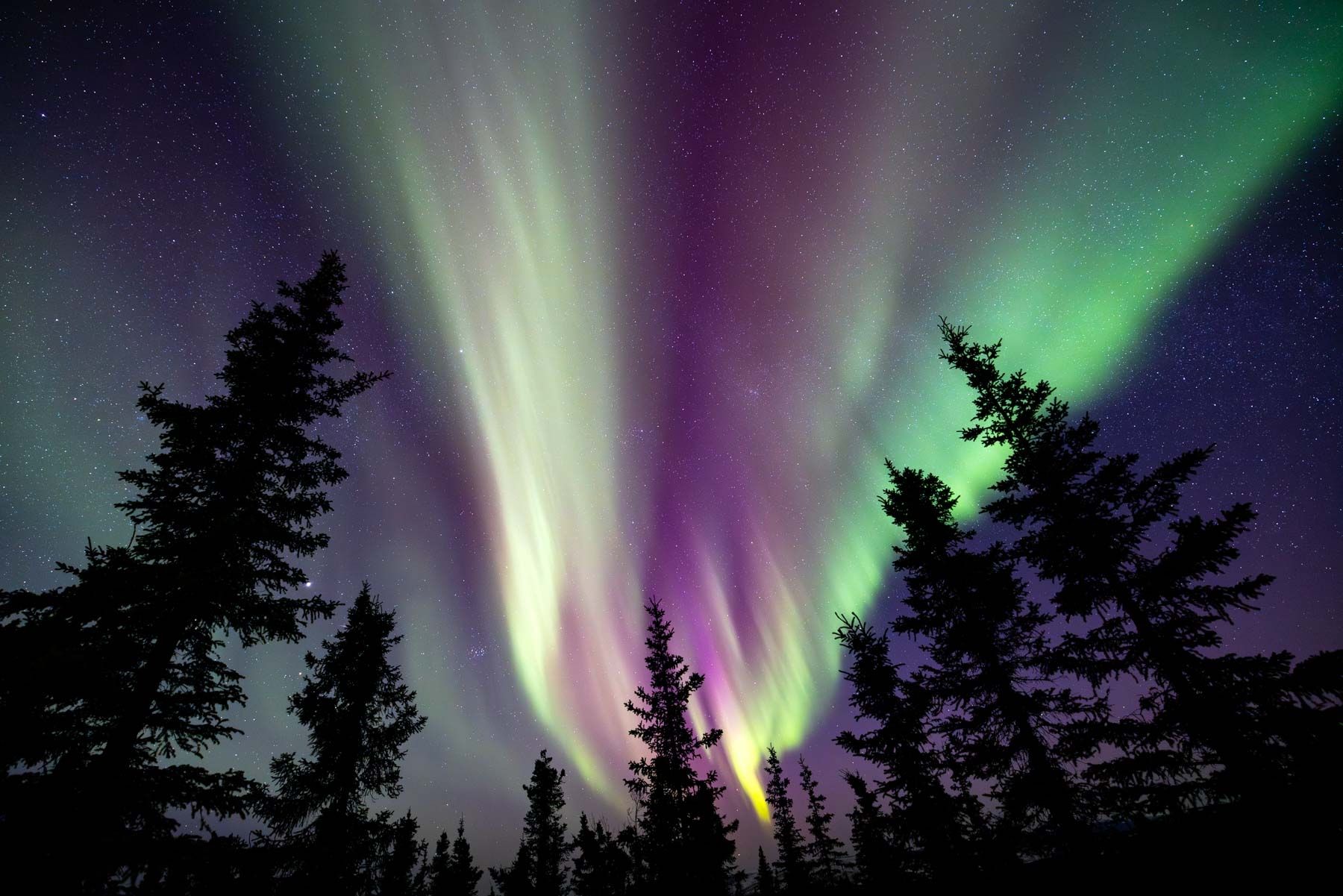
A group of photographers may begin the evening as strangers, each focused on their own gear and creative goals. But by the end of the night, they are exchanging stories, celebrating successful images, and reliving the moments when the lights suddenly exploded overhead.
There's a unique camaraderie that develops when people witness something extraordinary together.
The excitement is contagious. Every appearance of the aurora feels like a shared discovery. Every burst of color sparks a collective sense of wonder.
Years later, many travelers remember not only the lights themselves but also the people who stood beside them beneath the Arctic sky.
The Value of Having a Guide When the Magic Happens
The Northern Lights are exhilarating; but they can also be overwhelming for first-time photographers.
The lights move quickly. Conditions change. Camera settings that worked moments ago may suddenly need adjustment. In the excitement of the moment, it's easy to miss opportunities or struggle with technical challenges.
That's where having an experienced photography guide makes all the difference.
A skilled mentor helps remove the stress from the experience. They know where to position the group, how to adapt to changing conditions, and how to troubleshoot camera settings in the dark. More importantly, they help photographers stay present.
Instead of worrying about whether your focus is correct or your exposure is off, you can spend more time looking up.
You can experience the aurora while simultaneously learning how to capture it.
For many photographers, this combination of education and immersion is what transforms a great trip into a truly unforgettable one.
A Memory That Lasts Long After the Lights Fade
Long after the journey ends, the images remain.
Months later, you may find yourself scrolling through your photos on an ordinary Tuesday afternoon. You'll pause on a frame filled with swirling green light and instantly be transported back to that frozen Alaskan night. You'll remember the crunch of snow beneath your boots, the cloud of your breath hanging in the air. The quiet anticipation that settled over the group as everyone waited for the sky to awaken, and stretch it’s colorful limbs across the star-freckled skyline.
But the photographs are only part of the story.
What lingers most is the feeling. The moment the first ribbon of light appeared on the horizon. The collective gasp when the aurora suddenly exploded overhead. The way complete strangers stood shoulder-to-shoulder beneath the same sky, united by a sense of wonder that words could never quite capture. The photographs become keepsakes, but the memory itself lives somewhere deeper.
For many people, seeing the Northern Lights for the first time is not simply a travel experience or a photography opportunity.
It's a rare reminder that there are still places on Earth capable of stopping us in our tracks. Places where schedules, notifications, and everyday concerns dissolve into the darkness, replaced by something far older and far grander than us. Standing beneath a sky alive with color and movement, it's impossible not to feel connected; to nature, to the moment, and to the simple act of looking up.
And years from now, when the details of flights, hotels, and itineraries have faded, you'll remember exactly how it felt when the sky began to dance.
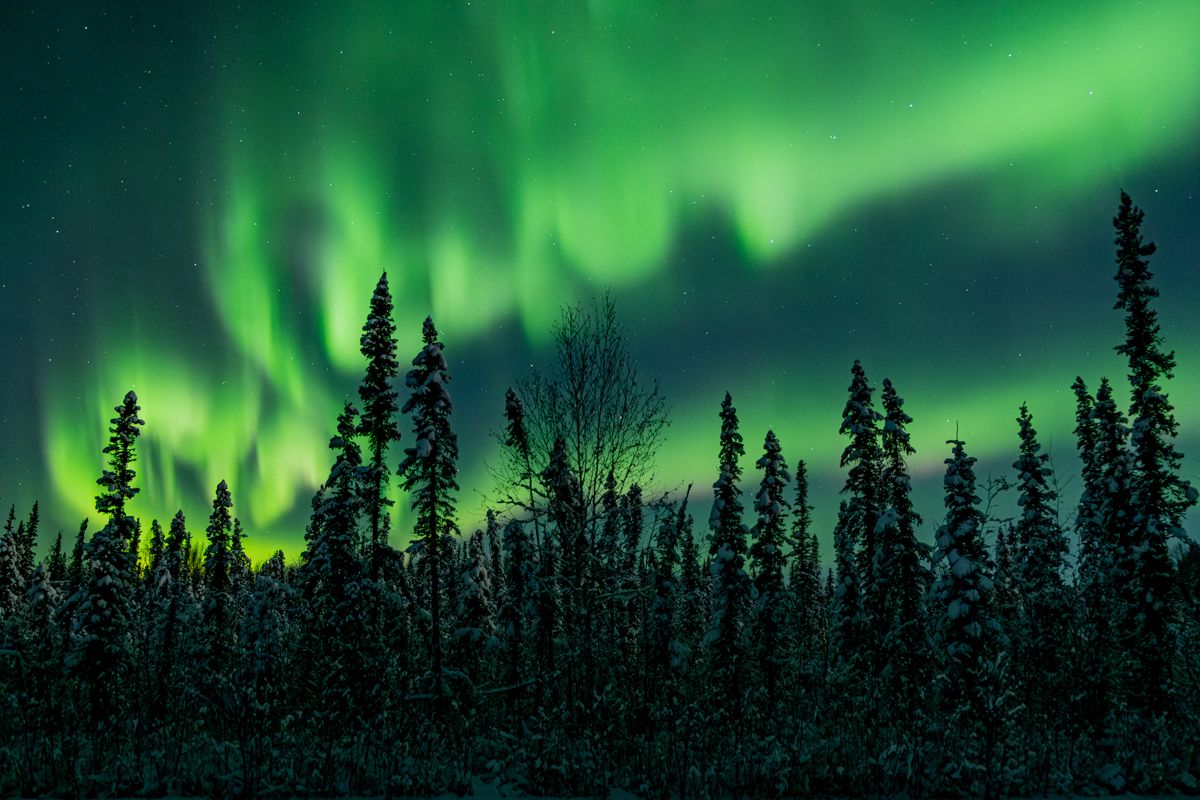
For those ready to experience these unforgettable displays firsthand, the Backcountry Journeys Ultimate Northern Lights Photography Workshop offers an extraordinary opportunity to explore Alaska’s interior alongside expert instructors who understand exactly how to maximize both aurora viewing and photographic success.
Because once you’ve stood beneath the Northern Lights as they move across the Alaskan sky — and captured them through your own lens — it’s an experience that stays with you long after you’ve returned home.
 Ultimate Northern Lights
 Lodge-Based Photo Workshop
From $5,995.00
Up To 7 Guests
Fitness Level 1 - What's This?
Wanna Get Away?
Starts
Current Price:$0.00
Start: Fairbanks, AK
Led By
Start: Fairbanks, AK
Led By

Backcountry Journeys
Connecting Passionate People To
Exceptional Experiences.
Exceptional Experiences.
Business Hours:
Mon-Fri, 8AM-4PM MT
928-478-1521
adventure@backcountryjourneys.com
Mon-Fri, 8AM-4PM MT
928-478-1521
adventure@backcountryjourneys.com
arrow_drop_down_circle
Divider Text
All Images & Content Are Property Of Backcountry Journeys Photography Tours, Workshops & Safaris LLC - Copyright 2026


About Us
Receive a Digital Trip Catalog
Find an upcoming photography tour with our interactive catalog.