2025 Travelers' Choice

About Backcountry Journeys
Why Choose Backcountry Journeys
If you're considering a photography trip, hear why Backcountry Journeys delivers the best experience in the industry.Frequently Asked Questions
If you're new to photography trips, or new to BCJ, you can find our common travel questions here.Fitness Levels
Our trips vary on physical intensity, and by reviewing our fitness levels, you can find out which trips may be more challenging, or aligned more closely with your comfort level.Meet The Crew
We've built an amazing team of experienced guides, and dedicated office staff that elevate your travel experience. Get to know their backgrounds, and hear their stories.Loyalty Program
We reward our frequent photo adventurers with exclusive discounts on amazing photography trips.Contact Us
If you need to get in touch with our office staff, or have additional business inquiries, you can find our information here.Refer a Friend
Know someone perfect for one of our tours? Recommend them through this quick form.Stay Up To Date On All Things
Backcountry Journeys
Backcountry Journeys
Our Photography Community
Our Webinars
Our regularly hosted webinars provide photography instruction from our own guides on a wide range of topics.Our Education Portal
Explore our library of articles that cover everything from common questions, to in-depth guides on how to achieve that perfect shot.Community Testimonials
We're proud to foster an amazing group of photo travelers, and here you can find their stories from their past adventures.Resources For Photographers
About Our Company
Resources For Photographers
About Our Company
Trip Report: Snow Leopard Quest - January 2026
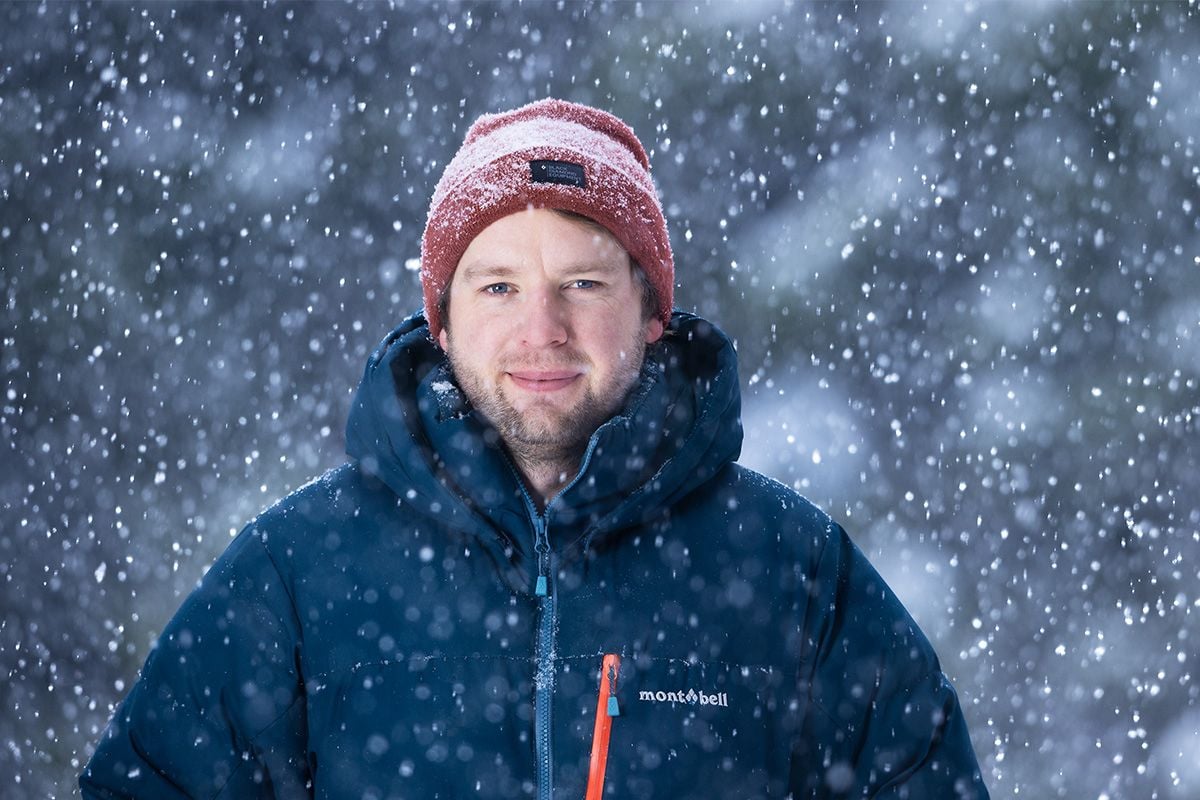
Published July 22, 2026
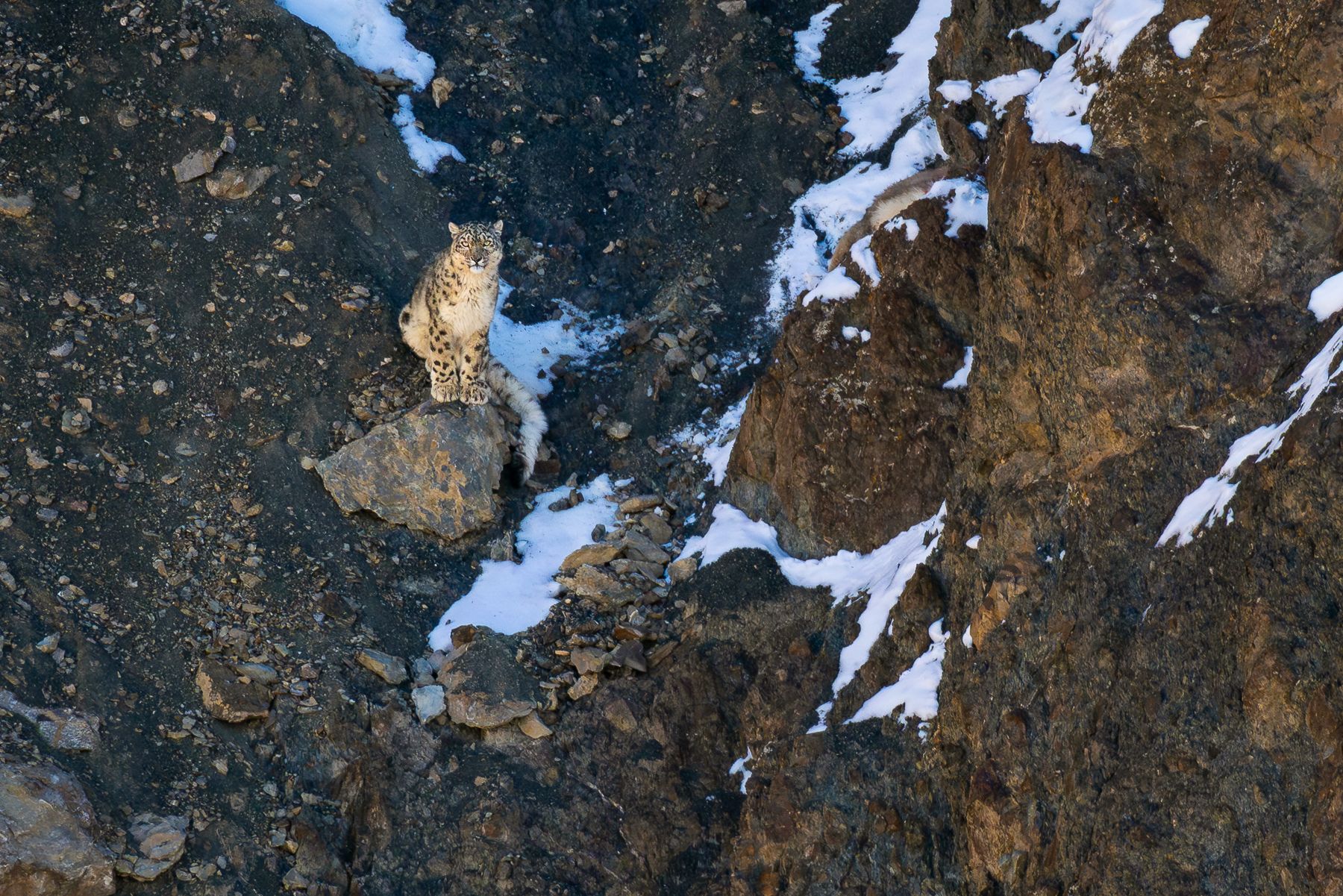
High in the Indian Himalaya, the air is thin and cold. The mountains stretch high above us and prayer flags dot the landscape. We have come all the way to the top of the world to view one of earths most elusive predators: the snow leopard.
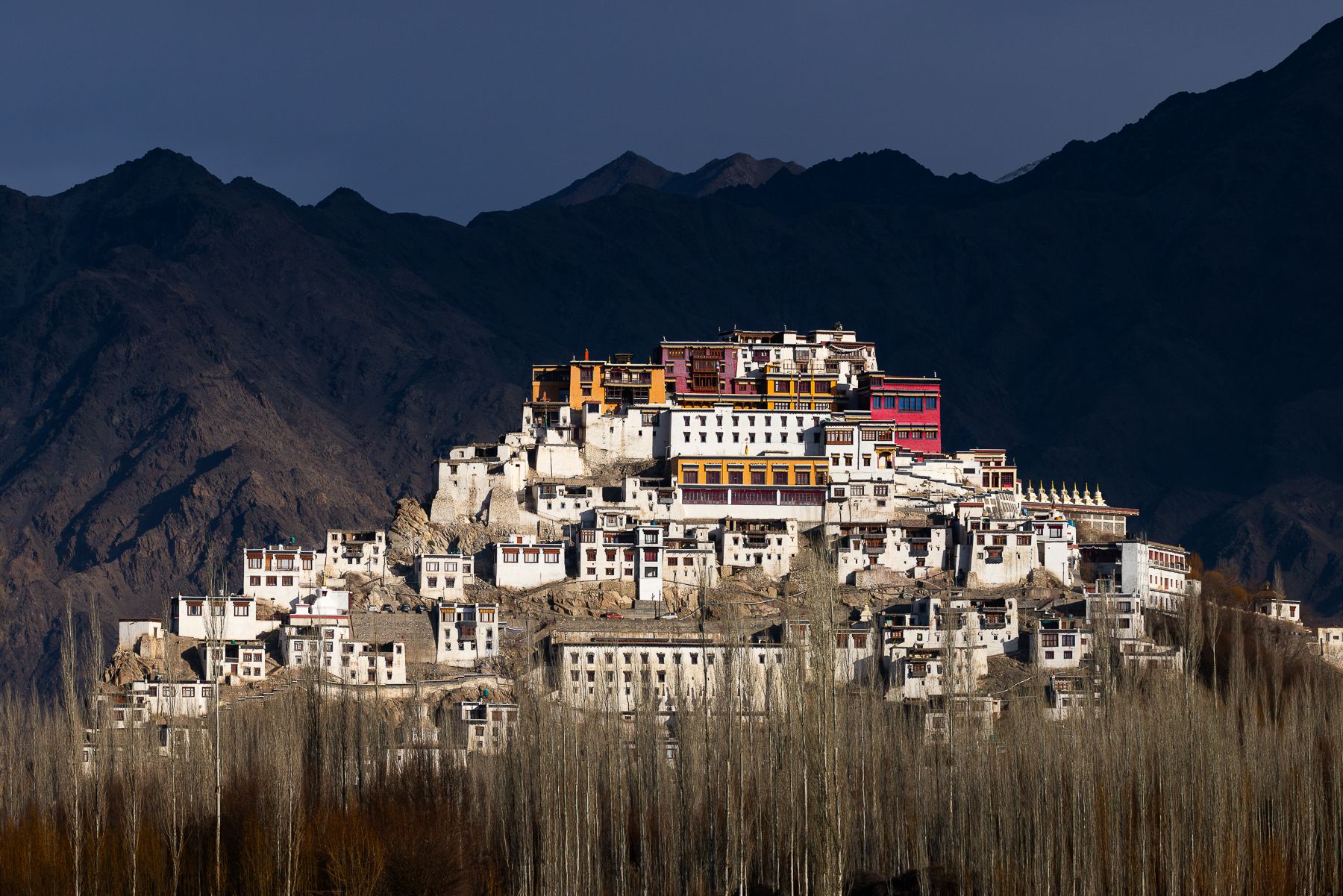
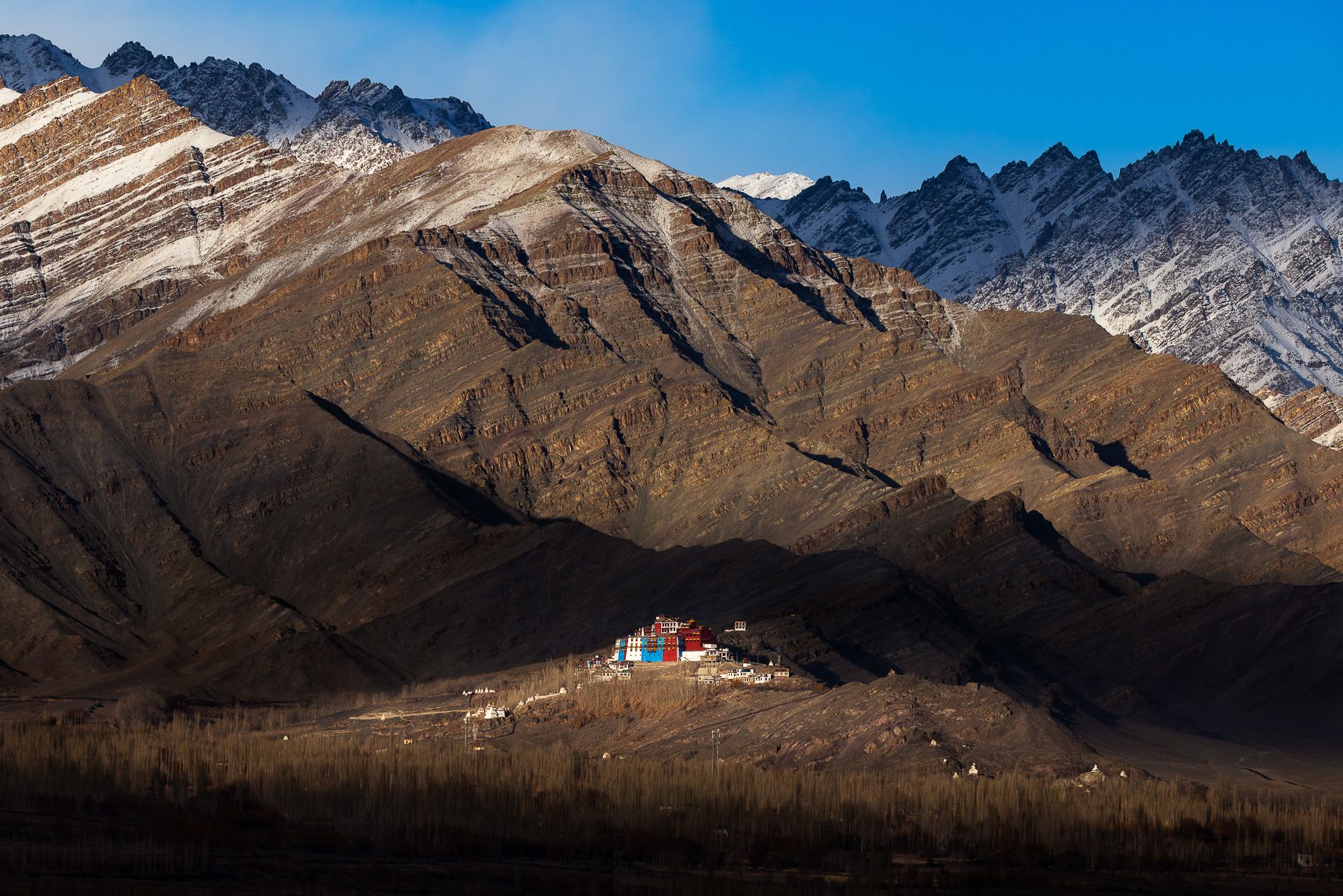
Our group convened in Delhi, eager to board a plane and trade the chaos of the city for the quietness of the alpine. Upon arrival in Leh, we settled into our excellent accommodations for two days of rest and acclimatization. At these altitudes, this is a critical step for ensuring a successful trip. While laying low in Leh, we were able to visit the Thiksey Monastery for the morning prayer ritual. This was such special experience for our group to be able to sit inside while the monks said their prayers.
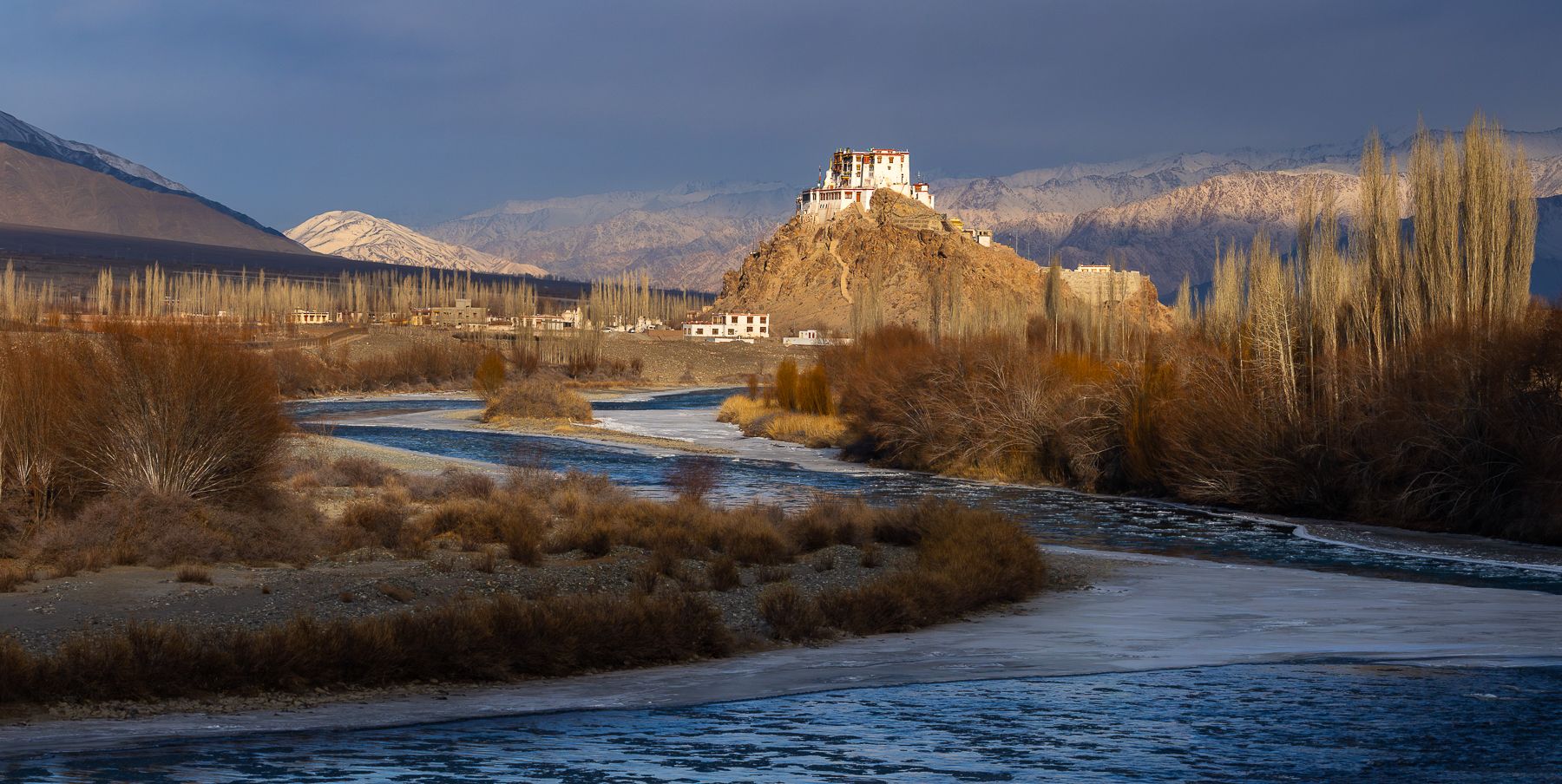
With everyone rested and used to the thin air, it was time to move up to camp. Our local team warned us that the call for a snow leopard could come at any time, but barring any news we would head straight to camp. We slowly made our way out of the city and toward the mountains. We stopped in two locations to take photos of different monasteries in the early morning light. After our second stop, Rigzin, our local guide, called me over to tell me: there had been a snow leopard sighting. The sighting was in the opposite direction of camp, but our team is so good about making sure the leopards take priority. So off we went in hunt of the ghost of the mountains.
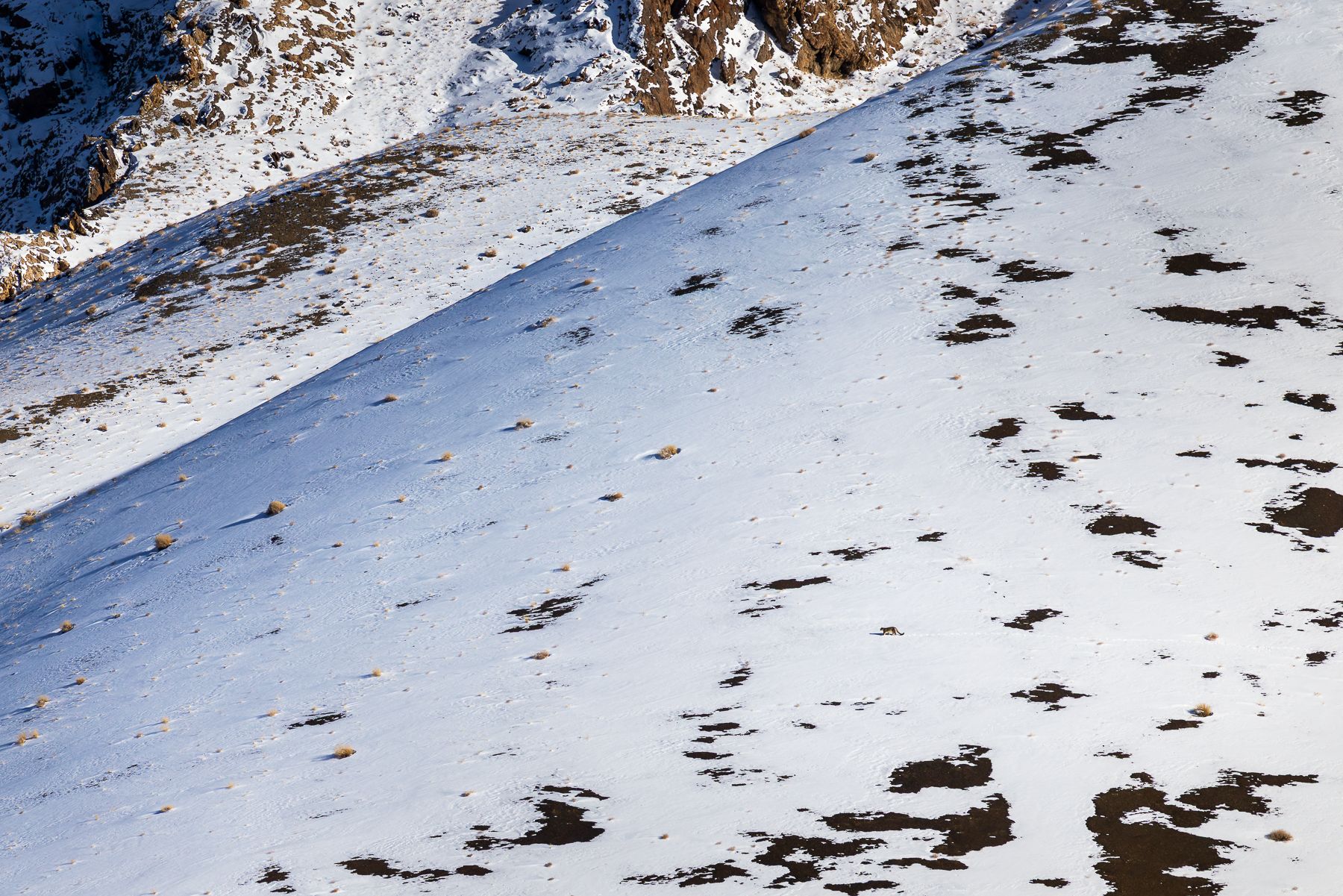
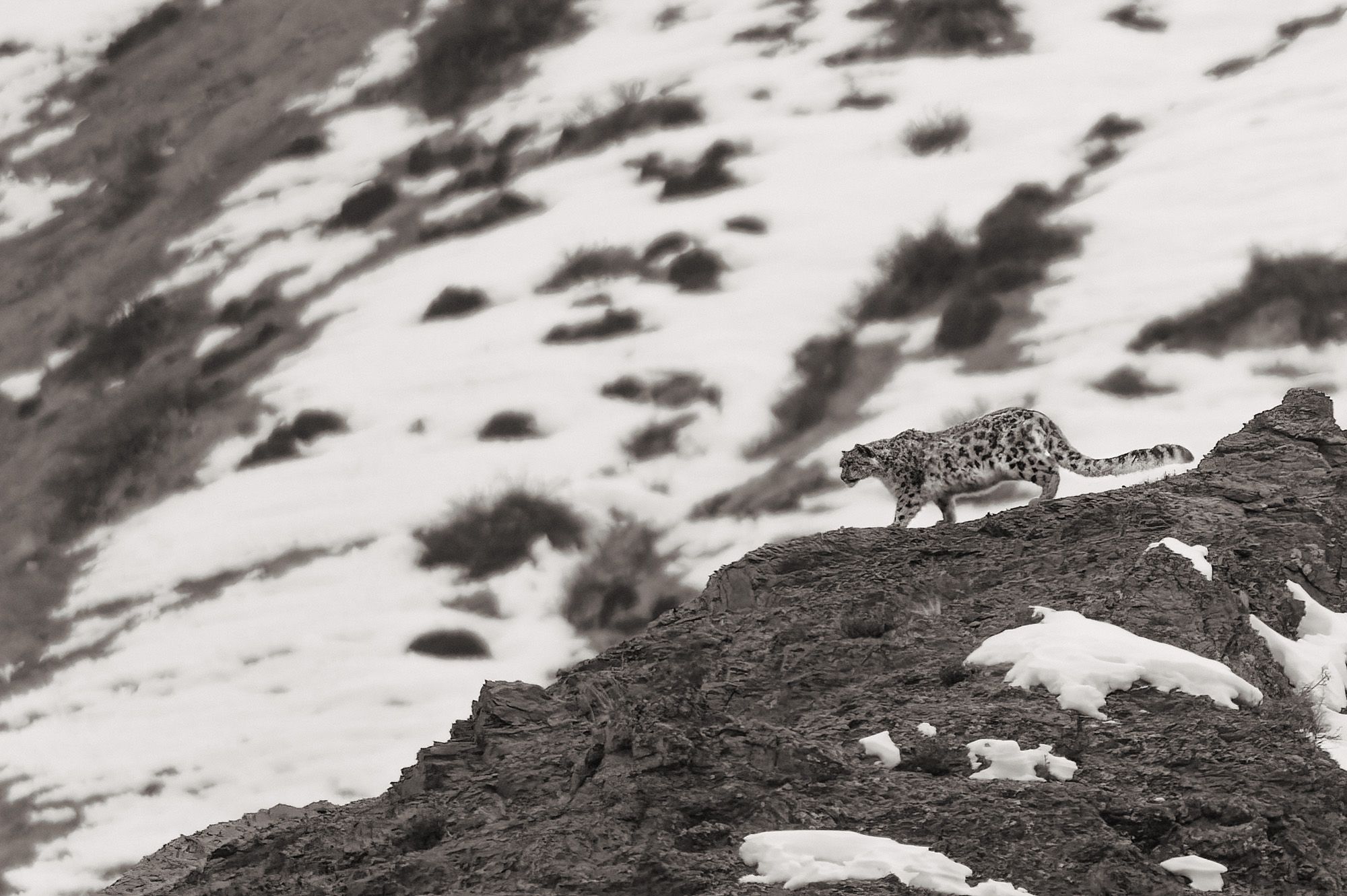
When we arrived, there were a few people set up on scopes. I scanned the mountainside, but my untrained eyes struggled to find anything. Our spotters on the other hand, had no trouble locating a mother with two young cubs just across the valley. Peering through the scope, I saw a subtle shift. What looked like stone came alive. Through the lens, the ghost emerged. Thick fur rippling in the wind, a long tail balancing effortlessly as it moved across near-vertical terrain.
Day one and we had eyes on three wild snow leopards! It was a great start to the trip and the excitement levels were high. We were able to spend the rest of the day with these cats as they soaked up the sun high on their rocky perches.
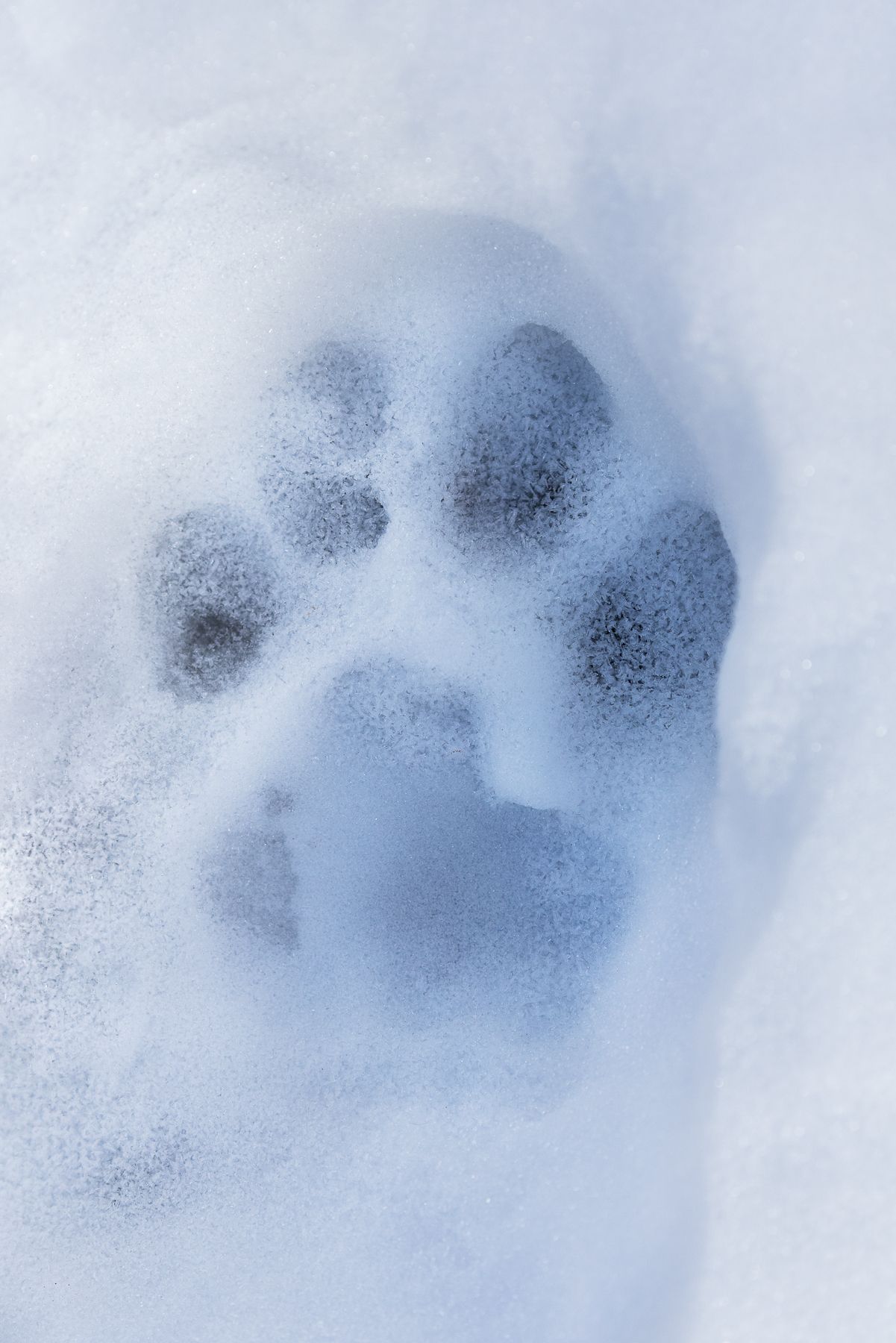
That night we finally made the long journey to camp with full memory cards and a sense of accomplishment. The remote camp we stay at is tucked deep into an alpine valley where a handful of families have homes. The camp is incredibly comfortable with all the amenities you could hope for at 12k feet. The entire staff here is as friendly and customer orientated as anywhere we travel and it is always a treat to see them all again. As soon as we walked into the dining area, we were greeted with my favorite: ginger honey lemon teas. A staple of the Indian Himalaya!
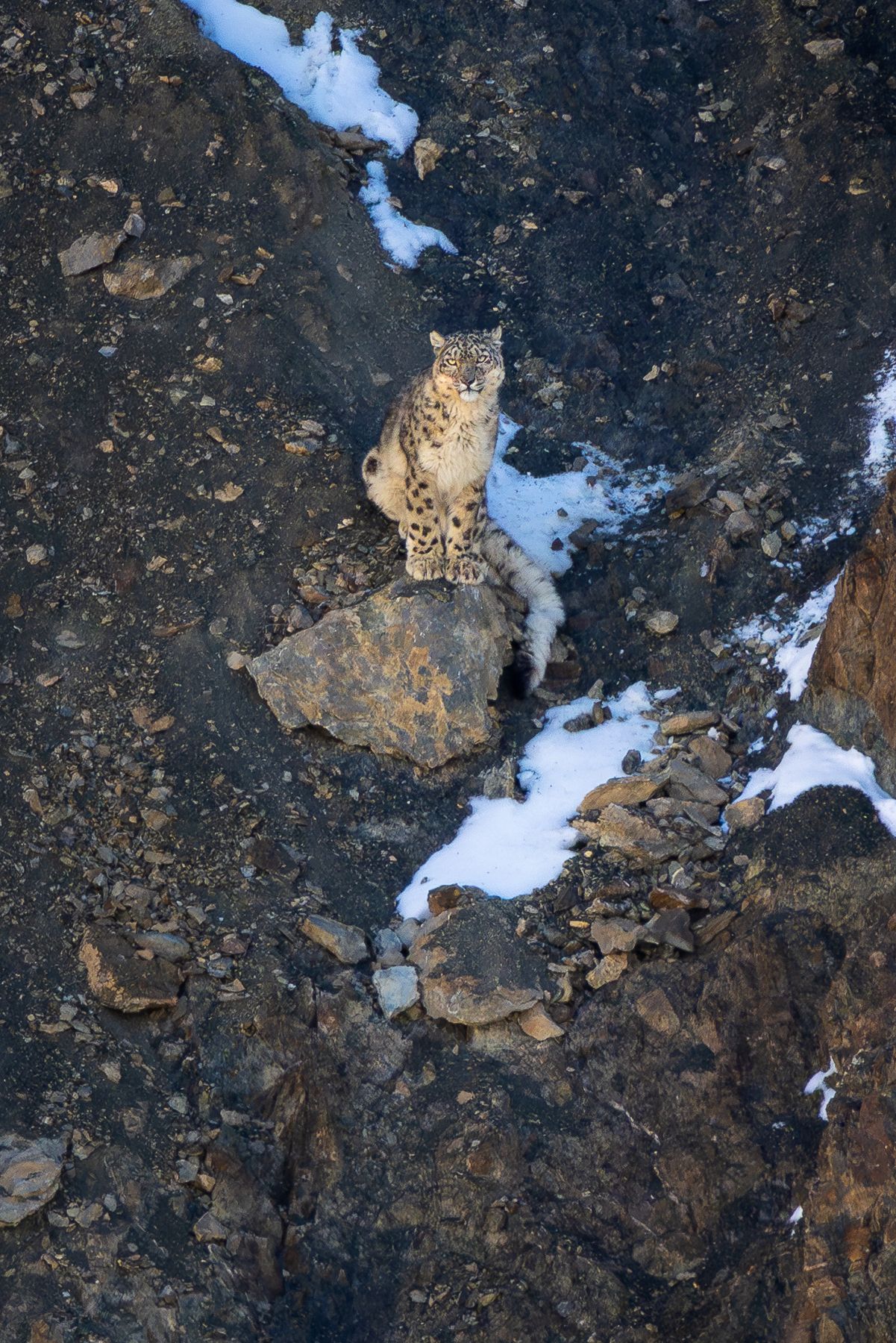
Once at camp, our days would follow a similar schedule. The spotters were out the door in the predawn light to start scanning. We would enjoy some hot drinks and breakfast and wait for news from the mountains. Our luck continued when the report came in about a different mother and cubs who were on a ridge just ten min camp. We watched as the two young cubs ran across the hillside playing with each other like a couple of house cats. What a treat to witness this kind of behavior in the wild.
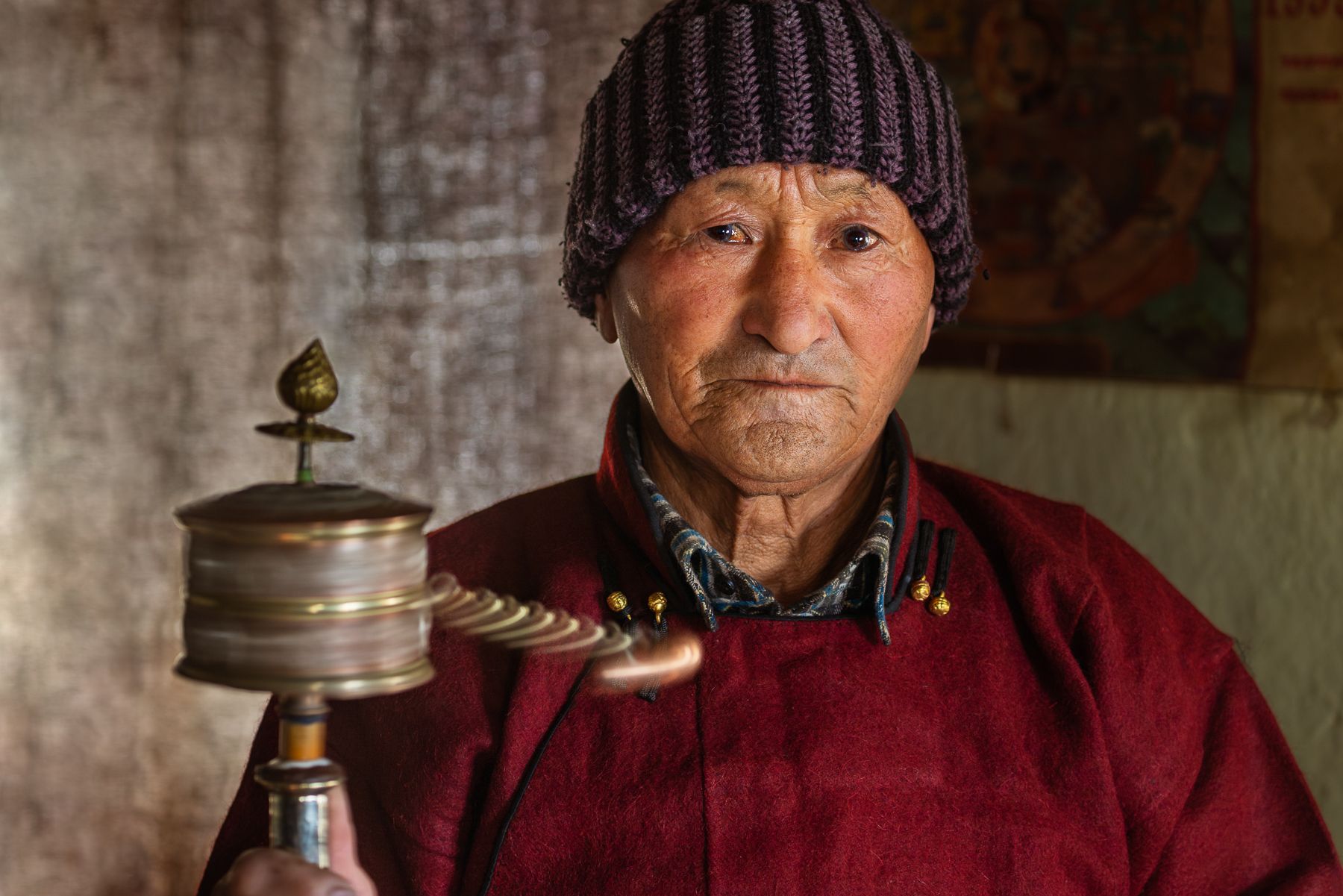
In-between snow leopards, we were able to visit a couple of different homes of the people that live in this mountain valley. They were so kind to invite us in and show us their way of life. It has been a generational struggle to raise livestock in snow leopard country. Thanks to many different conservation efforts and community programs, these people manage to coexist with the predators. I think everyone in the group appreciated this closer look at the culture and lives of people here.
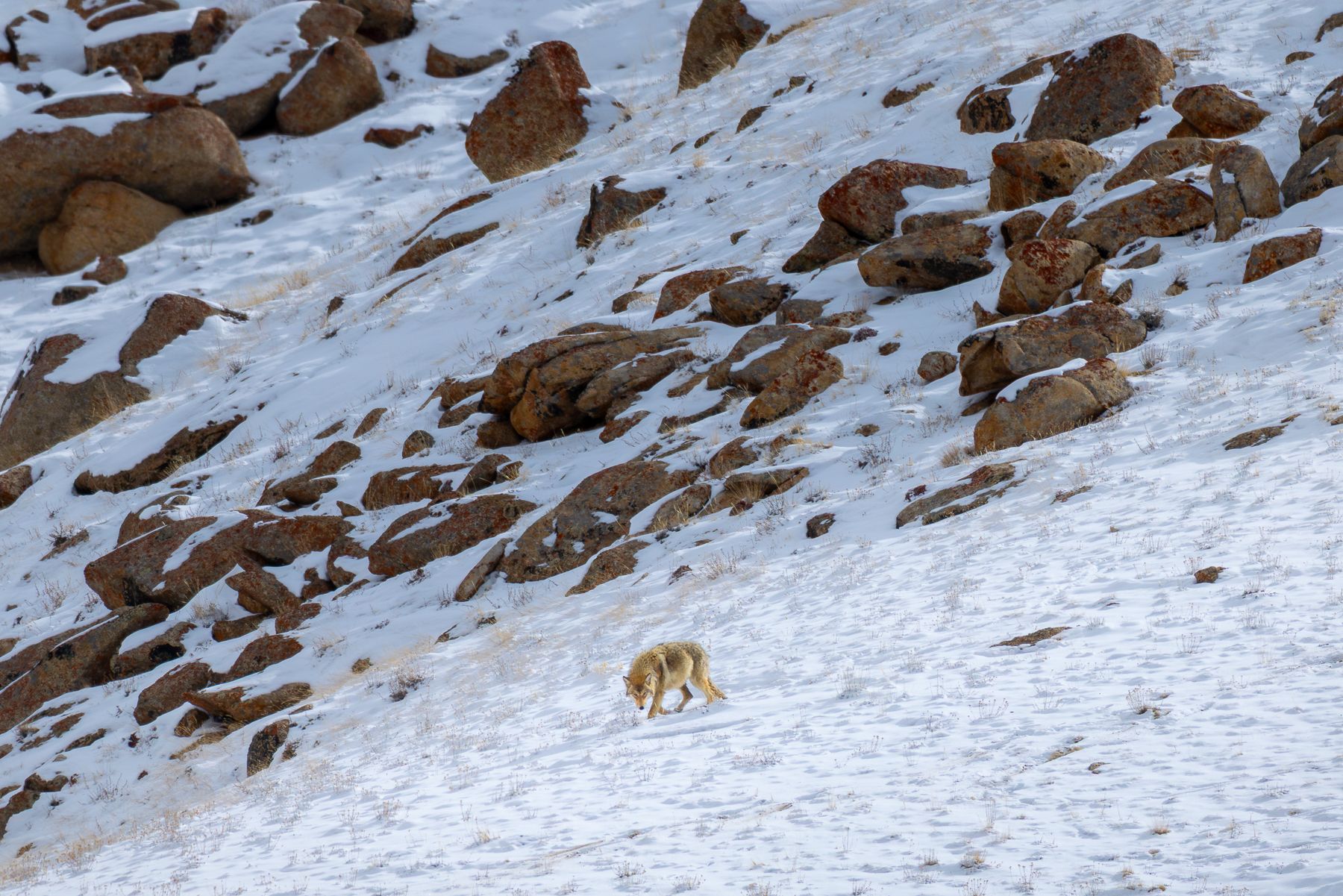
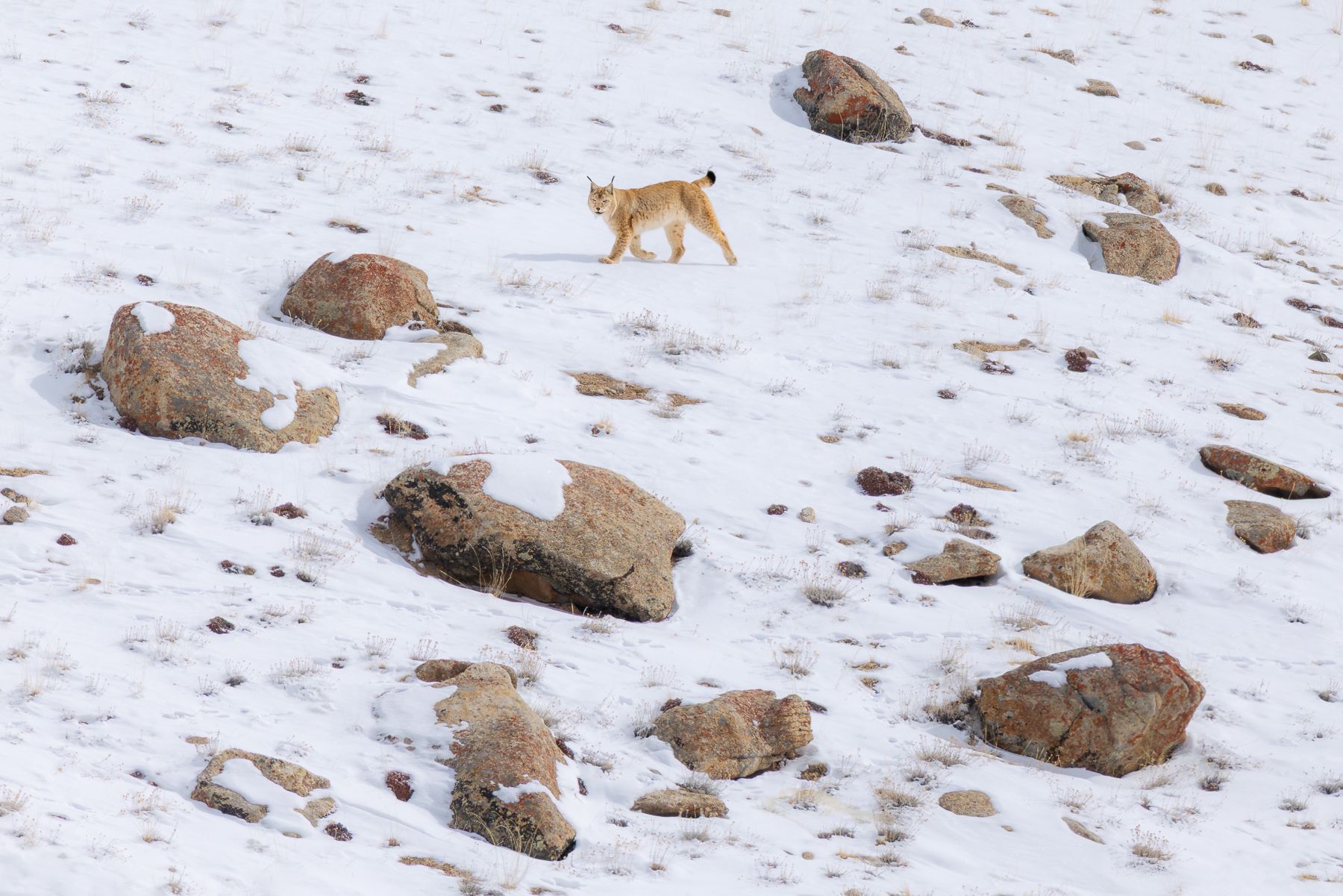
After several days of chasing leopards both in and out of our little valley, we decided to make the journey up to Warila Pass. This mountain pass is the 13th highest road in the world, topping out at 17,429 feet above sea level. Our spotters left very early to get a start at scanning the ridges and skylines. When we arrived, they had not only spotted a Himalayan wolf, but also a Eurasian Lynx. We excitedly got our gear out and began shooting. We were able to follow the lynx for a few hours photographing him as it crossed the landscape looking for hares. After the lynx finally disappeared, we finished the drive to the top of the pass to the high point for the trip.
As I reflected on this adventure, I keep returning to the relationship between the snow leopard and the mountains. It amazes me how well adapted the snow leopard is to these incredibly hostile environments. The altitude, weather, temperatures and geography make these peaks a challenging place to live, yet the snow leopard thrives here. They move so fast and efficiently through vertical terrain. They blend into their surroundings and can disappear in an instant. To see one of these ghosts cats is a real honor. So few people will ever see one in the wild and I know I can speak for our group when I say we didn’t take the experience for granted. Thank you to the wonderful team at camp and all the guests who came and made the experience memorable. Looking forward to the next adventure!
 Snow Leopard Quest
 Lodge-Based Photo Tour
From $12,995.00
Up To 10 Guests
Fitness Level 2 - What's This?
Wanna Get Away?
Starts
Current Price:$0.00
Start: New Delhi, India
Led By
Start: New Delhi, India
Led By

Backcountry Journeys
Connecting Passionate People To
Exceptional Experiences.
Exceptional Experiences.
Business Hours:
Mon-Fri, 8AM-4PM MT
928-478-1521
adventure@backcountryjourneys.com
Mon-Fri, 8AM-4PM MT
928-478-1521
adventure@backcountryjourneys.com
arrow_drop_down_circle
Divider Text
All Images & Content Are Property Of Backcountry Journeys Photography Tours, Workshops & Safaris LLC - Copyright 2026


About Us
Receive a Digital Trip Catalog
Find an upcoming photography tour with our interactive catalog.