2025 Travelers' Choice

About Backcountry Journeys
Why Choose Backcountry Journeys
If you're considering a photography trip, hear why Backcountry Journeys delivers the best experience in the industry.Frequently Asked Questions
If you're new to photography trips, or new to BCJ, you can find our common travel questions here.Fitness Levels
Our trips vary on physical intensity, and by reviewing our fitness levels, you can find out which trips may be more challenging, or aligned more closely with your comfort level.Meet The Crew
We've built an amazing team of experienced guides, and dedicated office staff that elevate your travel experience. Get to know their backgrounds, and hear their stories.Loyalty Program
We reward our frequent photo adventurers with exclusive discounts on amazing photography trips.Contact Us
If you need to get in touch with our office staff, or have additional business inquiries, you can find our information here.Refer a Friend
Know someone perfect for one of our tours? Recommend them through this quick form.Stay Up To Date On All Things
Backcountry Journeys
Backcountry Journeys
Our Photography Community
Our Webinars
Our regularly hosted webinars provide photography instruction from our own guides on a wide range of topics.Our Education Portal
Explore our library of articles that cover everything from common questions, to in-depth guides on how to achieve that perfect shot.Community Testimonials
We're proud to foster an amazing group of photo travelers, and here you can find their stories from their past adventures.Resources For Photographers
About Our Company
Resources For Photographers
About Our Company
When Is AI Autofocus Worth It? Exploring the Sony a7R VI for Landscape and Wildlife Photography
Published November 6, 2026
Understanding AI Autofocus in Modern Cameras
Modern mirrorless cameras are changing how photographers approach focus. AI-powered autofocus uses subject recognition to identify animals, birds, people, and other supported subjects, helping the camera track movement and maintain focus in real time.
Rather than relying solely on a manually selected focus point, photographers can let the camera recognize a subject while concentrating on composition, lighting, and timing.
The real value of this technology depends on the type of photography you do and how often your subjects move unpredictably!
Why AI Autofocus Excels at Wildlife Photography
For wildlife photographers, AI recognition can be a significant advantage. Animals rarely stay still, and moments like a bald eagle diving toward water or a fox disappearing into tall grass leave little time to adjust focus manually.
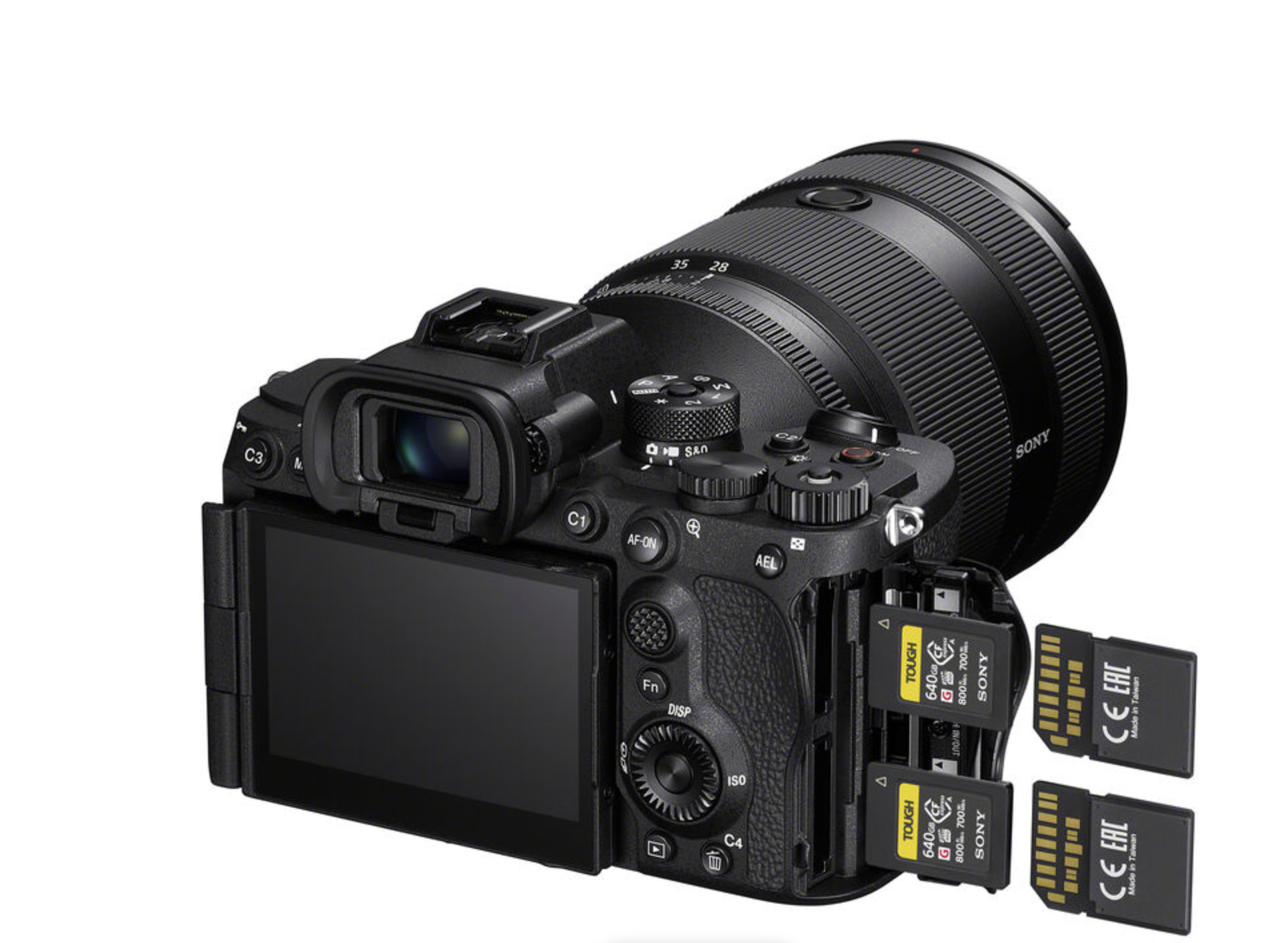
Subject recognition helps the camera identify and track supported animals, while continuous autofocus and high-speed shooting improve the chances of capturing fleeting behavior.
Features like Pre-Capture can also help record moments that happen just before the shutter is fully pressed. These tools allow photographers to spend less time managing focus and more time anticipating the shot.
Does Landscape Photography Need AI Recognition?
Landscape photography presents a different challenge. Static mountain scenes, coastlines, and architectural compositions often benefit more from deliberate focus placement, manual focus, or focus stacking than predictive tracking.
However, AI recognition can be useful when photographing birds against complex backgrounds or capturing wildlife within a broader landscape.
The technology doesn't replace an understanding of depth of field, hyperfocal distance, or foreground-to-background sharpness. For many traditional landscape photographers, advanced autofocus is a helpful extra rather than an essential feature.
The Sony a7R VI: Specifications That Matter
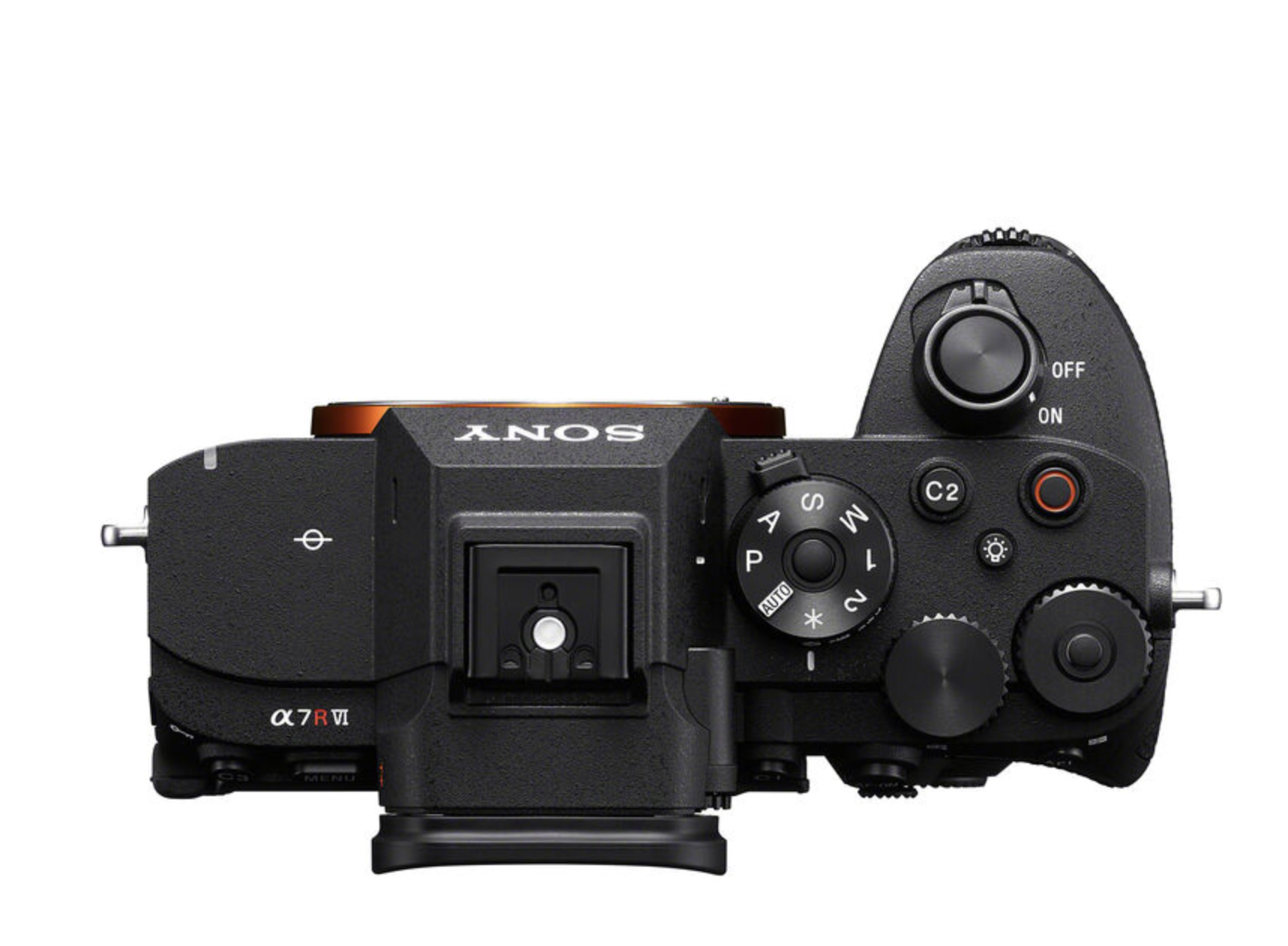
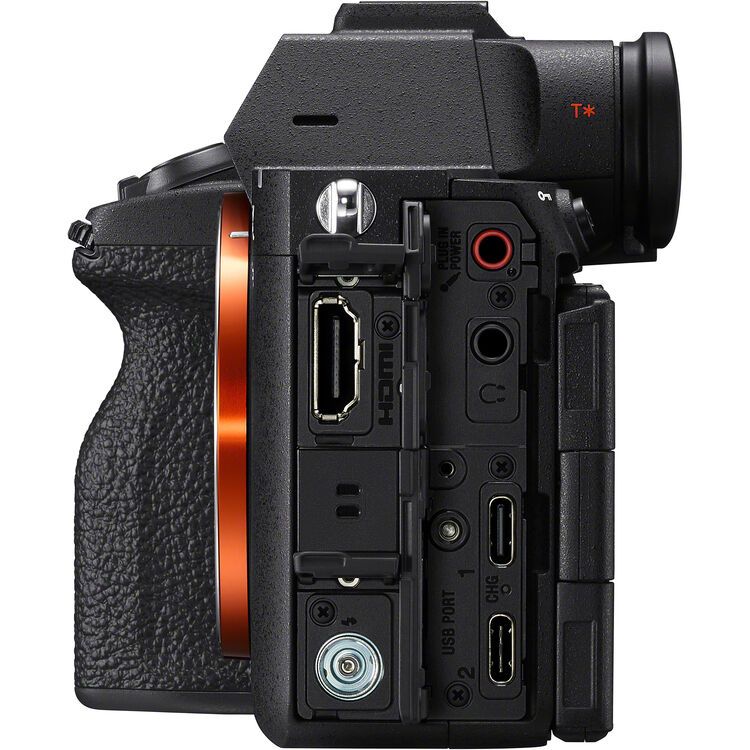
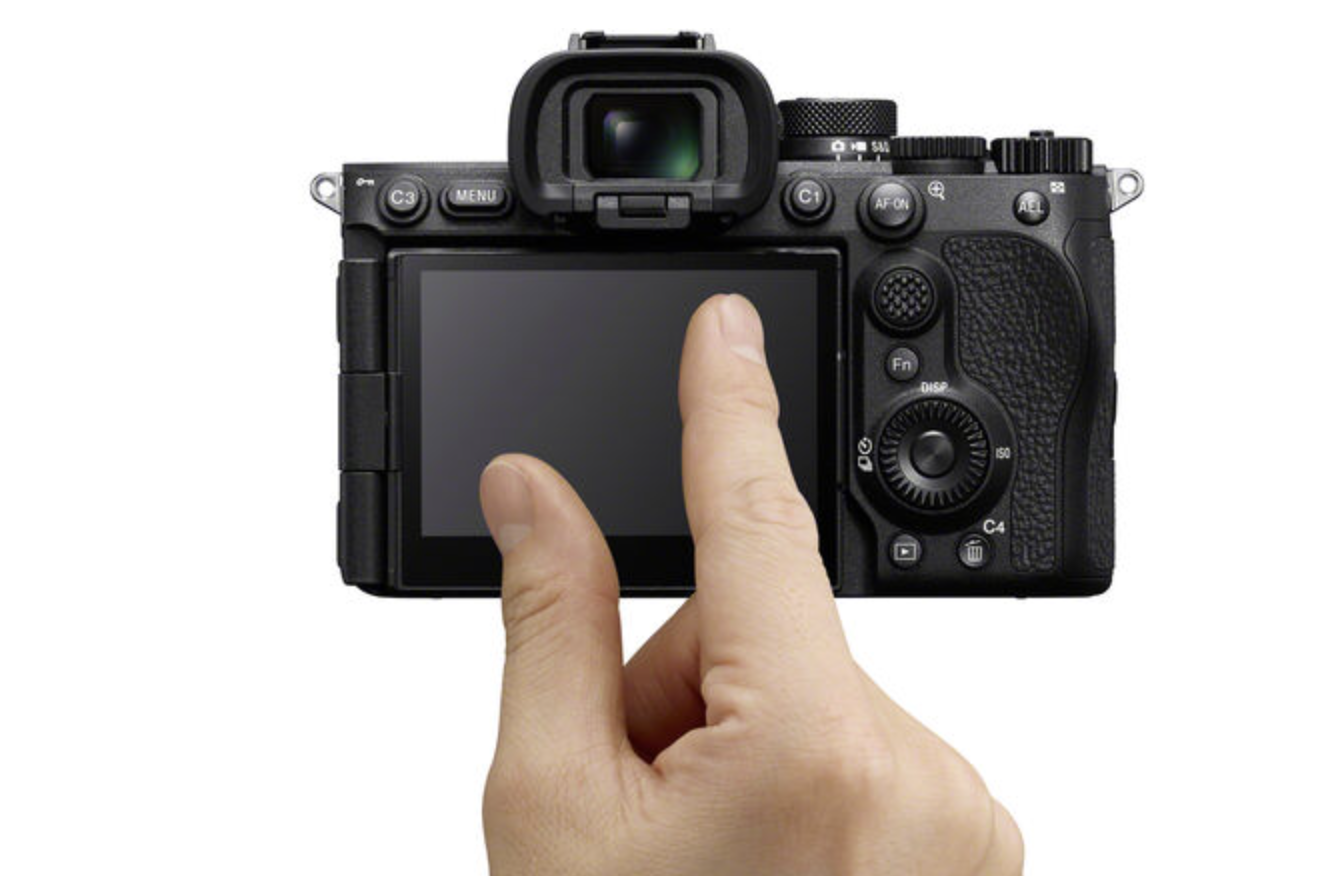
The Sony a7R VI combines high-resolution imaging with advanced autofocus capabilities, including a 66.8MP full-frame stacked sensor, Real-time Recognition AF+, 759 phase-detection autofocus points, and continuous shooting up to 30 frames per second.
This combination is particularly appealing to wildlife photographers who need detailed images, reliable tracking, and the ability to capture fast-moving subjects. Landscape photographers can also benefit from the high resolution when producing large prints or cropping images.
However, AI autofocus cannot eliminate motion blur or overcome every low-light limitation. Lens choice, shutter speed, and technique remain essential.
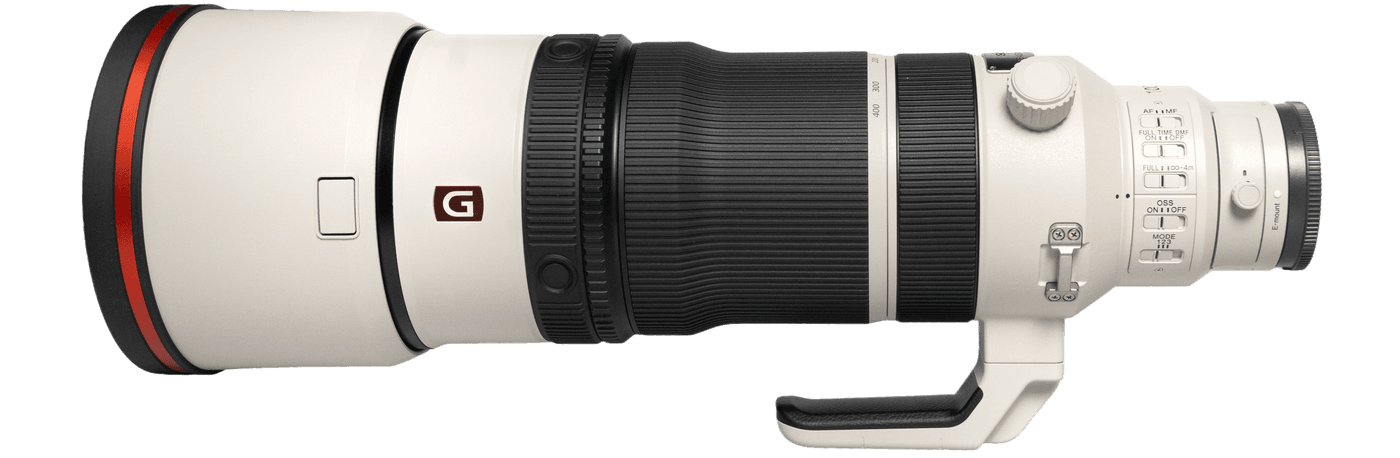
Paired with a lens like the Sony FE 100-400mm f/4.5 G Master; this kind of tech is a match made in Wildlife photography heaven.
Is AI Autofocus Worth the Investment?
AI autofocus is most valuable when it solves a problem you regularly encounter. Wildlife photographers and those who frequently capture fast-moving subjects may see meaningful improvements in focus consistency and keeper rates. Landscape photographers working primarily with static scenes may find traditional focusing techniques equally effective.
The additional cost and complexity of advanced camera systems are worth considering, especially if your photography rarely requires predictive tracking.
Ultimately, the best camera technology doesn't replace photographic skill; it gives you more freedom to anticipate the moment, refine your composition, and capture the image you envisioned!

We offer world-class travel photography
experiences around the world.
Each tour is bundled with lodging, meals, and transportation between workshops included, allowing you to focus on photography instead of the stress of traveling.
experiences around the world.
Each tour is bundled with lodging, meals, and transportation between workshops included, allowing you to focus on photography instead of the stress of traveling.
Get Our Trip Catalog
Receive a trip catalog that highlights all of our upcoming photo tours and workshops.Schedule a Trip Consultation
Meet with a photo experience coordinator, and experience a personal touch to your booking experience.Landscape Guide
Receive a FREE Landscape Cheat Sheet Written By a Pro Photographer.Webinars
Our regularly hosted webinars provide photography instruction from our own guides on a wide range of topics.Education Portal
Explore our library of articles that cover everything from common questions, to in-depth guides on how to achieve that perfect shot.
Backcountry Journeys
Connecting Passionate People To
Exceptional Experiences.
Exceptional Experiences.
Business Hours:
Mon-Fri, 8AM-4PM MT
928-478-1521
adventure@backcountryjourneys.com
Mon-Fri, 8AM-4PM MT
928-478-1521
adventure@backcountryjourneys.com
arrow_drop_down_circle
Divider Text
All Images & Content Are Property Of Backcountry Journeys Photography Tours, Workshops & Safaris LLC - Copyright 2026


About Us
Receive a Digital Trip Catalog
Find an upcoming photography tour with our interactive catalog.