2025 Travelers' Choice

About Backcountry Journeys
Why Choose Backcountry Journeys
If you're considering a photography trip, hear why Backcountry Journeys delivers the best experience in the industry.Frequently Asked Questions
If you're new to photography trips, or new to BCJ, you can find our common travel questions here.Fitness Levels
Our trips vary on physical intensity, and by reviewing our fitness levels, you can find out which trips may be more challenging, or aligned more closely with your comfort level.Meet The Crew
We've built an amazing team of experienced guides, and dedicated office staff that elevate your travel experience. Get to know their backgrounds, and hear their stories.Loyalty Program
We reward our frequent photo adventurers with exclusive discounts on amazing photography trips.Contact Us
If you need to get in touch with our office staff, or have additional business inquiries, you can find our information here.Refer a Friend
Know someone perfect for one of our tours? Recommend them through this quick form.Stay Up To Date On All Things
Backcountry Journeys
Backcountry Journeys
Our Photography Community
Our Webinars
Our regularly hosted webinars provide photography instruction from our own guides on a wide range of topics.Our Education Portal
Explore our library of articles that cover everything from common questions, to in-depth guides on how to achieve that perfect shot.Community Testimonials
We're proud to foster an amazing group of photo travelers, and here you can find their stories from their past adventures.Resources For Photographers
About Our Company
Resources For Photographers
About Our Company
Yellowstone Wildlife Photography: How to Spot Grizzlies, Wolves & Bison
Published August 18, 2026
Yellowstone National Park is one of the most extraordinary places on Earth for wildlife photography – but photographing Yellowstone’s wildlife is about much more than simply showing up with a camera.
The park covers nearly 2.2 million acres, wildlife sightings are unpredictable, and understanding animal behavior, seasonal patterns, and the best locations can make the difference between coming home with a snapshot and curating a truly memorable portfolio of images.
A Yellowstone wildlife photography tour gives photographers the advantage of experienced guides who understand the landscape, know where animals are most active, and help position you for the best possible opportunities while respecting the wildlife and environment.
Whether you are hoping to photograph grizzly bears, wolves, bison, elk, or the dramatic landscapes that make Yellowstone famous, knowing what to expect can help you prepare for an unmatched experience!
Why Yellowstone Is One of the Best Wildlife Photography Destinations in the World
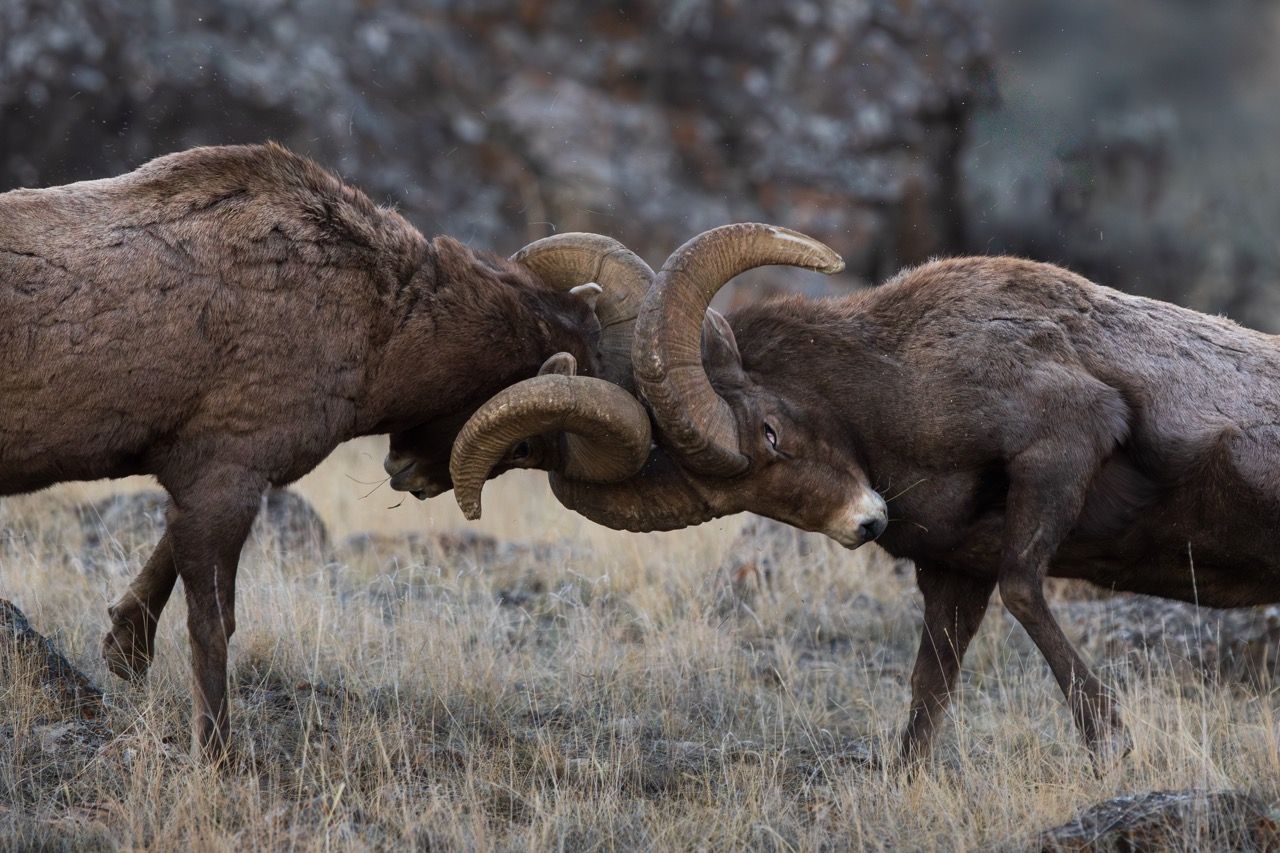
Often called America’s first national park, Yellowstone protects one of the largest intact temperate ecosystems in the world. Its combination of forests, rivers, valleys, and geothermal landscapes creates an ideal environment for an incredible variety of wildlife!
For photographers, that means every day brings new possibilities.
You may begin a morning photographing a lone bison silhouetted against a colorful sunrise, spend the afternoon watching elk move through the valley, and finish the day waiting for wolves to emerge from the landscape at dusk.
The challenge, and the excitement, is that wildlife does not follow a schedule.
That is where experience matters.
Professional guides and photography leaders understand where animals tend to travel, how weather impacts activity, and how to read the landscape for signs of wildlife movement.
What to Expect on a Yellowstone Wildlife Photography Tour
A successful Yellowstone photography experience is built around patience, preparation, and flexibility.
Unlike traditional sightseeing trips where the goal is to check locations off a list, wildlife photography requires time and attention. The best images often happen when you slow down, observe, and allow the moment to unfold.
A guided Yellowstone photography tour allows photographers to focus on what matters most: composing images.
With Backcountry Journeys, guests travel with experienced photography leaders who understand the challenges of wildlife photography and provide guidance throughout the experience. Small-group adventures create more personalized instruction, better flexibility in the field, and more time dedicated to each photographer’s goals!
Instead of spending your trip managing logistics, searching for locations, or wondering if you are in the right place at the right time, you can focus on watching, learning, and capturing the incredible wildlife that makes Yellowstone unforgettable.
Early Morning and Evening Wildlife Opportunities
Wildlife is often most active during the early morning and evening hours when temperatures are cooler, and animals are moving between feeding and resting areas.
This means many Yellowstone photography days begin before sunrise.
While early mornings may require an extra cup of coffee, they often also provide the most rewarding conditions. Soft golden light pouring across the valleys while mist rises from rivers. A diverse array of wildlife moving through open landscapes, with fewer people to crowd the area, and an overall more peaceful experience.
The quiet moment before the park fully awakens are often when some of the most powerful photographs are created.
Photographing From the Best Locations
Yellowstone is enormous and knowing where to spend time is critical.
Experienced guides know the areas where photographers have the best opportunities based on a variety of factors that take a dedicated team to assert:
Recent wildlife activity
Seasonal migration patterns
Weather conditions
Time of day
Animal behavior
Tourist Hot Spots on the trail – when to visit and when to avoid
Locations like the Lamar Valley and Hayden Valley are famous for wildlife viewing because they provide expansive landscapes where animals can often be observed from a respectful distance.
Having someone who understands these areas allows photographers to spend less time searching and more time shooting images.
Photographing Grizzly Bears in Yellowstone
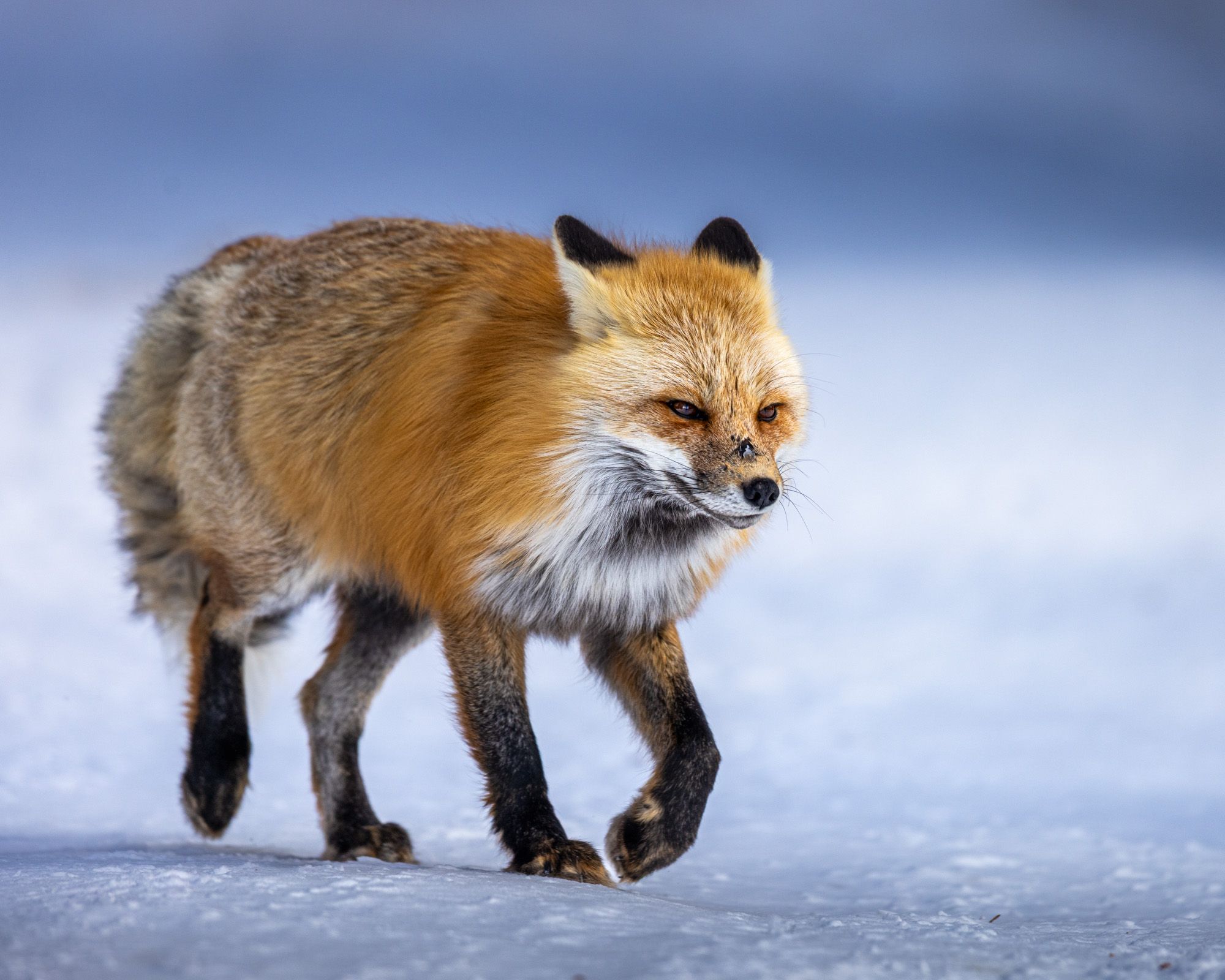
Grizzly bears are among the most sought-after subjects for wildlife photographers visiting Yellowstone. These powerful animals are recognizable by their large size, rounded ears, shoulder hump, and long claws. While grizzlies can appear similar to black bears, their physical characteristics and behavior help distinguish them.
When photographing grizzlies, patience is essential. Bears may cover large areas while searching for food, and sightings are never guaranteed. However, knowledgeable guides understand seasonal patterns and where opportunities are most likely. In spring, look for bears emerging from their dens and moving through open areas in search of food. As the season progresses, they may be found near streams, meadows, and slopes where vegetation and other food sources are available. Early morning and evening are generally productive times to watch for bear activity, particularly when temperatures are cooler and bears are more likely to be moving rather than resting.
A long telephoto lens such as a 100–500mm or 200–600mm allows photographers to maintain a safe distance while isolating details such as the eyes, claws, and fur.
Adjust shutter speed according to behavior, using faster settings for movement and continuous autofocus when the bear begins traveling. When composing, leave space in the direction the bear is moving, and consider wider environmental frames that show the animal within Yellowstone's landscape rather than relying exclusively on tight portraits.
Photographing Yellowstone Wolves
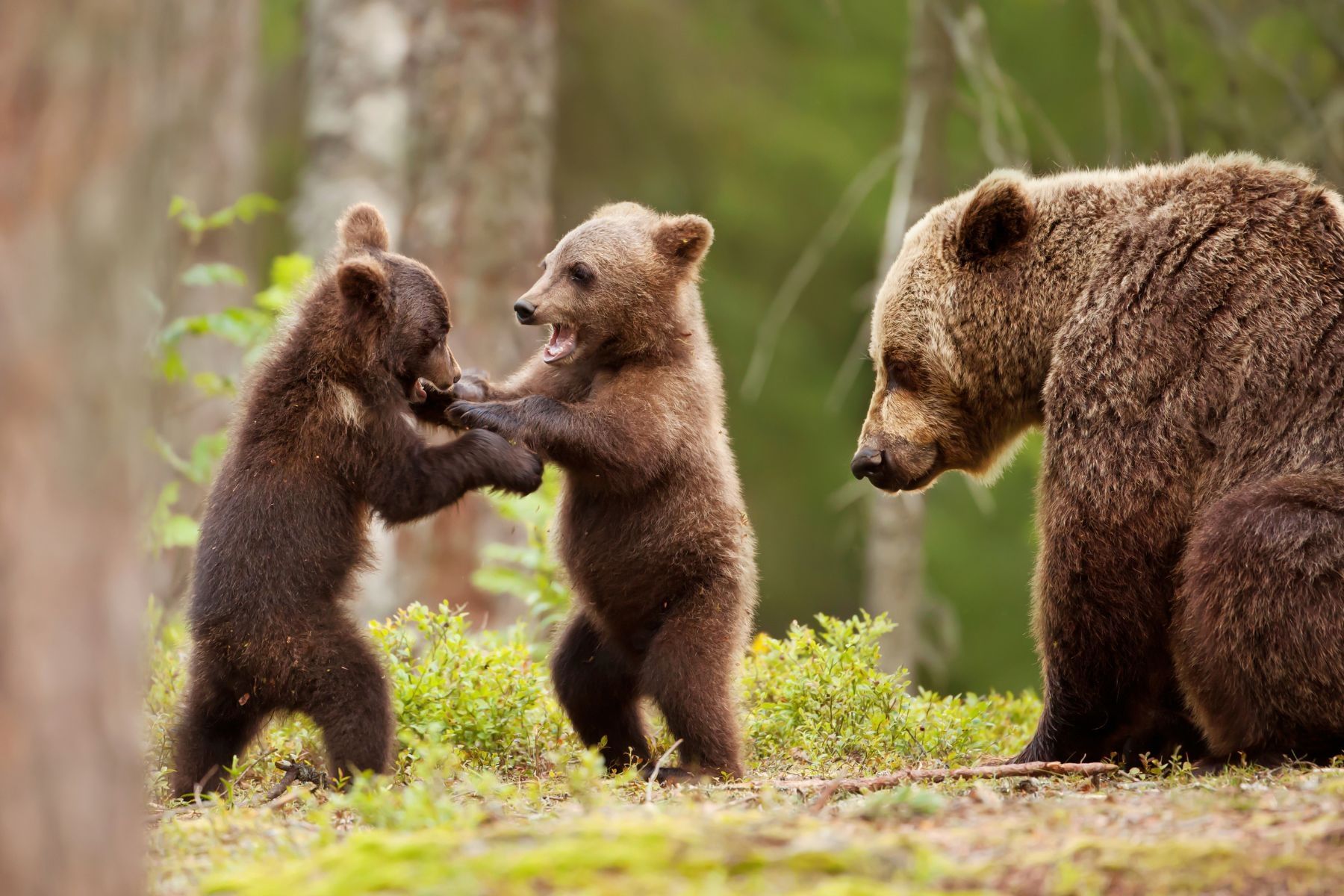
Wolves are some of the most captivating animals in Yellowstone. After their reintroduction to the park in the 1990s, wolves became a symbol of Yellowstone’s successful conservation efforts. Today, they remain one of the park’s most exciting wildlife photography subjects.
Spotting wolves requires patience and a trained eye. They are highly social animals that often travel through large territories, making sightings challenging. Photographers who successfully capture wolves often rely on guides familiar with pack movements and behavioral patterns. The Lamar Valley is particularly well known for wolf viewing, and the open terrain can provide opportunities to observe packs from a considerable distance. Hayden Valley and other areas of the park can also produce sightings depending on pack movements and seasonal conditions.
Wolves are most active during the cooler portions of the day, so photographers should be prepared to be in position around dawn and again in the late afternoon or evening.
Because wolves can move quickly across open terrain, use a fast shutter speed, continuous autofocus, and burst shooting to increase your chances of capturing decisive moments. A wide aperture like a f/4–f/5.6 can help maintain faster shutter speeds while separating the wolf from the background. Additionally, this wider setting lets in more light during hours of the day that are more opportune for wolf sightings, like early in the morning or later in the evening, without having to crank your ISO and potentially produce lower-quality images.
Bright snow can also complicate exposure, so monitor your histogram and adjust exposure compensation when necessary.
Photographing Yellowstone Bison
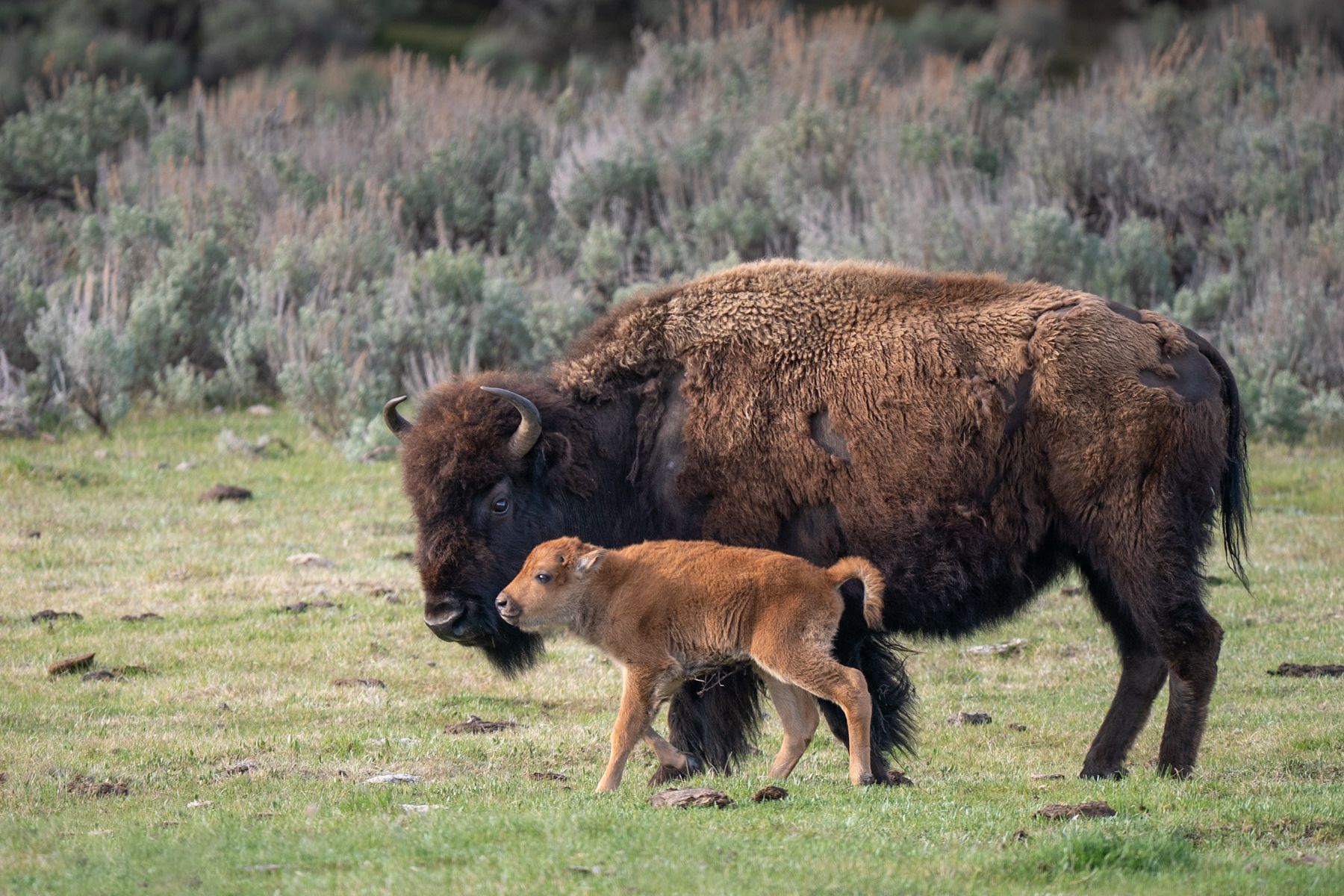
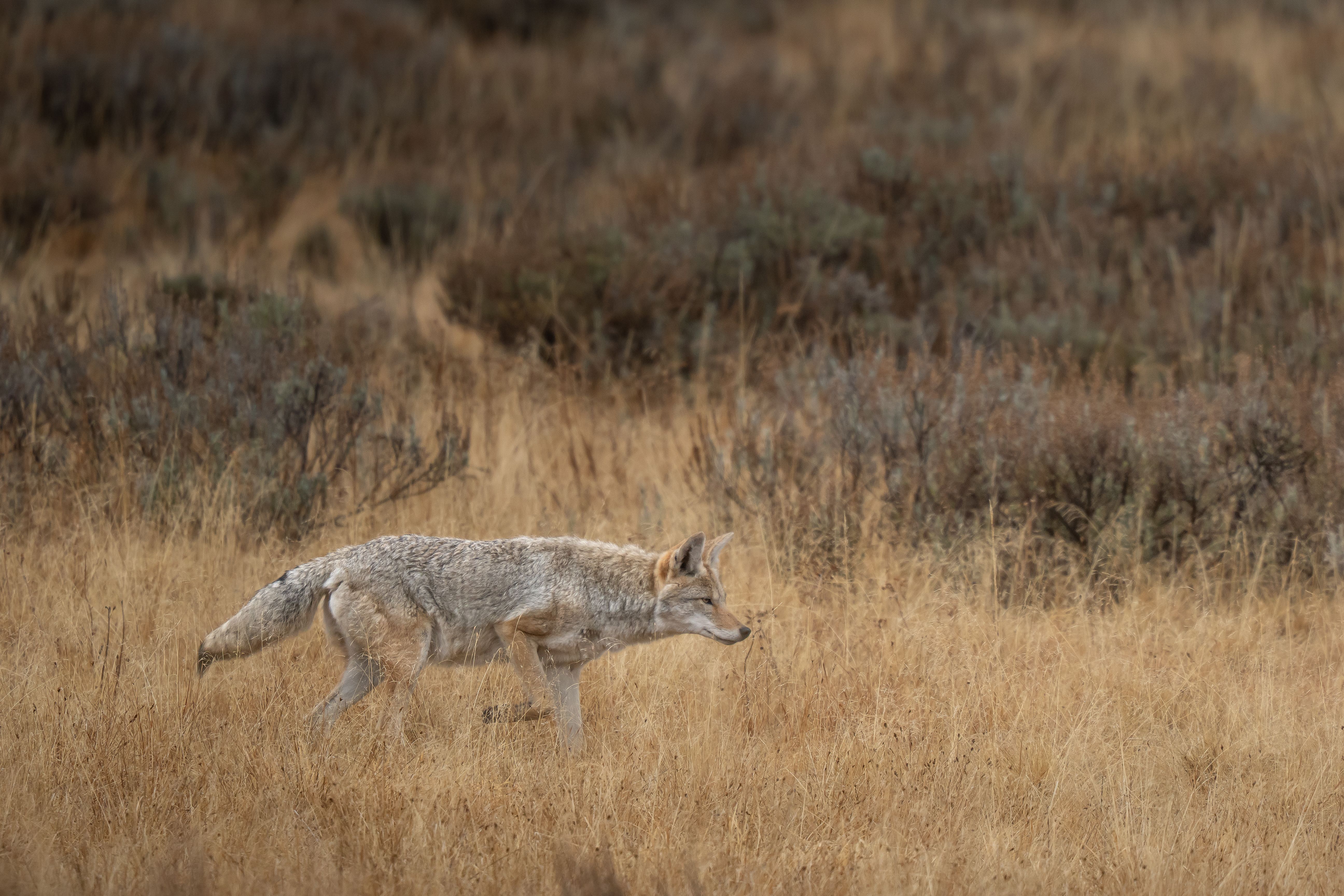
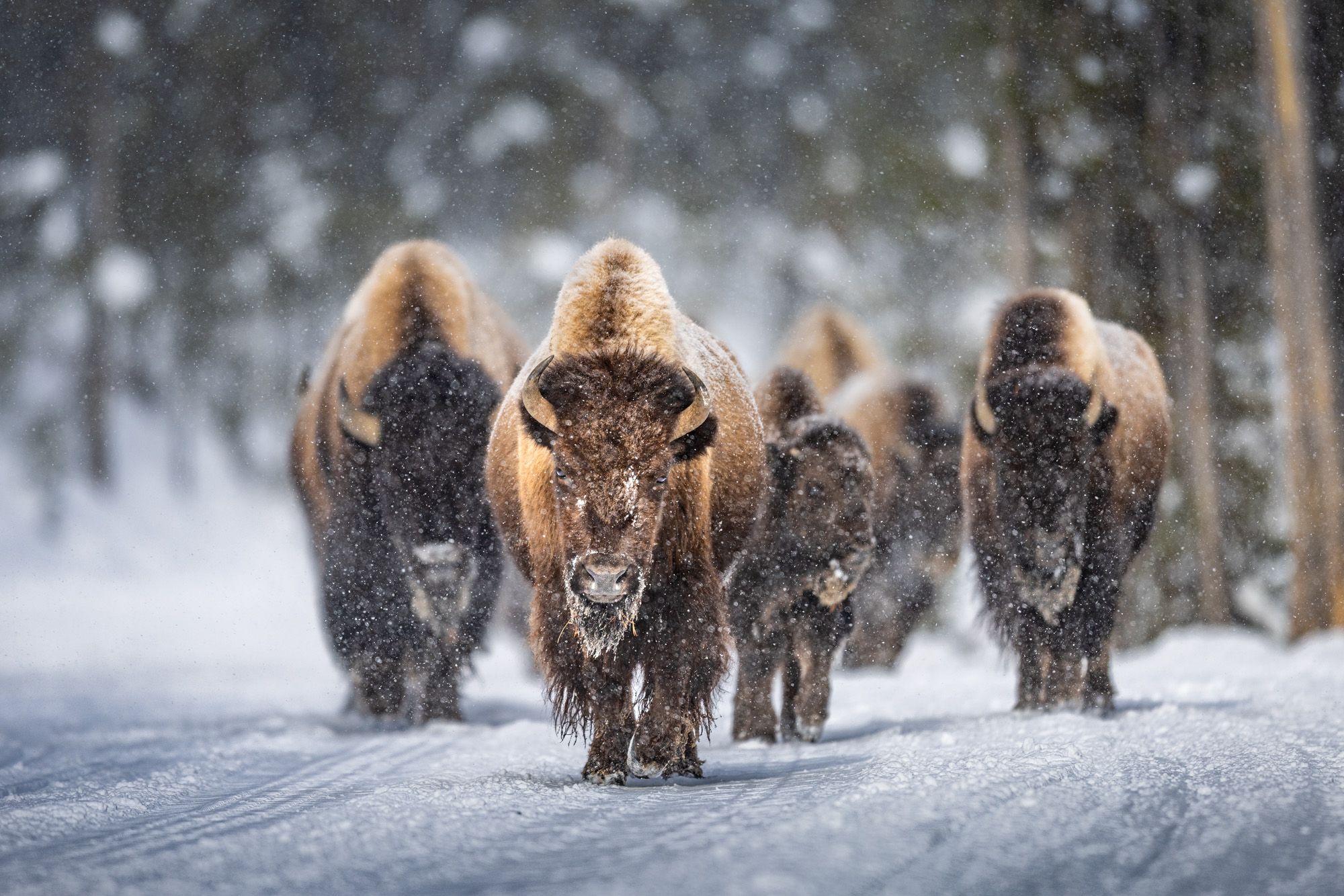
Bison are Yellowstone’s most iconic animal and one of the most reliable wildlife photography subjects in the park. With thousands of bison roaming Yellowstone, photographers have excellent opportunities to capture these massive animals in a variety of settings.
Unlike wolves and bears, bison are often easier to locate because they frequently gather in large herds and occupy open terrain. Look for them in grasslands, river valleys, meadows, and geothermal areas, where they can feed or take advantage of warmer ground during colder months. Lamar Valley and Hayden Valley are particularly productive areas for viewing large herds, while thermal regions can offer unique opportunities to photograph bison against steam and snow.
Bison are generally most active during the morning and late afternoon, when they are more likely to be feeding and moving between areas. During the middle of the day, particularly in warmer conditions, they may spend more time resting. Early mornings can be especially productive for photographers because low-angle light can illuminate the texture of their thick coats while frost, fog, or steam adds atmosphere to the scene.
An aperture around f/5.6–f/8 provides useful depth of field for larger subjects, while f/4–f/5.6 can isolate the animal against a distant background. Depending on the time of day and the weather conditions, keep an eye on your ISO and weigh the trade-offs between practical settings against what your priorities are for the finished product.
A telephoto lens can compress a bison against mountains or other environmental elements, while a wider focal length can emphasize the animal's relationship to the landscape.
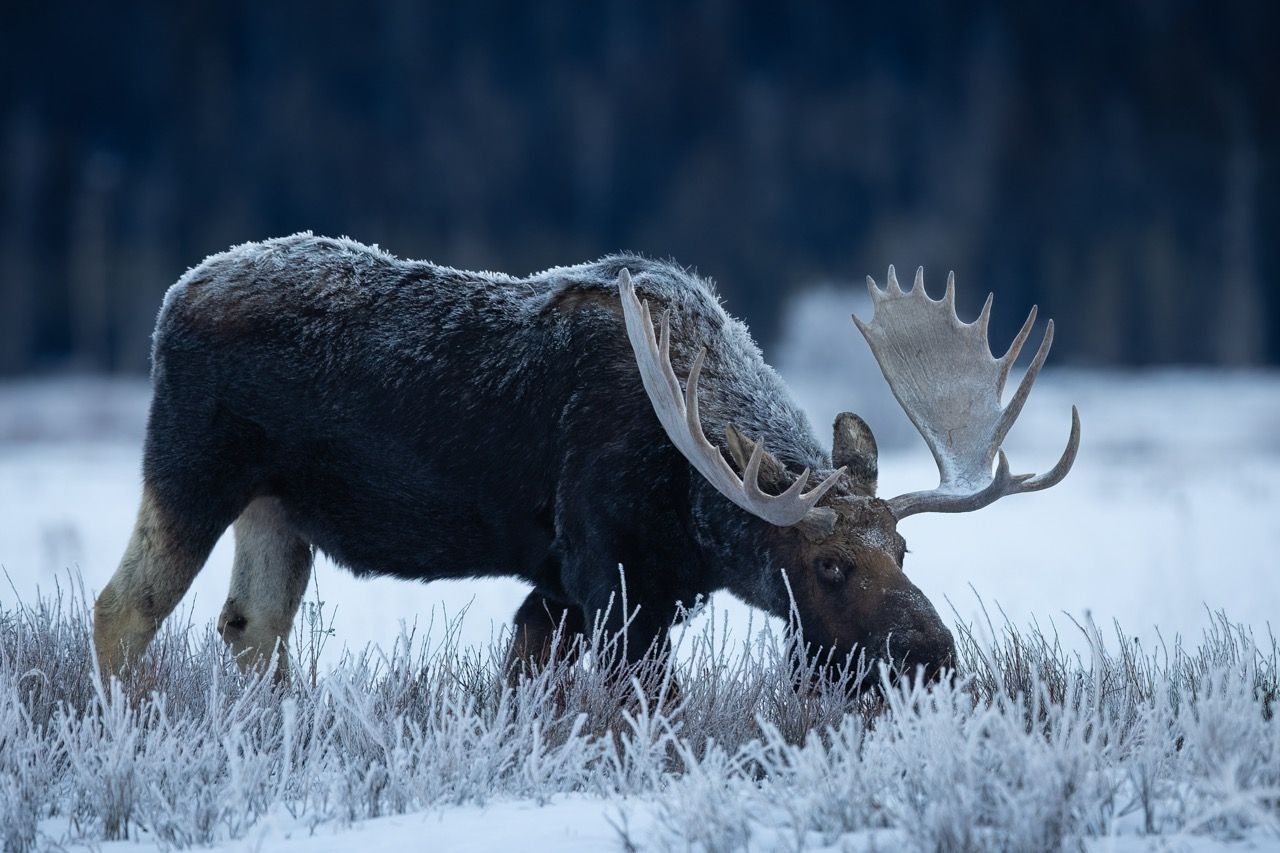
Winter offers especially strong opportunities for photographing frost-covered coats, steam, snow, and dramatic light, but dark fur against bright snow requires careful exposure management. Use a faster shutter speed for active animals and focus precisely on the eyes.
Experience Yellowstone Through the Lens
Yellowstone is more than a destination. It is a place where photographers can witness the rhythms of the natural world and create images that preserve those moments forever.
Planning a wildlife photography trip independently can be rewarding, but Yellowstone presents unique challenges.
The park’s size, ever-changing conditions, wildlife behavior, and seasonal differences make preparation complicated. Finding the right locations, understanding animal patterns, and maximizing photography opportunities requires experience.
From the power of a grizzly bear moving through the wilderness to the quiet intensity of wolves canvassing the landscape for prey, every encounter tells a story! With the right preparation, expert guidance, and respect for the wildlife, a Yellowstone wildlife photography experience can become one of the most rewarding adventures a photographer ever takes!

We offer world-class travel photography
experiences around the world.
Each tour is bundled with lodging, meals, and transportation between workshops included, allowing you to focus on photography instead of the stress of traveling.
experiences around the world.
Each tour is bundled with lodging, meals, and transportation between workshops included, allowing you to focus on photography instead of the stress of traveling.
Learn More About This Trip
Get Our Trip Catalog
Receive a trip catalog that highlights all of our upcoming photo tours and workshops.Schedule a Trip Consultation
Meet with a photo experience coordinator, and experience a personal touch to your booking experience.Landscape Guide
Receive a FREE Landscape Cheat Sheet Written By a Pro Photographer.Webinars
Our regularly hosted webinars provide photography instruction from our own guides on a wide range of topics.Education Portal
Explore our library of articles that cover everything from common questions, to in-depth guides on how to achieve that perfect shot.
Backcountry Journeys
Connecting Passionate People To
Exceptional Experiences.
Exceptional Experiences.
Business Hours:
Mon-Fri, 8AM-4PM MT
928-478-1521
adventure@backcountryjourneys.com
Mon-Fri, 8AM-4PM MT
928-478-1521
adventure@backcountryjourneys.com
arrow_drop_down_circle
Divider Text
All Images & Content Are Property Of Backcountry Journeys Photography Tours, Workshops & Safaris LLC - Copyright 2026


About Us
Receive a Digital Trip Catalog
Find an upcoming photography tour with our interactive catalog.