Mon - Fri: 8 am - 4 pm MT


About Backcountry Journeys
Why Choose Backcountry Journeys
If you're considering a photography trip, hear why Backcountry Journeys delivers the best experience in the industry.Frequently Asked Questions
If you're new to photography trips, or new to BCJ, you can find our common travel questions here.Fitness Levels
Our trips vary on physical intensity, and by reviewing our fitness levels, you can find out which trips may be more challenging, or aligned more closely with your comfort level.Meet The Crew
We've built an amazing team of experienced guides, and dedicated office staff that elevate your travel experience. Get to know their backgrounds, and hear their stories.Loyalty Program
We reward our frequent photo adventurers with exclusive discounts on amazing photography trips.Contact Us
If you need to get in touch with our office staff, or have additional business inquiries, you can find our information here.Refer a Friend
Know someone perfect for one of our tours? Recommend them through this quick form.Stay Up To Date On All Things
Backcountry Journeys
Backcountry Journeys
Our Photography Community
Our Webinars
Our regularly hosted webinars provide photography instruction from our own guides on a wide range of topics.Our Education Portal
Explore our library of articles that cover everything from common questions, to in-depth guides on how to achieve that perfect shot.Community Testimonials
We're proud to foster an amazing group of photo travelers, and here you can find their stories from their past adventures.Resources For Photographers
About Our Company
Resources For Photographers
About Our Company
Yellowstone is the Best Wildlife Photography Destination in the Lower 48. Here’s Why
Published May 27, 2026
I’ve always loved the idea of true wilderness. Places that are pure, raw, unfiltered, and unaffected by the hand of man. Places where wild animals roam free, where ecosystems remain largely intact. Places that look relatively the same as they did tens if not hundreds of thousands of years ago. These are my favorite places on earth, and unfortunately they are becoming harder and harder to find. Our world’s wild places are vanishing at an alarming rate which makes the few precious strongholds we have left, incredibly special and incredibly important.
In our modern existence there are very few places left in the world where nature still feels truly wild on a grand scale. Where apex predators roam freely, vast herds of grazing mammals migrate across open valleys, and the rhythms of the ecosystem still unfold much as they have for millennia. In the lower 48 United States, no place captures that sense of wilderness better than Yellowstone National Park.
In fact, an ecosystem like this is so rare and so special that there are few places left on earth that rival its importance. From the successful reintroduction of wolves to saving the last few wild American bison before the species vanished from existence, Yellowstone stands as a pillar of conservation and wilderness protection. In my opinion, words simply can’t portray just how important and precious this place is.
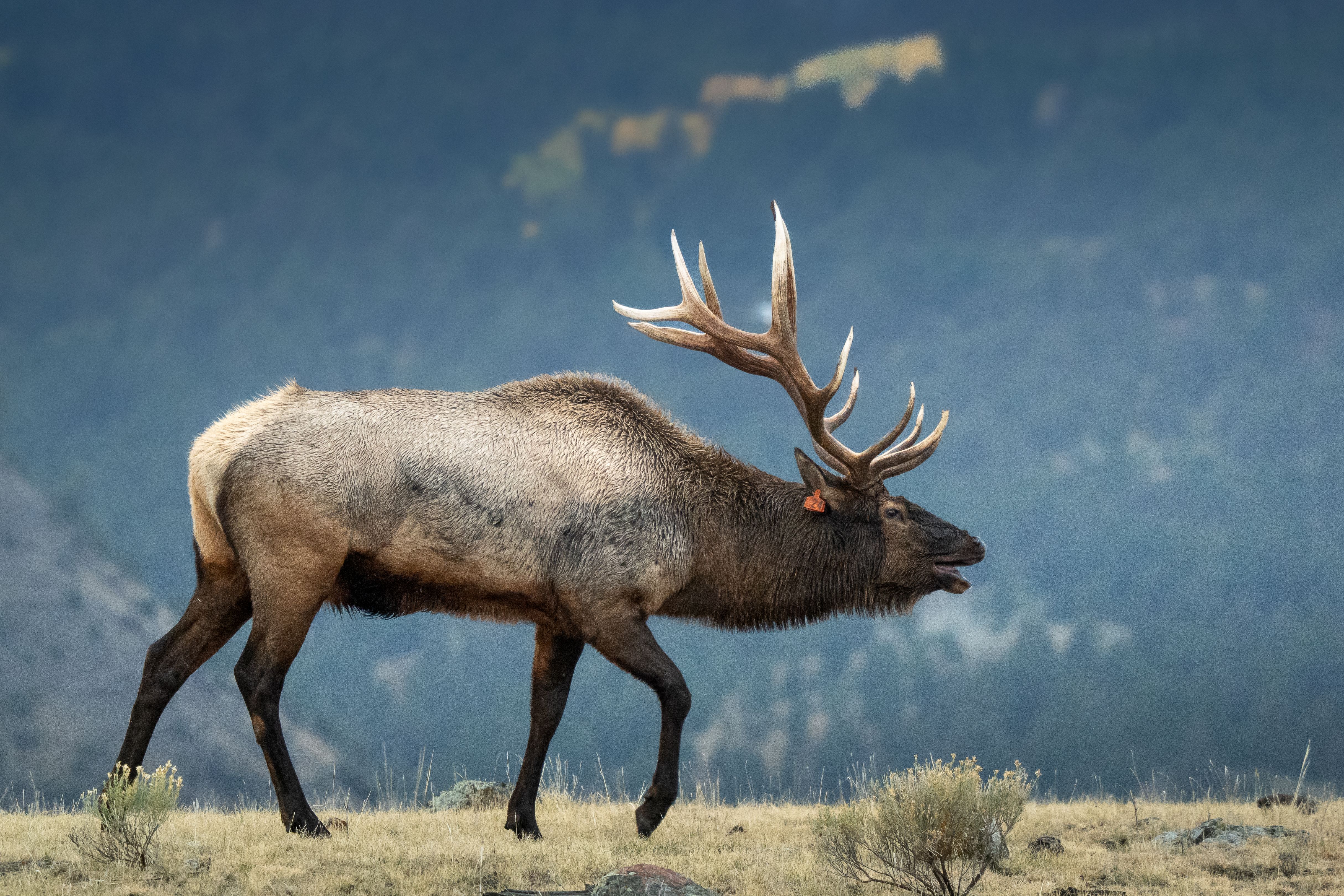
For wildlife photographers specifically, Yellowstone is more than just a national park. It is one of the finest destinations in all of North America. Every year photographers from around the world travel here in hopes of capturing dramatic images of wolves moving through snowy valleys, massive bison silhouetted in geothermal steam, grizzly bears emerging from spring dens, or bull elk bugling beneath golden autumn light.
What makes Yellowstone so extraordinary is not just the sheer abundance of wildlife. It is the fact that this landscape still functions as a nearly complete ecosystem — something incredibly rare in the modern world. Combined with stunning scenery, exceptional year-round access, and endless photographic opportunities, Yellowstone offers wildlife photographers an experience that is almost impossible to replicate anywhere else. Perhaps some remote parts of Alaska or northern Canada can offer something similar but even those wild places can’t offer what one can capture in Yellowstone.
A Massive, Intact Ecosystem Unlike Anywhere Else in the United States
The single biggest reason Yellowstone is such an exceptional wildlife destination is simple: the ecosystem is still largely intact. Something that can’t be said about the vast majority of places on earth today.
At nearly 3,500 square miles, Yellowstone is enormous. More importantly, it is part of the larger Greater Yellowstone Ecosystem — one of the largest nearly intact temperate-zone ecosystems left on Earth. Unlike most places in the continental United States, the food chain here still functions naturally. Apex predators still hunt. Large herbivores still migrate. The balance between predator and prey still shapes the landscape itself and keeps everything in balance and harmony.
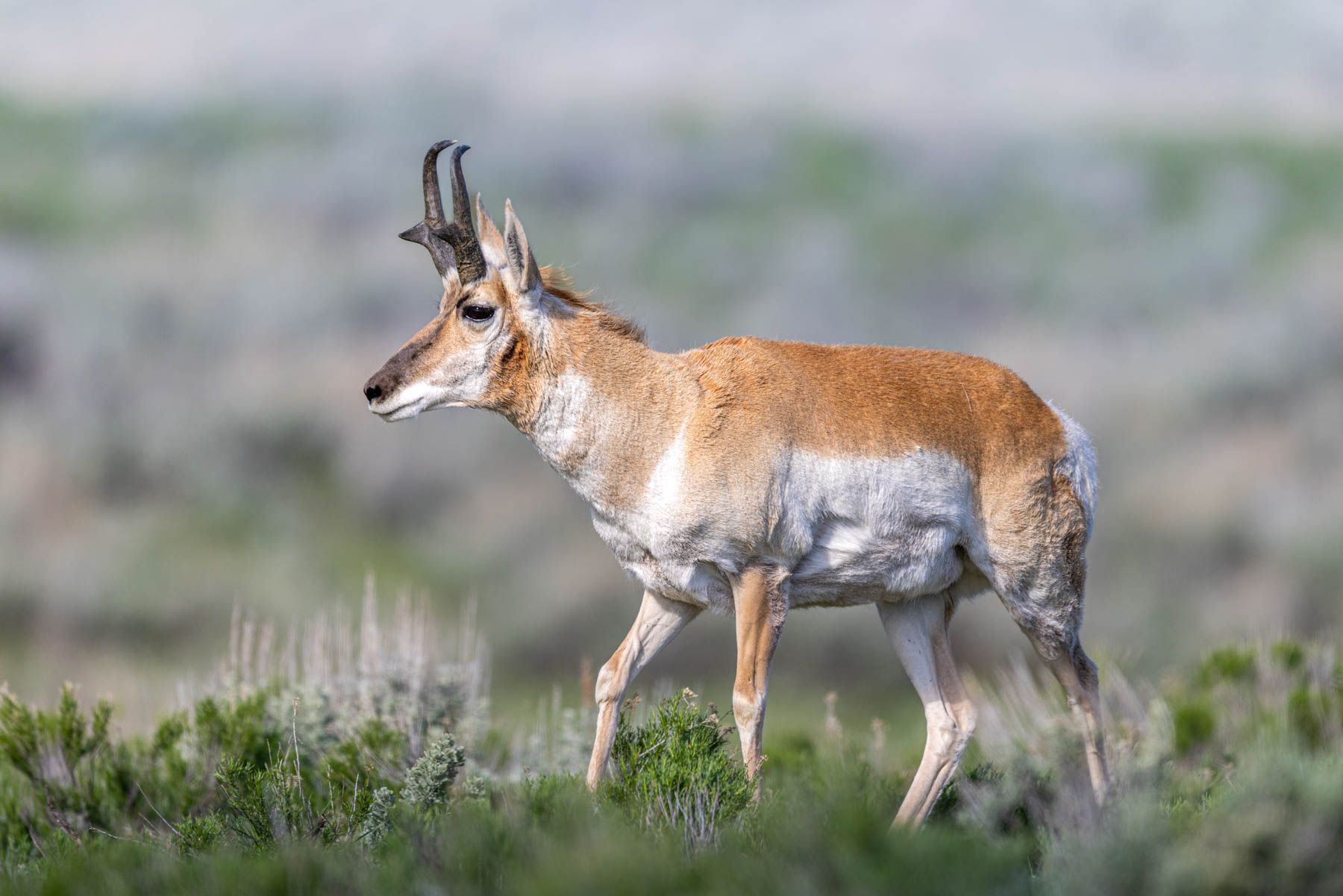
That means healthy populations of iconic North American wildlife species continue to thrive here. Wolves, grizzly bears, black bears, bison, elk, moose, coyotes, foxes, bighorn sheep, mountain goats, and countless other species all call Yellowstone home.
For photographers, this creates opportunities that simply do not exist anywhere else. In many wildlife destinations, photographers are limited to isolated pockets of animals surviving in fragmented habitats. Yellowstone feels entirely different. Here, wildlife exists within a functioning wilderness system, and that changes everything about the photographic experience.
Animals behave more naturally. Predator-prey interactions occur regularly. Seasonal movements and behaviors unfold on a grand scale. The result is a level of authenticity and wildness that is extraordinarily difficult to find elsewhere in North America if not anywhere else on earth.
Wildlife Photography in Stunning Natural Settings
Great wildlife photography is about far more than simply finding animals and capturing up-close portrait shots. The best images tell a story about place, atmosphere, and environment. Yellowstone excels in all of these areas.
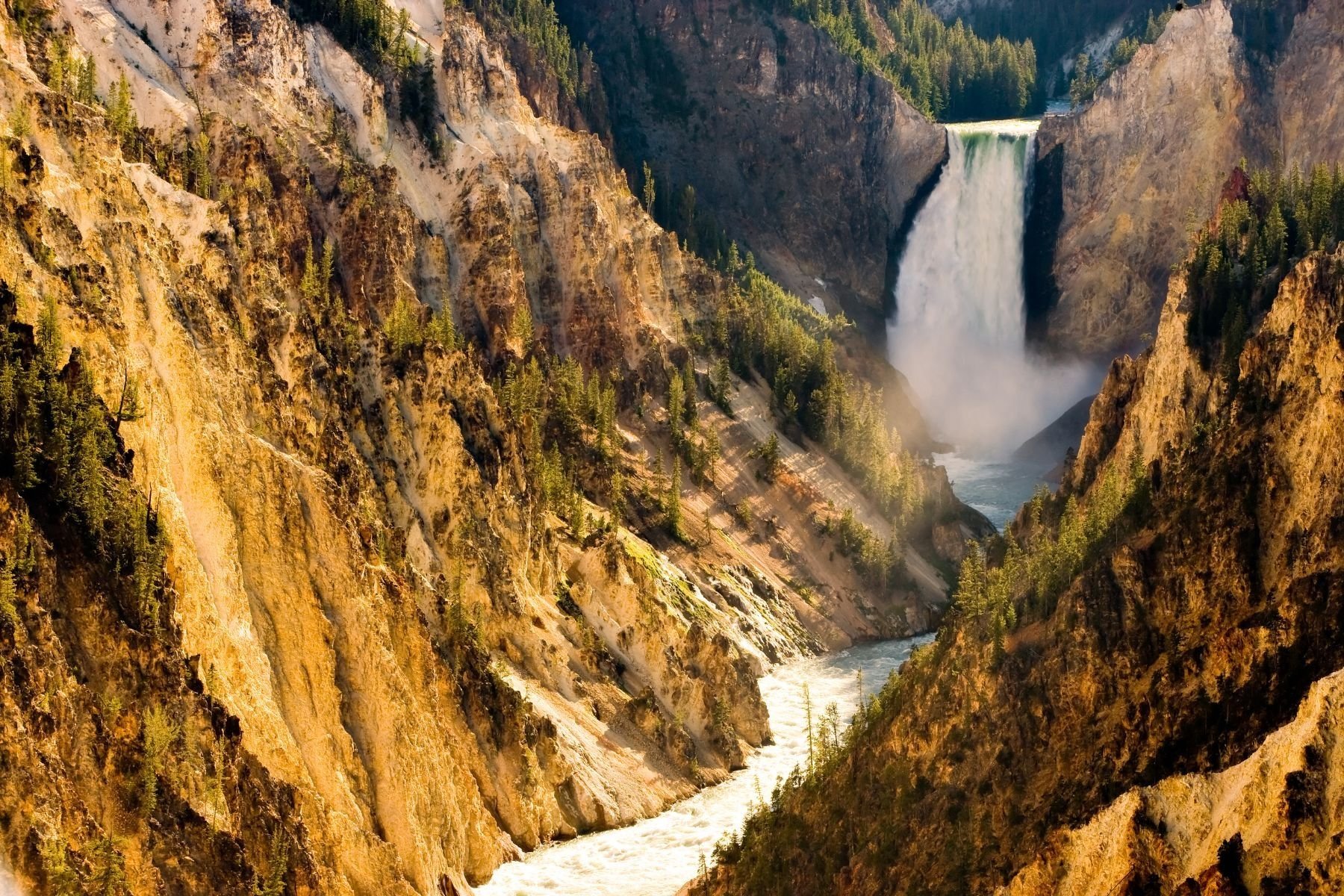
One of the most remarkable aspects of the park is how open and visually dramatic the landscape is. Broad valleys, rolling sagebrush plains, geothermal basins, rivers, forests, snow-covered mountains, and expansive meadows all create spectacular natural backdrops for wildlife photography.
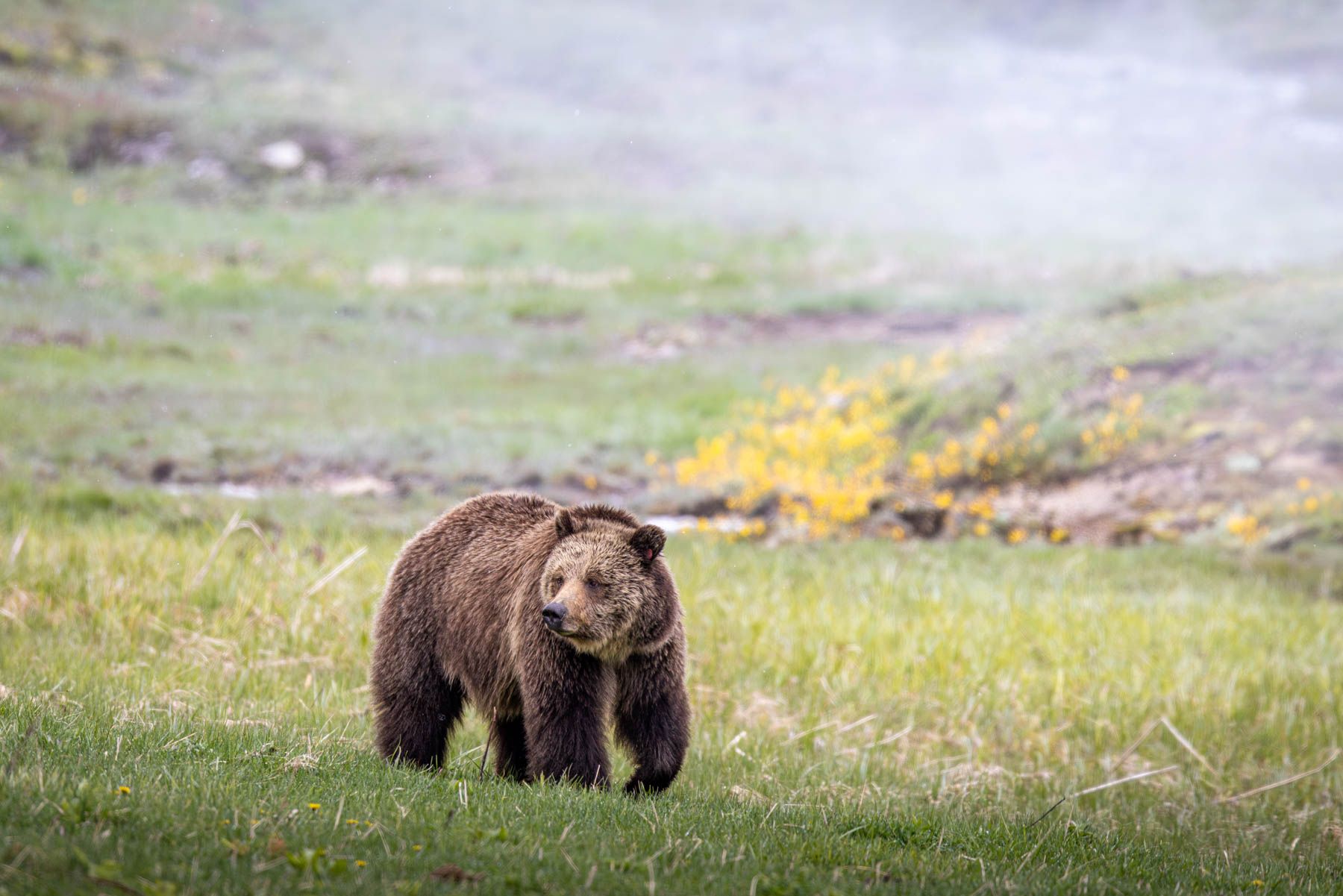
This openness often allows photographers to capture animals within the context of their environment rather than producing tightly cropped “animal portrait” images alone. Images like this help to tell a more complete story and really place your subject in their environment. A lone wolf crossing a snowy valley. A grizzly bear wandering through spring wildflowers. Bison moving through rising geothermal steam at sunrise. These are the types of scenes that make Yellowstone legendary among wildlife photographers.
You can often look at an image captured here and immediately know where it was captured. This is something that can’t be said about most wildlife destinations.
The light can also be extraordinary. Early mornings often bring dramatic fog, frost, steam, and soft directional light that add atmosphere and mood to wildlife images. In autumn, golden grasses and colorful foliage transform the valleys into photographic gold. Winter creates some of the most visually striking wildlife photography conditions anywhere in the world, with snow, steam, and harsh weather producing unforgettable scenes.
Few destinations offer this combination of abundant wildlife and consistently beautiful natural settings.
A Place Where You Can Witness Nature in Action
Another reason Yellowstone stands apart is that it allows photographers to witness the ecosystem in motion.
This is not a park where wildlife simply exists in isolation. Yellowstone is a place where animals constantly interact with one another and their environment. Wolves pursue elk across snowy valleys. Coyotes hunt rodents in open meadows. Grizzly bears compete for carcasses and dig up roots. Bald eagles and ravens gather around winter kills. Bison endure brutal winter storms while navigating geothermal landscapes.
For wildlife photographers, these interactions create opportunities for storytelling and behavioral photography that are incredibly unique, special, and rare.
Photographing behavior is often what elevates an image from good to unforgettable. Sure, you can capture a nice shot of an animal standing still, but when you can capture that same subject truly interacting and engaging with its surroundings your images are elevated to new heights. Yellowstone regularly provides opportunities to document moments that reveal the realities of life in a wild ecosystem — survival, competition, movement, migration, courtship, and adaptation.
This dynamic quality is one of the reasons photographers return year after year. No two visits are ever the same. The park is constantly changing with the seasons, weather, wildlife movements, and natural events unfolding across the landscape.
I lived just outside of the park for about 7 years and have spent hundreds of days capturing its beauty. Not once have I ever gotten bored or felt like I needed to leave and move on to another location.
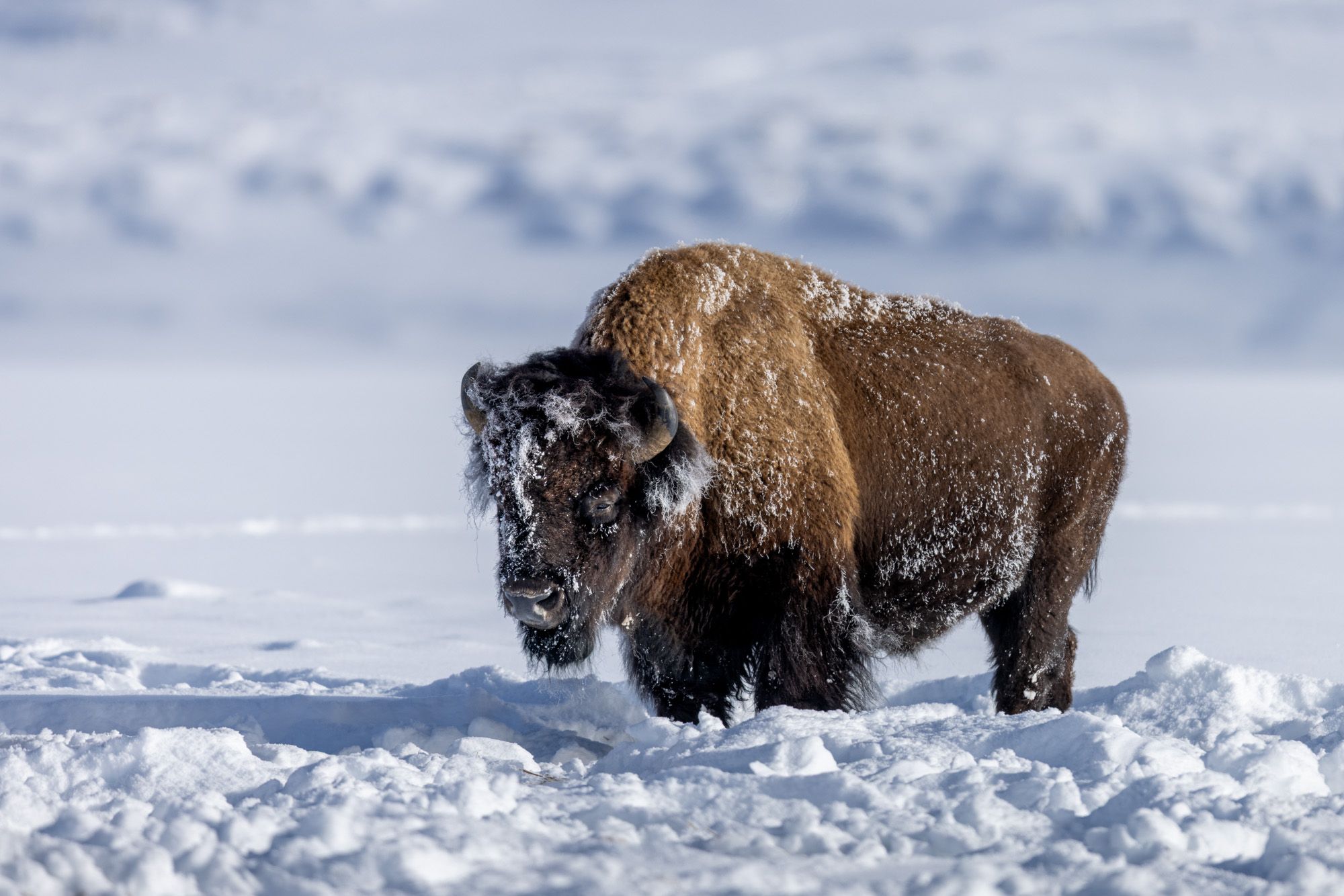
Incredible Year-Round Access and Opportunities
Many world-class wildlife destinations are extremely remote or difficult to access and are often only accessible or “good” for photography in certain seasons. Yellowstone is unique because it combines truly exceptional wildlife with relatively outstanding infrastructure and accessibility year-round.
The park’s extensive road system and numerous pull-offs make it possible to reach prime wildlife areas efficiently and safely. In places like the Lamar Valley and Hayden Valley, photographers can often observe and photograph wildlife directly from roadside viewpoints or short walks from the road.
This accessibility makes Yellowstone one of the best places in North America for both experienced wildlife photographers and those just beginning to explore wildlife photography. Regardless of your skill level and background, you’ll be able to get something great out of a photography trip to Yellowstone.
And better yet, Yellowstone offers incredible photographic opportunities and access throughout the entire year. Whether you want to visit during peak season in the middle of summer or avoid the crowds in the dead of winter, Yellowstone is ready.
Spring brings bears emerging from hibernation, newborn wildlife, the return of migratory species, lush green landscapes, and active predator behavior. Summer offers long days, abundant wildlife activity, and dramatic afternoon thunderstorm light. Autumn is famous for elk rutting season, beautiful fall color, raptor migrations, and crisp atmospheric conditions. Winter transforms Yellowstone into a frozen and desolate wilderness where wolves, foxes, bison, and elk move through snow-covered geothermal landscapes unlike anywhere else on Earth.
Each season offers completely different subjects, moods, and photographic possibilities, which is why so many photographers find themselves returning to Yellowstone again and again. Even if you’ve visited the park multiple times, I would highly recommend returning at a different time of year for a completely fresh experience.
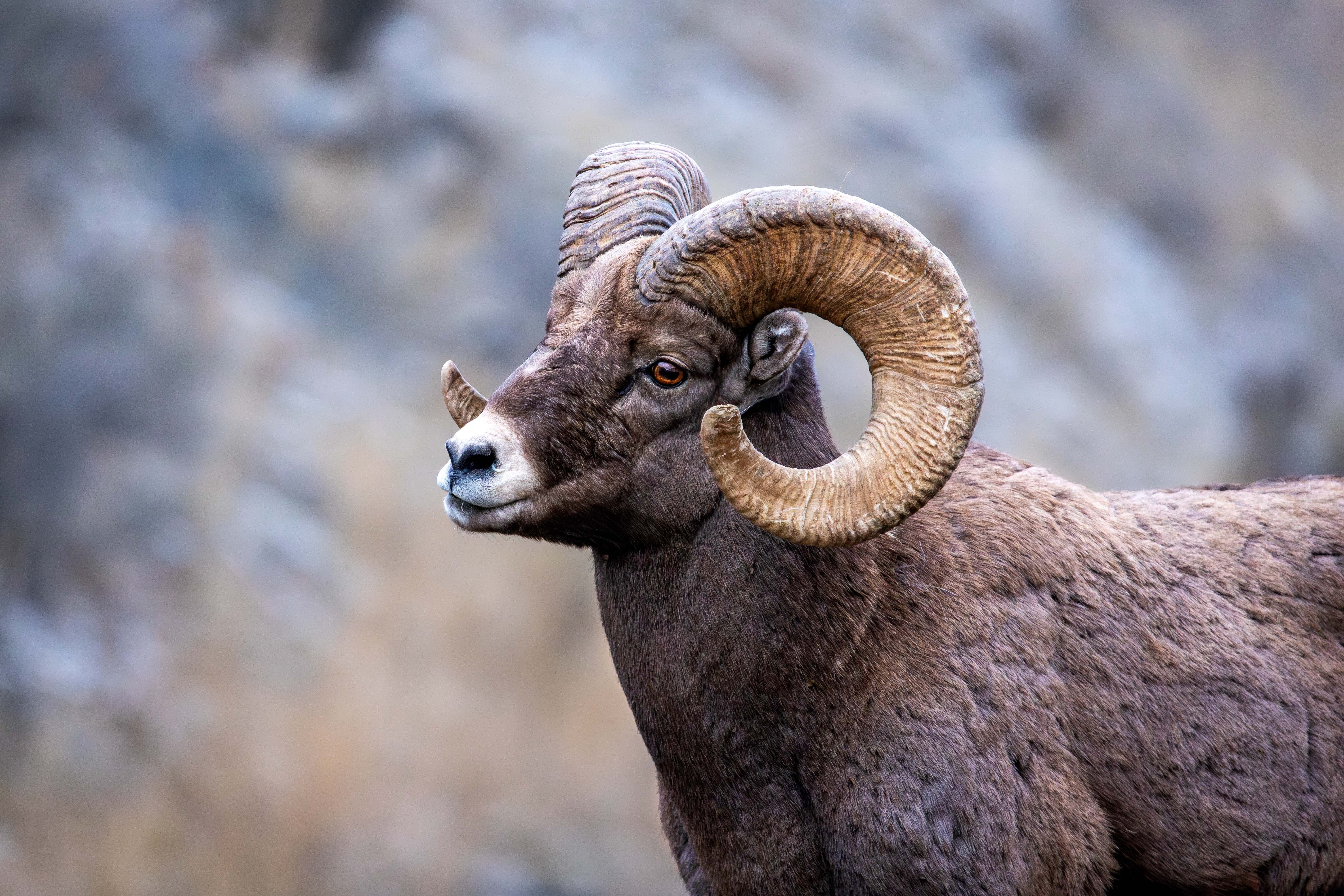
Experience Yellowstone with Backcountry Journeys
At Backcountry Journeys, Yellowstone has long been one of our favorite destinations for wildlife photography workshops — and for good reason. Few places provide this level of wildlife diversity, dramatic scenery, and photographic potential in such an accessible and inspiring setting.
Our Yellowstone photography workshops are designed to help photographers maximize both wildlife encounters and photographic opportunities while learning valuable field techniques along the way. From understanding animal behavior and improving wildlife composition to mastering changing light and challenging weather conditions, Yellowstone offers an incredible outdoor classroom for photographers of all experience levels.
More importantly, it is simply an unforgettable experience to spend time immersed in one of the wildest landscapes left in North America.
Be sure to check out some of our workshops in Yellowstone if you’d like to embark on a journey like this for yourself. We just launched a brand-new trip ‘Signature Yellowstone: Icons of the Park’, which is our longest and most in-depth exploration of the park. If you want a shorter trip check out our classic ‘Yellowstone Wildlife Safari’, and fi you want to visit in winter be sure to look into either our ‘Yellowstone’s Lamar Valley in Winter’ or our ‘Yellowstone in Winter’ workshops.
Whether you dream of photographing wolves in winter, grizzly bears in spring, or bison moving through geothermal steam at sunrise, Yellowstone offers moments that stay with you long after the trip is over.
If you have never experienced Yellowstone as a wildlife photographer, there is truly nothing quite like it. And if you have visited before, you already know why photographers return here year after year in search of the next unforgettable encounter.

We offer world-class travel photography
experiences around the world.
Each tour is bundled with lodging, meals, and transportation between workshops included, allowing you to focus on photography instead of the stress of traveling.
experiences around the world.
Each tour is bundled with lodging, meals, and transportation between workshops included, allowing you to focus on photography instead of the stress of traveling.
Learn More About This Trip
Get Our Trip Catalog
Receive a trip catalog that highlights all of our upcoming photo tours and workshops.Schedule a Trip Consultation
Meet with a photo experience coordinator, and experience a personal touch to your booking experience.Landscape Guide
Receive a FREE Landscape Cheat Sheet Written By a Pro Photographer.Webinars
Our regularly hosted webinars provide photography instruction from our own guides on a wide range of topics.Education Portal
Explore our library of articles that cover everything from common questions, to in-depth guides on how to achieve that perfect shot.
Backcountry Journeys
Connecting Passionate People To
Exceptional Experiences.
Exceptional Experiences.
Business Hours:
Mon-Fri, 8AM-4PM MT
928-478-1521
adventure@backcountryjourneys.com
Mon-Fri, 8AM-4PM MT
928-478-1521
adventure@backcountryjourneys.com
arrow_drop_down_circle
Divider Text
All Images & Content Are Property Of Backcountry Journeys Photography Tours, Workshops & Safaris LLC - Copyright 2026


About Us
Receive a Digital Trip Catalog
Find an upcoming photography tour with our interactive catalog.