2025 Travelers' Choice
Stay Up To Date On All Things
Backcountry Journeys
Backcountry Journeys
Our Photography Community
Our Webinars
Our regularly hosted webinars provide photography instruction from our own guides on a wide range of topics.Our Education Portal
Explore our library of articles that cover everything from common questions, to in-depth guides on how to achieve that perfect shot.Community Testimonials
We're proud to foster an amazing group of photo travelers, and here you can find their stories from their past adventures.About Backcountry Journeys
Why Choose Backcountry Journeys
If you're considering a photography trip, hear why Backcountry Journeys delivers the best experience in the industry.Frequently Asked Questions
If you're new to photography trips, or new to BCJ, you can find our common travel questions here.Fitness Levels
Our trips vary on physical intensity, and by reviewing our fitness levels, you can find out which trips may be more challenging, or aligned more closely with your comfort level.Meet The Crew
We've built an amazing team of experienced guides, and dedicated office staff that elevate your travel experience. Get to know their backgrounds, and hear their stories.Loyalty Program
We reward our frequent photo adventurers with exclusive discounts on amazing photography trips.Contact Us
If you need to get in touch with our office staff, or have additional business inquiries, you can find our information here.Refer a Friend
Know someone perfect for one of our tours? Recommend them through this quick form.Resources For Photographers
About Our Company
Shadows of Laikipia: Black Leopards & Rhinos of Kenya
Shadows of Laikipia: Black Leopards & Rhinos of Kenya
Special Edition Photo Safari
Upcoming Departures
arrow_drop_down_circle
Divider Text
[Block//Start Date %M j%+0] - [Block//End Date %M j, Y%+0]
[Block//Web Spots Left]
Trip Leader(s)
[Block//Trip Leader #1]
[Block//Trip Leader #2]
Starting From [Block//Current Price]
Single Supplement: +$1,995.00
[Block//Online Availability]
Deposit: $4,000.00
Start/End
Nairobi, Kenya (NBO) / Nairobi, Kenya (NBO)
Length
9 Days/8 Nights
Fitness Level
Level 1 - What's This?
Group Size
Up To 8 Guests
Highlights
Only 8 guests. Small enough to feel private. Exclusive enough to feel special.
Three dedicated photography vehicles. No jostling for position. No compromising your angle.
Built alongside Casey Mannes. World-class wildlife photographer and Backcountry Journeys guide. He knows these conservancies. He's photographed here. This itinerary is his vision.
Proven results. We've run multiple departures in these regions. Each one has produced exceptional images. Come see for yourself.
Trip Description:
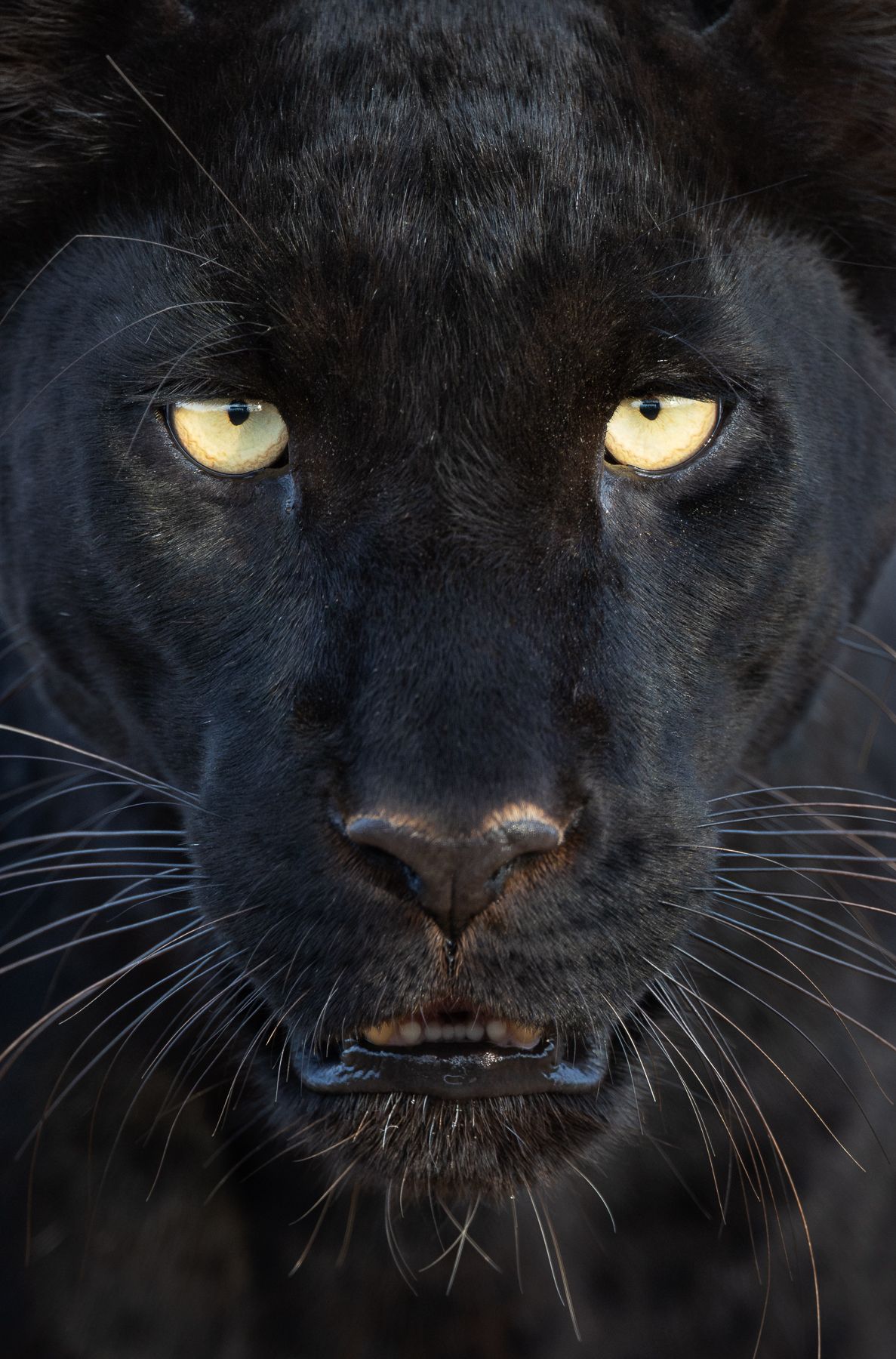
Some photographs change everything. A shadow in the acacia resolves into something impossible, obsidian fur, golden eyes, rosettes barely visible beneath a coat of pure black. You've just photographed a wild melanistic leopard in Africa. There are maybe a handful of people on Earth who can say that. After this trip, you could be one of them.
Shadows of Laikipia is a Special Edition wildlife photography safari, built around two locations we believe are simply the best places on Earth to photograph their respective subjects. No hyperbole. The best leopard conservancy in the world. The best rhino conservancy in the world. Back to back, in one extraordinary journey.
LAIKIPIA: THE KINGDOM OF THE BLACK LEOPARD
Laikipia has quietly become Africa's most exciting predator photography destination, and for serious wildlife photographers, it may already be the most important piece of wild land on the continent.
Spanning a vast mosaic of private conservancies on Kenya's central plateau, it hosts one of the highest densities of leopards anywhere on Earth, along with African wild dogs, lions, striped hyenas, elephants, and Grevy's zebra. But it's what moves in the shadows that has made Laikipia legendary.
Laikipia hosts the largest known population of black leopards in Africa. These are melanistic leopards, not a separate species, but a rare genetic variant in which excess pigmentation turns the coat almost entirely black, with the usual rosettes still faintly visible in certain lighting conditions. Confirmed sightings of melanistic leopards in Africa were nearly a century apart until 2019, when a wildlife photographer captured the first scientifically verified images in Laikipia. Scientists from San Diego Zoo Global confirmed that these black leopards range across multiple conservancies in Laikipia County — and since the start of dedicated leopard conservation programs in the region, researchers have identified at least three individual melanistic leopards in the study area, suggesting they may be more common here than anywhere else in Africa.
The most celebrated of them is Giza Mrembo, "the beautiful darkness" in Swahili, a melanistic leopard who has captured the imagination of wildlife enthusiasts worldwide.
No sighting can ever be guaranteed. But what we can guarantee is this: working with expert local trackers who know these conservancies intimately, operating three dedicated photography vehicles with generous space and optimal shooting angles, and drawing on multiple successful departures in this region, we have consistently put our guests in front of world-class leopard encounters — spotted and black — that produce images they'll spend the rest of their lives proud of.
Unlike the more crowded safari circuits, Laikipia offers complete off-road flexibility, low vehicle density, and the unhurried, purposeful kind of game driving that serious photographers need.
SOLIO: THE WORLD'S GREAT RHINO SANCTUARY
From Laikipia, we travel south into a place most safari-goers have never heard of, and that's exactly the point. Recognized as one of the most successful private rhino breeding sanctuaries in East Africa, Solio Ranch is a critical habitat for both endangered white and black rhinos. Established in 1970 on a former cattle ranch, it was originally created to breed Kenya's then-critically threatened black rhinos and its success became the foundation for rhino conservation across the country. Populations from Solio seeded Lewa, Ol Pejeta, Lake Nakuru, and reserves across the region. Without Solio, the story of Kenya's rhinos looks very different.
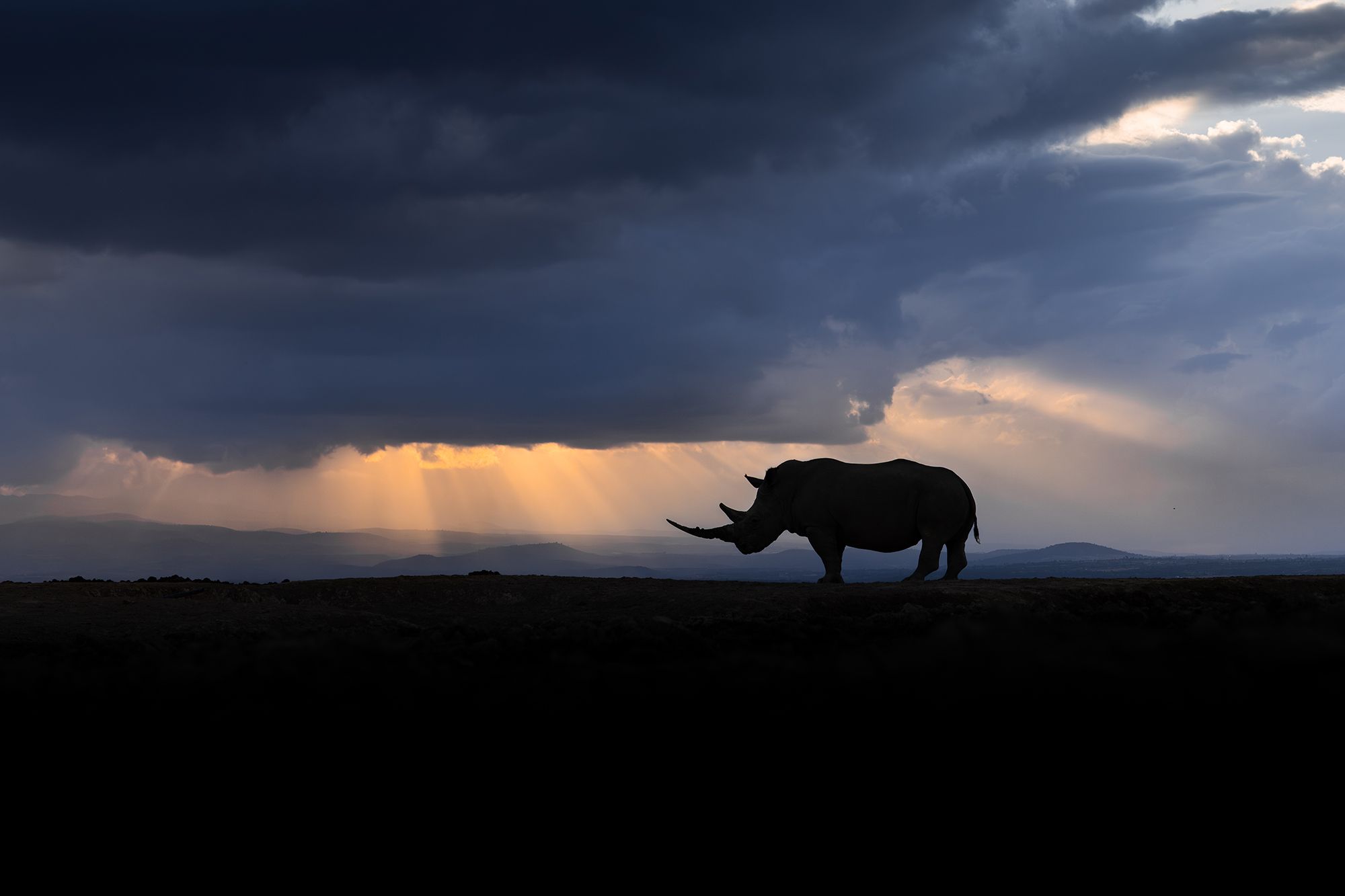
Today, 18,000-acre the reserve is home to over 45 black rhinos and more than 185 white rhinos, all moving through a valley nestled between the Aberdare Mountains and Mount Kenya. The photographic backdrop alone is extraordinary. It is not unusual to see twenty, even thirty rhinos in a single drive, grazing peacefully in open grasslands with Mount Kenya rising in the distance. Black rhinos browse through acacia scrub. White rhinos drift across golden plains in the soft morning light. Lions, leopards, buffalo, giraffe, hyena, and abundant plains game fill the frame between rhino encounters.
This is off the beaten path by design. Our legendary guide, Casey Mannes, helped us discover it and worked with us to create this magnificent trip.
THE SOLIO RHINO ORPHANAGE
One of the most moving experiences of the entire journey is a visit to Solio's rhino orphanage, where rescued calves are raised and rehabilitated for eventual return to the wild. As pioneers in rhino conservation, Solio's mission is to protect endangered species and offer a safe haven for orphaned animals. You'll get close, genuinely close, to young rhinos that have been given a second chance, hear directly from the conservancy team about the real-world challenges of protecting these animals, and leave with a deeper understanding of what it actually takes to keep a species alive. It's meaningful. And it produces images that go far beyond wildlife photography.
SPECIAL EDITION PHOTO SAFARI
Every element of Shadows of Laikipia was built from the ground up around photographic access, rare subjects, and intimate wildlife encounters, by people who have spent years working in these specific regions.
Only 8 guests. Small enough to feel private. Exclusive enough to feel special.
Three dedicated photography vehicles. No jostling for position. No compromising your angle.
Built alongside Casey Mannes. World-class wildlife photographer and Backcountry Journeys guide. He knows these conservancies. He's photographed here. This itinerary is his vision.
Proven results. We've run multiple departures in these regions. Each one has produced exceptional images. Come see for yourself.
Two of the greatest wildlife photography locations on Earth. One extraordinary expedition. We don't know of another trip like this anywhere.
What's Included
All listed meals and non-alcoholic beverages during the workshop
All transportation during the workshop
Charter flight from Nairobi to Laikipia
All lodging during the workshop
Airport transfers
Visit to the Solio Rhino Orphanage
All permits and park fees
Professional photography guiding and instruction
Gratuity for service staff and drivers
What's Not Included
Flights to and from Nairobi, Kenya (JKIA)
Meals not listed as included on the itinerary
Lodging outside workshop dates
Alcoholic beverages
Souvenirs and personal items
Gratuity for photography guide(s). Please refer to our FAQ section for more details about gratuities
Trip Insurance & Medical Evacuation Insurance (required) - see plans here.
Details
- Final Balance Due 180 days prior to Trip Start
- Standard terms & conditions apply. Please see our Cancellation / Transfer policy on our Frequently Asked Questions page.
- Trip Insurance Required


Trip Itinerary
Trip Itinerary
Most meals included – (B,L,D) denotes Breakfast, Lunch, Dinner
Day 1 — Arrive in Kenya (D)
Guests should arrive into Nairobi, Kenya (NBO). Upon arrival, you will be transferred to the conveniently located Crowne Plaza Nairobi Airport Hotel (subject to change) for an overnight stay.
Depending on arrival times, guests may relax at the hotel, organize camera gear, and meet fellow travelers before the adventure begins. We’ll gather for an orientation and welcome dinner beginning at 5 PM as we prepare for our expedition into Kenya’s legendary wildlife conservancies.
Days 2–5 — Shadows of Laikipia (B,L,D)
This morning, we depart Nairobi and fly north into the legendary Laikipia ecosystem, one of Africa’s premier wildlife conservation regions and a dream destination for predator photographers. Vast private conservancies, low tourism density, exceptional guiding, and healthy predator populations have made Laikipia famous among wildlife photographers seeking a more intimate and exclusive safari experience.
For the next four nights, we immerse ourselves in the rugged beauty of northern Kenya while exploring one of the greatest leopard regions in the world. Working alongside expert local guides and trackers who know the conservancy intimately, we focus our efforts on maximizing opportunities to photograph the region’s remarkable predators, especially Laikipia’s famous black leopards.
Days 6–8 — Rhinos of Solio Conservancy (B,L,D)
After one final morning in Laikipia, we journey south to Solio Conservancy, widely regarded as one of the best places in the world to photograph rhinos. Nestled between the slopes of Mount Kenya and the Aberdare Mountains, Solio is a true conservation success story and home to one of Kenya’s largest populations of both black and white rhinos.
Over the next three nights, we explore Solio’s beautiful open grasslands and acacia woodlands in search of extraordinary wildlife encounters. Massive white rhinos graze across golden plains while endangered black rhinos emerge cautiously from the bush. The photographic opportunities here are simply exceptional, often with dramatic mountain backdrops and incredible wildlife density.
In addition to rhinos, Solio supports lions, leopards, buffalo, giraffe, zebra, hyenas, and abundant plains game, ensuring that every game drive offers new photographic possibilities.
One of the most meaningful experiences of the expedition is our visit to the Solio Rhino Orphanage, where guests will gain firsthand insight into rhino conservation efforts and spend time close to orphaned rhinos being rehabilitated for the future. It is a rare and deeply moving experience that adds another powerful conservation element to this already unforgettable safari.
As always, our schedule remains flexible to adapt to wildlife activity, weather, and lighting conditions in pursuit of the strongest photographic opportunities possible.
Day 9 — Return to Nairobi & Departures (B)
After breakfast, we transfer to the airstrip for our flight back to Nairobi. Upon arrival, day rooms will be available near the airport before international departures later in the day.
As the expedition comes to a close, guests leave with not only remarkable wildlife images, but also memories of rare predator encounters, extraordinary rhino experiences, and time spent exploring some of Kenya’s most exclusive and conservation-focused wilderness areas.
Please note that the exact sequence of the itineraries on all photography trips will be based on weather and lighting conditions. The goal on these trips is to make sure we are at the right place at the right time for the perfect light on our subjects. Also, itineraries can change for a variety of other circumstances including floods, forest fires, national park closures, road closures, and more. Due to the nature of wildlife and landscape photography, we do not guarantee any specific sightings or specific compositions.
Physical Requirements
This trip requires minimal physical activity, as photography is primarily done from safari vehicles. Guests should expect bumpy rides on rough roads and will need to climb in and out of vehicles multiple times a day. While most walking is limited to lodge areas and designated sites, the terrain may be uneven. Days start early and can be long, with varying temperatures from cool mornings to warm afternoons. Participants should be comfortable handling their camera gear and adapting to the physical demands of extended time in the field.
Why Choose Backcountry Journeys?
UNPARALELLED
PHOTOGRAPHY
TRIPS
PHOTOGRAPHY
TRIPS
arrow_drop_down_circle
Divider Text
Explore over 100 worldwide photo tours and workshops tailored to photographers of all skill levels, from iconic U.S. National Parks to Africa's untamed savannahs.
THE BEST TEAM
IN THE
BUSINESS
IN THE
BUSINESS
arrow_drop_down_circle
Divider Text
We're proud to offer unmatched photography trips led by exceptional instructors who not only excel in photography but also serve as expert guides.
WORLD-CLASS
PHOTOGRAPHY
COMMUNITY
PHOTOGRAPHY
COMMUNITY
arrow_drop_down_circle
Divider Text
Join the Backcountry Journeys Tribe, where shared adventures in breathtaking locations foster lasting connections with fellow photographers in a warm, inclusive atmosphere.


[Block//Review]
[Block//Trip Reviewer//First Name] - [Block//Date Of Review %n/j/Y%+0]
Verified Guest

Worry Free Travel Guarantee!
Worry Free Travel Guarantee!

HERE’S THE DEAL
We offer one of the most rock solid guarantees in the travel industry - our worry free travel, peace of mind guarantee to you!We’re so confident that the Photography Trips we offer will not only meet but exceed the lofty expectations set forth on our website – if your trip experience does not 100% match the promises laid forth on our website we will gladly give you a credit toward a future trip.
Natural events such as wildlife & weather are certainly out of our control but every aspect of the trip including logistics, accommodations, vehicles, itinerary & your expert trip leaders will match the lofty promises we’ve made on the site – we guarantee it!

Backcountry Journeys
Connecting Passionate People To
Exceptional Experiences.
Exceptional Experiences.
Business Hours:
Mon-Fri, 8AM-4PM MT
928-478-1521
adventure@backcountryjourneys.com
Mon-Fri, 8AM-4PM MT
928-478-1521
adventure@backcountryjourneys.com
arrow_drop_down_circle
Divider Text
All Images & Content Are Property Of Backcountry Journeys Photography Tours, Workshops & Safaris LLC - Copyright 2026


About Us
Receive a Digital Trip Catalog
Find an upcoming photography tour with our interactive catalog.