2025 Travelers' Choice

Stay Up To Date On All Things
Backcountry Journeys
Backcountry Journeys
Our Photography Community
Our Webinars
Our regularly hosted webinars provide photography instruction from our own guides on a wide range of topics.Our Education Portal
Explore our library of articles that cover everything from common questions, to in-depth guides on how to achieve that perfect shot.Community Testimonials
We're proud to foster an amazing group of photo travelers, and here you can find their stories from their past adventures.About Backcountry Journeys
Why Choose Backcountry Journeys
If you're considering a photography trip, hear why Backcountry Journeys delivers the best experience in the industry.Frequently Asked Questions
If you're new to photography trips, or new to BCJ, you can find our common travel questions here.Fitness Levels
Our trips vary on physical intensity, and by reviewing our fitness levels, you can find out which trips may be more challenging, or aligned more closely with your comfort level.Meet The Crew
We've built an amazing team of experienced guides, and dedicated office staff that elevate your travel experience. Get to know their backgrounds, and hear their stories.Loyalty Program
We reward our frequent photo adventurers with exclusive discounts on amazing photography trips.Contact Us
If you need to get in touch with our office staff, or have additional business inquiries, you can find our information here.Refer a Friend
Know someone perfect for one of our tours? Recommend them through this quick form.Resources For Photographers
About Our Company
Wild Arizona: Birds, Bats & Desert Predators
Wild Arizona: Birds, Bats & Desert Predators
Upcoming Departures
arrow_drop_down_circle
Divider Text
[Block//Start Date %M j%+0] - [Block//End Date %M j, Y%+0]
[Block//Web Spots Left]
Trip Leader(s)
[Block//Trip Leader #1]
[Block//Trip Leader #2]
Starting From [Block//Current Price]
Single Supplement: +$649.00
[Block//Online Availability]
Deposit: $2,000.00
Start/End
Tucson, AZ / Tucson, AZ
Length
7 Days/6 Nights
Fitness Level
Level 1 - What's This?
Group Size
Up To 7 Guests
Highlights
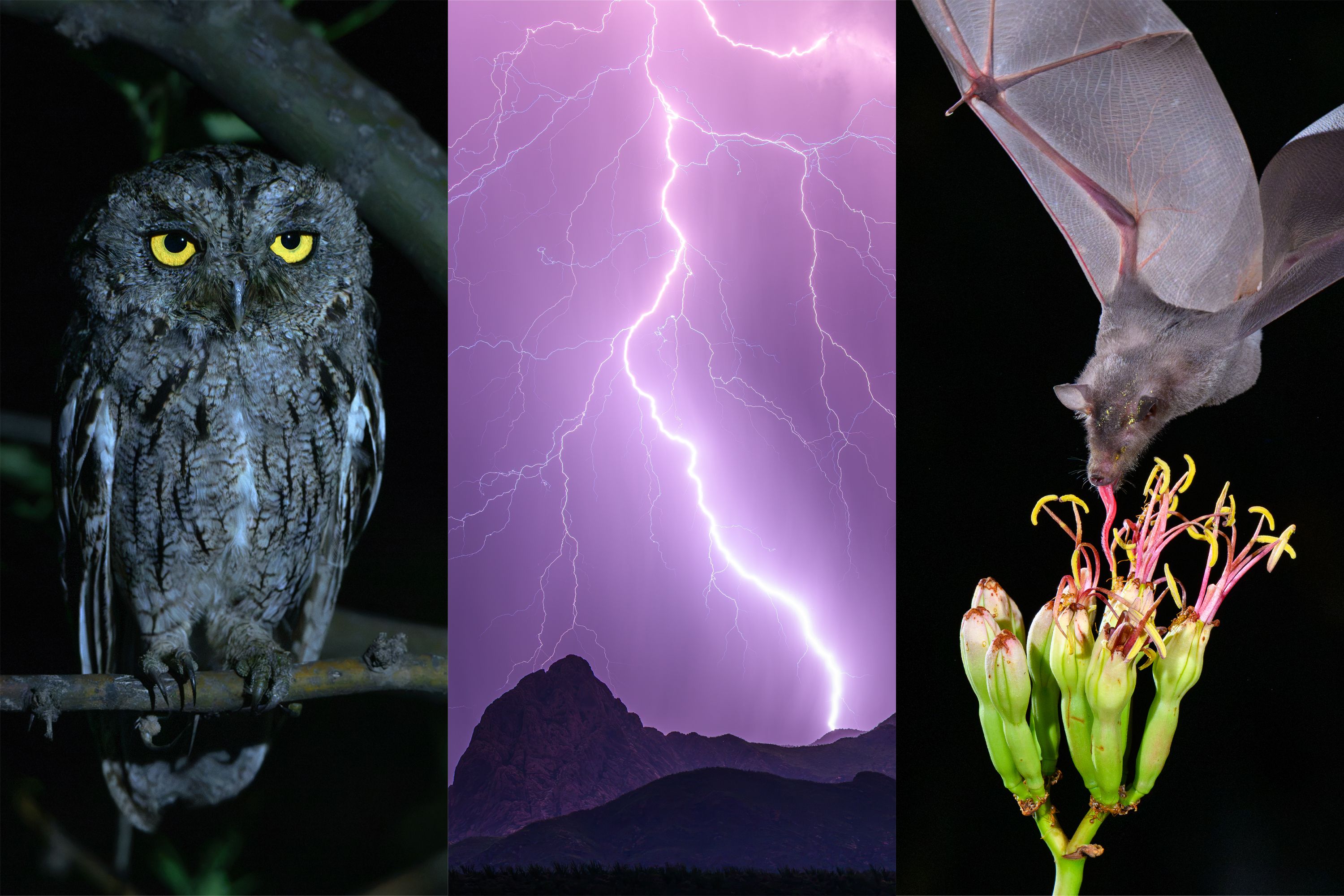
Unique Day-to-Night Photography: We’ll photograph desert birds by day, then shift into specialized nighttime setups for bats, owls, reptiles, and nocturnal wildlife.
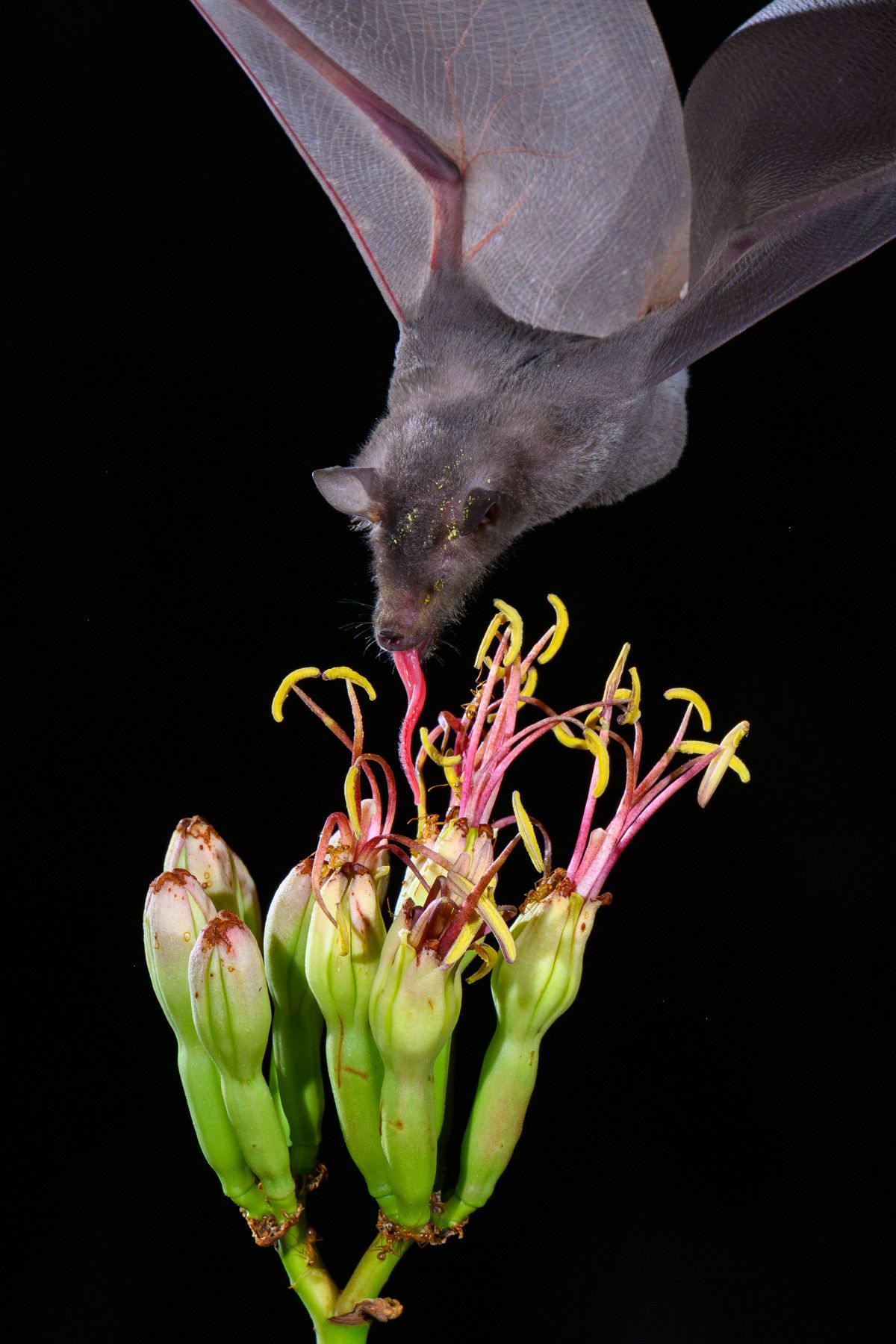
Exceptional Bat Photography: Our private wildlife sanctuary offers rare opportunities to photograph bats in flight over water or feeding from flowers using dedicated flash and trigger systems.
Diverse Southern Arizona Birdlife: We’ll target desert and mountain species such as Greater Roadrunner, Gambel’s Quail, Pyrrhuloxia, Vermilion Flycatcher, Painted Redstart, Mexican Jay, woodpeckers, orioles, and buntings.
Flexible Desert Wildlife Opportunities: Beyond birds and bats, we may encounter reptiles, monsoon skies, insects, spiders, and mammals such as gray fox, ringtail, bobcat, coatimundi, or spotted skunk.
Trip Description:
Southern Arizona is one of the most photographically rewarding regions in the United States, and this workshop is designed to showcase its incredible biodiversity from sunrise to well after the light has disappeared – when most people would have put their cameras away! With exclusive access to private wildlife photography locations, specialized setups, and expert local guidance, we'll photograph everything from colorful desert birds and elusive mountain species to bats in flight, reptiles, owls, mammals, and dramatic Sonoran Desert landscapes.
A Wildlife Photographer's Paradise
What makes this workshop special is access.
We'll be visiting one of the most productive wildlife photography properties in the entire Southwest. Rather than simply searching for wildlife, many of our photographic opportunities are carefully designed to maximize both encounters and image quality.
Throughout the week, you'll take advantage of:
Exclusive access to private low-profile photography hides
Professionally managed bird and wildlife setups
Multi-flash systems for bats and nocturnal wildlife
Specialized nighttime photography opportunities
The result is simple: more time photographing and less time waiting.
Birds Beyond Your Bucket List
Southern Arizona is legendary among bird photographers, and for good reason.
Located at the crossroads of the Sonoran Desert and the Sierra Madre, the region supports one of the highest concentrations of bird diversity in North America. Depending on the season, we may encounter more than 100 species during the workshop.
Highlights may include:
Elf Owl
Gambel's Quail
Vermilion Flycatcher
Pyrrhuloxia
Hooded Oriole
Gila Woodpecker
Varied Bunting
Black-throated Sparrow
Mexican Jay
Painted Redstart
Arizona Woodpecker
Acorn Woodpecker
Blue Grosbeak
Greater Roadrunner
Western Screech Owl
The crown jewel, however, is the spectacular Coppery-tailed Trogon, one of North America's most sought-after birds and a species found in only a handful of locations within the United States.
The Ultimate Bat Photography Experience
As impressive as the daytime photography can be, the nights are what truly set this workshop apart.
Working over a specially designed pond in one of Arizona's most productive bat habitats, we'll photograph bats using professional multi-flash systems specifically designed for high-speed wildlife photography. As bats skim across the water's surface, hover at flowers, and feed in the darkness, the flash systems freeze every detail, creating images unlike anything most photographers have ever attempted.
The best part?
You don't need any previous experience.
These setups have been refined over years and are designed to be approachable for photographers of all skill levels. We'll help dial in your camera settings, explain the process, and get you shooting quickly.
Features of the bat program include:
Professional multi-flash photography systems
Specialized bat photography setups
Guidance for photographers of all skill levels
Overnight camera monitoring by our photo guide w/ battery swaps and refocusing
The Desert After Dark
Once the sun sets, an entirely different world emerges.
Depending on conditions, we may pursue opportunities to photograph:
Owls
Elf Owl
Western Screech Owl
Whiskered Screech Owl
Reptiles & Amphibians
Gila Monster
Western Diamondback Rattlesnake
Sidewinder
Gopher Snake
Sonoran Desert Toad
Mammals
Coatimundi
Ringtail
Gray Fox
Spotted Skunk
Bobcat
American Black Bear
Smaller Desert Wonders
Sonoran Blonde Tarantula
Scorpions
Centipedes
Dozens of moth species during productive light-trap nights
No two evenings are exactly alike, which is part of what makes this workshop so exciting.
Spring Departures
Spring brings comfortable temperatures, migrating birds, active bats, nesting owls, and excellent opportunities for mammals. Migratory birds move through the region, reptiles begin emerging from winter dormancy, and the desert landscape begins to come alive with new growth.
Summer Departures
Summer is the season of abundance. Timed to coincide with peak biodiversity in southern Arizona, these departures offer exceptional bird and bat activity, active nectar-feeding bats, abundant reptiles and insects, and the possibility of dramatic monsoon storms sweeping across the landscape.
Regardless of the season, each departure is designed to maximize photographic opportunities from sunrise to well after dark.
Join Us Today!
Few wildlife photography workshops offer this much variety in a single trip. In one week, you can photograph vibrant desert birds, rare mountain specialties, bats frozen in flight, owls after dark, reptiles, insects, mammals, and dramatic monsoon skies—all from a base designed specifically for photographers. Wild Arizona: Birds, Bats & Desert Predators is a rare opportunity to experience the Sonoran Desert at every hour of the day and come home with a portfolio unlike any other.
What's Included
All listed meals and non-alcoholic beverages during the workshop
Transportation during the workshop
Drop-off at Tucson International Airport (TUS) on our final day
Studio/strobe lights, soft boxes, and accessories for night time shoots
All lodging during the workshop
All permits and park fees
Professional photography guiding and instruction
Gratuity for service staff
What's Not Included
Flights to and from starting location
Meals not listed as included on the itinerary
Airport transfer to arrival hotel
Lodging outside workshop dates
Alcoholic beverages
Souvenirs and personal items
Gratuity for photography guide(s). Please refer to our FAQ section for more details about gratuities
Trip Insurance & Medical Evacuation Insurance - see plans here.
Details
- Final Balance Due 120 days prior to Trip Start
- Standard terms & conditions apply. Please see our Cancellation / Transfer policy on our Frequently Asked Questions page.
- Trip Insurance Optional - but highly recommended


Trip Itinerary
Trip Itinerary
Most meals included – (B,L,D) denotes Breakfast, Lunch, Dinner
Because of our early start times and our priority for optimal shooting conditions, breakfast and lunch will be combined as a late morning "brunch" throughout the week. Dinners may often be "on the road" or pre-ordered during lunch in order to make the most of our shooting opportunities in the late afternoon.
Day 1: Arrival in Tuscon/Green Valley (D)
Arrive in Tucson and transfer to our hotel in Green Valley. We'll have introductions, orientation, and dinner at 5 pm. Afterwards, we’ll head to our private wildlife sanctuary where we'll be introduced to our shooting locations for the week. Depending on activity and conditions, we’ll photograph bats over the pond or work with nectar-feeding bats as they visit flowers after dark. This first evening is designed to be an easy introduction to the ranch, the equipment, and the unique nighttime photography opportunities that make this location so special.
Days 2–6: Birds, Bats, Reptiles & Desert Wildlife (L,D)
Each morning, we’ll return to the ranch around sunrise to collect the remote camera setups from the previous night’s bat photography session. After that, we’ll begin our morning bird photography session. From approximately 6:00 AM to 9:30 AM, we’ll photograph birds either at the pond or at a nearby mountain site. These two areas offer very different habitats with very little species overlapping, and that gives us a strong variety of desert and mountain bird photography opportunities throughout the trip. We’ll focus on both perched portraits and birds in flight, depending on the morning’s activity.
After the morning session, we’ll take a midday break for brunch (usually around 11 AM) and rest during the hottest and harshest light of the day. This break typically runs from late morning until mid-afternoon.
In the afternoon, we’ll meet for an early dinner around 4:00 PM (or we'll head out for shooting if weather permits), and then we'll return to our ranch for another photography session. These afternoon outings will remain flexible based on conditions, weather, and wildlife activity. We may photograph birds at the pond, look for reptiles, work with dramatic desert storm light, or take a short field trip to a nearby hummingbird area.
Around sunset, we’ll transition into our evening session. Some nights, we’ll sync cameras with specialized bat photography equipment and set up for high-speed bat imagery over the pond or around flowers. On other evenings, we may take advantage of opportunities to photograph elf owls, western screech owls, desert storms, or other nocturnal subjects in the area.
Because wildlife, weather, and light are constantly changing in southern Arizona, each day will be adjusted to make the most of the best available conditions. The goal is to balance productive bird photography, unique nighttime bat work, and the unexpected desert moments that make this region such an exciting place to photograph.
Day 7: Depart from Tucson
On our final morning, we’ll return to the ranch around sunrise to collect the remote camera setups from the final night’s bat photography session. We'll enjoy one last morning bird photography session, and then we'll take time to soak in the last views of the desert before heading back to Tucson by 11 AM.
Please note that the exact sequence of the itineraries on all photography trips will be based on weather and lighting conditions. The goal on these trips is to make sure we are at the right place at the right time for the perfect light on our subjects. Also, itineraries can change for a variety of other circumstances including floods, forest fires, national park closures, road closures, and more. Due to the nature of wildlife and landscape photography, we do not guarantee any specific sightings or specific compositions.
Physical Requirements
This workshop is classified as Level 1 and is appropriate for most participants with a basic level of mobility. Activities generally include short walks over relatively easy terrain, such as desert trails, dirt paths, and natural surfaces. The majority of photography locations are easily accessible.
Although the physical requirements of this trip are minimal, participants should be aware that parts of the workshop take place in the Sonoran Desert, where temperatures can become extremely high, especially during our summer departures. This northeastern region represents the highest elevation of the Sonoran Desert and is characterized by grassy plains, mountain ranges, and iconic saguaro cactus forests. To enhance comfort and optimize wildlife activity, photography sessions are scheduled during the cooler morning and evening hours, with rest periods during the hottest part of the day.
We strongly advise participants to stay well-hydrated throughout the day especially for our summer departures, wear lightweight sun-protective clothing, use a hat and sunscreen, and closely monitor their hydration and comfort levels.
Why Choose Backcountry Journeys?
UNPARALELLED
PHOTOGRAPHY
TRIPS
PHOTOGRAPHY
TRIPS
arrow_drop_down_circle
Divider Text
Explore over 100 worldwide photo tours and workshops tailored to photographers of all skill levels, from iconic U.S. National Parks to Africa's untamed savannahs.
THE BEST TEAM
IN THE
BUSINESS
IN THE
BUSINESS
arrow_drop_down_circle
Divider Text
We're proud to offer unmatched photography trips led by exceptional instructors who not only excel in photography but also serve as expert guides.
WORLD-CLASS
PHOTOGRAPHY
COMMUNITY
PHOTOGRAPHY
COMMUNITY
arrow_drop_down_circle
Divider Text
Join the Backcountry Journeys Tribe, where shared adventures in breathtaking locations foster lasting connections with fellow photographers in a warm, inclusive atmosphere.


[Block//Review]
[Block//Trip Reviewer//First Name] - [Block//Date Of Review %n/j/Y%+0]
Verified Guest

Worry Free Travel Guarantee!
Worry Free Travel Guarantee!

HERE’S THE DEAL
We offer one of the most rock solid guarantees in the travel industry - our worry free travel, peace of mind guarantee to you!We’re so confident that the Photography Trips we offer will not only meet but exceed the lofty expectations set forth on our website – if your trip experience does not 100% match the promises laid forth on our website we will gladly give you a credit toward a future trip.
Natural events such as wildlife & weather are certainly out of our control but every aspect of the trip including logistics, accommodations, vehicles, itinerary & your expert trip leaders will match the lofty promises we’ve made on the site – we guarantee it!

Backcountry Journeys
Connecting Passionate People To
Exceptional Experiences.
Exceptional Experiences.
Business Hours:
Mon-Fri, 8AM-4PM MT
928-478-1521
adventure@backcountryjourneys.com
Mon-Fri, 8AM-4PM MT
928-478-1521
adventure@backcountryjourneys.com
arrow_drop_down_circle
Divider Text
All Images & Content Are Property Of Backcountry Journeys Photography Tours, Workshops & Safaris LLC - Copyright 2026


About Us
Receive a Digital Trip Catalog
Find an upcoming photography tour with our interactive catalog.