2025 Travelers' Choice

Stay Up To Date On All Things
Backcountry Journeys
Backcountry Journeys
Our Photography Community
Our Webinars
Our regularly hosted webinars provide photography instruction from our own guides on a wide range of topics.Our Education Portal
Explore our library of articles that cover everything from common questions, to in-depth guides on how to achieve that perfect shot.Community Testimonials
We're proud to foster an amazing group of photo travelers, and here you can find their stories from their past adventures.About Backcountry Journeys
Why Choose Backcountry Journeys
If you're considering a photography trip, hear why Backcountry Journeys delivers the best experience in the industry.Frequently Asked Questions
If you're new to photography trips, or new to BCJ, you can find our common travel questions here.Fitness Levels
Our trips vary on physical intensity, and by reviewing our fitness levels, you can find out which trips may be more challenging, or aligned more closely with your comfort level.Meet The Crew
We've built an amazing team of experienced guides, and dedicated office staff that elevate your travel experience. Get to know their backgrounds, and hear their stories.Loyalty Program
We reward our frequent photo adventurers with exclusive discounts on amazing photography trips.Contact Us
If you need to get in touch with our office staff, or have additional business inquiries, you can find our information here.Refer a Friend
Know someone perfect for one of our tours? Recommend them through this quick form.Resources For Photographers
About Our Company
Australia Wildlife Photo Safari: Tasmania, Kangaroo Island & Gippsland
Australia Wildlife Photo Safari: Tasmania, Kangaroo Island & Gippsland
Lodge-Based Photo Safari
Upcoming Departures
arrow_drop_down_circle
Divider Text
[Block//Start Date %M j%+0] - [Block//End Date %M j, Y%+0]
[Block//Web Spots Left]
Trip Leader(s)
[Block//Trip Leader #1]
[Block//Trip Leader #2]
Starting From [Block//Current Price]
Single Supplement: +$2,995.00
[Block//Online Availability]
Deposit: $5,000.00
Start/End
Melbourne Airport (MEL) / Adelaide Airport (ADL)
Length
16 Days/15 Nights
Fitness Level
Level 1 - What's This?
Group Size
Up To 11 Guests
Highlights
Gippsland Wildlife Diversity: Photograph wallabies, kangaroos, lyrebirds, parrots, and wetland birds in expansive lake systems, paperbark forests, and coastal heathlands.
Tasmanian Icons & Rarities: Capture wombats, echidnas, platypus, quolls, and Tasmanian devils within mossy rainforests, alpine plateaus, and remote highland ecosystems.
Cradle Mountain Encounters: Work with grazing wombats, alpine wallabies, echidnas, and raptors amid glacial lakes, dramatic peaks, shifting weather, and atmospheric light.
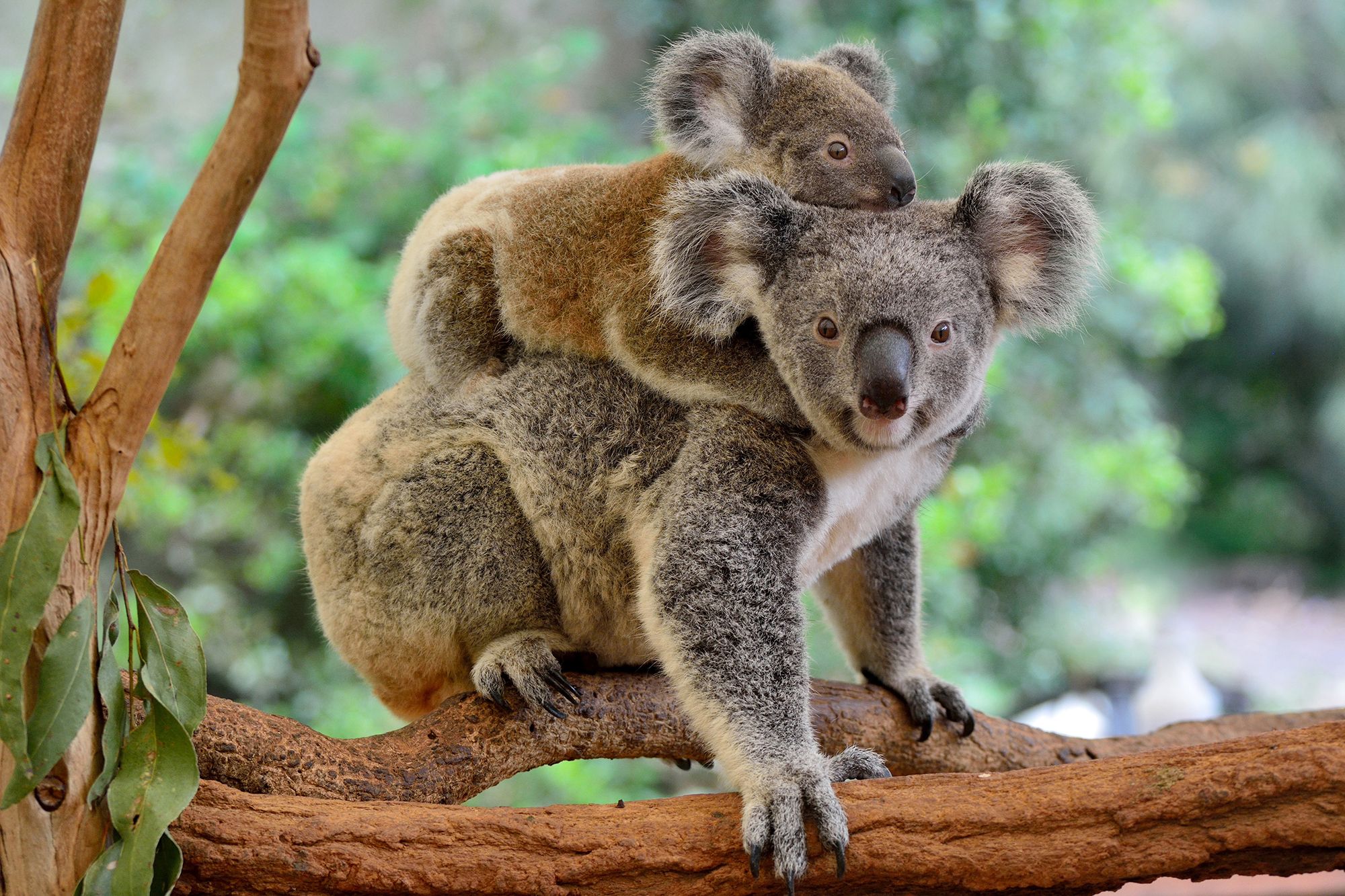
Kangaroo Island Endemics: Enjoy private access to Australian sea lions and photograph koalas, tammar wallabies, Rosenberg’s goannas, glossy black cockatoos, and coastal raptors along rugged shorelines and inland refuges.
Trip Description:
This journey brings together three of the most photographically rich regions in Australia—Gippsland, Tasmania, and Kangaroo Island—into one cohesive workshop designed exclusively for Backcountry Journeys travelers. Each location offers distinct ecosystems, wildlife behavior, and shooting conditions, allowing us to work in environments that range from calm lakes and dense forests to alpine plateaus and rugged coastlines. The result is an itinerary that covers far more visual diversity than a typical Australia trip, and one that places photographers in the right places at the right times with the support of expert local guides.
We begin in Gippsland, an underrated region of southeast Australia known for its expansive lake systems, coastal heathlands, and eucalyptus forests. This area is home to a surprising concentration of wildlife, including wallabies, kangaroos, parrots, lyrebirds, and water birds that thrive in the region’s wetlands and forest edges. Early and late light brings out textures in the paperbark forests, mirror-like reflections on the lakes, and excellent opportunities for capturing wildlife in clean, natural settings. The mix of forest, coast, and inland plains makes Gippsland a strong opening chapter, giving photographers a broad range of subjects before we transition into the cooler, more dramatic landscapes of Tasmania.
Tasmania introduces an entirely different visual identity. At Mt Field National Park, we work among rainforest gullies, moss-covered logs, waterfalls, and mountain streams—elements that lend themselves to long exposures, intimate landscape compositions, and close encounters with species such as wombats, echidnas, and platypus. The park’s cool, filtered light and richly textured forest floor offer ideal conditions for photographers who enjoy slow, deliberate compositions and a more contemplative approach to shooting. This environment provides a sharp contrast to Australia’s better-known arid landscapes, revealing a side of the country that feels almost prehistoric.
From Mt Field, we move into the Tasmanian Highlands, an open plateau known for its remote feel and frequent wildlife activity. Thousand Lakes Lodge places us in the center of a sparsely populated wilderness, where Tasmanian devils, quolls, wombats, and raptors are often seen close to our accommodation. The broad horizons, subtle colors, and tundra-like vegetation make this region particularly compelling for landscape work, especially during sunrise and sunset when light moves quickly across the open terrain. On clear nights, the dark skies provide excellent opportunities for astrophotography and, on rare occasions, the Aurora Australis.
Cradle Mountain offers some of the most iconic scenery in Tasmania, combining dramatic alpine peaks with glacial lakes, boardwalk trails, and abundant wildlife. Dawn sessions at Dove Lake provide classic foreground reflections and alpine color, while the surrounding heathlands and grasslands are ideal for photographing wombats, wallabies, and echidnas in natural habitat. The region’s rapidly shifting weather can produce soft fog, fast-moving clouds, and atmospheric conditions that make the landscape exceptionally photogenic. Additionally, our visit to Devils Cradle provides a controlled environment for observing and photographing Tasmanian devils at close range.
We conclude on Kangaroo Island, one of Australia’s most important wildlife refuges. Its combination of protected coastlines, endemic species, and limited development makes it a standout location for nature photography. Highlights include a private dawn session at Seal Bay, where we photograph endangered Australian sea lions before public access begins; coastal viewpoints with turquoise surf and sculpted cliffs; inland habitats where koalas, wallabies, and kangaroos are frequently seen; and Flinders Chase National Park, home to the sculptural Remarkable Rocks and Admirals Arch. The island’s mix of wildlife encounters, rugged shorelines, and varied light conditions provides a strong finale and an unusually comprehensive set of photographic opportunities.
Across the regions we explore, several standout species offer exceptional photographic opportunities. In Tasmania, wombats are often the stars of the show—particularly around Cradle Mountain, where they graze openly in the early morning and late afternoon. Their calm demeanor and predictable behavior make them ideal subjects for close-range, low-angle wildlife portraits. Platypus are another highlight, especially in Mt Field and along rivers near Deloraine; while elusive, they can be photographed during calm periods when they surface repeatedly in predictable patterns. Echidnas, with their slow, deliberate movements and distinctive spines, allow for detailed behavioral shots, and their presence across both Tasmania and Kangaroo Island gives us multiple chances to work with them in different environments. The eastern quoll and Tasmanian devil, though more nocturnal, are species few photographers get to observe closely; controlled nocturnal viewing and sanctuary access allow us to capture sharp, intimate images of these rare carnivores.
Kangaroo Island introduces an entirely different set of species, many of which are endemic or hold important conservation status. The Australian sea lion colony at Seal Bay is one of the most significant in the world, and our private access at dawn provides a rare opportunity to photograph natural behaviors—sleeping juveniles, bulls vocalizing, pups interacting—without crowds. Rosenberg’s goannas, glossy black cockatoos, tammar wallabies, and Kangaroo Island kangaroos each offer distinct photographic potential, from dynamic wildlife behavior to portrait-style compositions. Raptors such as wedge-tailed eagles, ospreys, and swamp harriers are frequently seen along the coastlines and open plains, giving action-oriented photographers opportunities for flight shots and environmental portraits. Combined with the island’s clear light and open terrain, these species create a diverse and compelling wildlife portfolio that complements what we capture in mainland Australia and Tasmania.
Together, these locations form a workshop that emphasizes variety, access, and expert guidance—hallmarks of Backcountry Journeys trips. By combining three distinct regions into a single itinerary, we’re able to offer photographers a rare opportunity to capture Australia’s southern wilds in depth, from quiet rainforest details to fast-moving wildlife and dramatic coastal landscapes. This trip is crafted to deliver a complete photographic experience across environments that most travelers never explore in a single journey!
What's Included
All listed meals and non-alcoholic beverages during the workshop
All lodging during the workshop
Internal flights
Airport transfers
All permits and park fees
Professional photography guiding and instruction
Gratuity for hotel, restaurant, and service staff
What's Not Included
International flights
Meals not listed as included on the itinerary
Lodging outside workshop dates
Alcoholic beverages
Souvenirs and personal items
Gratuity for photography guide(s). Please refer to our FAQ section for more details about gratuities
Trip Insurance & Medical Evacuation Insurance - see plans here.
Details
- Final Balance Due 180 days prior to Trip Start
- Specialized Itinerary terms & conditions apply. Please see our Cancellation / Transfer policy on our Frequently Asked Questions page.
- Trip Insurance Required


Trip Itinerary
Trip Itinerary
Most meals included – (B,L,D) denotes Breakfast, Lunch, Dinner
Day 1 – Melbourne (D)
On arrival your driver will transfer you from Melbourne International Airport via private transfer to your hotel. Please note, check-in at most Australian hotels is 2 pm. Tonight we'll meet for a welcome dinner followed by orientation where we'll discuss the exciting adventures that start tomorrow morning.
Day 2 – Melbourne to Gippsland (B,L,D)
We’ll leave Melbourne and make our way east through Gippsland, stopping whenever the light or scenery begs for a photo. Once we reach Metung and settle in, we’ll head out for our first real shoot around the lakes, chasing reflections, native wildlife, and warm afternoon light through sunset.
Day 3 – East Gippsland (B,L,D)
We’ll spend the day exploring East Gippsland’s forests, streams, and open plains, moving between tall eucalypts, fern gullies, and wider river landscapes as we look for wallabies, goannas, and forest birds. By late afternoon we’ll shift into broader scenes and silhouettes before returning to Metung to unwind and review our shots.
Days 4–5 – Gippsland Immersion (B,L,D)
We’ll use the next two days to sink into Gippsland’s incredible diversity, heading out morning and evening to maximize wildlife encounters. We’ll wander through everything from coastal heathlands to eucalyptus forests and rainforest pockets, photographing species like wallabies, kangaroos, platypus, goannas, lyrebirds, parrots, fairy-wrens, emu-wrens, and waterfowl in their natural habitats.
Day 6 – Gippsland to Melbourne (B,L,D)
We’ll enjoy one last morning shoot—whether that ends up being along the coast or deep in the forest—before making our way back to Melbourne for a comfortable evening in the city.
Day 7 – Melbourne to Mt Field National Park (Tasmania) (B,L,D)
We’ll fly to Hobart and meet our Tasmanian guide before heading to Bonorong Wildlife Sanctuary for close encounters with devils, kangaroos, and other native species. From there we’ll make our way into the Mt Field region, where peaceful rainforest, waterfalls, and curious animals like wombats, echidnas, and platypus set the tone for our first Tasmanian evening.
Day 8 – Mt Field to the Tasmanian Highlands (B,L,D)
We’ll start the morning photographing soft light filtering through rainforest and eucalypt groves, keeping an eye out for platypus, wombats, wallabies, and native birdlife. Later we’ll head north into the remote Tasmanian Highlands, settling into Thousand Lakes Lodge—an ideal base for spotting devils, quolls, wombats, and even the chance of aurora if we’re lucky.
Day 9 – Highlands to Cradle Mountain (B,L,D)
We’ll step right out the door at dawn for wildlife opportunities near the lodge before traveling through the foothills of Mount Roland and visiting the glow-worm-lit Mole Creek Caves. Later we’ll arrive at Cradle Mountain, where abundant wildlife and dramatic scenery will shape our photography. After dinner, we’ll head into the park for a dusk session with grazing wombats framed by the mountain peaks.
Day 10 – Cradle Mountain (B,L,D)
We’ll greet the morning at Cradle Mountain with still lakes, alpine textures, and the chance to photograph wombats, wallabies, and echidnas as they emerge for the day. After breakfast we’ll enjoy optional walks and downtime before visiting Devils@Cradle for an unforgettable up-close wildlife encounter and plenty of creative shooting opportunities.
Day 11 – Cradle Mountain to Adelaide (B,L,D)
We’ll take our final stroll around Cradle Mountain with a chance to spot a platypus along the Meander River, then continue to Launceston for our flight to Adelaide, settling into our hotel for a relaxed evening in the city.
Day 12 – Adelaide to Kangaroo Island (B,L,D)
Today we’ll fly to Kangaroo Island, where our next adventure awaits! Once we arrive, we’ll spend the afternoon around wetlands and coastal areas photographing water birds, raptors, shorelines, and a glowing island sunset before settling into our accommodations.
Day 13 – Kangaroo Island Wildlife & Coasts (B,L,D)
We’ll begin with a private dawn experience at Seal Bay, photographing endangered Australian sea lions with the entire beach to ourselves. From there we’ll explore the turquoise waters and rock pools of the south coast, enjoy a gourmet bush brunch, then continue across the island in search of kangaroos, wallabies, koalas, raptors, and spring wildflowers. In the evening, we’ll have the option to head out again for nocturnal wildlife and stargazing.
Day 14 – Flinders Chase National Park (B,L,D)
We’ll dedicate the day to Flinders Chase, photographing the wild southwest of the island—Remarkable Rocks, Admirals Arch, coastal cliffs, fur seals, native bush, and sweeping Southern Ocean views. We’ll enjoy a private lunch site in the park and spend the afternoon seeking out wildlife and birds among the forests and open plains before returning to the lodge for dinner.
Day 15 – Kangaroo Island to Adelaide (B,L,D)
We’ll start the day at Cape Willoughby for sunrise over the strait, surrounded by kangaroos and wallabies in the early light. From there we’ll explore historic sites, lighthouse trails, river systems, and more wildlife habitat before enjoying a final gourmet bush lunch. Later we’ll fly back to Adelaide and share a farewell dinner to wrap up our adventure.
Day 16 – Departure from Adelaide (B)
We’ll enjoy a relaxed breakfast together before saying our goodbyes and wrapping up an unforgettable photography journey across southern Australia.
Please note that the exact sequence of the itineraries on all photography trips will be based on weather and lighting conditions. The goal on these trips is to make sure we are at the right place at the right time for the perfect light on our subjects. Also, itineraries can change for a variety of other circumstances including floods, forest fires, national park closures, road closures, and more. Due to the nature of wildlife and landscape photography, we do not guarantee any specific sightings or specific compositions.
Physical Requirements
This workshop involves easy to moderate activity throughout the trip. Expect short walks on maintained trails, boardwalks, and uneven natural surfaces. We will find ourselves in forests, wetlands, and coastal areas as we move to wildlife viewing and photography locations. You’ll be on your feet during daily dawn and dusk outings, with early mornings and variable weather common across Tasmania, Kangaroo Island, and Gippsland. No strenuous hiking is required but you should be comfortable walking at a steady pace, navigating gentle elevation changes and carrying your camera gear for each outing.
Why Choose Backcountry Journeys?
UNPARALELLED
PHOTOGRAPHY
TRIPS
PHOTOGRAPHY
TRIPS
arrow_drop_down_circle
Divider Text
Explore over 100 worldwide photo tours and workshops tailored to photographers of all skill levels, from iconic U.S. National Parks to Africa's untamed savannahs.
THE BEST TEAM
IN THE
BUSINESS
IN THE
BUSINESS
arrow_drop_down_circle
Divider Text
We're proud to offer unmatched photography trips led by exceptional instructors who not only excel in photography but also serve as expert guides.
WORLD-CLASS
PHOTOGRAPHY
COMMUNITY
PHOTOGRAPHY
COMMUNITY
arrow_drop_down_circle
Divider Text
Join the Backcountry Journeys Tribe, where shared adventures in breathtaking locations foster lasting connections with fellow photographers in a warm, inclusive atmosphere.


[Block//Review]
[Block//Trip Reviewer//First Name] - [Block//Date Of Review %n/j/Y%+0]
Verified Guest

Worry Free Travel Guarantee!
Worry Free Travel Guarantee!

HERE’S THE DEAL
We offer one of the most rock solid guarantees in the travel industry - our worry free travel, peace of mind guarantee to you!We’re so confident that the Photography Trips we offer will not only meet but exceed the lofty expectations set forth on our website – if your trip experience does not 100% match the promises laid forth on our website we will gladly give you a credit toward a future trip.
Natural events such as wildlife & weather are certainly out of our control but every aspect of the trip including logistics, accommodations, vehicles, itinerary & your expert trip leaders will match the lofty promises we’ve made on the site – we guarantee it!

Backcountry Journeys
Connecting Passionate People To
Exceptional Experiences.
Exceptional Experiences.
Business Hours:
Mon-Fri, 8AM-4PM MT
928-478-1521
adventure@backcountryjourneys.com
Mon-Fri, 8AM-4PM MT
928-478-1521
adventure@backcountryjourneys.com
arrow_drop_down_circle
Divider Text
All Images & Content Are Property Of Backcountry Journeys Photography Tours, Workshops & Safaris LLC - Copyright 2026


About Us
Receive a Digital Trip Catalog
Find an upcoming photography tour with our interactive catalog.