2025 Travelers' Choice

Stay Up To Date On All Things
Backcountry Journeys
Backcountry Journeys
Our Photography Community
Our Webinars
Our regularly hosted webinars provide photography instruction from our own guides on a wide range of topics.Our Education Portal
Explore our library of articles that cover everything from common questions, to in-depth guides on how to achieve that perfect shot.Community Testimonials
We're proud to foster an amazing group of photo travelers, and here you can find their stories from their past adventures.About Backcountry Journeys
Why Choose Backcountry Journeys
If you're considering a photography trip, hear why Backcountry Journeys delivers the best experience in the industry.Frequently Asked Questions
If you're new to photography trips, or new to BCJ, you can find our common travel questions here.Fitness Levels
Our trips vary on physical intensity, and by reviewing our fitness levels, you can find out which trips may be more challenging, or aligned more closely with your comfort level.Meet The Crew
We've built an amazing team of experienced guides, and dedicated office staff that elevate your travel experience. Get to know their backgrounds, and hear their stories.Loyalty Program
We reward our frequent photo adventurers with exclusive discounts on amazing photography trips.Contact Us
If you need to get in touch with our office staff, or have additional business inquiries, you can find our information here.Refer a Friend
Know someone perfect for one of our tours? Recommend them through this quick form.Resources For Photographers
About Our Company
Solar Eclipse: New Zealand
Solar Eclipse: New Zealand
Lodge-Based Photo Workshop
Upcoming Departures
arrow_drop_down_circle
Divider Text
[Block//Start Date %M j%+0] - [Block//End Date %M j, Y%+0]
[Block//Web Spots Left]
Trip Leader(s)
[Block//Trip Leader #1]
[Block//Trip Leader #2]
Starting From [Block//Current Price]
Single Supplement: +$1,995.00
[Block//Online Availability]
Deposit: $5,000.00
Start/End
Queenstown, New Zealand / Queenstown, New Zealand
Length
11 Days/10 Nights
Fitness Level
Level 1 - What's This?
Group Size
Up To 8 Guests
Highlights
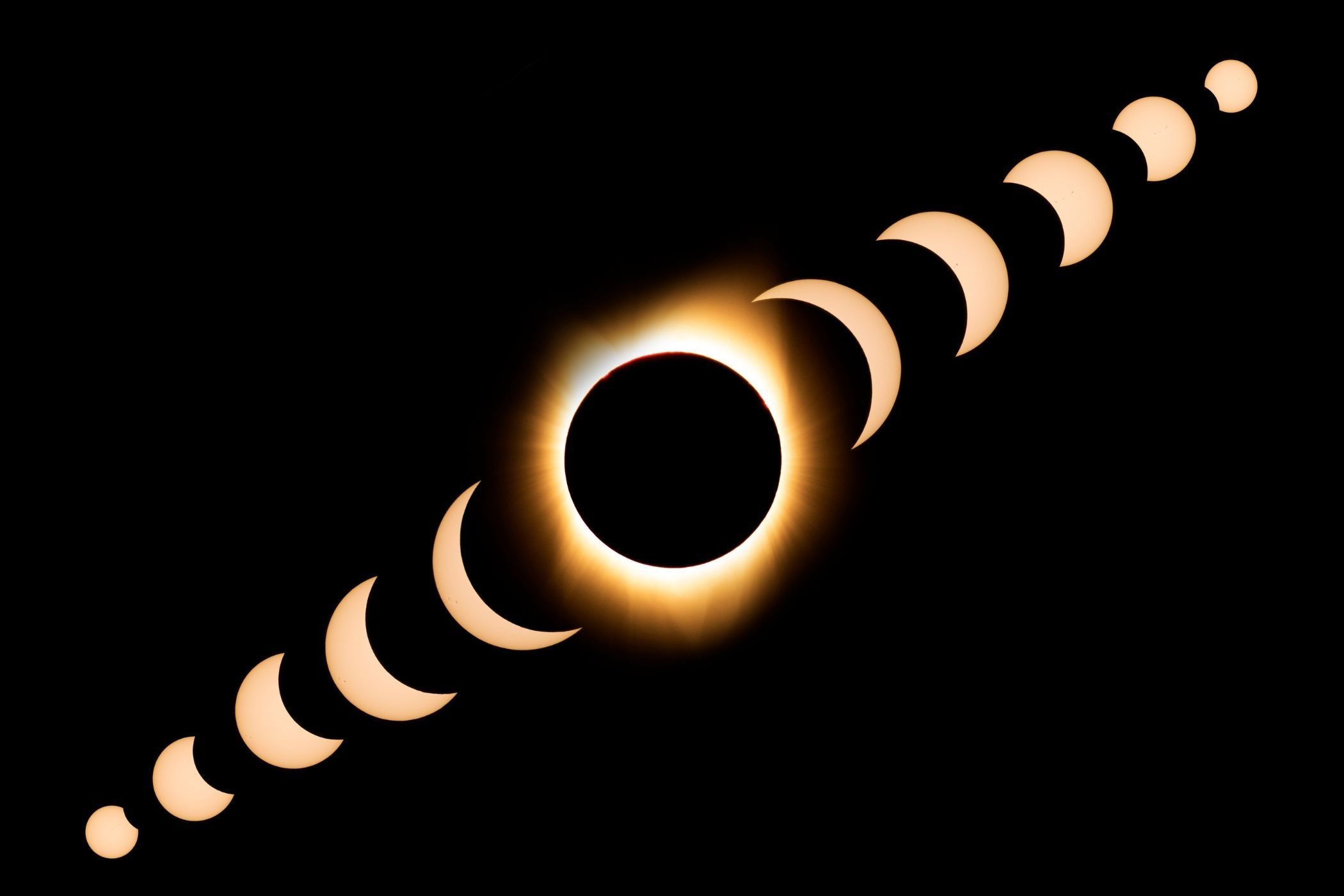
Solar Eclipse in Dramatic Landscapes: Photograph the July 22, 2028 total solar eclipse from a carefully chosen South Island location, blending a rare celestial event with powerful foregrounds for truly one-of-a-kind images.
Incredible Diversity of Terrain: Capture everything from alpine peaks and turquoise glacial lakes to lush rainforest and rugged West Coast beaches—all within a single, thoughtfully designed itinerary.
Aoraki / Mount Cook & Glacial Lakes: Work iconic scenes like Lake Pukaki, Lake Ohau, and Tasman Lake, where “rock flour” creates surreal blue tones and New Zealand’s tallest peaks provide striking compositions.
Fiordland’s Moody Wilderness: Photograph the towering cliffs, waterfalls, and misty атмосpheres of Milford Sound and surrounding forests, with opportunities for wildlife like the curious kea and endlessly dynamic weather conditions.
Trip Description:
New Zealand’s South Island is a landscape photographer’s dream—an ever-changing canvas where jagged alpine peaks collide with glacial lakes, dense rainforest, and wild, wave-battered coastlines. At the heart of this journey is the July 22, 2028 solar eclipse, a rare and unforgettable event that elevates this trip into a truly once-in-a-lifetime experience. We’ll chase light across some of the most visually diverse terrain on the planet, carefully timing our shoots to take advantage of winter’s low sun angles, dramatic weather, and fresh snow on the mountains. July offers a unique advantage for photographers: the light stays soft for longer, sunrise and sunset stretch into extended golden hours, and the contrast between icy blues, deep greens, and golden tussock grasses creates striking, portfolio-worthy compositions.
Unlike a typical landscape shoot, capturing an eclipse requires a blend of technical precision and creative vision. We’ll remain flexible, tracking weather patterns to give ourselves the best possible chance of clear skies, and positioning ourselves in a location that pairs the celestial event with a compelling foreground. Totality transforms the landscape in surreal ways: temperatures drop, shadows sharpen, and the sky takes on an otherworldly twilight glow. For photographers, this is a chance to create images that go far beyond documentation—blending astrophotography with dramatic landscapes to produce something truly unique and rarely captured.
We’ll begin in Queenstown and quickly find ourselves immersed in the Southern Alps, where Lake Wakatipu forms a lightning-bolt shape carved by ancient glaciers over 15,000 years ago. The lake’s clear waters are perfect for reflections, and the surrounding peaks—like The Remarkables, one of the few mountain ranges in the world that runs almost perfectly north to south—catch first light in a way that creates dramatic side-lighting and depth. As we move west, we’ll cross the Southern Alps, a region shaped by the powerful Alpine Fault, where the Pacific and Australian tectonic plates collide. This geological force has created some of the fastest-rising mountains on Earth, giving photographers towering vertical relief and constantly evolving weather systems that can transform a scene in minutes.
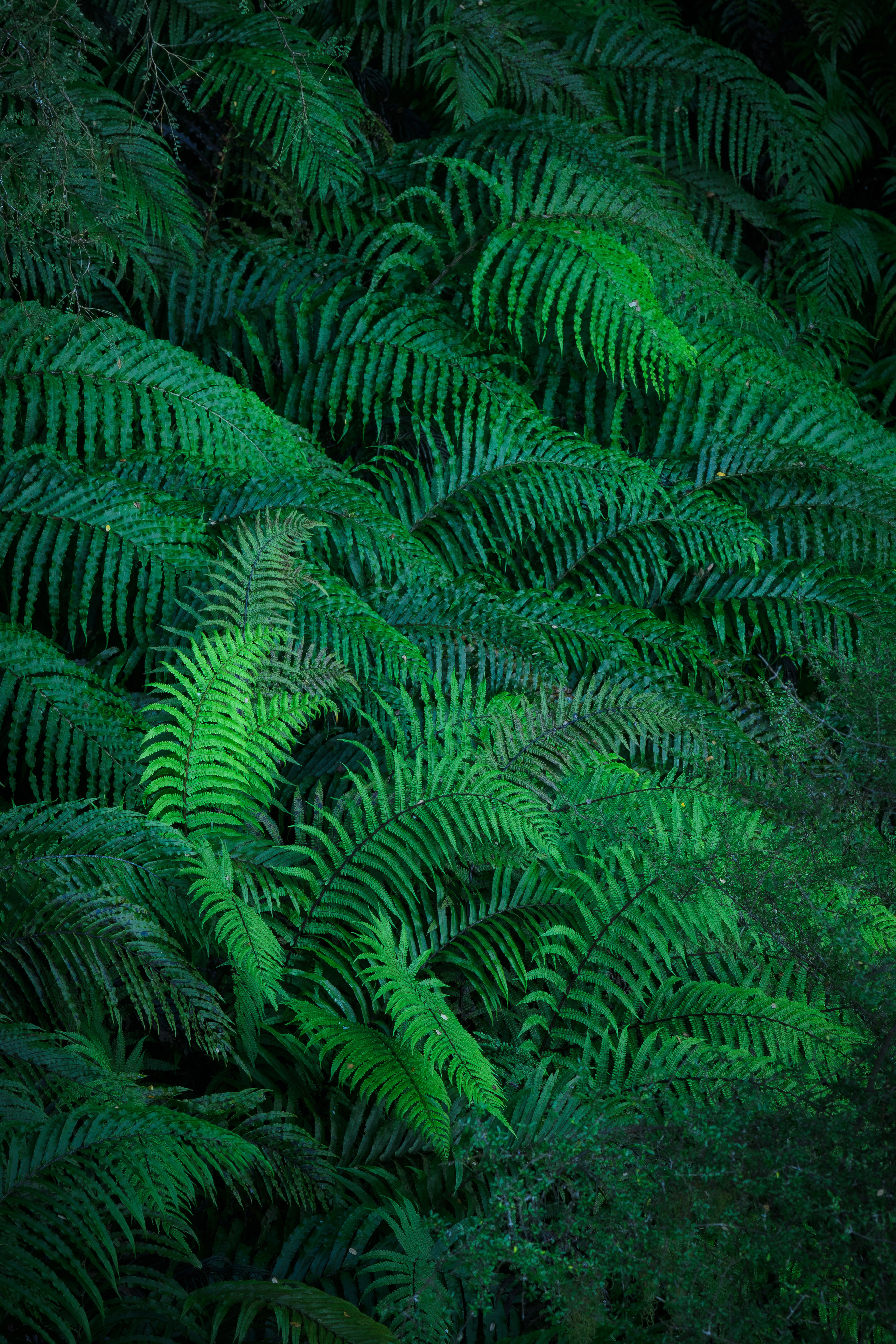
The West Coast offers a completely different visual story—lush, temperate rainforest fed by some of the highest rainfall totals in the world. Here, we’ll photograph intricate details like moss-covered trees, ferns, and cascading waterfalls, all thriving in a prehistoric-feeling ecosystem that dates back to the time of Gondwana. Along the coastline, we’ll work with dramatic sea stacks and powerful surf, where long exposures can turn chaotic waves into ethereal motion. These beaches are among the most remote in New Zealand, giving us the rare opportunity to create clean, uncluttered compositions in truly wild settings.
As we move inland again, we’ll enter the Mackenzie Basin and Aoraki / Mount Cook National Park—home to New Zealand’s tallest peak, Aoraki / Mount Cook, which rises to 12,218 feet (3,724 meters). The glacial lakes here, like Lake Pukaki and Lake Ohau, are famous for their surreal turquoise color, caused by “rock flour”—fine particles of ground stone suspended in the water that scatter light in a way that intensifies blues and cyans. We’ll photograph braided rivers from ground level (and potentially from the air), where ever-shifting channels create abstract patterns that change daily. This region is also part of the Aoraki Mackenzie International Dark Sky Reserve, one of the largest in the world, offering exceptional opportunities for night photography if conditions allow.
Further south, Fiordland National Park presents some of the most dramatic and moody landscapes anywhere on Earth. Carved by glaciers during the last ice age, the fiords—especially Milford Sound—feature near-vertical cliffs rising straight out of the ocean, with waterfalls that can exceed 1,000 feet after heavy rain. This is one of the wettest places in New Zealand, and that’s exactly what makes it so compelling photographically: mist, low clouds, and shifting light create endlessly atmospheric conditions. We’ll also explore ancient beech forests draped in moss and lichen, where slower, more intentional compositions reveal layers of texture and depth. Keep an eye out for the kea here—the world’s only alpine parrot—known not just for its striking olive-green feathers, but for its intelligence and mischievous tendency to interact with gear left unattended.
This trip is designed for photographers who want more than just iconic viewpoints—we’ll focus on chasing conditions, refining compositions, and fully immersing ourselves in the process of creating meaningful images. From glacial blues and alpine light to rainforest textures and coastal drama, every location offers a new challenge and a new opportunity to grow creatively. By the end of the journey, we’ll have experienced one of the most spectacular regions in the world by capturing a diverse and powerful body of work that reflects the fantasy of New Zealand’s South Island.
What's Included
All listed meals and non-alcoholic beverages during the workshop
All transportation during the workshop
All lodging during the workshop
All New Zealand permits and park fees
Milford Sound cruise and Mount Cook Museum entry
Professional photography guiding and instruction
What's Not Included
Flights to and from Queenstown, New Zealand (ZQN)
Airport transfer to arrival hotel
Meals not listed as included on the itinerary
Lodging outside workshop dates
Alcoholic beverages
Souvenirs and personal items
Optional helicopter flights for aerial photography (not guaranteed due to conditions)
Gratuity for photography guide(s). Please refer to our FAQ section for more details about gratuities
Trip Insurance & Medical Evacuation Insurance (recommended) - see plans here.
Details
- Final Balance Due 180 days prior to Trip Start
- Specialized Itinerary terms & conditions apply. Please see our Cancellation / Transfer policy on our Frequently Asked Questions page.
- Trip Insurance Required

Trip Itinerary
Trip Itinerary
Most meals included – (B,L,D) denotes Breakfast, Lunch, Dinner
Day 1 – Arrival in Queenstown (D)
We’ll arrive in Queenstown and get settled at our hotel. Later this evening, we'll ease into the trip with a welcome dinner where we'll go over the exciting plan for the week and discuss techniques for shooting the eclipse.
Day 2 – Eclipse Day (B,L,D)
We’ll kick things off with a sunrise shoot near the hotel, then we'll meet for a presentation and workshop overview before turning our full attention to the solar eclipse. We’ll stay flexible, chasing the best weather and positioning ourselves in a dramatic landscape to capture this rare event in a truly compelling way.
Day 3 – Queenstown to Haast (B,L,D)
We’ll photograph sunrise over Lake Wakatipu, then begin our journey west via Wanaka. Crossing the Southern Alps, we’ll watch the landscape transform into lush rainforest before reaching the rugged West Coast, where we’ll photograph waterfalls and sunset among sea stacks and crashing waves from the Tasman Sea.
Day 4 – West Coast (B,L,D)
Today will begin with a coastal sunrise, possibly with views toward Aoraki/Mount Cook, then explore rainforest scenes. Later, we’ll take a short forest walk and finish the day with sunset along another dramatic beach.
Day 5 – Haast to Twizel (B,L,D)
Our journey heads inland this morning through mountain passes in soft morning light, stopping in Makarora before continuing through the golden landscapes of Lindis Pass. By afternoon we’ll arrive in Twizel, our base for glacial lakes and alpine views, and photograph sunset at Lake Pukaki.
Day 6 – Aoraki / Mount Cook Region (B,L,D)
We’ll photograph sunrise at Lake Ohau, then spend time refining images before heading to Mount Cook Village. In the afternoon, we’ll shoot at Tasman Lake, with options for an aerial river braid shoot if conditions allow.
Day 7 – Twizel to Te Anau (B,L,D)
After a local sunrise, we’ll travel south toward Fiordland, stopping in Queenstown for lunch before capturing sunset along Lake Te Anau.
Day 8 – Fiordland Exploration (B,L,D)
We’ll explore Fiordland’s forests, waterfalls, and mountain scenery in the morning, with a chance to spot kea. Later, we’ll focus on post-processing and photograph along Lake Manapouri.
Day 9 – Milford Sound (B,L,D)
Our sunrise shoot will be in Te Anau and then we'll venture into Fiordland for waterfalls and forest scenes, followed by a cruise in Milford Sound to photograph towering peaks and cascading falls. If conditions align, we’ll stay for sunset.
Day 10 – Forest & South Coast (B,L,D)
Our final day will be spent with a slower pace as we focus on forest photography, working with ferns, moss, and layered compositions. In the evening, we’ll head to the South Coast for a dramatic sunset with waves crashing beneath Fiordland’s mountains.
Day 11 – Te Anau to Queenstown (Departure) (B)
We’ll wrap up with a final morning shoot in the rainforest, taking advantage of soft, filtered light. After breakfast and a final image review, we’ll return to Queenstown, concluding the trip mid-afternoon.
Please note that the exact sequence of the itineraries on all photography trips will be based on weather and lighting conditions. The goal on these trips is to make sure we are at the right place at the right time for the perfect light on our subjects. Also, itineraries can change for a variety of other circumstances including floods, forest fires, national park closures, road closures, and more. Due to the nature of wildlife and landscape photography, we do not guarantee any specific sightings or specific compositions.
Physical Requirements
This is a Level 1 trip with light walking and a relaxed pace, though days can be full with early starts and time spent in the field. Most photography locations are accessed by vehicle with short walks on maintained paths, lakeshores, and coastal areas. Surfaces can be uneven, rocky, muddy, or wet depending on conditions. Guests should be comfortable on their feet for extended periods of time, carrying their own camera gear, and managing variable terrain. Boat excursions require stepping in and out of vessels and maintaining steady footing. Weather can change quickly, with wind, rain, and cool temperatures common. Flexibility and comfort in changing conditions are important to fully enjoy the experience.
Why Choose Backcountry Journeys?
UNPARALELLED
PHOTOGRAPHY
TRIPS
PHOTOGRAPHY
TRIPS
arrow_drop_down_circle
Divider Text
Explore over 100 worldwide photo tours and workshops tailored to photographers of all skill levels, from iconic U.S. National Parks to Africa's untamed savannahs.
THE BEST TEAM
IN THE
BUSINESS
IN THE
BUSINESS
arrow_drop_down_circle
Divider Text
We're proud to offer unmatched photography trips led by exceptional instructors who not only excel in photography but also serve as expert guides.
WORLD-CLASS
PHOTOGRAPHY
COMMUNITY
PHOTOGRAPHY
COMMUNITY
arrow_drop_down_circle
Divider Text
Join the Backcountry Journeys Tribe, where shared adventures in breathtaking locations foster lasting connections with fellow photographers in a warm, inclusive atmosphere.


[Block//Review]
[Block//Trip Reviewer//First Name] - [Block//Date Of Review %n/j/Y%+0]
Verified Guest

Worry Free Travel Guarantee!
Worry Free Travel Guarantee!

HERE’S THE DEAL
We offer one of the most rock solid guarantees in the travel industry - our worry free travel, peace of mind guarantee to you!We’re so confident that the Photography Trips we offer will not only meet but exceed the lofty expectations set forth on our website – if your trip experience does not 100% match the promises laid forth on our website we will gladly give you a credit toward a future trip.
Natural events such as wildlife & weather are certainly out of our control but every aspect of the trip including logistics, accommodations, vehicles, itinerary & your expert trip leaders will match the lofty promises we’ve made on the site – we guarantee it!

Backcountry Journeys
Connecting Passionate People To
Exceptional Experiences.
Exceptional Experiences.
Business Hours:
Mon-Fri, 8AM-4PM MT
928-478-1521
adventure@backcountryjourneys.com
Mon-Fri, 8AM-4PM MT
928-478-1521
adventure@backcountryjourneys.com
arrow_drop_down_circle
Divider Text
All Images & Content Are Property Of Backcountry Journeys Photography Tours, Workshops & Safaris LLC - Copyright 2026


About Us
Receive a Digital Trip Catalog
Find an upcoming photography tour with our interactive catalog.