2025 Travelers' Choice
About Backcountry Journeys
Why Choose Backcountry Journeys
If you're considering a photography trip, hear why Backcountry Journeys delivers the best experience in the industry.Frequently Asked Questions
If you're new to photography trips, or new to BCJ, you can find our common travel questions here.Fitness Levels
Our trips vary on physical intensity, and by reviewing our fitness levels, you can find out which trips may be more challenging, or aligned more closely with your comfort level.Meet The Crew
We've built an amazing team of experienced guides, and dedicated office staff that elevate your travel experience. Get to know their backgrounds, and hear their stories.Loyalty Program
We reward our frequent photo adventurers with exclusive discounts on amazing photography trips.Contact Us
If you need to get in touch with our office staff, or have additional business inquiries, you can find our information here.Refer a Friend
Know someone perfect for one of our tours? Recommend them through this quick form.Stay Up To Date On All Things
Backcountry Journeys
Backcountry Journeys
Our Photography Community
Our Webinars
Our regularly hosted webinars provide photography instruction from our own guides on a wide range of topics.Our Education Portal
Explore our library of articles that cover everything from common questions, to in-depth guides on how to achieve that perfect shot.Community Testimonials
We're proud to foster an amazing group of photo travelers, and here you can find their stories from their past adventures.Resources For Photographers
About Our Company
Resources For Photographers
About Our Company
Beyond the Jeep Tour: A Photographer’s Guide to Monument Valley with Expert Access
Published September 8, 2026
Monument Valley is one of the most recognizable landscapes in the American Southwest.
Towering sandstone buttes rise dramatically from the desert floor. Long shadows stretch across the red earth as the sun moves lower in the sky. Clouds sweep across an enormous horizon, changing the character of the landscape from one moment to the next.
It's easy to understand why millions of people want to see it.
But for photographers, simply seeing Monument Valley isn't the same as photographing it well.
The classic Monument Valley experience often means taking a jeep tour, visiting a handful of famous viewpoints, and moving on to the next stop. That's a great way to experience the landscape, but photographers are looking for something more.
We want to know where the light will fall, have time to work on compositions, and to find perspectives that aren't immediately obvious.
Most importantly, we want access to places and photographic opportunities that go beyond the standard sightseeing route.

Monument Valley Was Made for Photography
There are landscapes that look good in photographs, and then there are landscapes that seem almost designed for a camera.
Monument Valley belongs firmly in the second category.
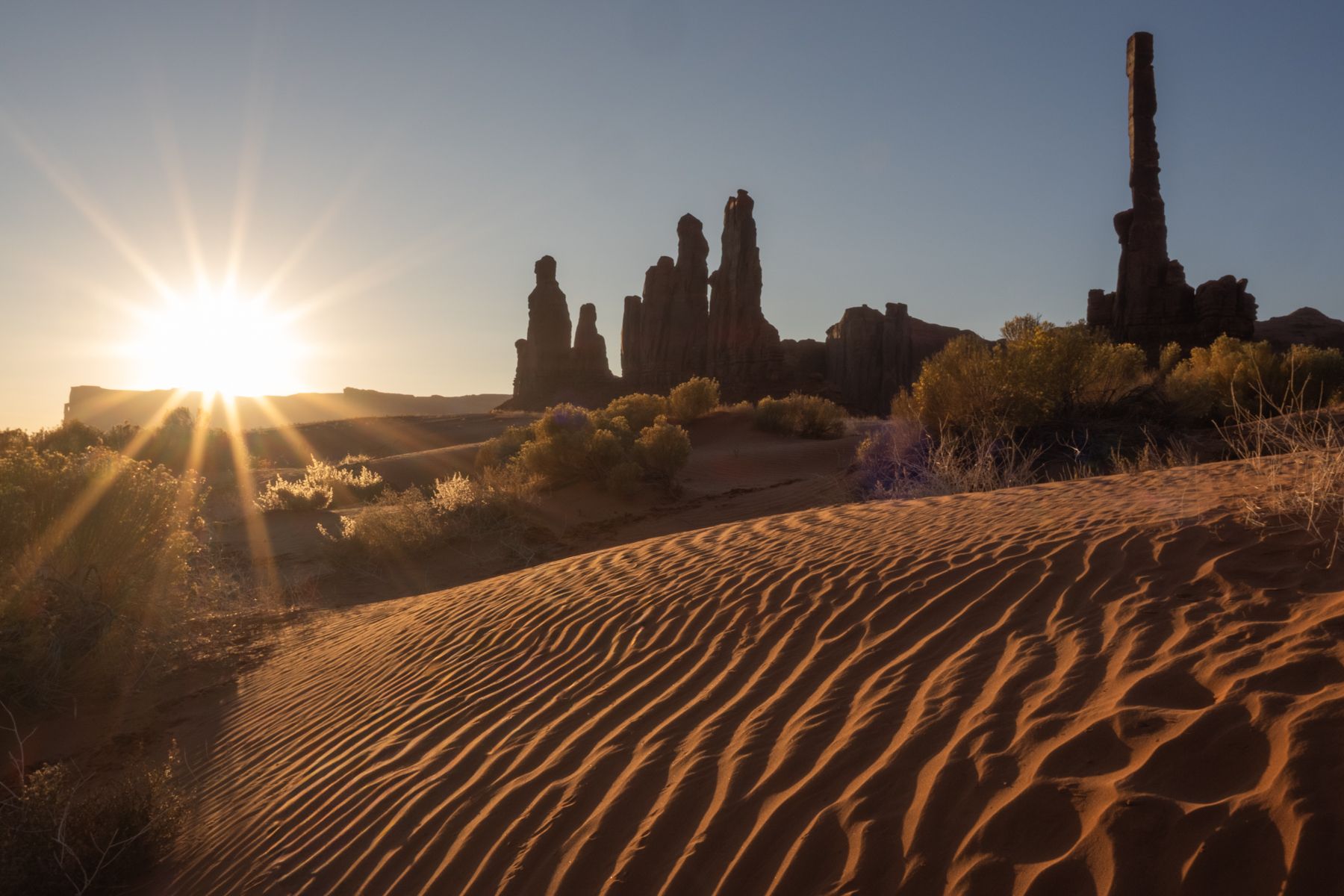
Its enormous scale, dramatic formations, sweeping desert floor, and constantly changing light provide nearly endless opportunities for composition. The same formation can look completely different depending on the time of day, weather, focal length, and perspective.
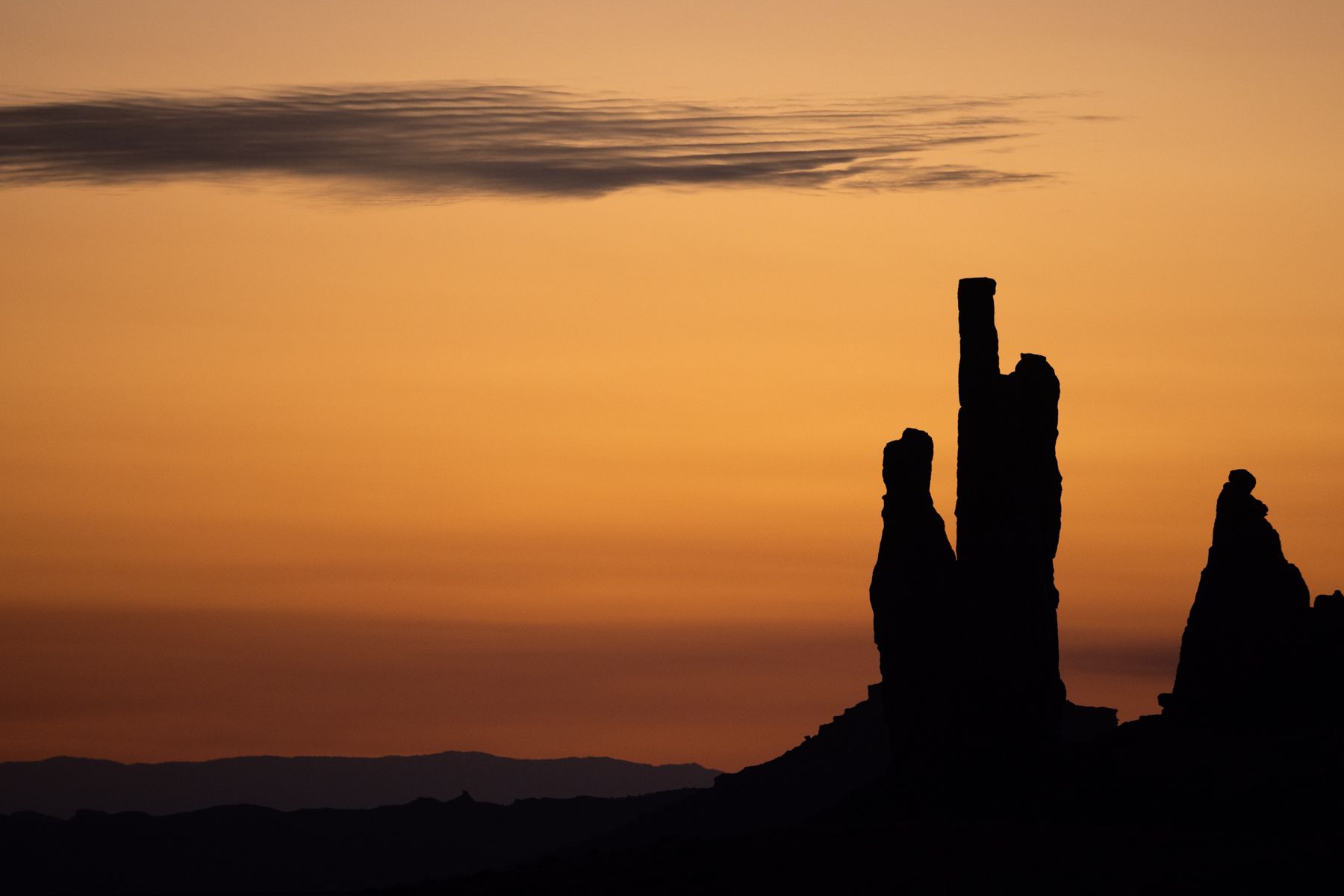
At sunrise, the first light can begin to illuminate the sandstone formations while the valley floor remains in shadow. As the sun climbs, the landscape becomes increasingly defined by contrast, texture, and color. Later in the day, warm evening light can transform the rock formations into glowing silhouettes against the desert sky.
For photographers, that changing light is everything!
A successful photograph isn't simply about standing in front of a famous landmark. It's about understanding how light, shape, scale, and perspective interact, and being in the right place when those elements come together.
Beyond the Standard Monument Valley Tour
Search for a Monument Valley tour and you'll find plenty of options.
Many are designed around giving visitors a broad introduction to the area, often using jeep tours to access well-known locations and provide an overview of the landscape.
For a photographer, however, the priorities are different.
You don't necessarily need to see as many places as possible. You need to spend time in the right places under the right conditions.
That might mean lingering at a location because the clouds are beginning to create dramatic shadows across the valley. It might mean changing your composition as the sun moves behind a butte. Or it might mean taking advantage of a perspective that isn't available from the typical roadside viewpoint.
This is where an experienced photography guide can fundamentally change the experience.
Instead of treating Monument Valley as a series of stops on an itinerary, we approach it as a constantly changing photographic environment.
The Golden Hour Advantage
Ask a landscape photographer about their favorite time to photograph, and you're likely to hear about golden hour.
That's especially true in Monument Valley!
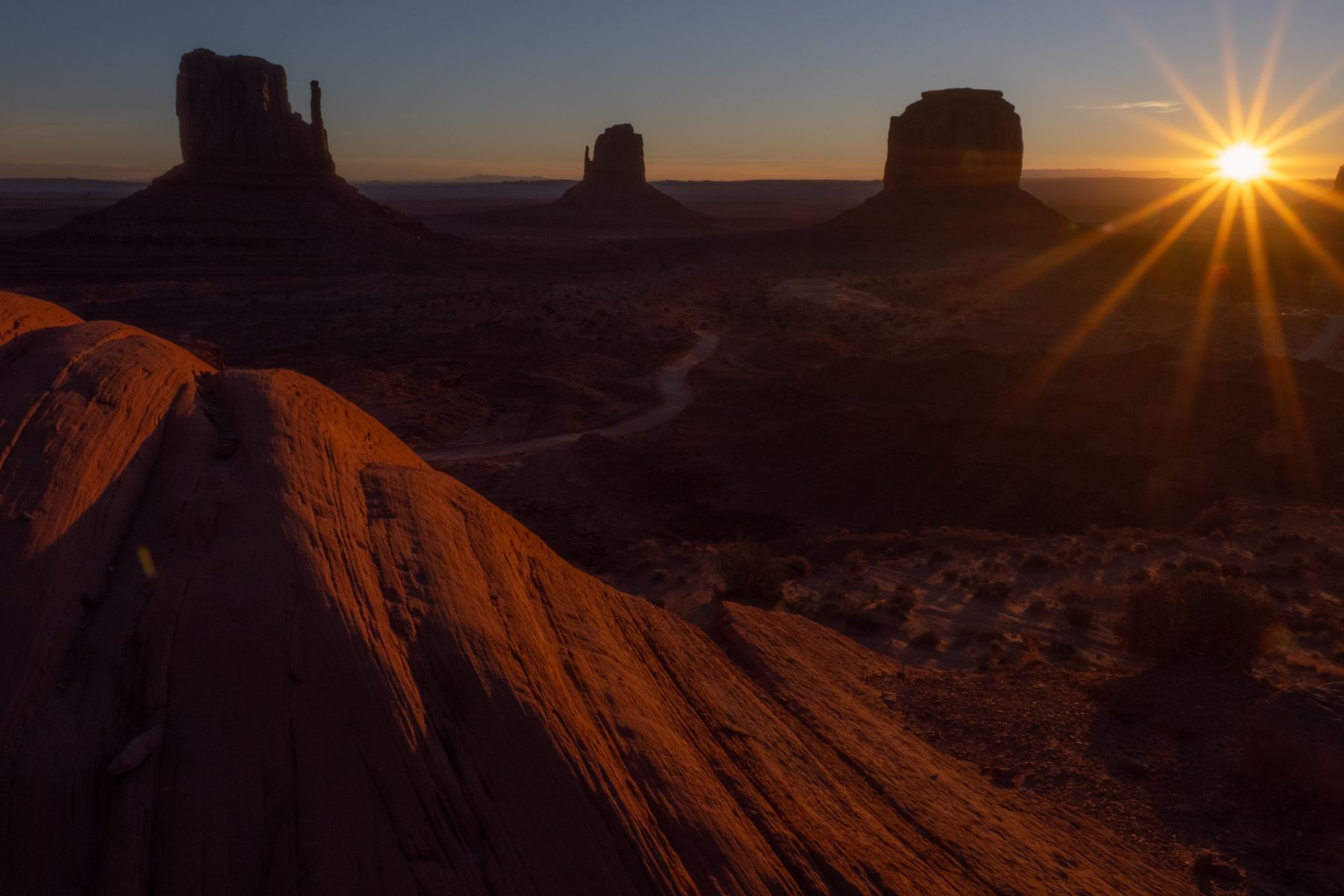
The low angle of the sun creates long shadows that emphasize the texture and contours of the desert. Warm light can bring out the rich tones of the sandstone while adding depth to the landscape.
But golden hour isn't simply a matter of showing up at sunset!
The position of the sun, cloud cover, atmospheric conditions, and your shooting position all influence the resulting photograph. A location that looks ordinary in midday light can become extraordinary when illuminated from the side or back.
That's why your timing is vital!
Our guides understand the photographic potential of the locations we pre-scout before each departure begins and help position the group to make the most of changing light. Rather than rushing through a viewpoint, you'll have the opportunity to slow down, refine your composition, and respond to the conditions as they develop.
Sometimes the best photograph is the one you make five minutes after everyone else has packed up their camera.
Access That Goes Beyond the Typical Route
One of the biggest advantages of traveling with an experienced photography-focused tour is access.
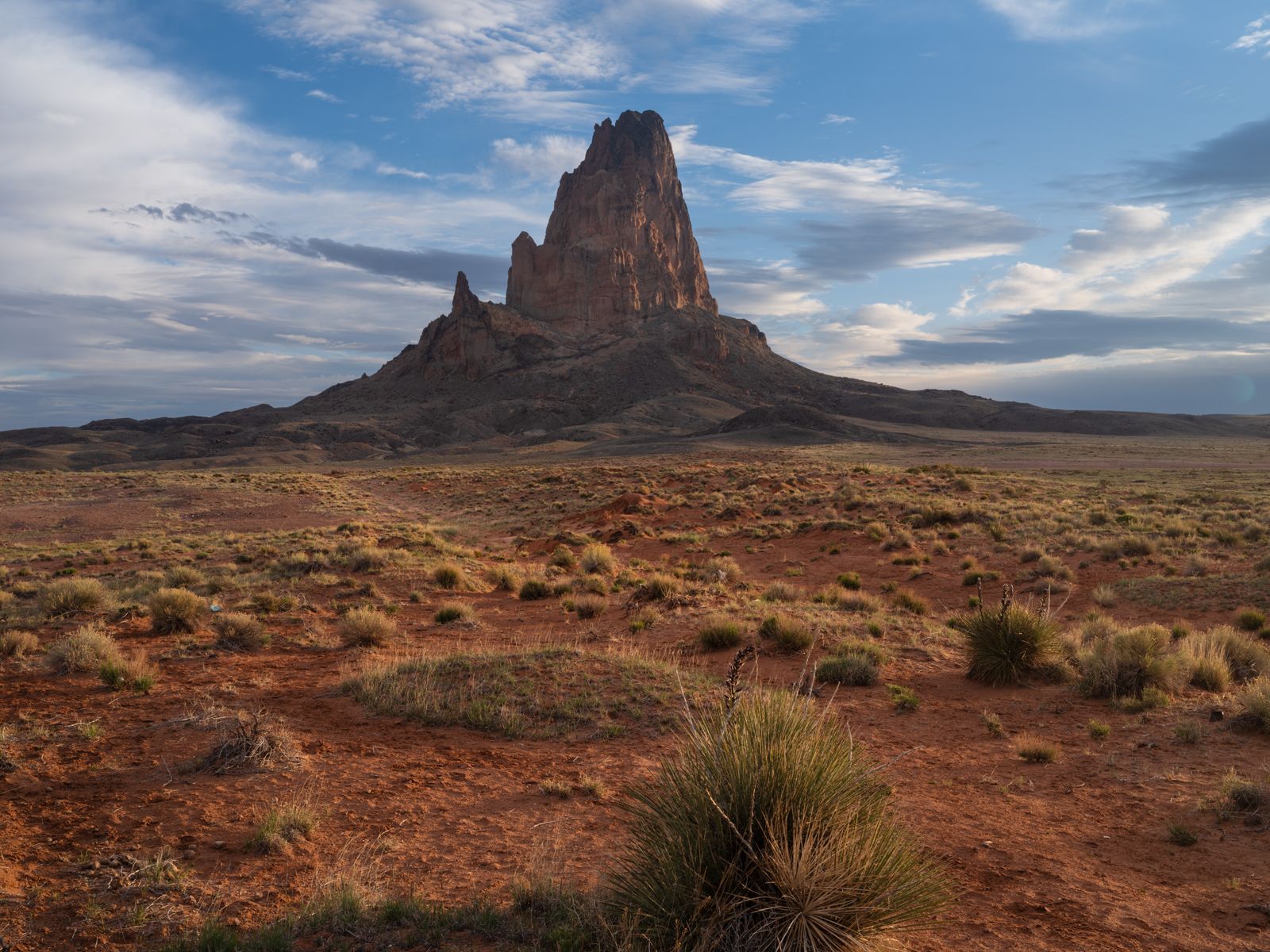
Monument Valley is a vast landscape, and the most obvious viewpoints only reveal part of what makes the region special.
Backcountry Journeys is built around creating photography experiences that go beyond simply checking famous locations off a list. With expert guides and unique access, our small groups can experience perspectives and photographic opportunities that aren't necessarily part of a conventional sightseeing tour.
That additional access can make a major difference.
Instead of photographing Monument Valley from only the most familiar perspective, you have opportunities to explore different angles, work with the landscape's natural lines and formations, and find compositions that feel more personal.
The objective isn't simply to bring home a photograph of Monument Valley.
It's to bring home your photograph of Monument Valley.
Small Groups Mean More Time Behind the Camera
Photography requires patience.
You might find the perfect composition with incredible leading lines from the sweeping vistas, only to discover that the light isn't quite there yet. A cloud might move across the sun and completely change the scene. A shadow may slowly creep across the valley floor, creating an entirely different balance between light and dark.
A large group can make that kind of flexibility difficult.
With a small group, there's more room to stop, explore, adjust, and photograph.
You can ask questions while you're in the field. You can experiment with different focal lengths and compositions. And when the conditions become exceptional, the group isn't trying to hurry through the moment just to stay on schedule.
That freedom is a major part of what makes a photography-focused Monument Valley tour different.
Learn to See the Landscape Differently
Great landscape photography isn't just about having a beautiful subject.
Monument Valley offers obvious subjects everywhere you look, but the strongest images often come from asking different questions.
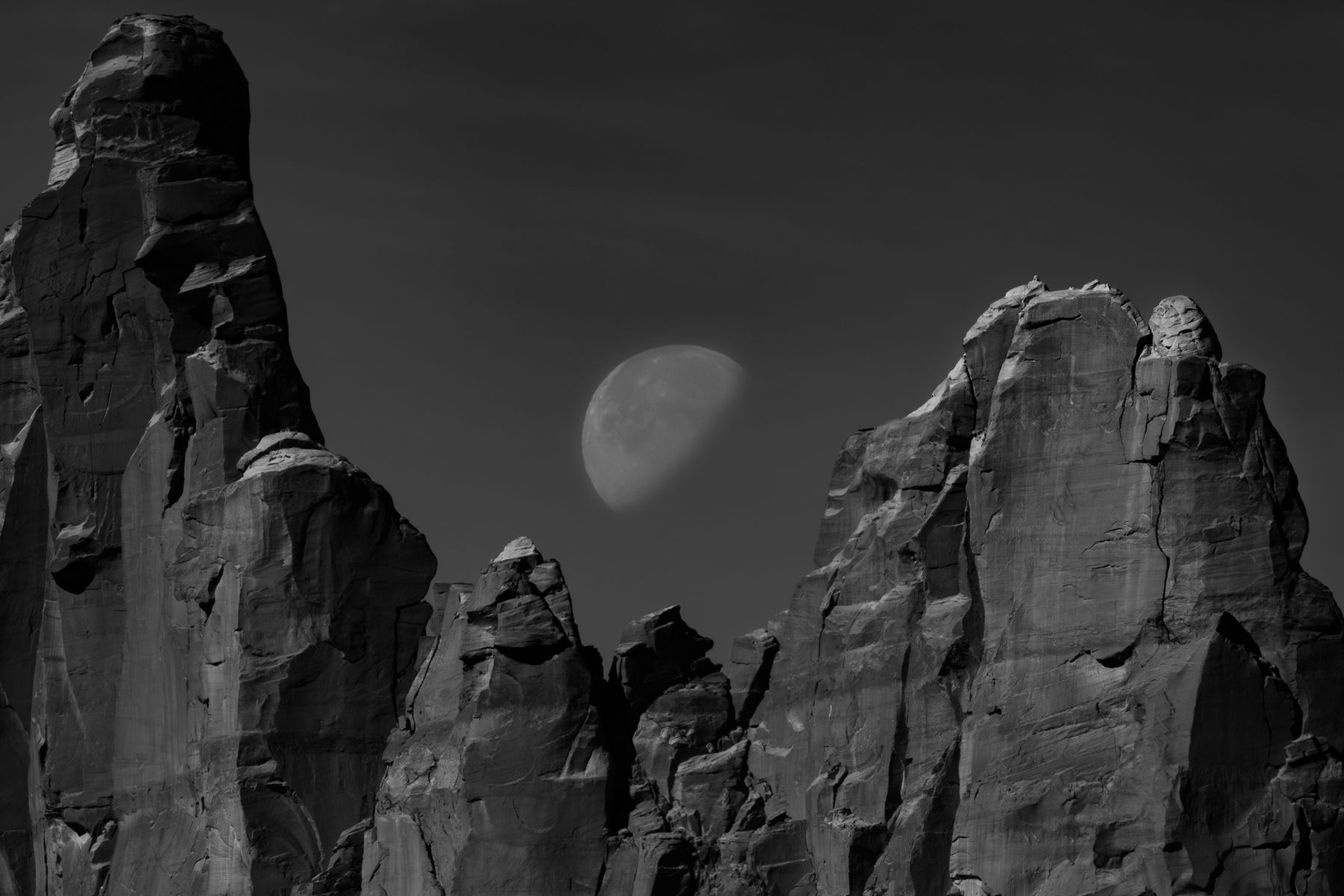
Where is the visual weight in this scene? How can I use the foreground to create depth? What happens if I compress the layers of the landscape with a longer lens? Can I use a shadow to frame the subject? How does the photograph change if I wait for the clouds to move?
These are the kinds of decisions that turn sightseeing into photography.
Throughout the experience, our expert guides help you work through those decisions in the field. You'll have the opportunity to improve your understanding of composition, light, exposure, perspective, and timing while photographing one of the most iconic landscapes in North America.
You Don't Have to Manage the Trip. Just Photograph It.
There's another reason photographers choose a guided trip: logistics.
A successful photography trip requires much more than knowing where Monument Valley is. Theres transportation, lodging, timing, access, meals, navigation, weather, and countless small decisions that have to happen behind the scenes.
When you're responsible for all of it yourself, those logistics can compete with the reason you came in the first place.
Your camera.
Backcountry Journeys handles the details so you can focus on making photographs.
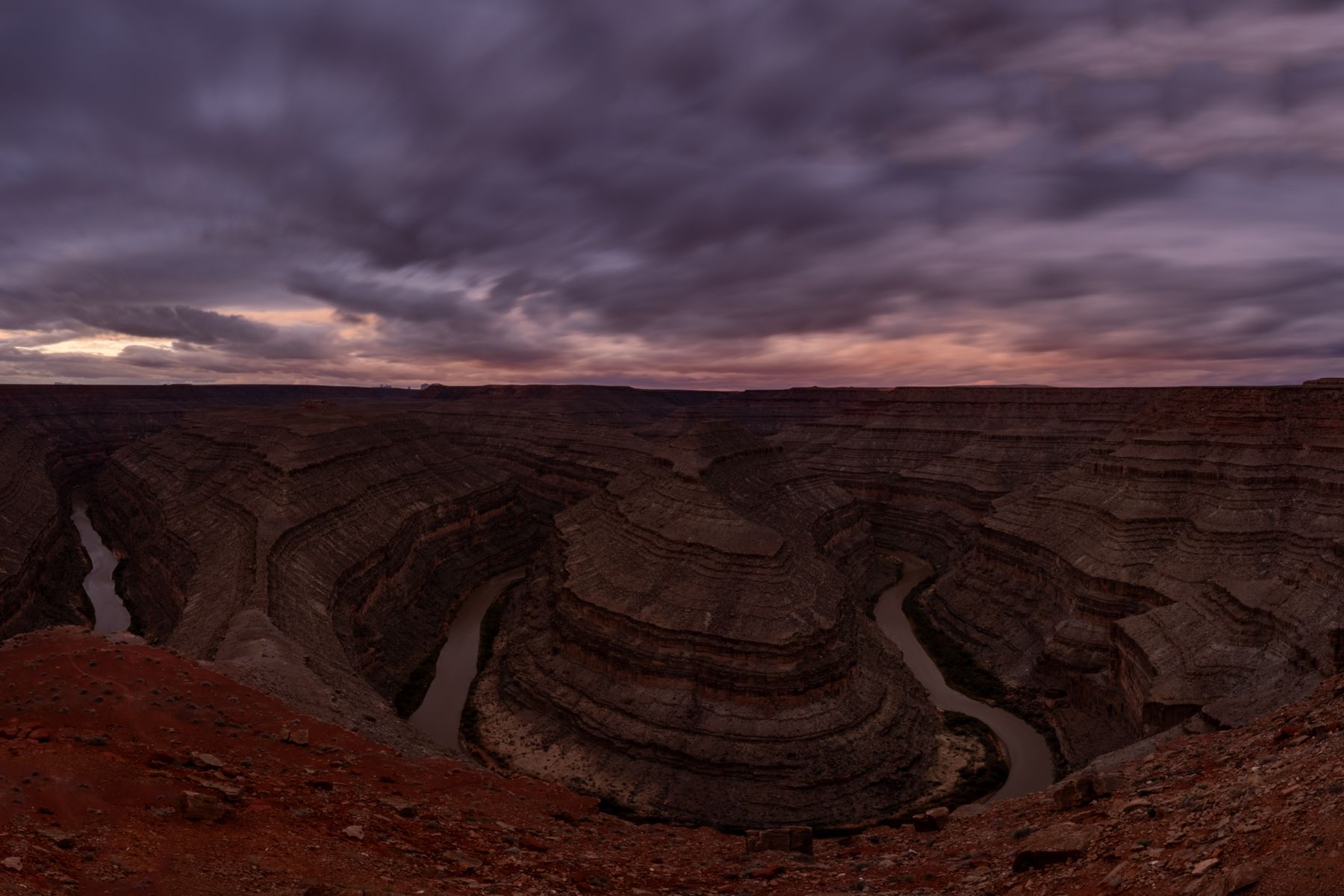
Our guides know the landscape, understand the demands of photography, and help you make the most of your time in the field. You get to spend less energy figuring out what comes next and more energy watching the light change across the sandstone.
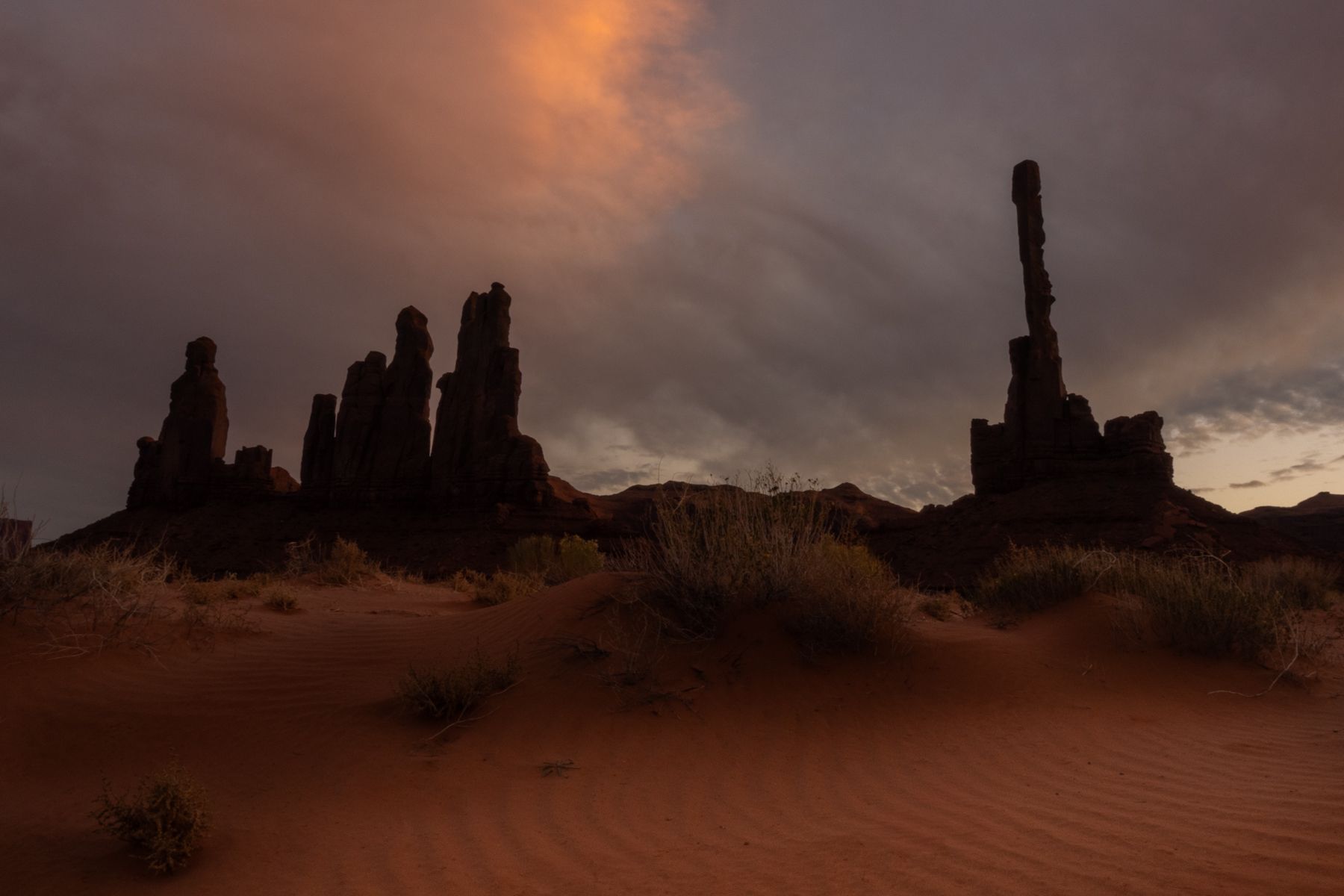

 Monument Valley: Navajo Icons
 Lodge-Based Photo Workshop
From $4,995.00
Up To 7 Guests
Fitness Level 1 - What's This?
Wanna Get Away?
Starts
Current Price:$0.00
Start: Flagstaff, AZ
Led By
Start: Flagstaff, AZ
Led By

Backcountry Journeys
Connecting Passionate People To
Exceptional Experiences.
Exceptional Experiences.
Business Hours:
Mon-Fri, 8AM-4PM MT
928-478-1521
adventure@backcountryjourneys.com
Mon-Fri, 8AM-4PM MT
928-478-1521
adventure@backcountryjourneys.com
arrow_drop_down_circle
Divider Text
All Images & Content Are Property Of Backcountry Journeys Photography Tours, Workshops & Safaris LLC - Copyright 2026


About Us
Receive a Digital Trip Catalog
Find an upcoming photography tour with our interactive catalog.