Mon - Fri: 8 am - 4 pm MT


About Backcountry Journeys
Why Choose Backcountry Journeys
If you're considering a photography trip, hear why Backcountry Journeys delivers the best experience in the industry.Frequently Asked Questions
If you're new to photography trips, or new to BCJ, you can find our common travel questions here.Fitness Levels
Our trips vary on physical intensity, and by reviewing our fitness levels, you can find out which trips may be more challenging, or aligned more closely with your comfort level.Meet The Crew
We've built an amazing team of experienced guides, and dedicated office staff that elevate your travel experience. Get to know their backgrounds, and hear their stories.Loyalty Program
We reward our frequent photo adventurers with exclusive discounts on amazing photography trips.Contact Us
If you need to get in touch with our office staff, or have additional business inquiries, you can find our information here.Refer a Friend
Know someone perfect for one of our tours? Recommend them through this quick form.Stay Up To Date On All Things
Backcountry Journeys
Backcountry Journeys
Our Photography Community
Our Webinars
Our regularly hosted webinars provide photography instruction from our own guides on a wide range of topics.Our Education Portal
Explore our library of articles that cover everything from common questions, to in-depth guides on how to achieve that perfect shot.Community Testimonials
We're proud to foster an amazing group of photo travelers, and here you can find their stories from their past adventures.Resources For Photographers
About Our Company
Resources For Photographers
About Our Company
Casey Mannes: Why the World's Apex Predators Keep Calling Him Back
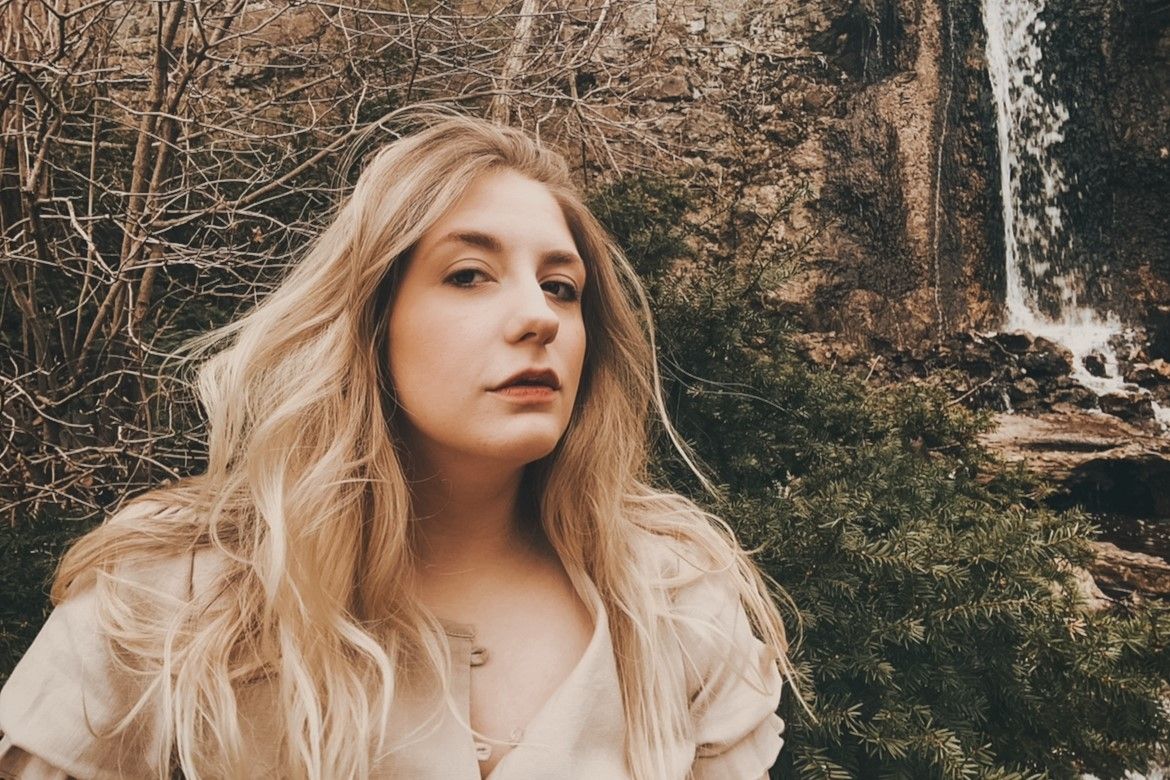
Published July 11, 2026
There are photographers who spend their careers chasing beautiful landscapes. Others become known for dramatic wildlife encounters.
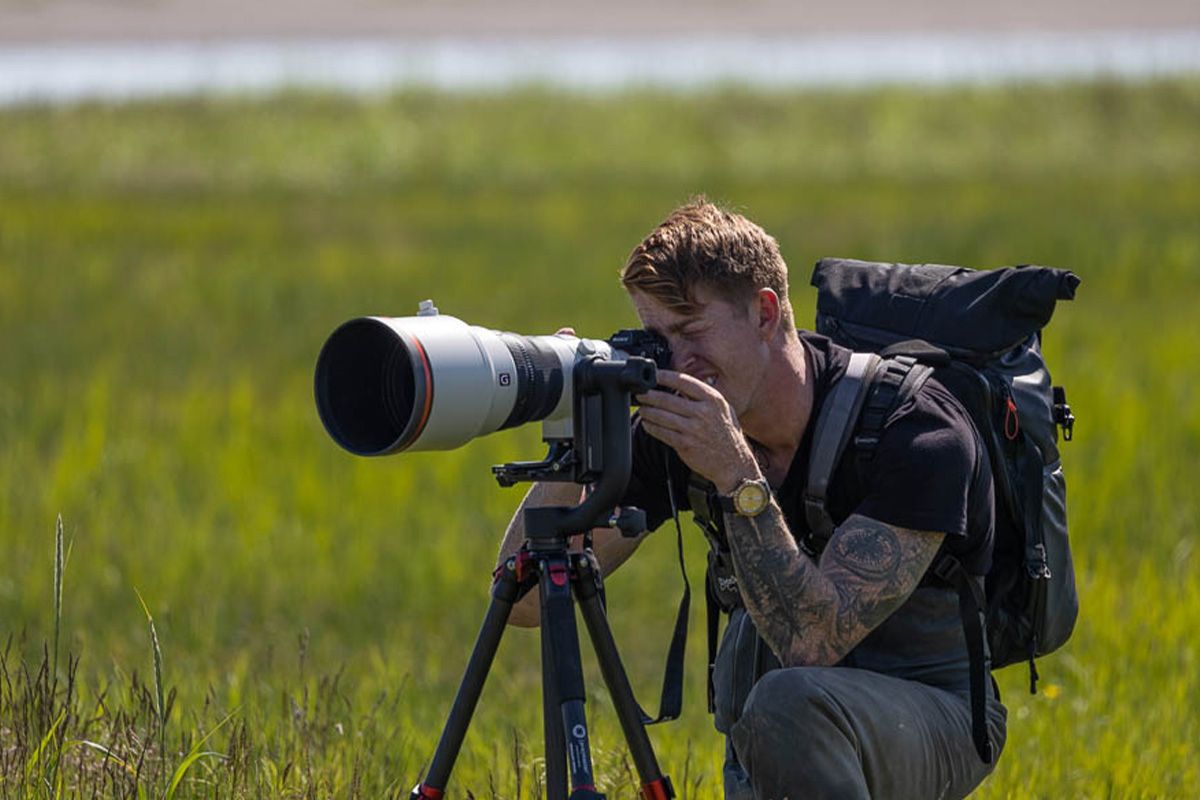
For Backcountry Journeys guide Casey Mannes, it's always been something more personal.
Again and again, his camera has led him toward the animals many people spend their lives trying to avoid. Leopards. Bears. Cheetahs. Wolves.
The world's apex predators.
It's an unusual fascination, especially considering that one of Casey's most unforgettable wildlife encounters happened not behind a camera, but just outside the front door of a cabin in Tanzania.
A Leopard in the Dark
It was Casey's first trip to Africa.
While working in the Serengeti, he was staying in staff housing when jet lag left him wide awake night after night. Around 2:30 in the morning, he was startled by loud noises coming from the roof.
Assuming baboons were causing the commotion as they’d been doing so throughout the daytime hours, he grabbed a broom and stepped outside to shoo them away. Perhaps it was the jet lag or the inexperience at the time, but playful Baboons won’t cause ruckus through the night, as they fall in the middle of the food chain. Large African predators spend the early hours stalking through the dark, and nature's oldest rule still applies: if you aren't the hunter at night, there's a good chance you're the hunted.
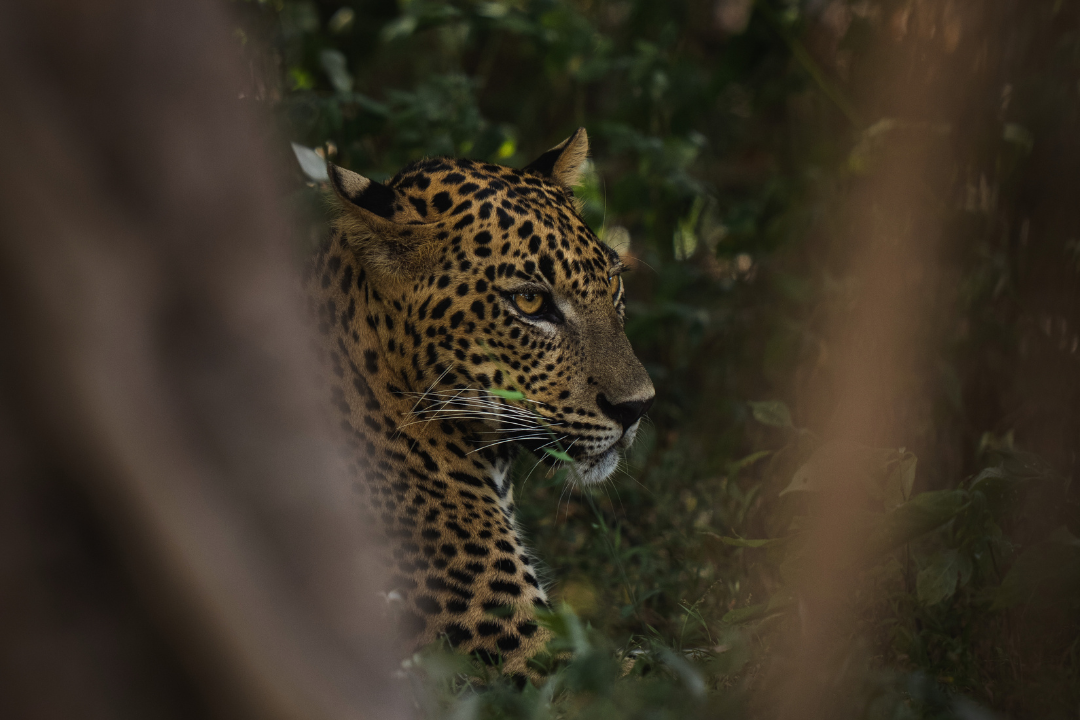
The sounds stopped. The night was silent. The sky was overflowing with stars. It was eerily magical, and he was hypnotized for a moment before everything changed. A fully grown leopard launched from the roof and landed just feet away from where he stood.
For several seconds, neither moved.
He had no clue what to do.
Every wildlife photographer imagines close encounters with incredible animals. Few imagine them unfolding in complete darkness, without a camera in hand, sleep deprived and scared.
Fortunately, the leopard made the decision for both of them. With caution, it glanced toward the open field and disappeared into the night.
That encounter didn't leave Casey afraid of predators.
If anything, it deepened his respect for them.
Looking Beyond the Headlines
Spend enough time around Casey, and one theme consistently emerges.
He believes predators have been unfairly misrepresented.
"Apex predators are the most misunderstood of all creatures," he says. "They're feared, mistreated and have been almost completely wiped off the planet."
It's a perspective that's shaped by years of photographing wildlife around the world; not just observing animals from a distance but spending enough time with them to recognize their behavior, their personalities, and their place within healthy ecosystems.
"Though they can be dangerous, they're not mindless killing machines," Casey explains. "We focus on the very rare moments where a human gets attacked and ignore the fact that there are millions of interactions every single day without incident."
For him, photography has become a way to tell a different story.
Instead of reinforcing fear, his images invite curiosity.
Instead of sensationalizing predators, they reveal beauty.
Meeting Giza
That philosophy came full circle in Kenya's Laikipia Plateau.
Long before many photographers had even heard her name, Giza had become something of a legend.
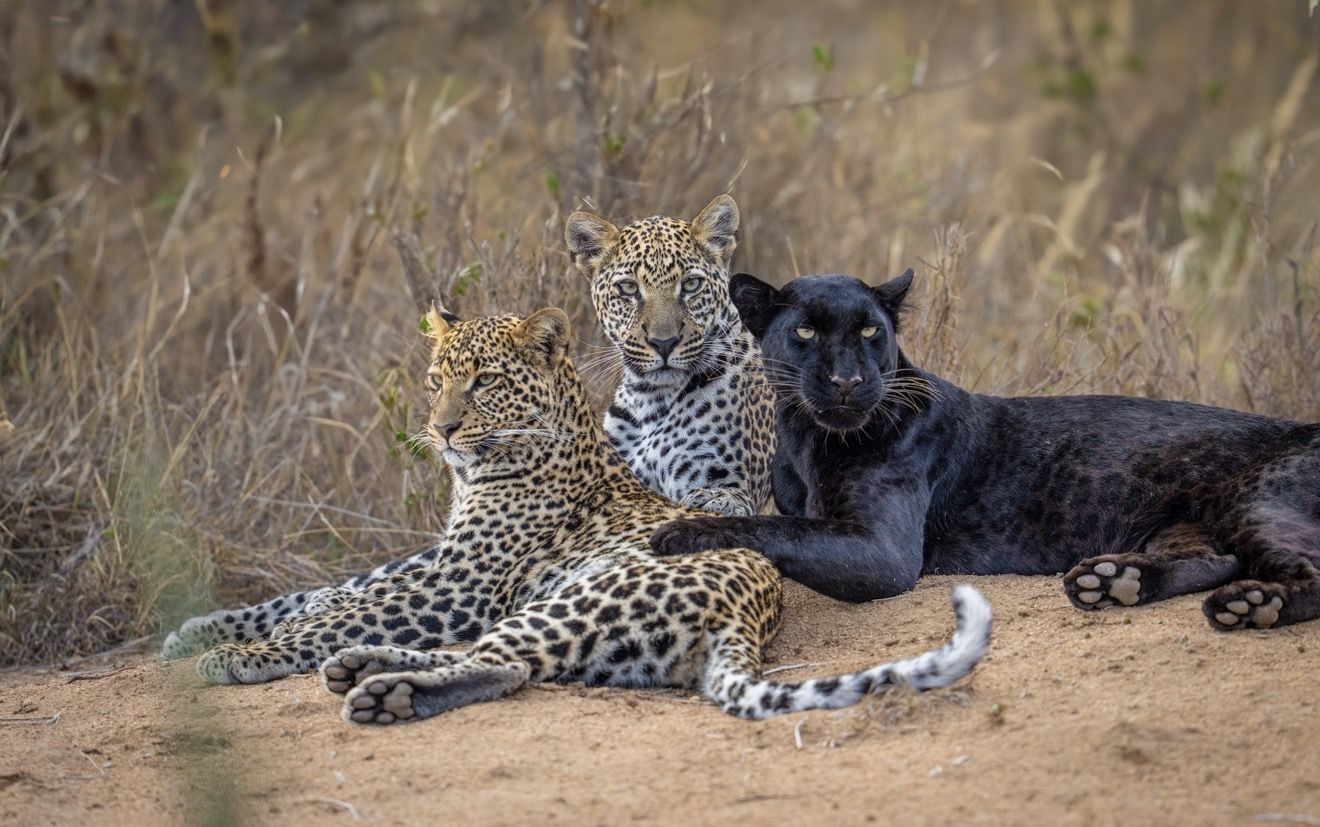
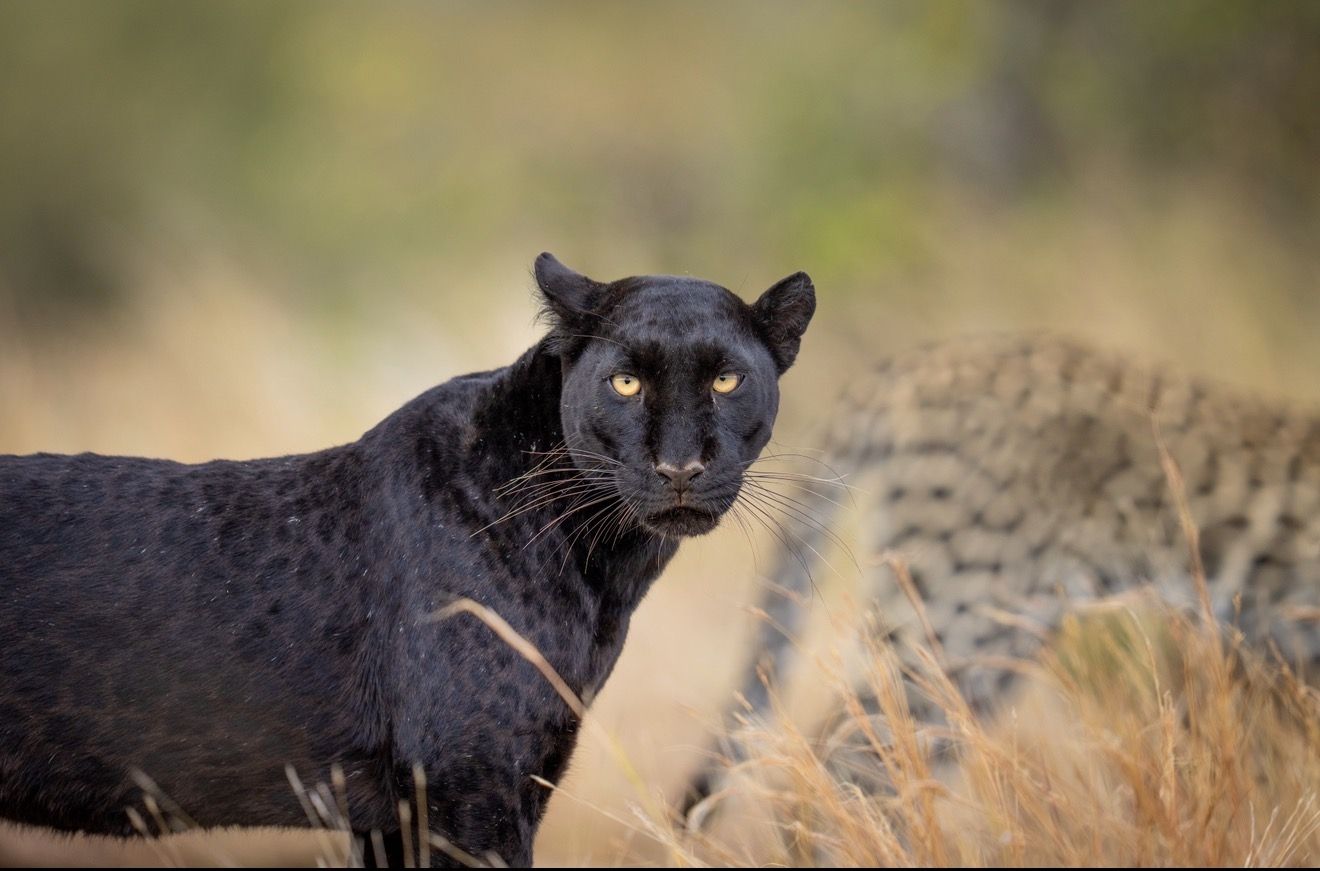
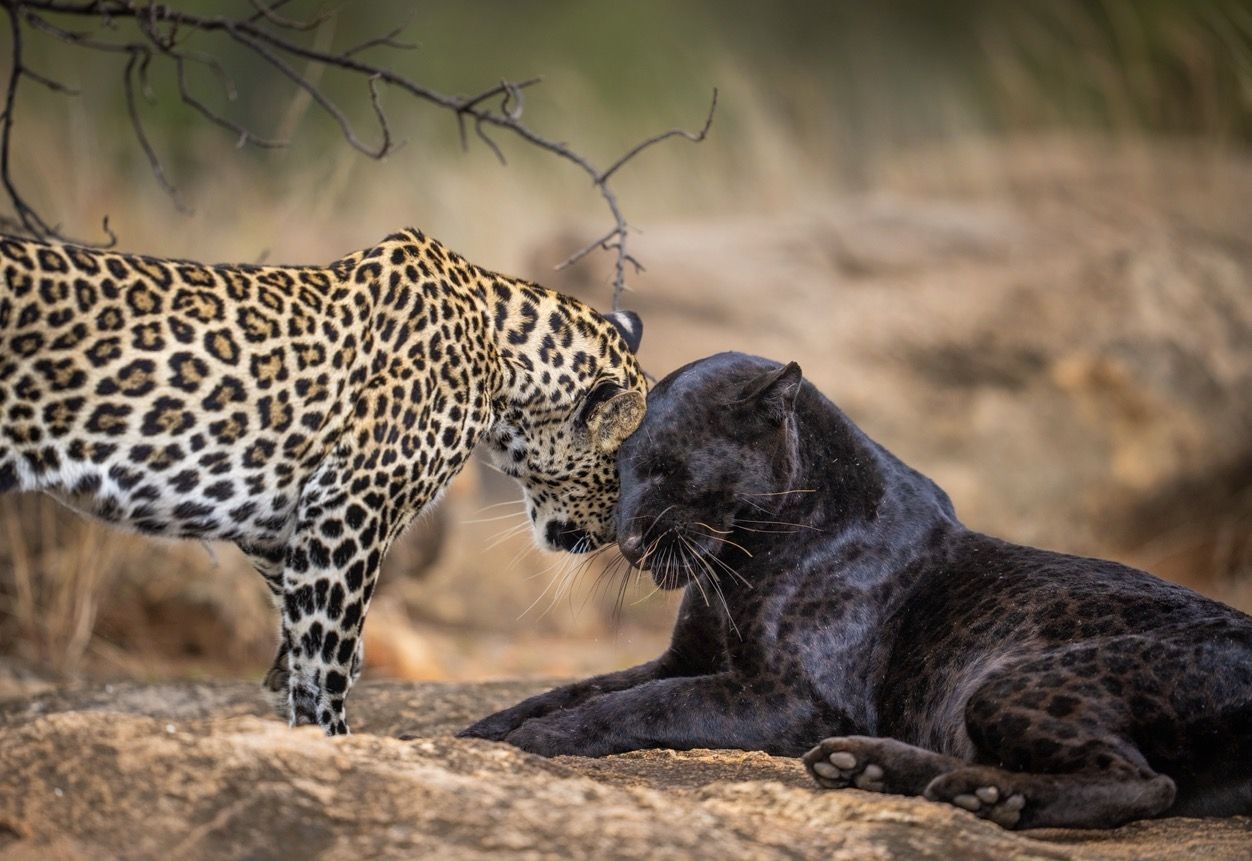
The melanistic black leopard, with her dark coat that hides the rosette pattern beneath, has become one of Africa's most sought-after wildlife subjects.
Casey arrived in Laikipia with modest expectations, knowing that the elusive being, Giza, was a rare sight to see, and it was even rarer to snag a photograph.
"I wasn't sure if I would get the opportunity to photograph her or even see her."
Then came the moment every wildlife photographer dreams about.
Not only did Giza appear, but she arrived with her cubs.
"She is easily the most beautiful cat I've ever seen."
It wasn't something that could be planned or forced. It was simply a reward for patience, preparation, and being in the right place at the right time.
For Casey, it became one of the defining images of his career. After experiencing Laikipia firsthand, he would later work closely to help shape what would become Shadows of Laikipia: Black Leopards & Rhinos of Kenya.
Drawing on his knowledge of the region, his firsthand encounters with Giza, and his passion for photographing Africa's most elusive predators, Casey helped design an itinerary that maximizes both photographic opportunities and meaningful conservation experiences.
Today, he'll return to Laikipia not only as one of Backcountry Journeys' highest-rated guides, but as someone eager to share the same unforgettable encounters that first inspired him.
The Photographer Behind the Guide
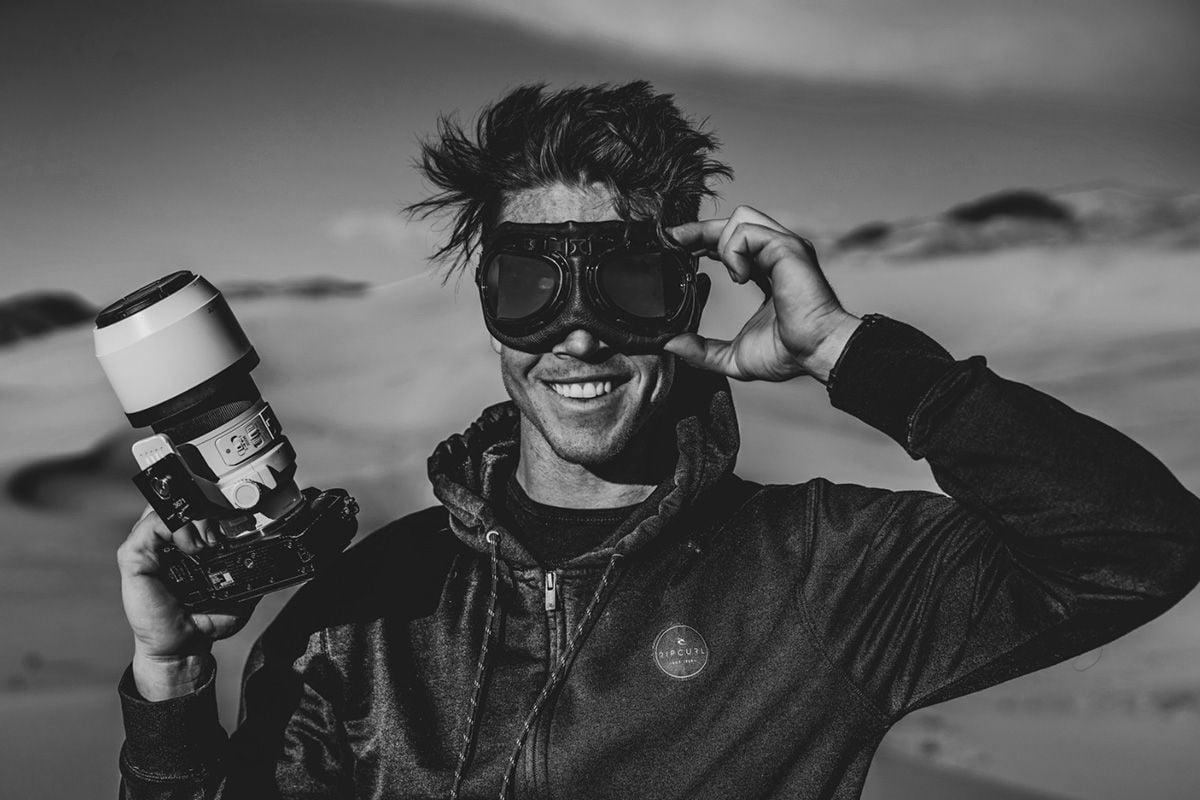
Guests traveling with Casey quickly learn that his passion extends well beyond creating beautiful photographs.
When he's not leading workshops with Backcountry Journeys, he's often pursuing his next adventure, whether that's guiding fly-fishing trips in Alaska, piloting aircraft into remote wilderness, or volunteering with ONCA in the Amazon, helping rehabilitate injured wildlife including jaguars, ocelots, spider monkeys, and countless other native species.
Those experiences have only strengthened his belief that photography can become a powerful conservation tool.
Every compelling wildlife image has the potential to replace fear with fascination.
To create empathy.
To remind people what's worth protecting.
Photographing Animals That Matter
That philosophy is woven throughout Backcountry Journeys' Shadows of Laikipia: Black Leopards & Rhinos of Kenya workshop.
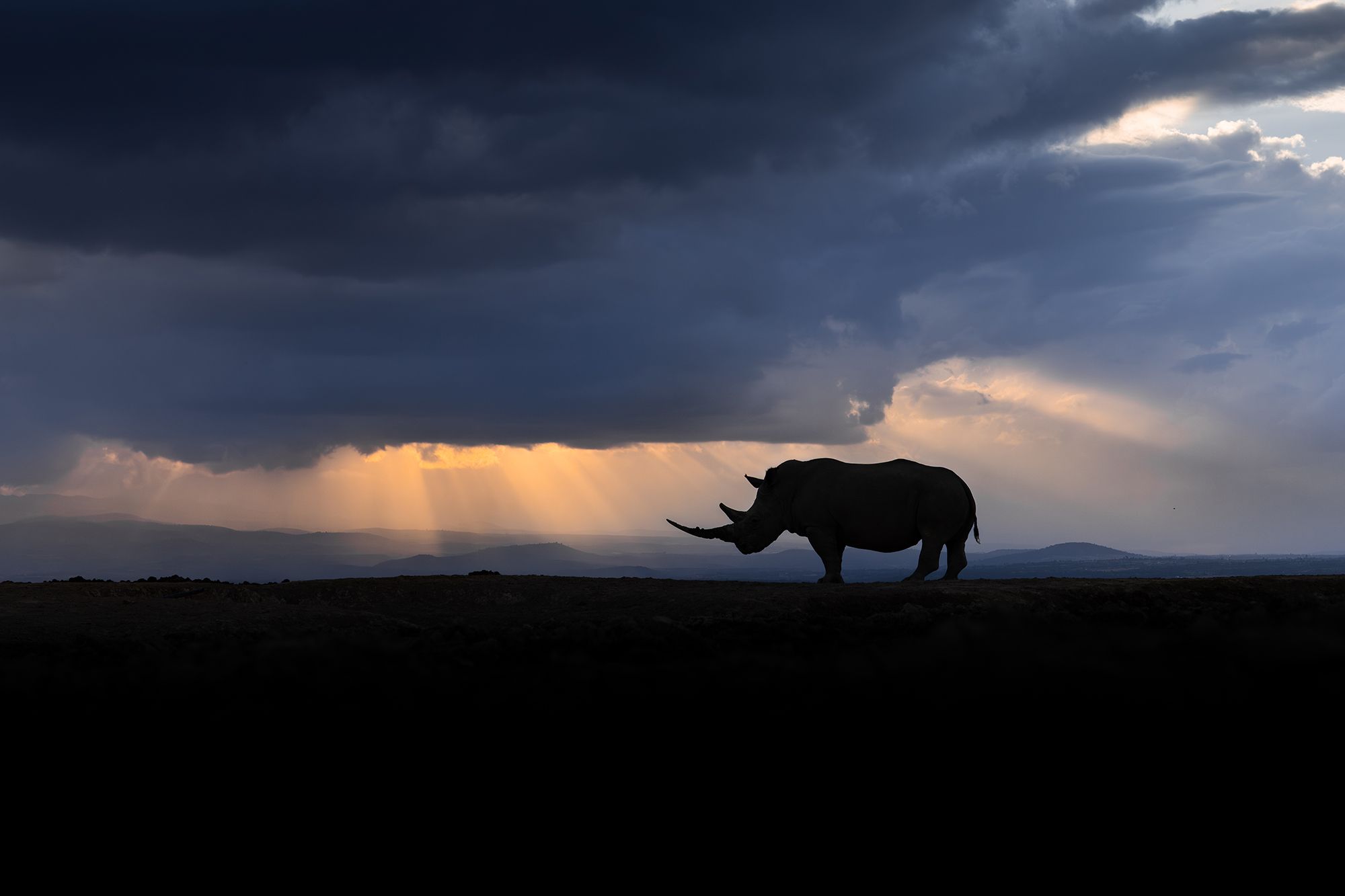
Alongside opportunities to photograph Giza and the remarkable wildlife of Laikipia, guests also visit Rhino Watch Safari Lodge and a rhino orphanage, gaining firsthand insight into the conservation efforts helping protect one of Africa's most threatened species.
For Casey, these moments are just as important as the photographs themselves.
Anyone can appreciate an incredible image.
Understanding the story behind it is what stays with you.
Casey's Advice for Photographing Apex Predators
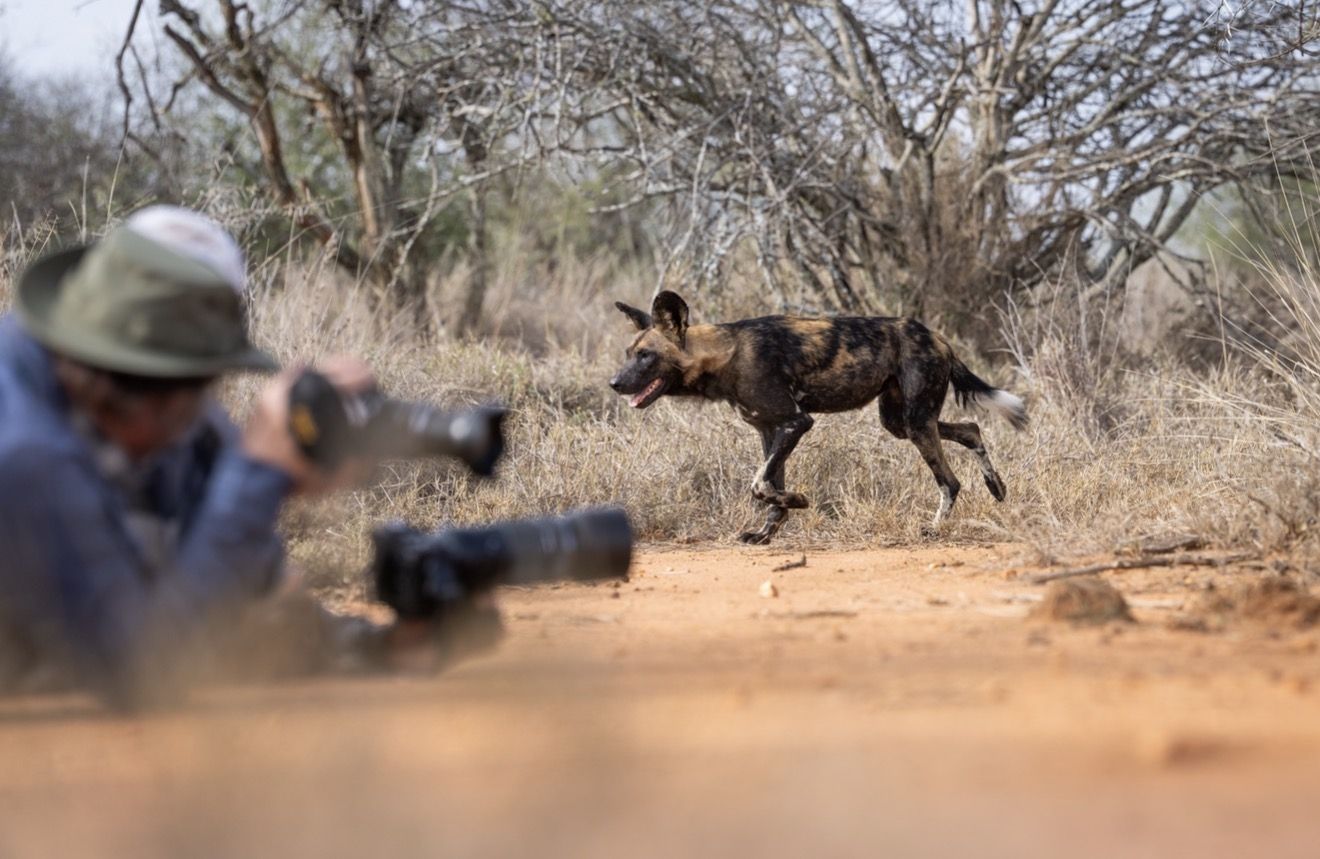
Over years of photographing wildlife across the globe, Casey has learned that the best predator images rarely come from chasing action. Instead, they come from patience and observation.
Some of the principles he encourages photographers to embrace include:
Watch behavior before raising your camera. Understanding how an animal moves often leads to stronger compositions.
Focus on the eyes. Whether it's a black leopard disappearing into shadow or a rhino standing in golden light, the eyes create connection.
Embrace the environment. Wide images that place predators within their habitat often tell a richer story than tight portraits alone.
Be patient. Wildlife photography rewards photographers who are willing to wait for authentic moments rather than forcing them.
More Than Photographs
Ask Casey what he hopes people take away from seeing his work, and the answer isn't a discussion about camera settings or sharpness.
It's much simpler than that.
"I hope our future generations will have the opportunity to marvel at these incredible creatures."
For guests joining him in Kenya, that's exactly what this journey offers.
Not just the chance to photograph some of Africa's rarest wildlife.
But the opportunity to see these remarkable animals through the eyes of someone who has spent years learning that the world's most feared creatures are often the ones most deserving of our admiration.
 Shadows of Laikipia: Black Leopards & Rhinos of Kenya
 Special Edition Photo Safari
From $13,995.00
Up To 8 Guests
Fitness Level 1 - What's This?
Wanna Get Away?
Starts
Current Price:$0.00
Start: Nairobi, Kenya (NBO)
Led By
Start: Nairobi, Kenya (NBO)
Led By

Backcountry Journeys
Connecting Passionate People To
Exceptional Experiences.
Exceptional Experiences.
Business Hours:
Mon-Fri, 8AM-4PM MT
928-478-1521
adventure@backcountryjourneys.com
Mon-Fri, 8AM-4PM MT
928-478-1521
adventure@backcountryjourneys.com
arrow_drop_down_circle
Divider Text
All Images & Content Are Property Of Backcountry Journeys Photography Tours, Workshops & Safaris LLC - Copyright 2026


About Us
Receive a Digital Trip Catalog
Find an upcoming photography tour with our interactive catalog.