2025 Travelers' Choice
About Backcountry Journeys
Why Choose Backcountry Journeys
If you're considering a photography trip, hear why Backcountry Journeys delivers the best experience in the industry.Frequently Asked Questions
If you're new to photography trips, or new to BCJ, you can find our common travel questions here.Fitness Levels
Our trips vary on physical intensity, and by reviewing our fitness levels, you can find out which trips may be more challenging, or aligned more closely with your comfort level.Meet The Crew
We've built an amazing team of experienced guides, and dedicated office staff that elevate your travel experience. Get to know their backgrounds, and hear their stories.Loyalty Program
We reward our frequent photo adventurers with exclusive discounts on amazing photography trips.Contact Us
If you need to get in touch with our office staff, or have additional business inquiries, you can find our information here.Refer a Friend
Know someone perfect for one of our tours? Recommend them through this quick form.Stay Up To Date On All Things
Backcountry Journeys
Backcountry Journeys
Our Photography Community
Our Webinars
Our regularly hosted webinars provide photography instruction from our own guides on a wide range of topics.Our Education Portal
Explore our library of articles that cover everything from common questions, to in-depth guides on how to achieve that perfect shot.Community Testimonials
We're proud to foster an amazing group of photo travelers, and here you can find their stories from their past adventures.Resources For Photographers
About Our Company
Resources For Photographers
About Our Company
Grand Teton Bull Moose Photography Workshop: The Small-Group Difference
Published September 28, 2026
There is a particular moment in wildlife photography when seeing an animal stops being the goal.
You have found the moose. You have your camera ready. The mountains are behind you. Snow is beginning to settle across the valley.
And then you realize the real challenge is no longer finding the photograph. It’s knowing what to do with it.
Should you shoot wide and include the Teton Range? Wait for the bull to turn? Drop your shutter speed and let the falling snow become part of the frame? Watch his ears and body position for a change in behavior? Move your focus point before he steps out from behind the willows?
Those decisions are where wildlife photography gets interesting!
And they are exactly why a Grand Teton Bull Moose photography workshop is about much more than spending a few days looking for moose.
The Photograph Begins Before You Pick Up the Camera
Moose photography rewards patience, observation, and a willingness to let the animal dictate the pace.
In Grand Teton National Park, moose are closely associated with willow-lined waterways and other areas where they can find winter forage. Their seasonal movements also mean that the landscape itself changes the photographic equation.
By early November, the Tetons are beginning their transformation into winter.
The first substantial snows can arrive around this time, and the combination of cold temperatures, fresh snow, bare cottonwoods, willows, and the looming Teton Range creates a completely different visual environment from the busy summer landscape.
For photographers, that transition is part of the attraction!
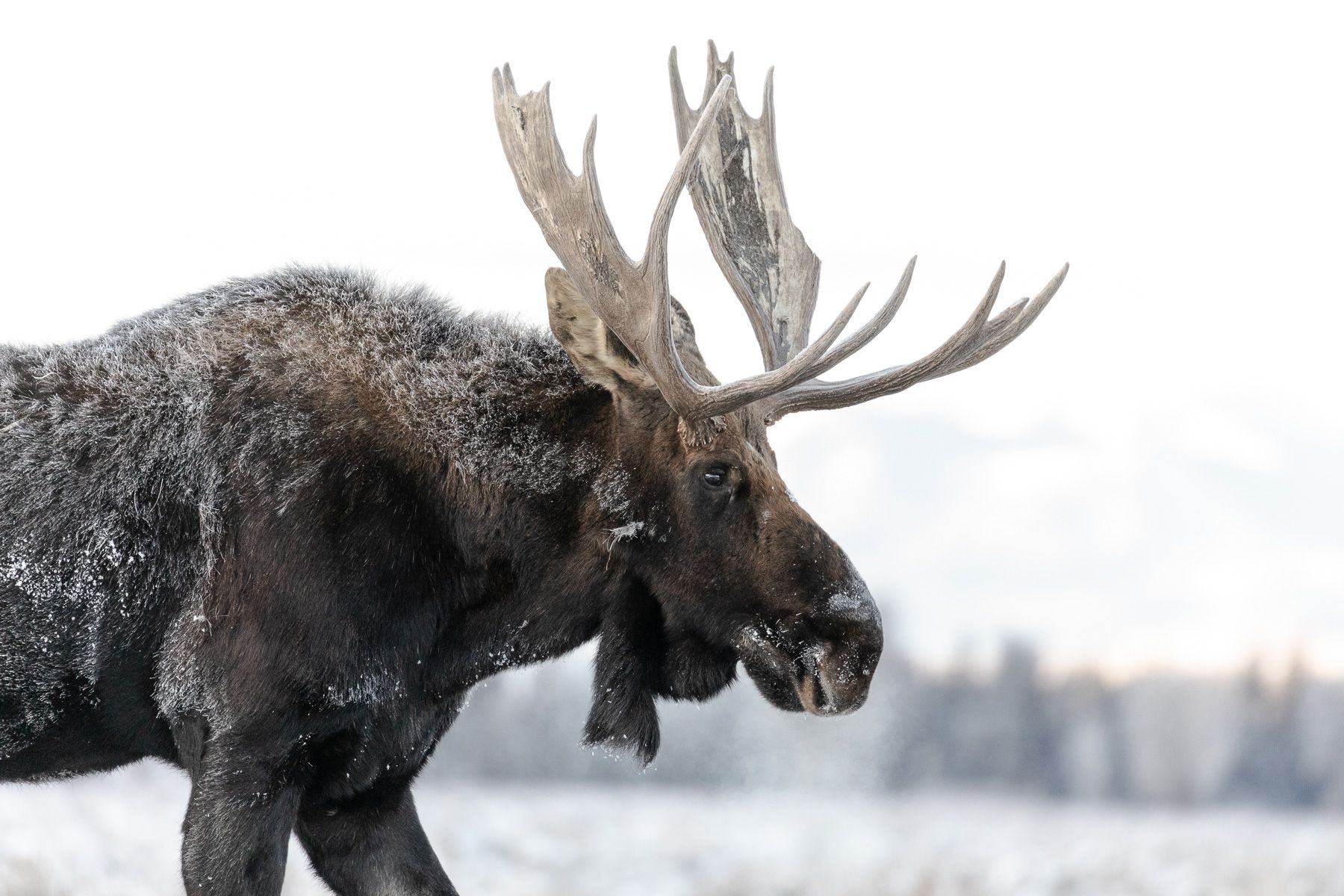
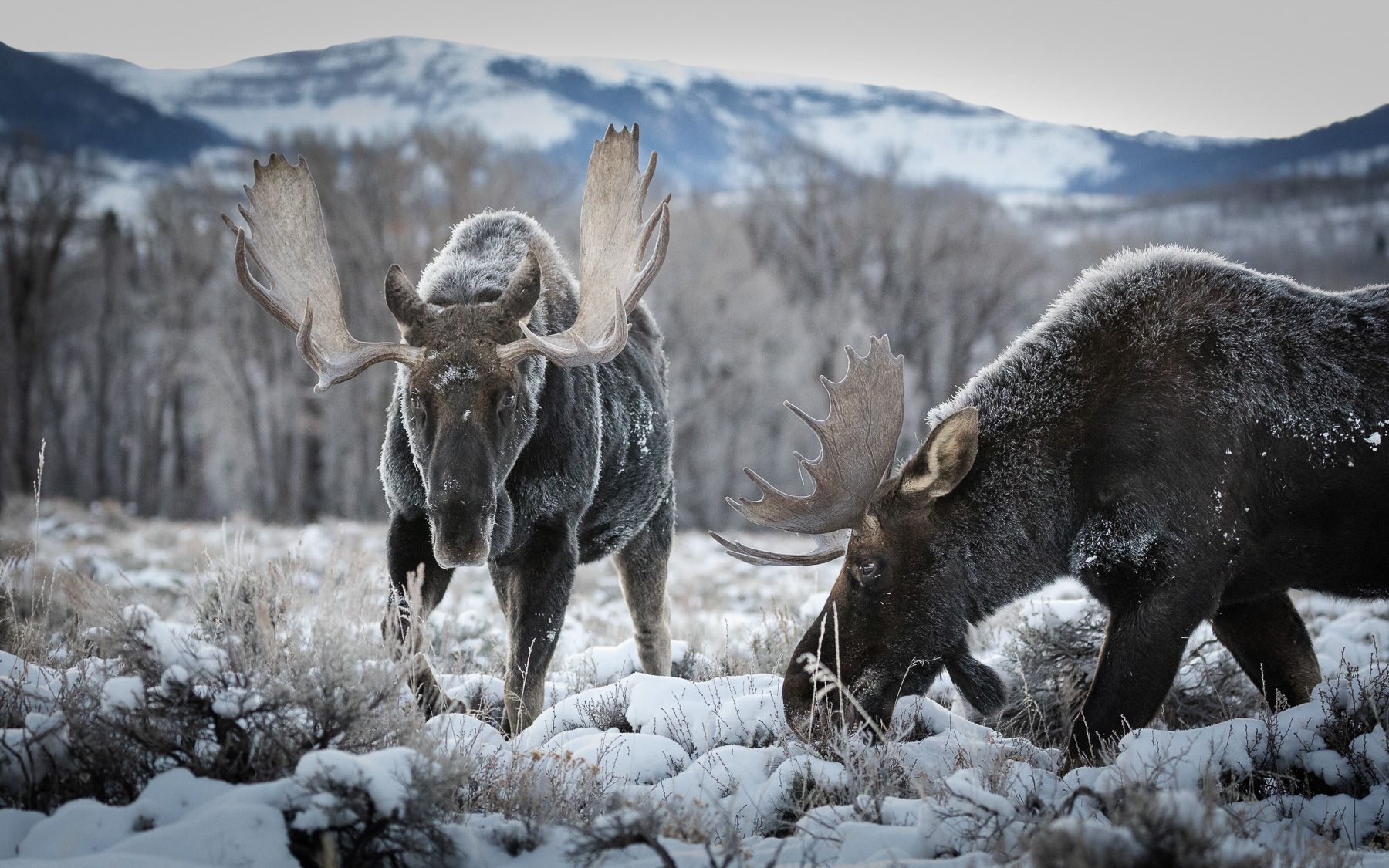
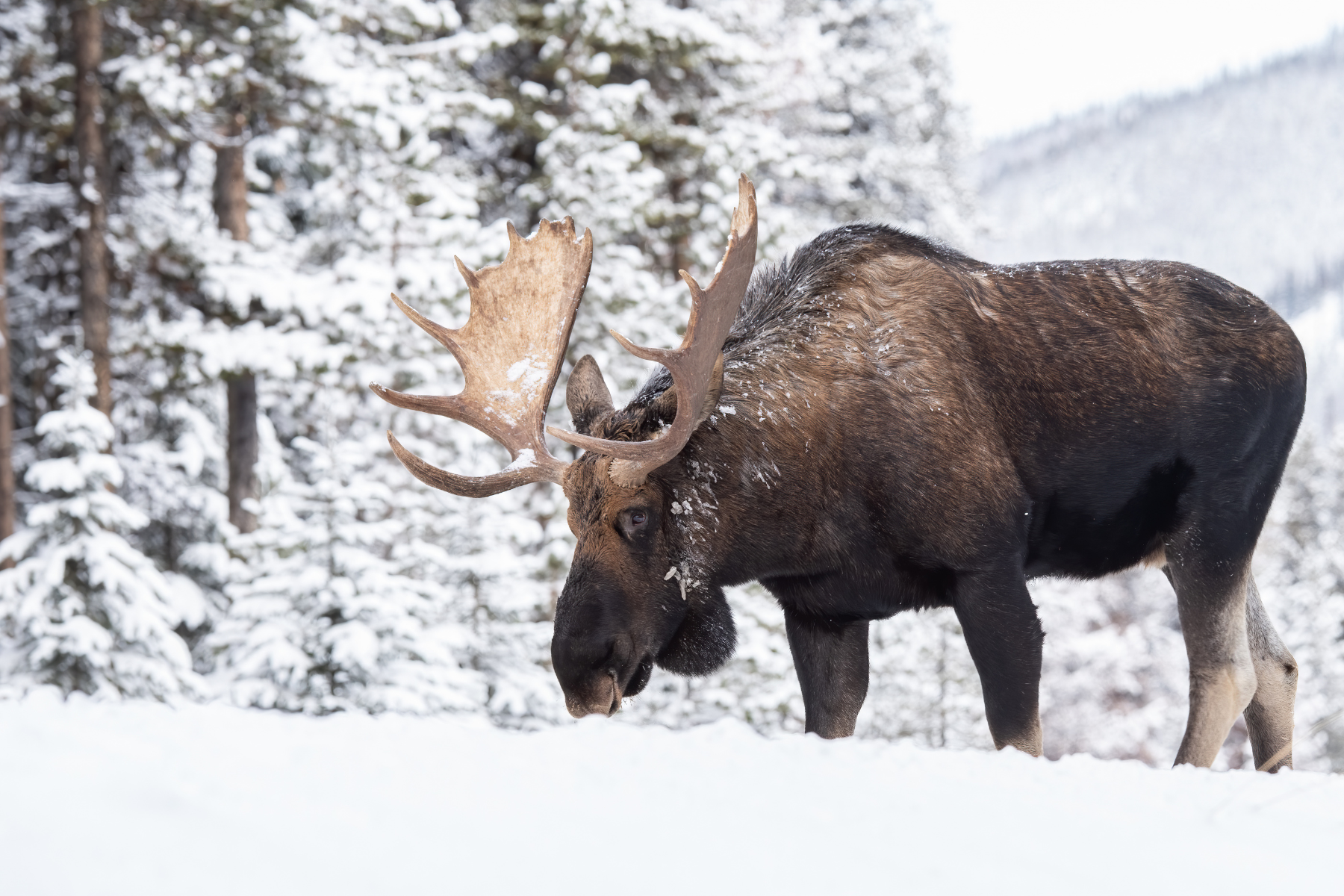
A bull moose standing against a wall of evergreens is one photograph. Several emerging from frosted willows with the Tetons disappearing into a snowstorm behind them is another.
Your photographic possibilities change with each new interaction between wildlife and the environment!
Why a Small Group Changes the Experience
Wildlife photography can be unsurprisingly solitary.
You are watching through a viewfinder. You are listening for movement. You are waiting for a head turn, a clean background, a moment when the animal steps into the light.
Now imagine trying to do all of that while simultaneously managing unfamiliar roads, locating wildlife habitat, watching weather conditions, deciding where to go next, and wondering whether you are missing the best opportunity somewhere else.
That is a lot of mental bandwidth devoted to logistics instead of photography.
A small-group workshop changes that equation.
With fewer photographers sharing the experience, there is more room for individual instruction, more opportunity to discuss what is happening in front of the camera, and less of the feeling that you are simply following a crowd from one wildlife sighting to another.
That distinction matters.
Because the objective isn't simply to come home with photographs of a bull moose.
It is to come home understanding why those photographs worked.
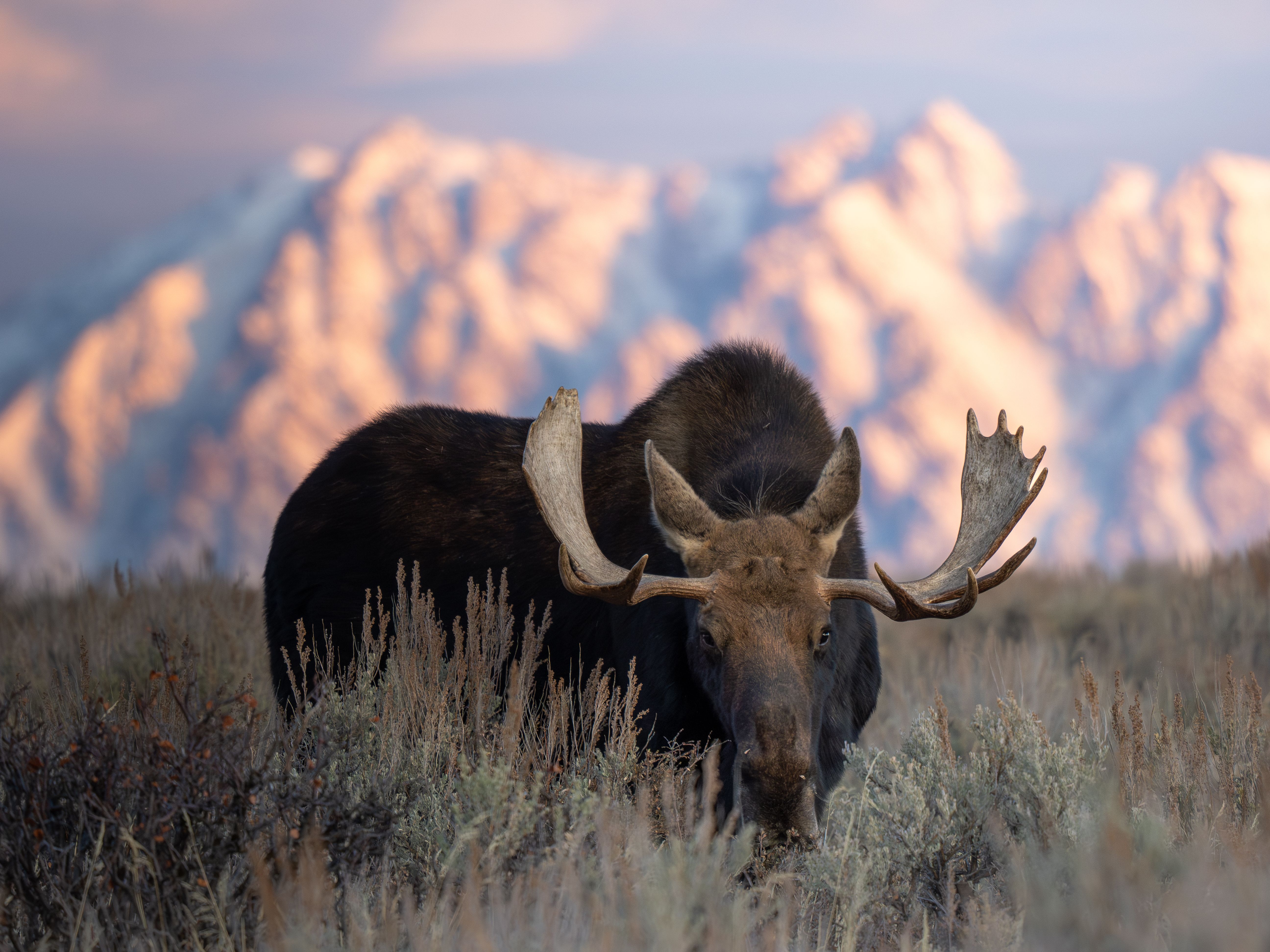
Learn to Photograph the Animal
A powerful wildlife photograph doesn't necessarily require a dramatic behavior. Sometimes the strongest image is about gesture.
A bull looking over his shoulder. A rack of antlers framed between snow-covered branches. Breathy condensation hanging in the cold air. Long legs disappearing into deep snow. The curve of a furry neck juxtaposed against the mountains. A solitary animal surrounded by an enormous winter landscape.
Those moments are easier to recognize when you understand what you're watching.
Rather than simply pointing out a moose and saying, "There it is," a knowledgeable wildlife photography guide can help you think through the scene: What is the animal doing? Where is the light? What is distracting from the subject? How much environment should you include? What happens if you wait another 30 seconds?
The goal isn't to hand you a recipe for taking a good photograph. It's to help you make better decisions in the field.
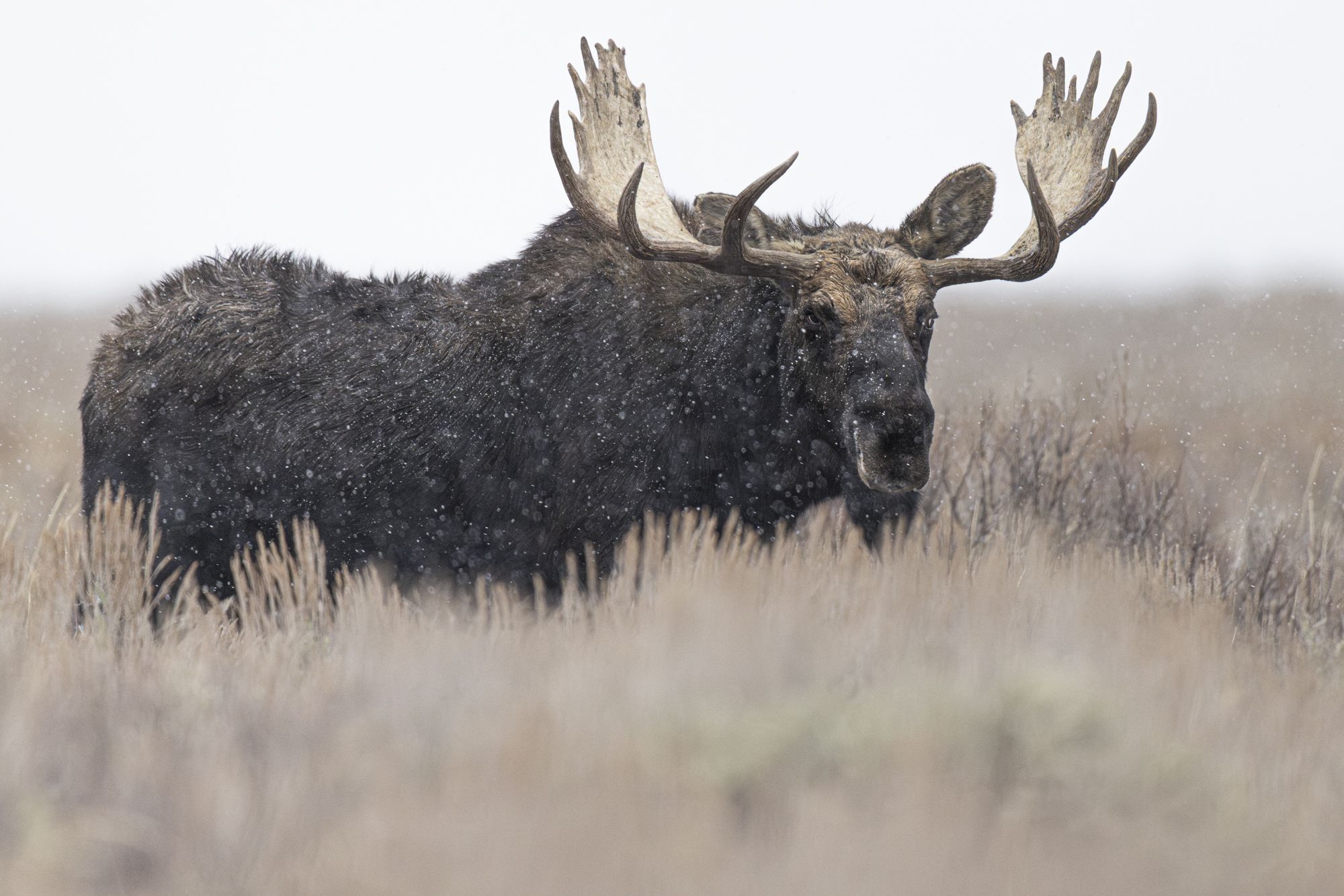
The Magic Is in the In-Between Season
There is something particularly compelling about an early-winter moose workshop!
It isn't quite autumn anymore. It isn't deep winter yet. The landscape is caught between two identities.
The rut is winding down, while bull moose can still carry their impressive antlers into the early winter period. As snow settles into the valley, moose begin adapting to the demands of the season and concentrating around areas where winter forage is available.
For a photographer, that creates a fascinating combination.
You can have the visual drama of winter without losing the character of the bull moose that makes this season so compelling.
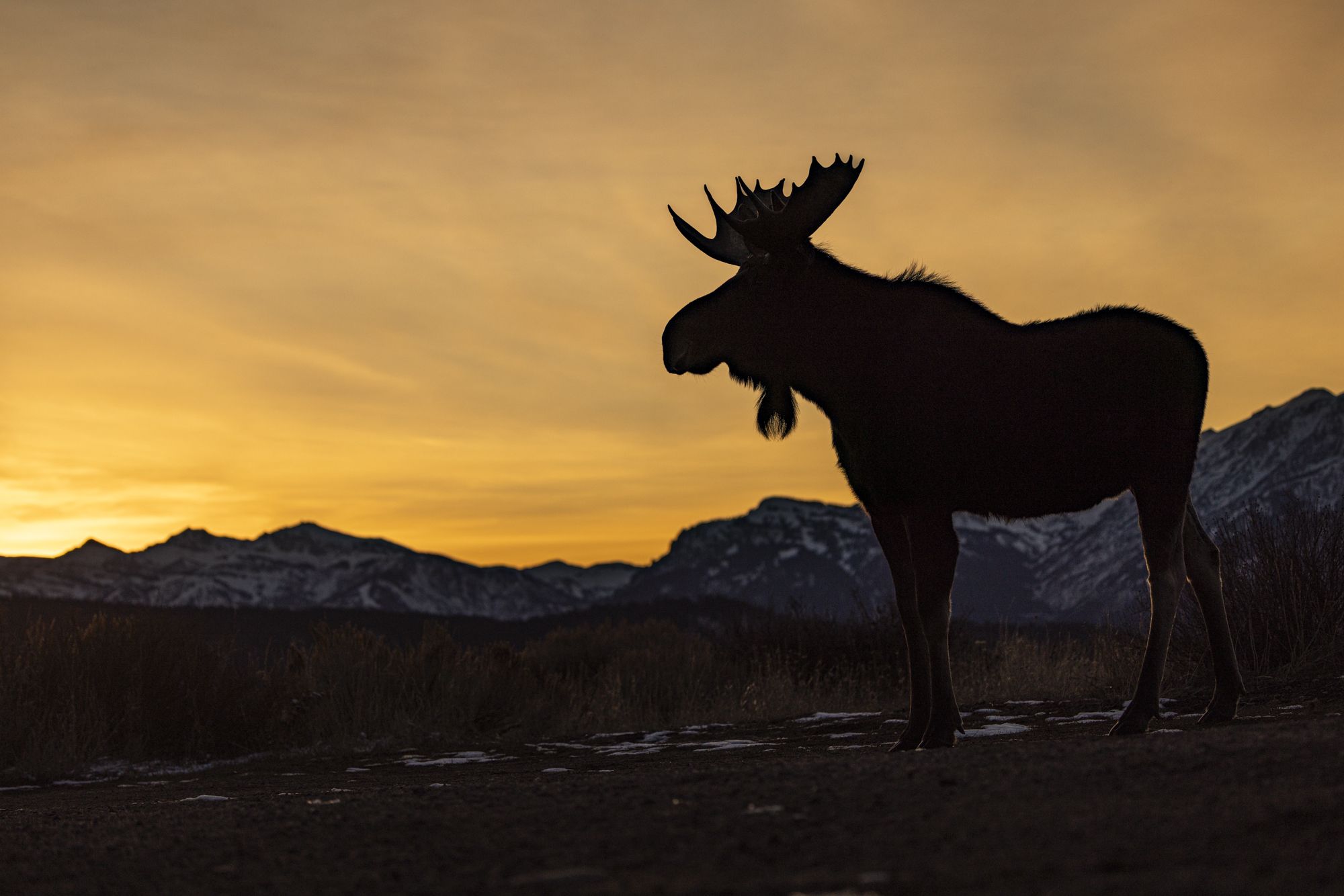
And when conditions cooperate, the result can be wonderfully cinematic: dark wildlife against white snow, warm autumn remnants against cold mountain light, and enormous animals occupying a landscape that suddenly feels much larger than it did a few months earlier.
This is the Tetons with the volume turned down.
Fewer people. More snow. More space.
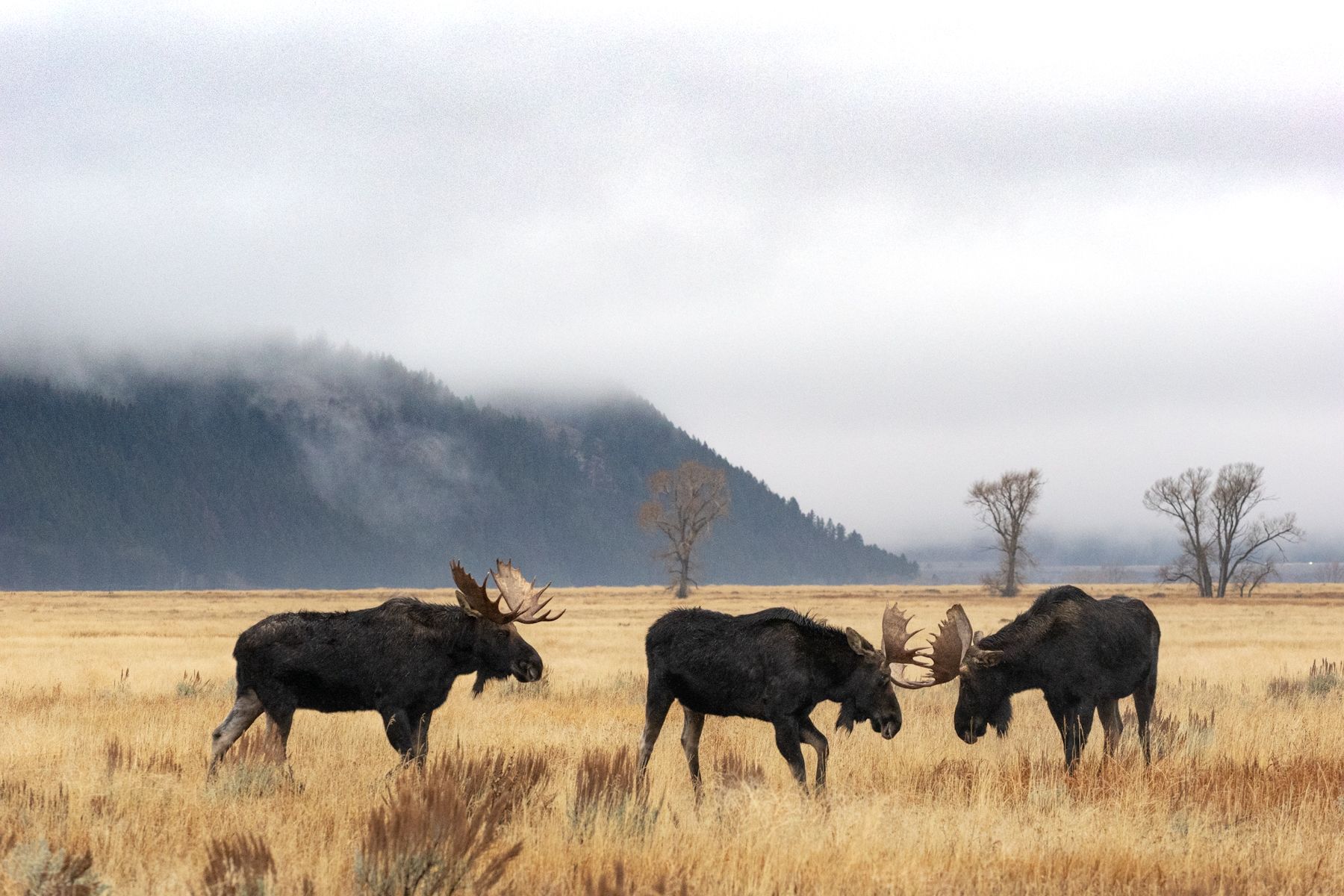
You Don't Have to Know Where the Photograph Is Yet
One of the most valuable things about traveling with experienced wildlife photographers is that you don't have to arrive knowing exactly what you want to photograph.
You can arrive curious. The rest can develop in the field.
Backcountry Journeys' Bull Moose Workshop is designed around that idea, with Jackson, Wyoming serving as a base for exploring Grand Teton National Park and the surrounding wildlife-rich areas. The workshop also benefits from Backcountry Journeys' status as an Authorized Permittee, providing a guided experience designed around finding and photographing wildlife responsibly.
And moose are only part of the story!
Depending on conditions and wildlife activity, the broader itinerary can offer opportunities for elk, bison, wolves, Trumpeter Swans, Bald Eagles, bighorn sheep, and other wildlife.
That matters because wildlife photography is unpredictable by nature!
You may arrive hoping for one perfect bull moose portrait and leave with a completely different portfolio.
Sometimes that's the better outcome!
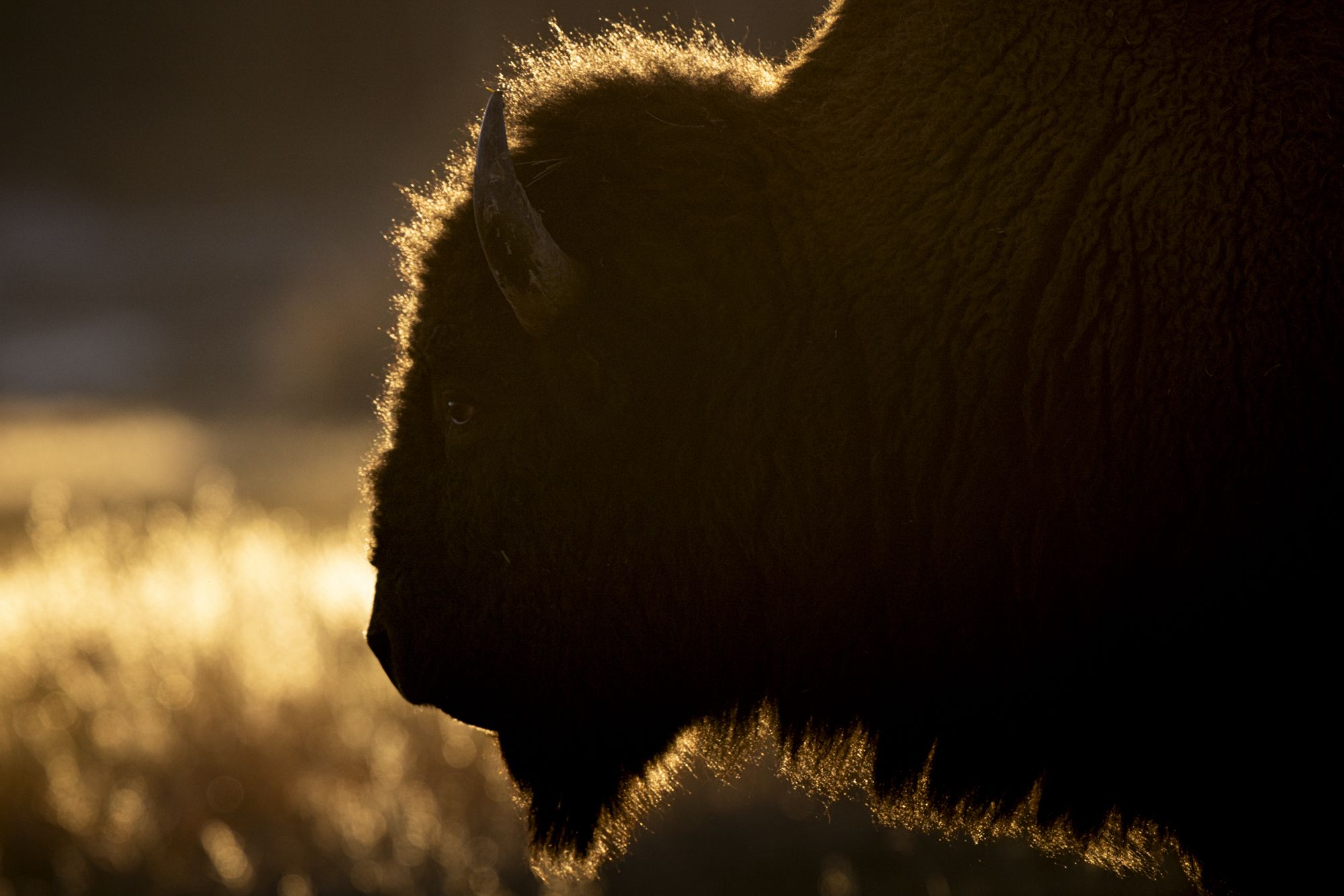
The Best Moose Photograph Might Not Be the One You Expected
That's the thing about photographing wildlife; you can't manufacture the moment.
You can only put yourself in the right place, understand your subject, prepare your equipment, and be ready when the scene changes.
That's what makes a dedicated Grand Teton bull moose photography workshop so rewarding!
You're not simply checking "moose" off a wildlife list.
You're learning how to anticipate. How to compose. How to wait.
To recognize the small gestures that happen between the obvious moments. And how to turn an encounter with a wild animal into a photograph that tells the story about where you were.
 Bull Moose Workshop: Winter Wildlife of Grand Teton
 Lodge-Based Photo Workshop
From $5,495.00
Up To 7 Guests
Fitness Level 1 - What's This?
Wanna Get Away?
Starts
Current Price:$0.00
Start: Jackson, WY
Led By
Start: Jackson, WY
Led By

Backcountry Journeys
Connecting Passionate People To
Exceptional Experiences.
Exceptional Experiences.
Business Hours:
Mon-Fri, 8AM-4PM MT
928-478-1521
adventure@backcountryjourneys.com
Mon-Fri, 8AM-4PM MT
928-478-1521
adventure@backcountryjourneys.com
arrow_drop_down_circle
Divider Text
All Images & Content Are Property Of Backcountry Journeys Photography Tours, Workshops & Safaris LLC - Copyright 2026


About Us
Receive a Digital Trip Catalog
Find an upcoming photography tour with our interactive catalog.