2025 Travelers' Choice

About Backcountry Journeys
Why Choose Backcountry Journeys
If you're considering a photography trip, hear why Backcountry Journeys delivers the best experience in the industry.Frequently Asked Questions
If you're new to photography trips, or new to BCJ, you can find our common travel questions here.Fitness Levels
Our trips vary on physical intensity, and by reviewing our fitness levels, you can find out which trips may be more challenging, or aligned more closely with your comfort level.Meet The Crew
We've built an amazing team of experienced guides, and dedicated office staff that elevate your travel experience. Get to know their backgrounds, and hear their stories.Loyalty Program
We reward our frequent photo adventurers with exclusive discounts on amazing photography trips.Contact Us
If you need to get in touch with our office staff, or have additional business inquiries, you can find our information here.Refer a Friend
Know someone perfect for one of our tours? Recommend them through this quick form.Stay Up To Date On All Things
Backcountry Journeys
Backcountry Journeys
Our Photography Community
Our Webinars
Our regularly hosted webinars provide photography instruction from our own guides on a wide range of topics.Our Education Portal
Explore our library of articles that cover everything from common questions, to in-depth guides on how to achieve that perfect shot.Community Testimonials
We're proud to foster an amazing group of photo travelers, and here you can find their stories from their past adventures.Resources For Photographers
About Our Company
Resources For Photographers
About Our Company
Iberian Lynx: Long Lens, Short Lens, or Something in Between? Choosing the Right Focal Length for Wildlife Photography
Published October 26, 2026
The Long Lens Isn't Always the Right Lens
When photographing wildlife, it's tempting to assume that a longer lens will always produce a better image. A 600mm telephoto brings distant animals within reach, fills the frame with fine detail, and helps isolate a subject against a soft background. For a photographer hoping to capture the intense gaze of an Iberian Lynx, those capabilities can be invaluable.
But a tightly framed portrait isn't the only photograph worth making.
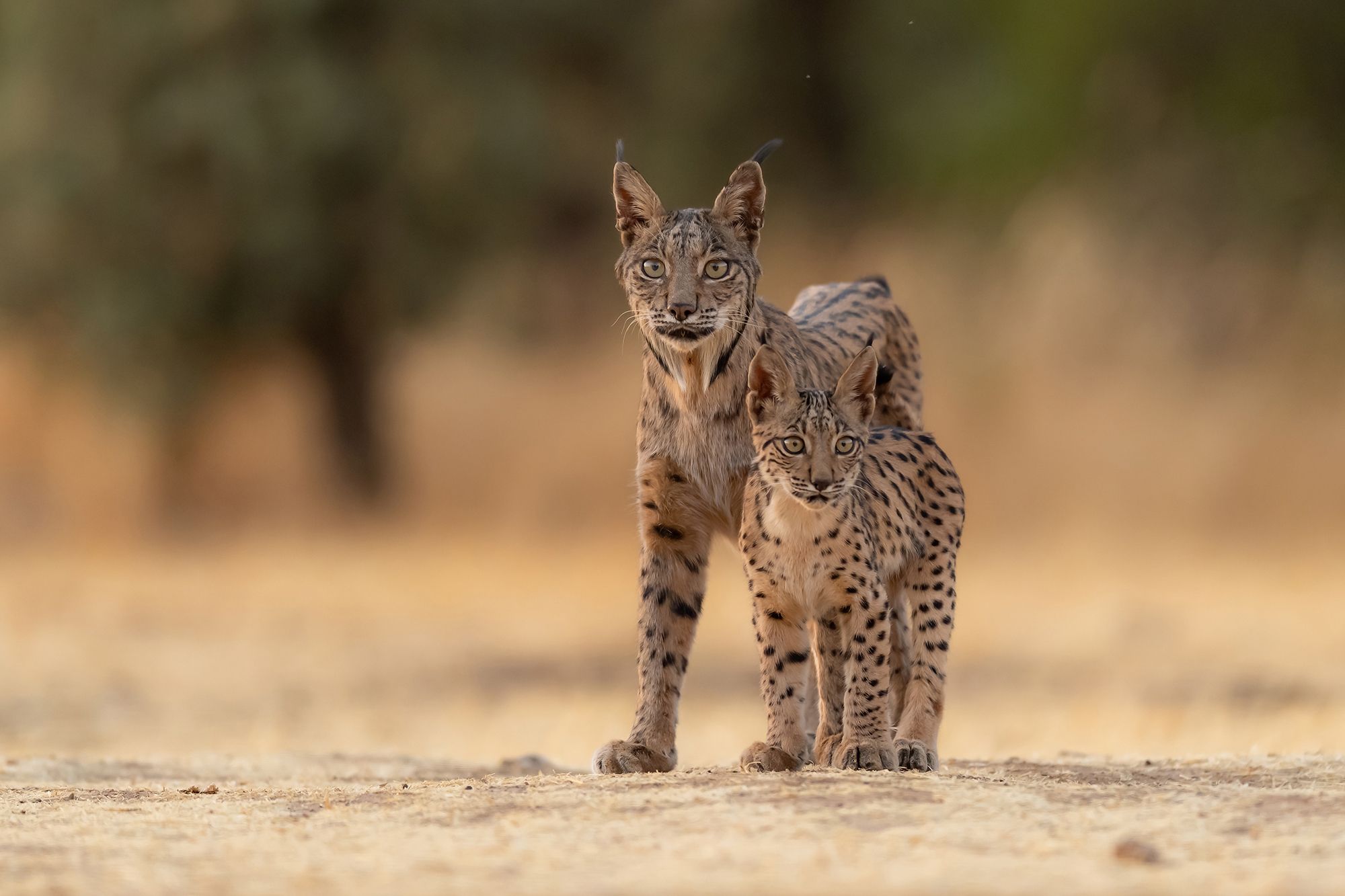
Imagine a lynx moving through the Mediterranean scrubland of Andalucía, its tawny coat blending into the surrounding vegetation. At a longer focal length, you can emphasize its eyes, whiskers, and distinctive ear tufts, creating an intimate portrait that draws the viewer into the animal's expression. With a wider lens, you might instead show the lynx within its environment, revealing the landscape that shapes the image and giving the viewer a stronger sense of place.
Both photographs can be successful, but they tell different stories.
Choosing the right focal length for wildlife photography isn't simply about how close you can make an animal appear. It's about deciding what belongs in the frame, how the background contributes to the subject, and what you want the viewer to feel when looking at the finished image.
The Iberian Lynx offers a particularly interesting subject for exploring these decisions. Its distinctive features reward close-up photography, while its natural habitat provides opportunities to create images that extend beyond the animal itself. Learning to move between those approaches can make your wildlife portfolio more varied, intentional, and visually compelling.
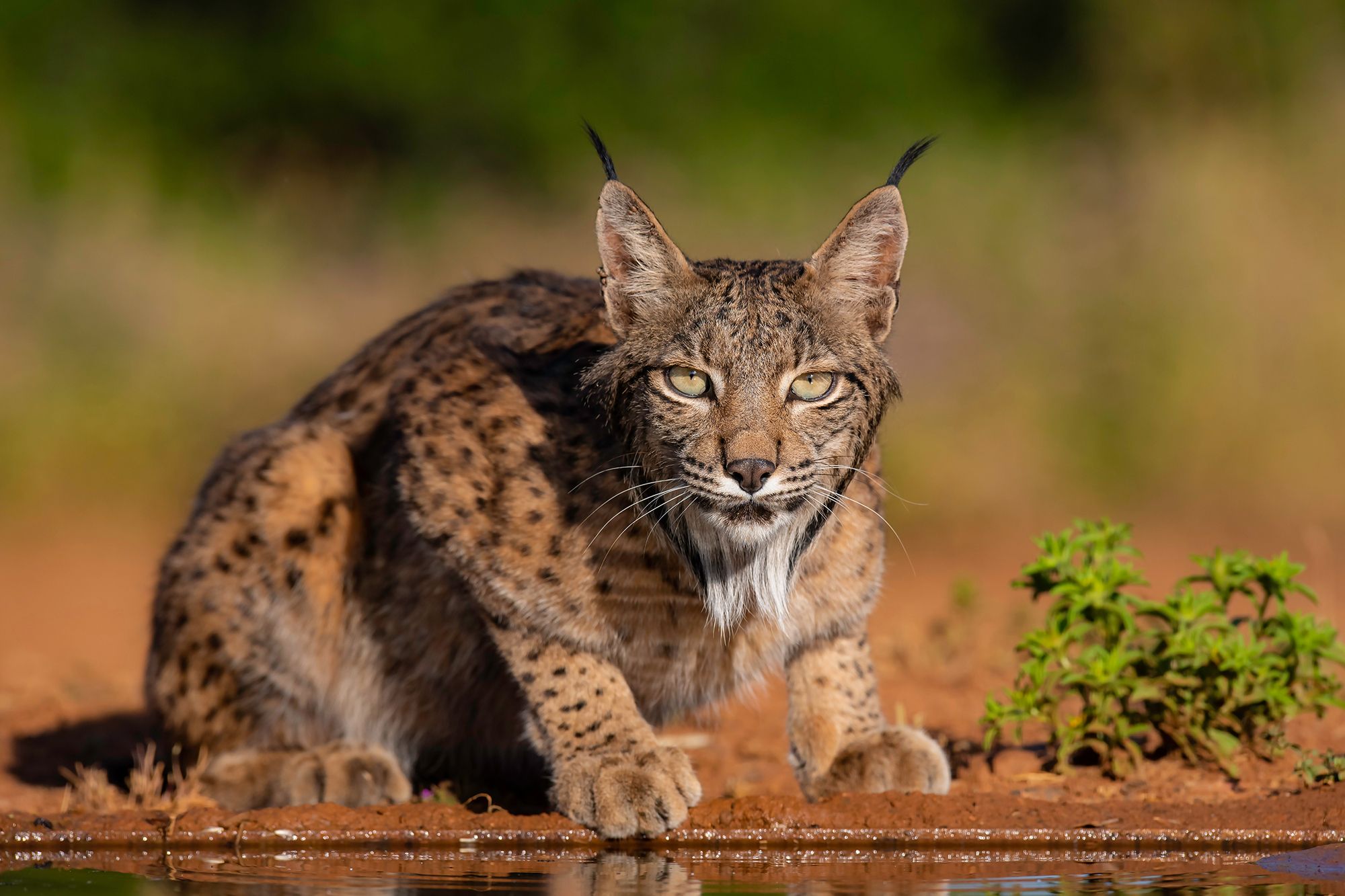
Long Lenses: Getting Closer Without Getting Closer
Telephoto lenses are essential tools for many wildlife photographers. Focal lengths such as 300mm, 400mm, 500mm, and 600mm make it possible to photograph distant subjects with substantial detail while maintaining a respectful distance.
For Iberian Lynx photography, a telephoto lens is especially useful for intimate portraits. The animal's eyes, facial markings, whiskers, and tufted ears offer intricate details that become powerful focal points when the composition is carefully controlled. A longer lens can also help simplify a busy environment by narrowing the field of view and making it easier to exclude distracting elements.
This is particularly valuable when photographing wildlife surrounded by branches, grasses, or dense vegetation. Instead of including every element in the scene, you can select a smaller portion of the environment and build a composition around the animal.
Telephoto lenses also make it easier to achieve a shallow depth of field under suitable conditions. With a wide aperture, such as f/2.8 or f/4, you can render the background as a soft wash of color while keeping the subject's eyes sharp. The resulting separation can give the photograph a clean, polished appearance.
However, the effect depends on more than focal length alone. Aperture, subject distance, background distance, and sensor size all influence depth of field and subject separation. A distant background often contributes as much to a beautifully blurred image as the lens itself.
There is another consideration: long lenses magnify movement. Small shifts in your hands, tripod, or subject position become more noticeable as magnification increases. A fast enough shutter speed, effective stabilization, and reliable focusing technique can help maintain sharpness.
The key is to use a telephoto lens when the details and expression of the animal are the story. If your goal is to capture the character of an Iberian Lynx in a compelling portrait, a longer focal length may be exactly the right choice. If the surrounding environment is equally important, however, a tighter frame may leave out the very details that make the scene memorable.
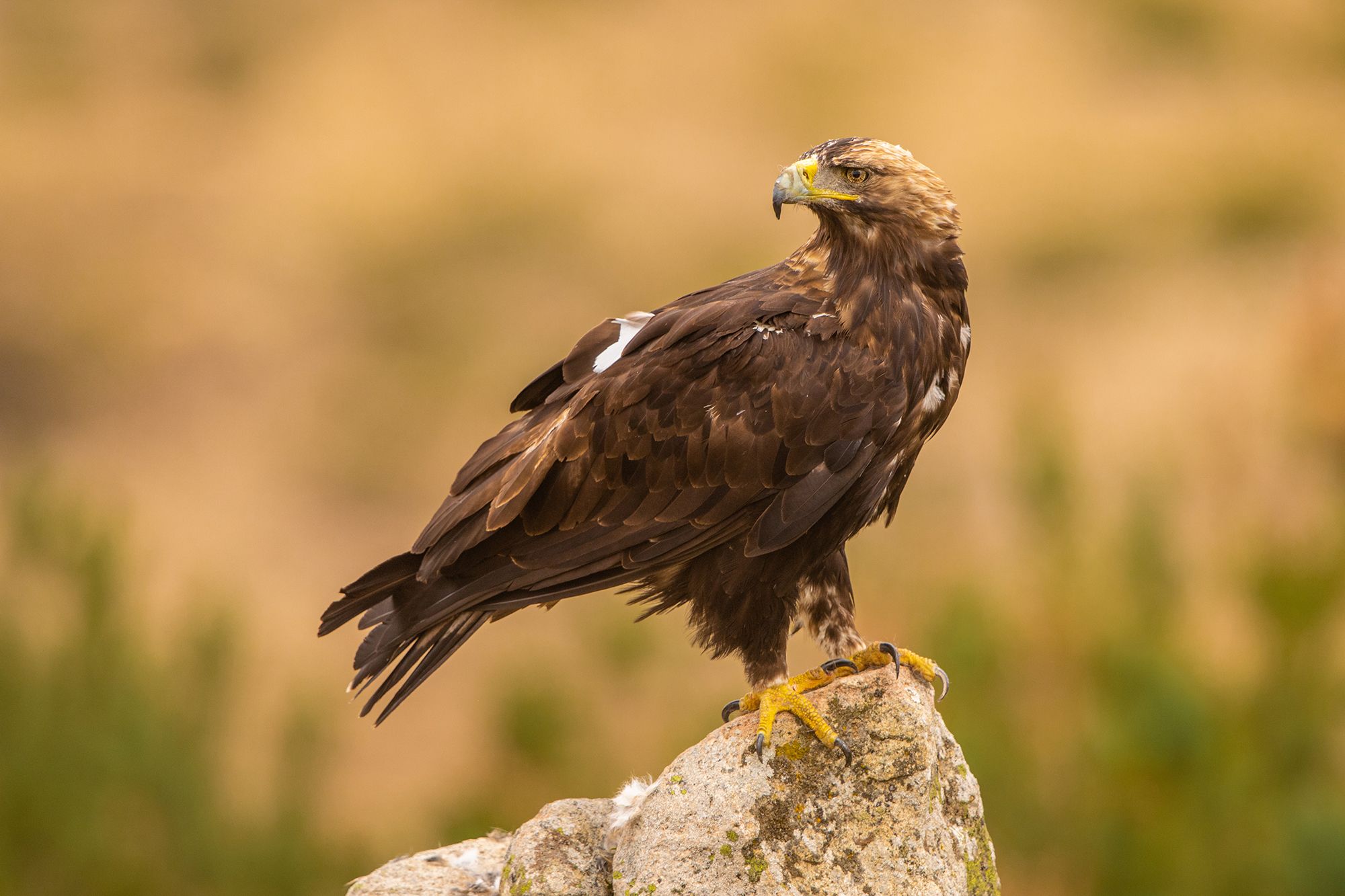
Shorter Lenses: When the Landscape Becomes Part of the Story
A wide-angle lens might not be the first piece of equipment that comes to mind when planning a wildlife photography session, but it can produce some of the most distinctive images in a portfolio.
Where a telephoto lens emphasizes the animal, a wide-angle lens can establish a relationship between the animal and its surroundings. The landscape becomes more than a background. It becomes an active part of the composition.
Consider an Iberian Lynx photographed among the oak trees, scrub, and rugged terrain of southern Spain. A long lens might isolate the animal against a smooth, muted background. A wider lens could reveal the surrounding vegetation, the texture of the ground, and the broader habitat that gives the photograph its context.
These environmental portraits can be especially effective when you want to communicate a sense of place. Rather than simply showing viewers what a lynx looks like, you show them where it lives and how it fits into the landscape.
Wide-angle wildlife photography does require careful technique. Because the subject occupies a smaller portion of the frame, it can lose visual impact if it isn't positioned thoughtfully. Getting closer to the subject, when permitted and safe, can help establish a stronger visual connection, but photographers should never approach or disturb wildlife to achieve a particular composition. The equipment and photographic position must suit the animal and the viewing conditions.
Perspective is another important consideration. Wide-angle lenses exaggerate the apparent difference in size between nearby and distant objects. This can create a dramatic sense of depth, but it can also make an animal appear small against an expansive landscape. That isn't necessarily a problem. In the right composition, the contrast can communicate the scale of the environment and the animal's place within it.
For photographers working in Andalucía, this approach opens up a different creative objective: instead of asking how much of the frame the lynx can fill, ask how much of its world the photograph can reveal!
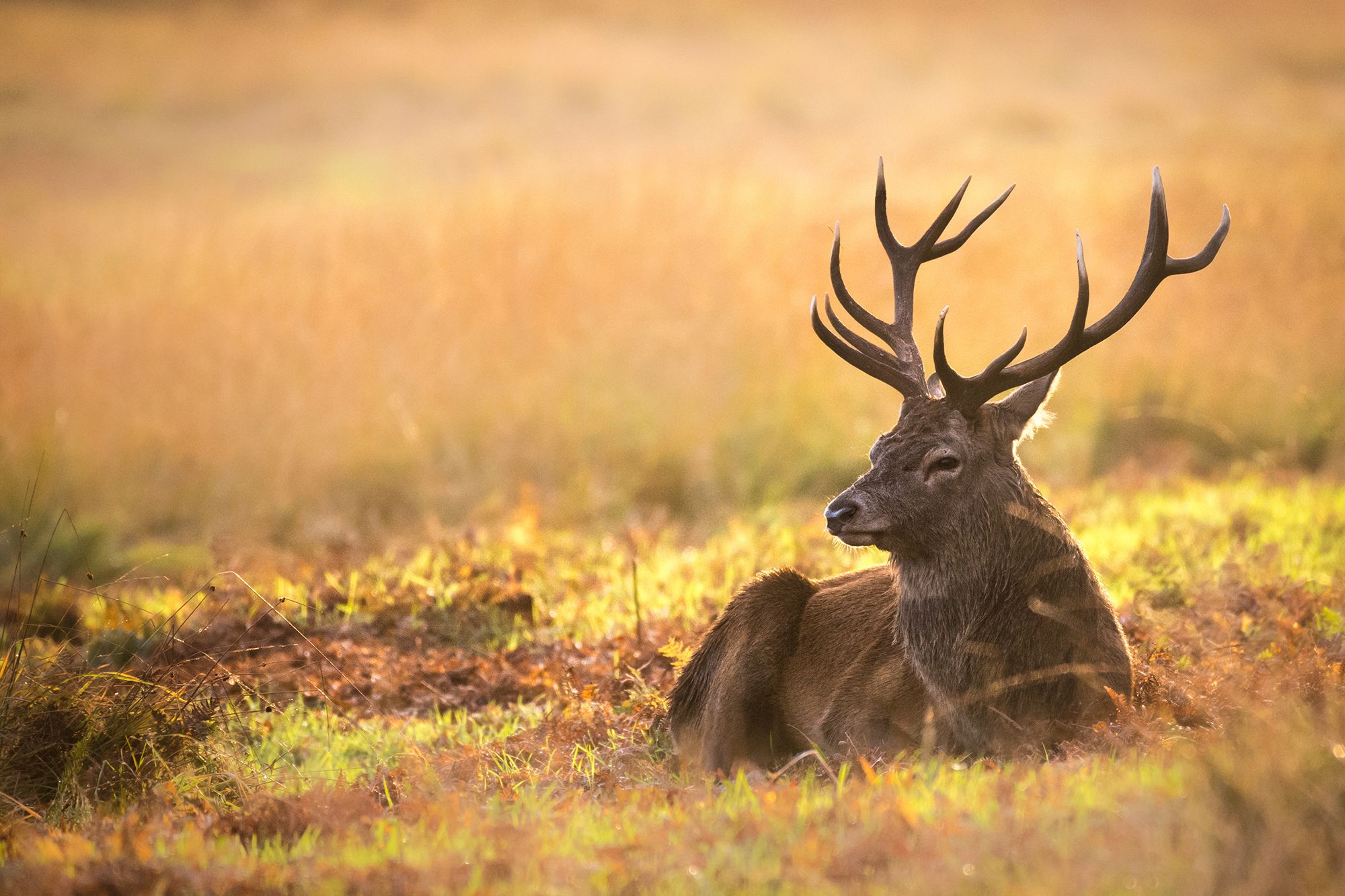
The Middle Ground: Why Standard Telephoto Zooms Are So Versatile
Between wide-angle environmental photography and extreme telephoto portraits lies a particularly useful range of focal lengths. Lenses covering approximately 70–200mm or 100–400mm, for example, can provide flexibility when the distance to a subject or the desired composition changes.
This middle ground is useful because wildlife doesn't always cooperate with a predetermined framing plan. An animal might appear against an attractive background, move into a more open area, or change its position relative to the camera. A zoom lens lets you adapt without necessarily changing your position or switching equipment.
A 100–400mm lens, for instance, can create a relatively wide environmental composition at its shorter end before tightening into a more detailed portrait at longer focal lengths. A 70–200mm lens can be useful when an animal is relatively close or when you want to preserve more of the surrounding scene.
This flexibility also helps photographers experiment with visual storytelling. You might begin with a wider frame that establishes the animal's surroundings, then move to a tighter composition that emphasizes its expression. Both images can work together to tell a more complete story.
For photographers who prefer to travel with less equipment, a versatile zoom can be a practical choice. It offers multiple compositional options without requiring a bag full of lenses, although maximum aperture, autofocus performance, weight, and available reach will vary by model.
The trade-off is that a zoom may not offer the same maximum aperture or low-light performance as some specialized prime lenses. A 400mm f/2.8, for example, gathers substantially more light than a 100–400mm zoom set to 400mm at f/5.6. That difference matters when shutter speeds need to remain high in dim conditions.
Rather than choosing a lens based on its focal-length range alone, consider how you actually photograph wildlife. Do you prefer intimate portraits? Do you want the flexibility to capture both habitat and detail? Are you comfortable changing lenses, or would you rather have a single setup ready for changing opportunities?
The most useful lens is the one that supports your photographic intentions without getting in the way of the experience!
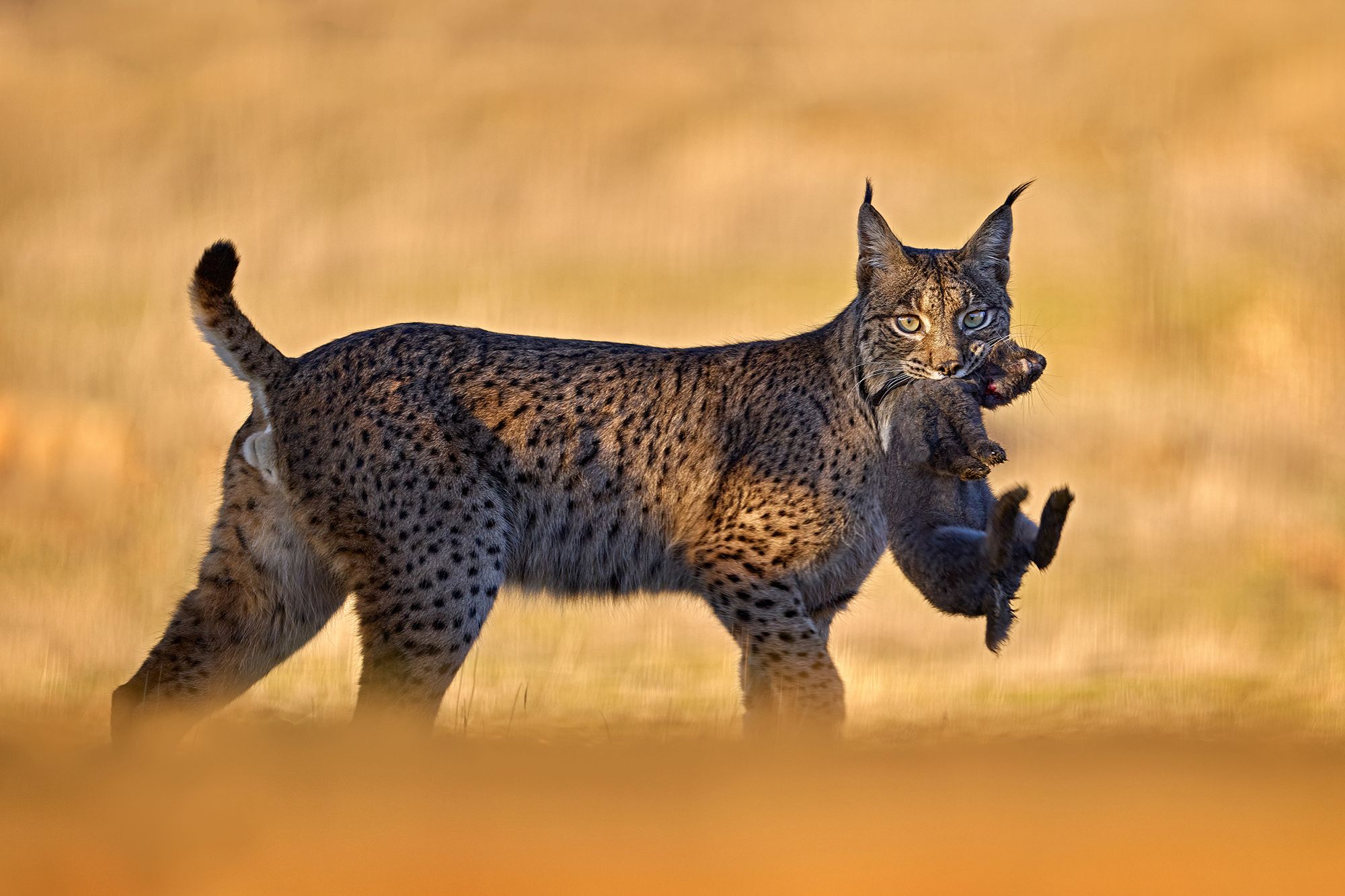
Focal Length, Backgrounds, and the Illusion of Compression
One of the most misunderstood aspects of lens choice is background compression. Photographers often associate longer focal lengths with compressed backgrounds, but focal length alone doesn't determine perspective.
Perspective is determined by camera position. When you move farther away from a subject to maintain the same framing with a longer lens, the relative size and spacing of foreground and background elements change. This can make distant objects appear larger in relation to the subject and closer together within the composition.
For wildlife photographers, that effect can be extremely useful.
Imagine photographing an Iberian Lynx with distant vegetation behind it. From a suitable position, a longer focal length can help bring the background visually closer and render it as a smooth, unified field of color. The result may emphasize the animal's outline and expression while reducing visual clutter.
A wider lens, by contrast, can exaggerate the apparent distance between nearby and distant elements, creating a greater sense of depth. This can be effective when the habitat itself contributes meaningfully to the image.
Neither approach is inherently superior. A soft background can create an intimate, elegant portrait, while a more layered scene can provide atmosphere and context.
The important distinction is that you shouldn't choose a lens simply because you want a blurred background. Think about where you can safely and appropriately photograph from, how far the animal is from the background, and which perspective best supports the composition. Then select a focal length that gives you the framing you need.
In wildlife photography, the strongest images often come from understanding the relationship between subject, background, and camera position rather than relying on focal length as a shortcut.
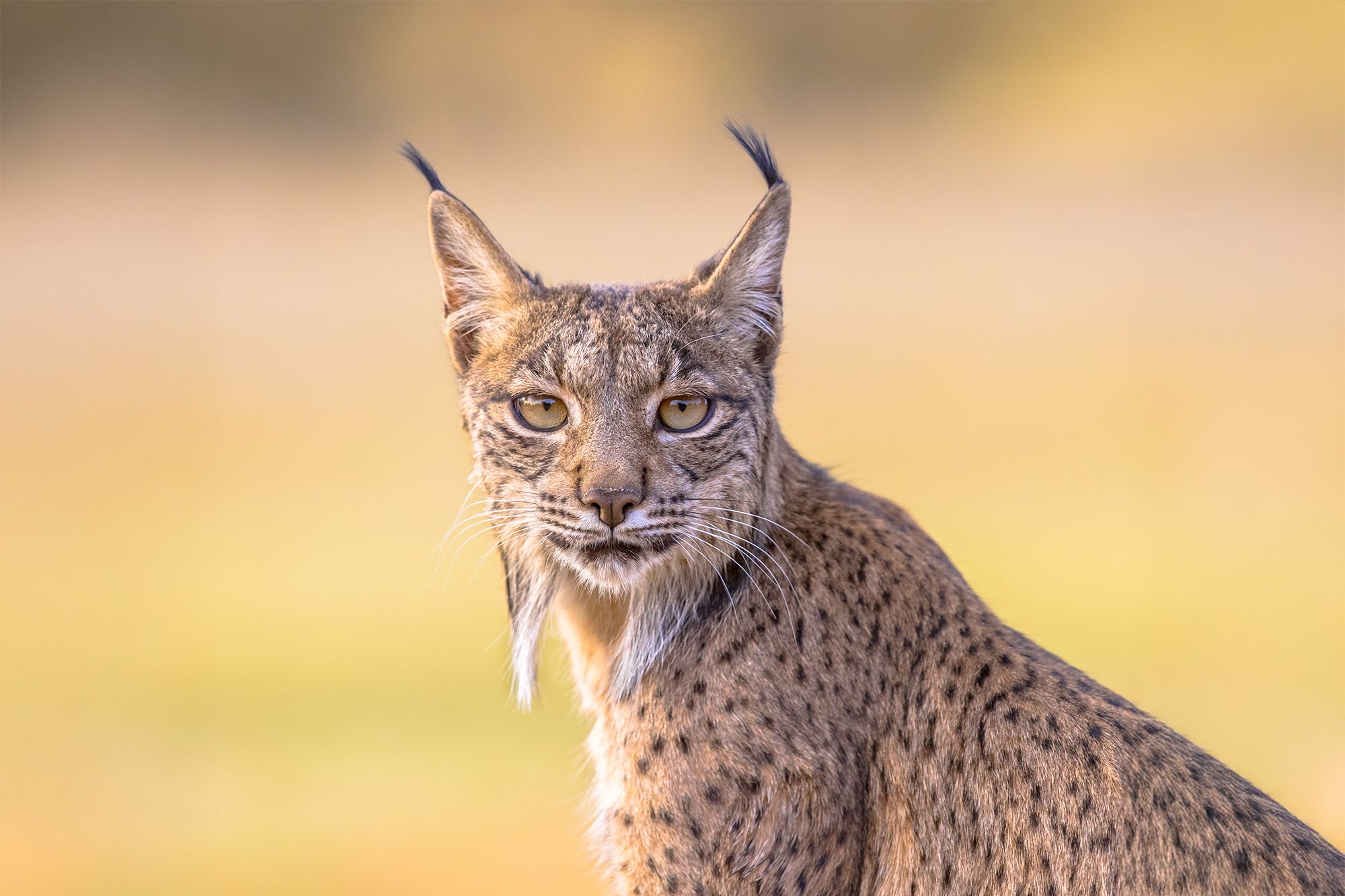
Building a Wildlife Portfolio With More Than One Perspective
A memorable wildlife portfolio rarely consists entirely of tight portraits. Although detailed images are often visually striking, a collection of photographs becomes more engaging when it offers variety in scale, perspective, and narrative.
Think about how you might photograph the Iberian Lynx across a range of focal lengths.
Start with an intimate portrait that emphasizes the animal's eyes and facial markings. Then create a medium composition that includes more of its body and immediate surroundings. Finally, look for an environmental image that places the lynx within the broader Andalusian landscape.
Each photograph serves a different purpose. The portrait establishes a connection with the animal. The medium composition reveals more of its behavior and physical presence. The environmental image establishes context and creates a sense of place.
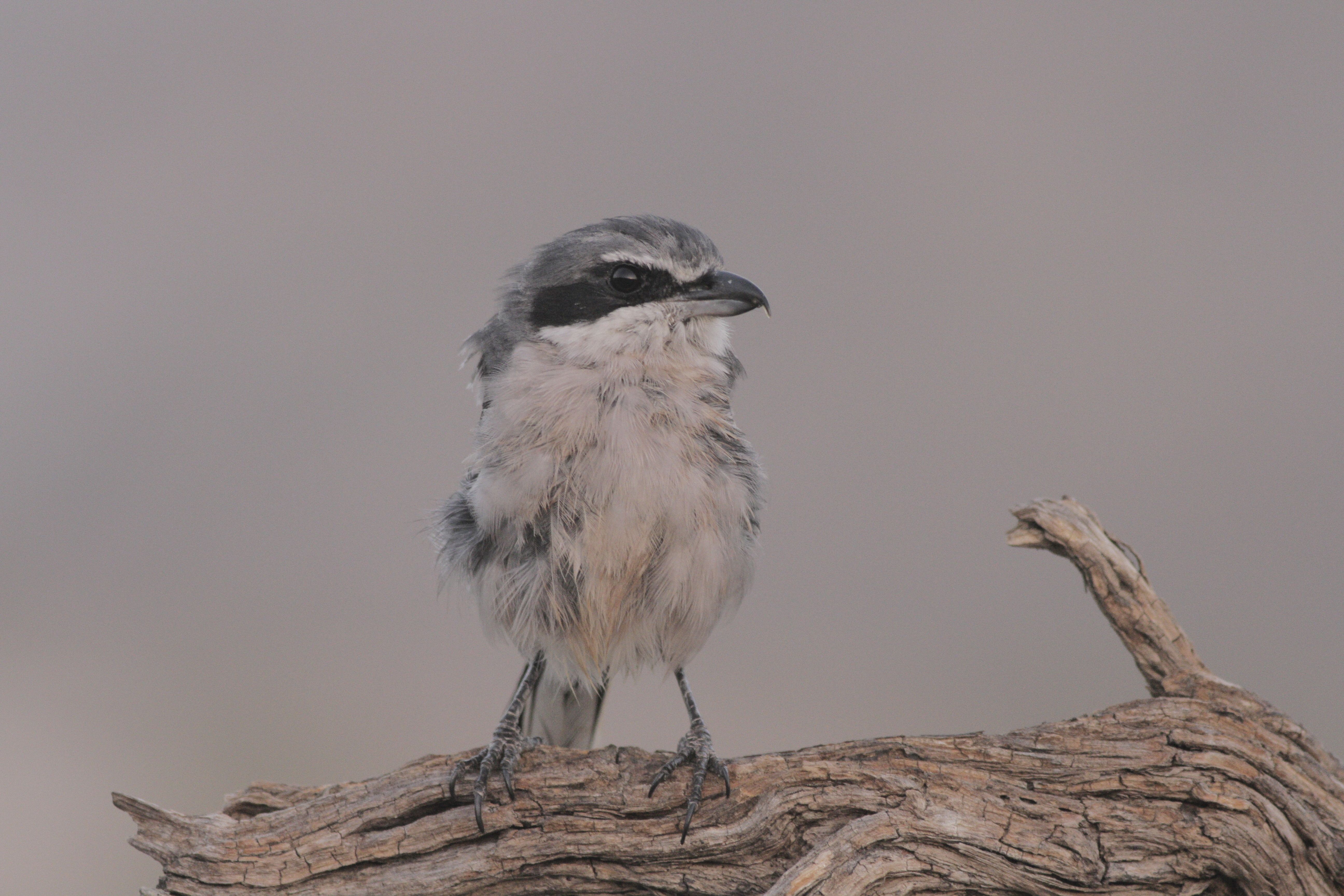
You can apply the same approach to other wildlife subjects. A bird photographed with a long lens might reveal intricate feather detail, while a wider composition could show it interacting with its habitat. An Iberian Ibex among the dramatic limestone formations of Torcal de Antequera might be most compelling when the animal shares the frame with the surrounding geology.
The result is a more complete visual story, with each image contributing something new rather than repeating the same composition.
One practical exercise is to challenge yourself to create three distinct photographs of the same subject whenever conditions allow. Change the framing, reconsider the background, and think about what the viewer needs to see. If every photograph looks essentially identical, ask whether you're choosing focal lengths out of habit rather than intention.
You don't need every lens in your camera bag to accomplish this. Sometimes a small adjustment in framing or a change in camera position, where appropriate, is enough to create a different photograph!
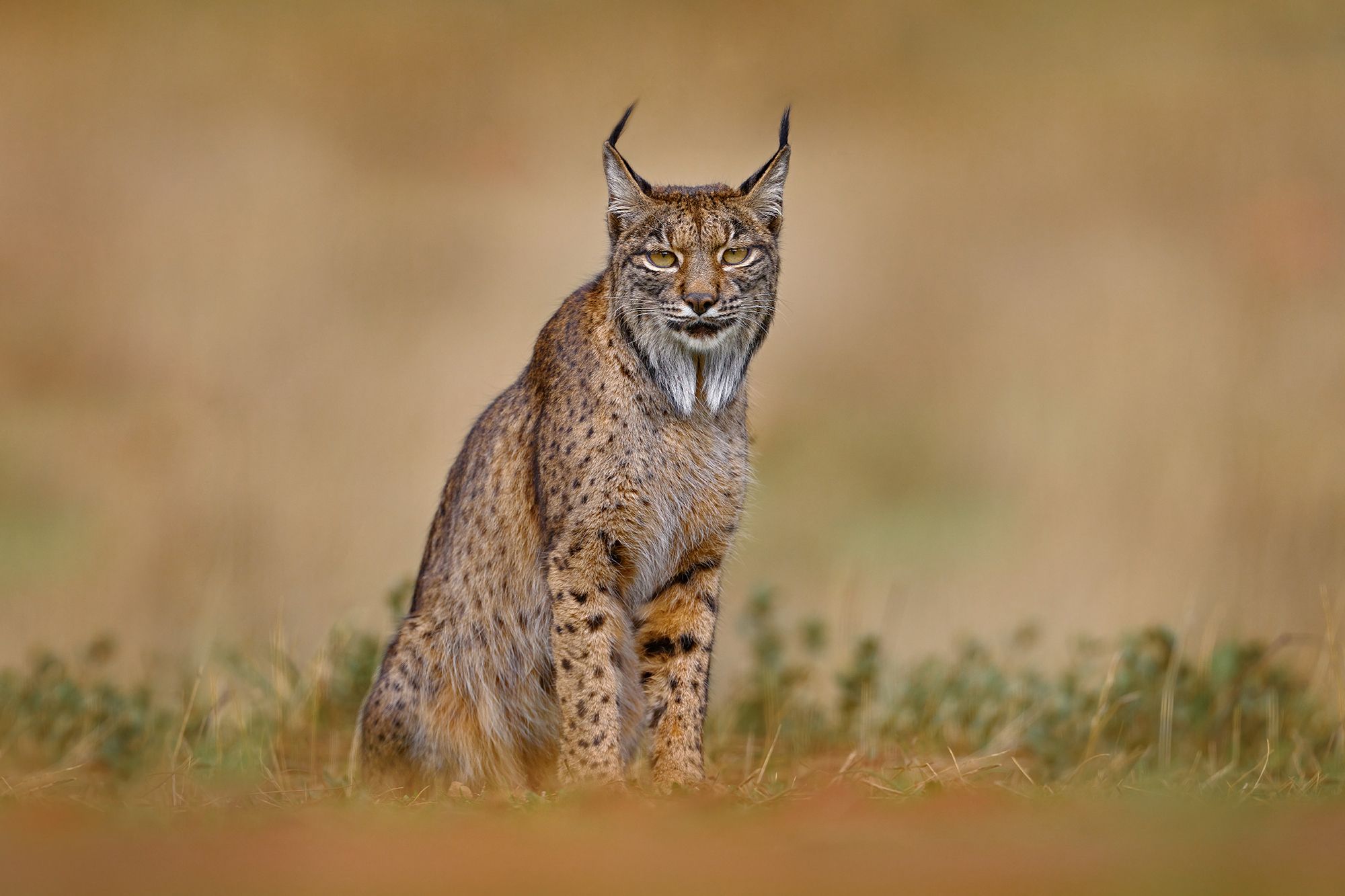
Choosing Your Wildlife Photography Kit for Andalucía
When preparing for a wildlife photography experience centered on the Iberian Lynx, think in terms of photographic opportunities rather than trying to bring every lens you own.
A long telephoto can be an excellent primary lens for detailed portraits and distant subjects. A versatile zoom can provide flexibility across a broader range of compositions. A shorter lens can help when the environment is a major part of the image or when you want to create a more expansive sense of place.
Your camera body matters, too. Effective autofocus tracking, reliable subject detection, responsive burst shooting, and good high-ISO performance can all help in wildlife situations. But no specification can replace an understanding of composition, exposure, and animal behavior.
Before packing, consider these questions:
What do I most want to photograph? If intimate wildlife portraits are your priority, telephoto reach may deserve the most space in your kit.
Do I want to tell a broader story? If habitat and landscape are important to you, make room for a shorter focal length.
How will I handle changing conditions? A zoom lens may be worth prioritizing if you want to adapt quickly without changing lenses.
What can I comfortably carry and use all day? Weight and handling matter, especially when equipment needs to remain accessible and ready.
Am I choosing equipment for the photographs I want to make, or simply because it has impressive specifications? The distinction can save both money and unnecessary weight.
The best setup is not necessarily the most expensive or the one with the greatest reach. It is the one that gives you the creative flexibility to respond to the opportunities in front of you!
The Right Lens Is the One That Tells the Right Story
Photographing the Iberian Lynx in southern Spain is an opportunity to think differently about the role equipment plays in wildlife photography. A long lens can bring you into the animal's world through a detailed portrait. A shorter lens can place that same animal within a larger landscape. A versatile zoom can help bridge the two, allowing you to experiment with framing as the scene develops.
The real skill lies in recognizing which approach serves the photograph you want to create.
Before your next wildlife session, try leaving the assumption that tighter is always better behind. Look at the background. Consider the space around your subject. Think about whether the landscape adds context or whether the animal's expression deserves the entire frame.
You may discover that your most memorable image isn't the one that shows the most detail. It might be the one that captures the animal in its environment, with enough room for the viewer to imagine the world beyond the frame.
And sometimes, the best reason to reach for a different lens is simply to see a familiar subject in a completely new way.
 Iberian Lynx Photo Safari
 Lodge-Based Photo Safari
From $7,995.00
Up To 10 Guests
Fitness Level 1 - What's This?
Wanna Get Away?
Starts
Current Price:$0.00
Start: Málaga, Spain (AGP)
Led By
Start: Málaga, Spain (AGP)
Led By

Backcountry Journeys
Connecting Passionate People To
Exceptional Experiences.
Exceptional Experiences.
Business Hours:
Mon-Fri, 8AM-4PM MT
928-478-1521
adventure@backcountryjourneys.com
Mon-Fri, 8AM-4PM MT
928-478-1521
adventure@backcountryjourneys.com
arrow_drop_down_circle
Divider Text
All Images & Content Are Property Of Backcountry Journeys Photography Tours, Workshops & Safaris LLC - Copyright 2026


About Us
Receive a Digital Trip Catalog
Find an upcoming photography tour with our interactive catalog.