2025 Travelers' Choice

About Backcountry Journeys
Why Choose Backcountry Journeys
If you're considering a photography trip, hear why Backcountry Journeys delivers the best experience in the industry.Frequently Asked Questions
If you're new to photography trips, or new to BCJ, you can find our common travel questions here.Fitness Levels
Our trips vary on physical intensity, and by reviewing our fitness levels, you can find out which trips may be more challenging, or aligned more closely with your comfort level.Meet The Crew
We've built an amazing team of experienced guides, and dedicated office staff that elevate your travel experience. Get to know their backgrounds, and hear their stories.Loyalty Program
We reward our frequent photo adventurers with exclusive discounts on amazing photography trips.Contact Us
If you need to get in touch with our office staff, or have additional business inquiries, you can find our information here.Refer a Friend
Know someone perfect for one of our tours? Recommend them through this quick form.Stay Up To Date On All Things
Backcountry Journeys
Backcountry Journeys
Our Photography Community
Our Webinars
Our regularly hosted webinars provide photography instruction from our own guides on a wide range of topics.Our Education Portal
Explore our library of articles that cover everything from common questions, to in-depth guides on how to achieve that perfect shot.Community Testimonials
We're proud to foster an amazing group of photo travelers, and here you can find their stories from their past adventures.Resources For Photographers
About Our Company
Resources For Photographers
About Our Company
New Life and a Park Waking Up, Photographing Yellowstone in the Spring

Published April 8, 2026
Spring in Yellowstone feels like the park taking a deep breath after a long winter. Snow still blankets the high country, but the valleys begin to open up, rivers swell with meltwater, and wildlife returns to familiar ground. Everything feels in motion. For photographers, this season offers some of the most rewarding moments of the year, especially if you enjoy quiet mornings, changing weather, and real stories unfolding in front of your lens.
Spring is not flashy in the way summer can be. It is subtle, raw, and honest. The light is softer, the crowds are smaller, and the animals are busy simply trying to survive and raise young. If you are drawn to images that feel authentic and grounded, spring in Yellowstone delivers again and again.
A Place Caught Between Seasons
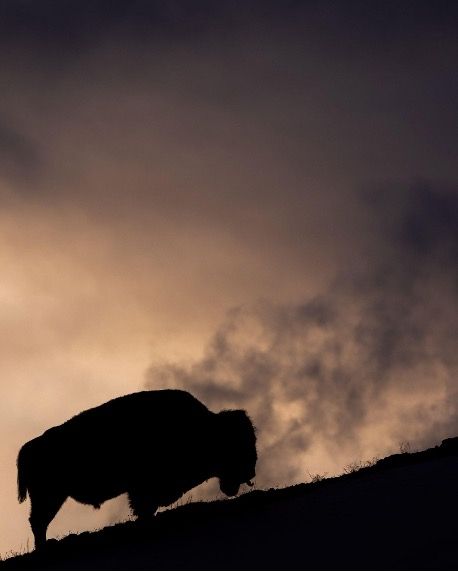
One of the best things about spring is that Yellowstone does not look settled yet. Snow lingers on the hillsides while bare ground appears in the valleys. Steam rises from geothermal areas into cold morning air. Patches of ice drift down rivers that are running fast and full.
This mix of winter and spring adds depth to photos. You get contrast between dark earth and bright snow, soft light filtered through clouds, and textures that make images feel layered and alive. Early mornings often bring fog or low clouds, especially in places like Lamar Valley, Hayden Valley, and near the Yellowstone and Madison Rivers. These conditions are perfect for creating mood and separation in both landscapes and wildlife images.
Geothermal areas really shine this time of year. With fewer people around, places like Mammoth Hot Springs, Grand Prismatic, and the Upper Geyser Basin feel quieter and aren't full of the summer chaos that the crowds bring. Steam, water, and light all work together, and even simple compositions can turn into something special.
Wildlife in Motion and New Life Everywhere
Spring is one of the most active seasons for wildlife in Yellowstone. Animals move back into open areas as snow melts, making them easier to observe and photograph. More importantly, spring is when stories happen, and new life is everywhere in the ecosystem.
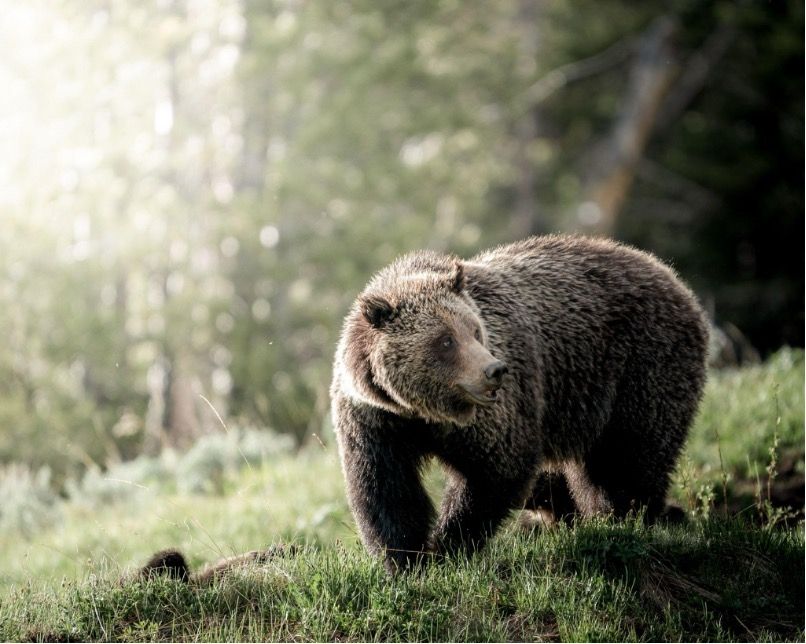
Bears: Bears have woken up from their winter slumber, and are already working hard to look for food throughout the landscape. Grizzly bear sightings can be fleeting, but spring can be a great time to find and photograph the bears in Yellowstone, including black bears.
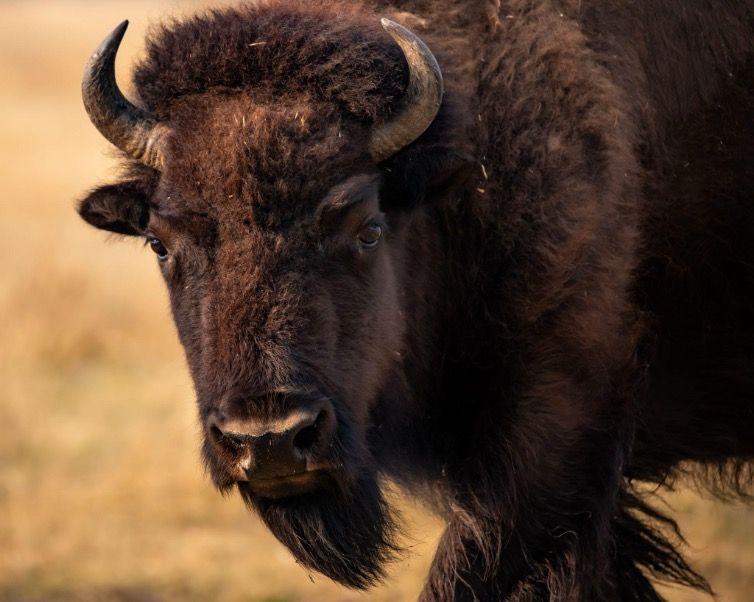
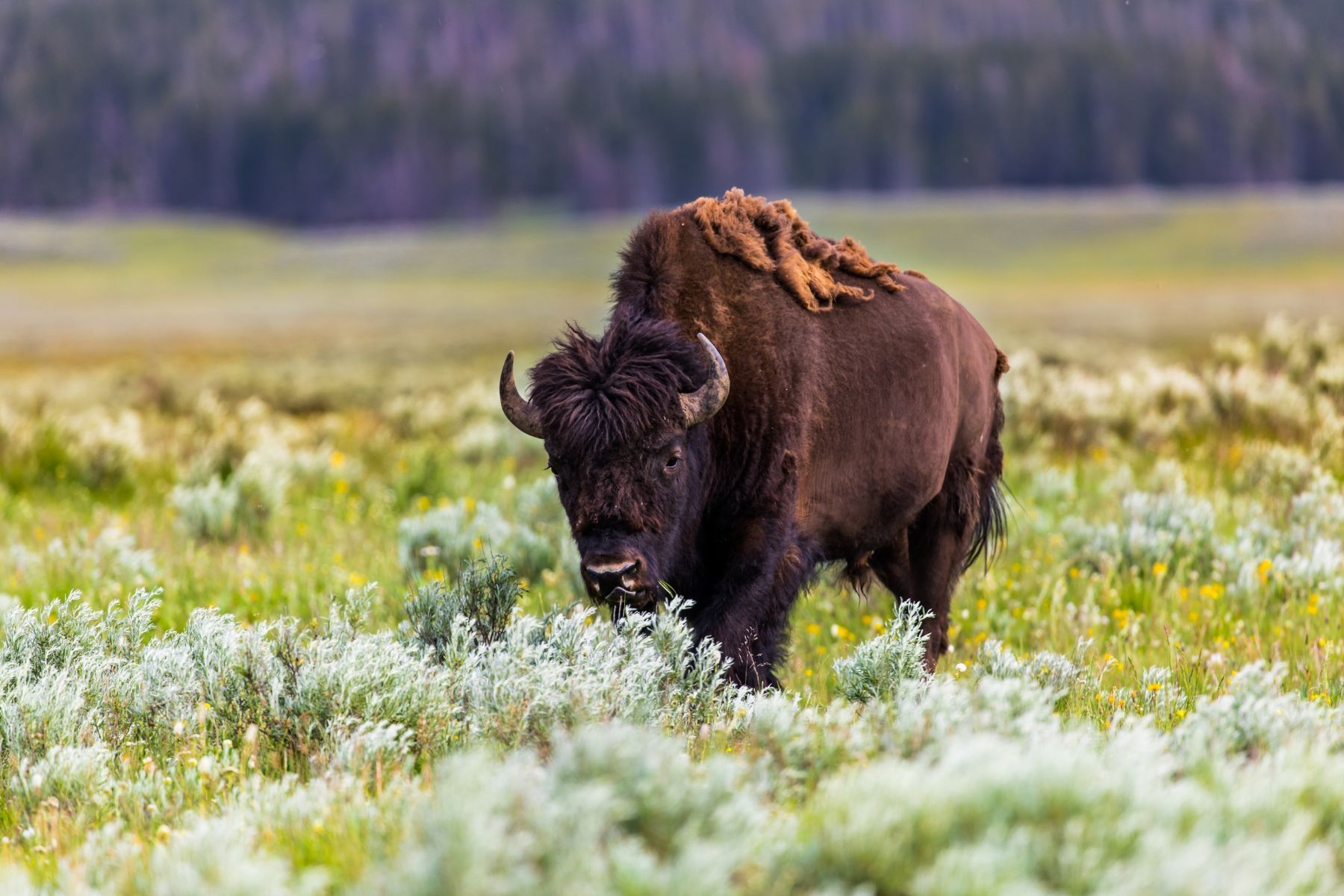
Bison: Bison are often the stars of spring. Cows give birth throughout the season, and young calves quickly become a common sight. Their reddish coats stand out against snow and muted grass, making them great subjects for storytelling images. Watching a red dog navigate snowbanks or stay close to its mother offers moments that feel both powerful and tender. They’re so much fun to watch as they learn about the new world they’ve just become a part of.
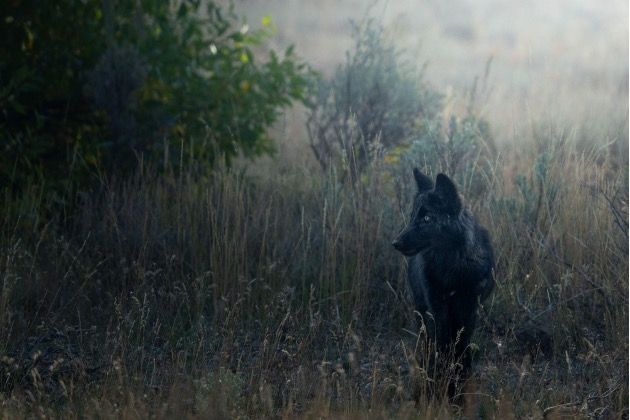
Wolves: Wolves are more visible in spring as they travel through open valleys and along roads. With fewer obstructions, photographers often get longer views of movement and interaction. Spring is a great time to capture wolves walking through melting snow, hunting, or simply moving as a group through wide open space. Wolves den in the spring, so they’re movements can sometimes be more predictable and based around their den site. Spotting and photographing wolves is always a challenge and every moment with them feels special.
Elk and Pronghorn: Calving season begins, and herds gather in lower elevation areas. Early mornings are especially productive, with soft light and occasional fog adding mood to scenes. Images from this season often feel quiet and intimate rather than dramatic.
Coyotes and Foxes: These smaller predators stay active all spring, hunting rodents in open fields. Watching a coyote pause, listen, and then leap is one of the most fun behaviors to photograph. Patience pays off, and action can happen quickly.
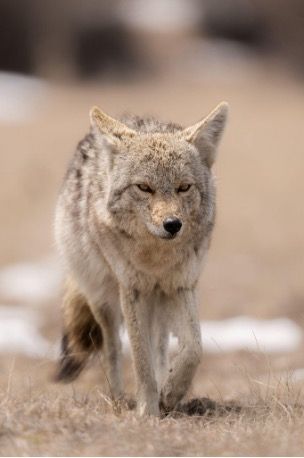
Spring is also when ethical photography matters most. Animals are tired, hungry, and caring for young, which is hard work. Keeping distance and letting behavior unfold naturally leads to better images and respects the wildlife that makes Yellowstone what it is.
Light, Weather, and Letting Go of the Plan
Spring weather in Yellowstone changes fast. Snow, rain, fog, sun, and wind can all show up in a single day. Instead of fighting that, spring photography works best when you lean into it. I always say that bad weather is my favorite weather. Weather events increase the mood in photos, and add variables that you don’t get with bluebird sunny days.
Overcast skies are common and incredibly useful. They soften contrast and are perfect for wildlife portraits. When clouds break, light can sweep across valleys and hillsides for just a few minutes. Those moments are often the ones you remember most.
Stormy skies also add drama to wide scenes. Dark clouds, falling snow, or rays of sunlight breaking through can turn a simple landscape into something memorable. The key is patience and flexibility. Staying in one place and waiting things out often pays off more than rushing to the next stop.
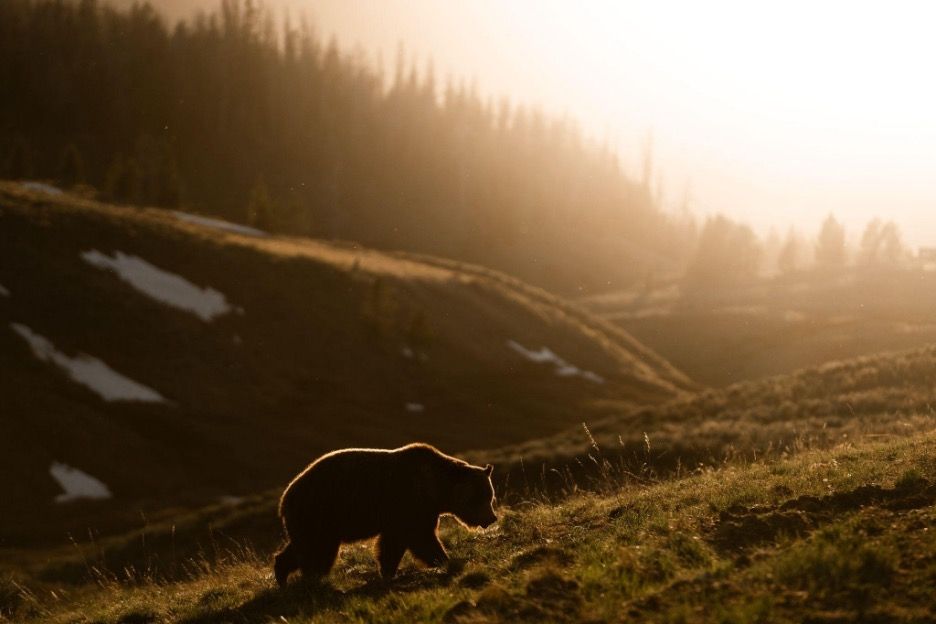
Dressing in layers, protecting your gear, and staying comfortable allows you to stay outside longer, which usually leads to better opportunities.
Why Spring Feels Special
Spring sits in a sweet spot for photographers. Wildlife is active, landscapes are changing daily, and the park feels less crowded and more wild. Roads begin to open, but it still feels like you have space to slow down and observe.
This season encourages photographers to focus less on checking off locations and more on watching behavior, light, and weather. Images from spring often feel personal and grounded because you spend more time with each scene.
Guided photography trips during spring can be especially helpful. Experienced guides understand animal movement, road conditions, and how spring light behaves. That local knowledge helps you spend more time shooting and less time guessing.
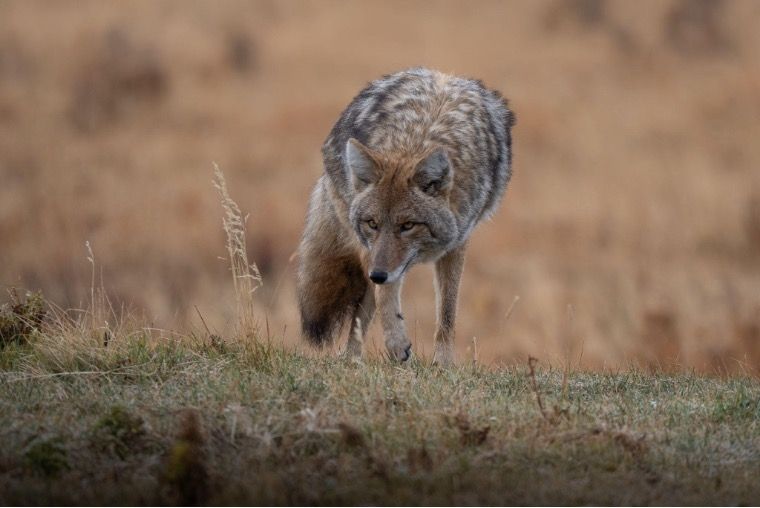
Spring Tells Real Stories
Photographing Yellowstone in the spring is about telling honest stories. It is about animals navigating a tough season, landscapes in transition, and moments that feel earned rather than staged. You may come home with muddy boots, cold hands, and fewer photos than a summer trip, but the images you do make often mean more.
For photographers who value mood, behavior, and quiet moments, spring is one of the most rewarding times to be in Yellowstone. It is a season of patience, curiosity, and connection, and the park rewards those who slow down and pay attention.
 Yellowstone Wildlife Safari
 Lodge-Based Photo Safari
From $5,495.00
Up To 7 Guests
Fitness Level 1 - What's This?
Wanna Get Away?
Starts
Current Price:$0.00
Start: Bozeman, MT
Led By
Start: Bozeman, MT
Led By

Backcountry Journeys
Connecting Passionate People To
Exceptional Experiences.
Exceptional Experiences.
Business Hours:
Mon-Fri, 8AM-4PM MT
928-478-1521
adventure@backcountryjourneys.com
Mon-Fri, 8AM-4PM MT
928-478-1521
adventure@backcountryjourneys.com
arrow_drop_down_circle
Divider Text
All Images & Content Are Property Of Backcountry Journeys Photography Tours, Workshops & Safaris LLC - Copyright 2026


About Us
Receive a Digital Trip Catalog
Find an upcoming photography tour with our interactive catalog.