2025 Travelers' Choice

About Backcountry Journeys
Why Choose Backcountry Journeys
If you're considering a photography trip, hear why Backcountry Journeys delivers the best experience in the industry.Frequently Asked Questions
If you're new to photography trips, or new to BCJ, you can find our common travel questions here.Fitness Levels
Our trips vary on physical intensity, and by reviewing our fitness levels, you can find out which trips may be more challenging, or aligned more closely with your comfort level.Meet The Crew
We've built an amazing team of experienced guides, and dedicated office staff that elevate your travel experience. Get to know their backgrounds, and hear their stories.Loyalty Program
We reward our frequent photo adventurers with exclusive discounts on amazing photography trips.Contact Us
If you need to get in touch with our office staff, or have additional business inquiries, you can find our information here.Refer a Friend
Know someone perfect for one of our tours? Recommend them through this quick form.Stay Up To Date On All Things
Backcountry Journeys
Backcountry Journeys
Our Photography Community
Our Webinars
Our regularly hosted webinars provide photography instruction from our own guides on a wide range of topics.Our Education Portal
Explore our library of articles that cover everything from common questions, to in-depth guides on how to achieve that perfect shot.Community Testimonials
We're proud to foster an amazing group of photo travelers, and here you can find their stories from their past adventures.Resources For Photographers
About Our Company
Resources For Photographers
About Our Company
Secrets of the Waterhole: A New Way to Photograph Africa
Published September 10, 2026
Africa has no shortage of wildlife photography opportunities.
But even on the best safari, photographers eventually encounter the same challenge: how do you create images that feel different from everyone else’s?
The answer isn't always finding a rarer animal.
Sometimes, the secret is finding a different perspective!
That's the idea behind Secrets of the Waterhole: Africa's Premier Hides, a new Backcountry Journeys photography expedition designed around an unusually intimate way of photographing African wildlife.
This nine-day journey through two of Kenya's exceptional private conservancies combines luxury safari lodging, traditional game drives, and something much harder to find: dedicated wildlife photography hides positioned at active waterholes, including specialized setups that allow photographers to continue shooting after dark.
And with departures limited to just five photographers, the experience is intentionally small.
What Happens When You Get Below Eye Level?
A safari vehicle gives you mobility.
A photography hide gives you something completely different: patience, proximity, and perspective.
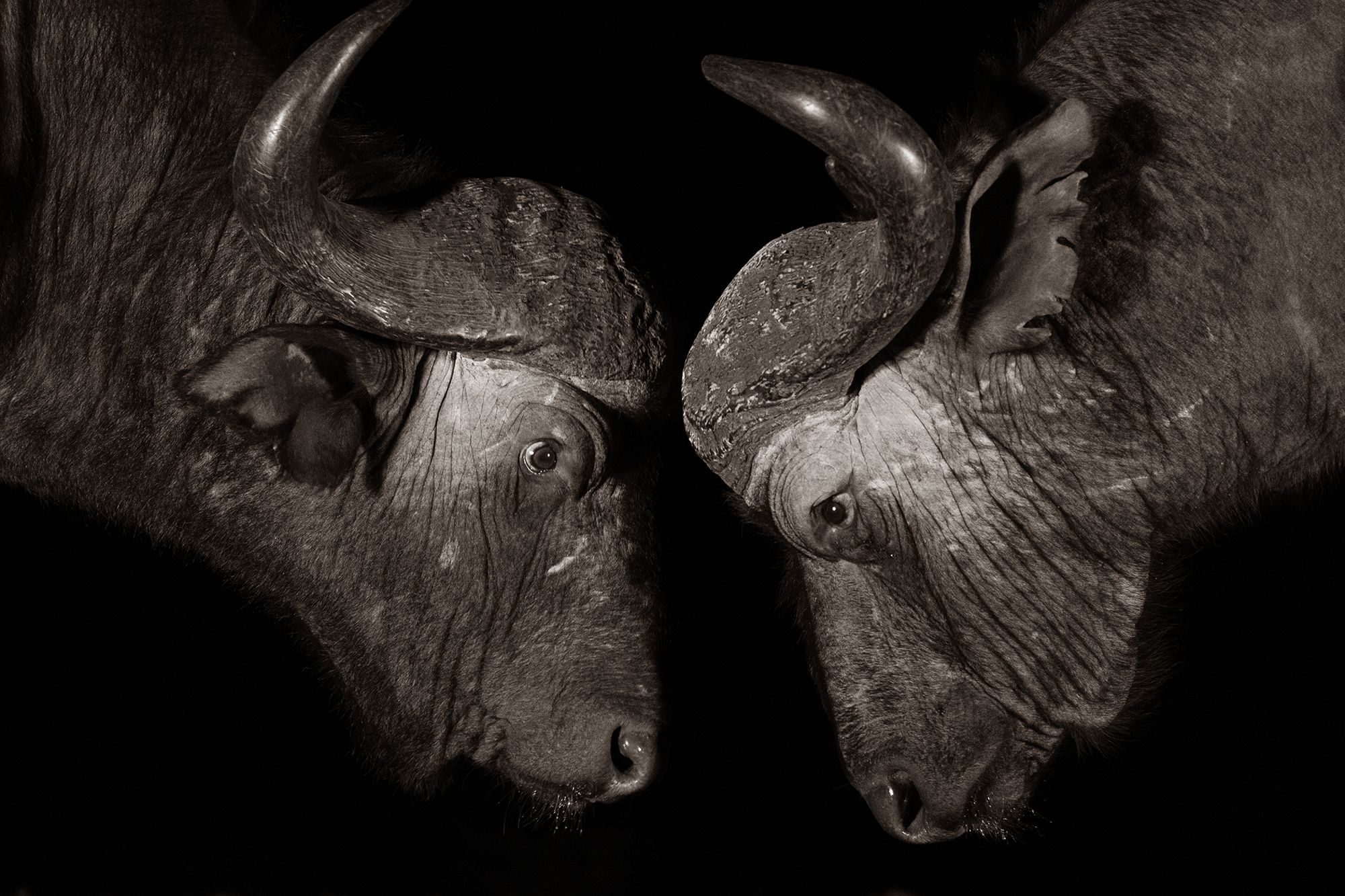
At Lumo Wildlife Conservancy and Lentorre, photographers will work from purpose-built hides positioned low to the ground near active water sources. Instead of looking down at wildlife from a vehicle, you'll have the opportunity to photograph animals from an eye-level perspective as they approach the water naturally.
That changes the photograph entirely!
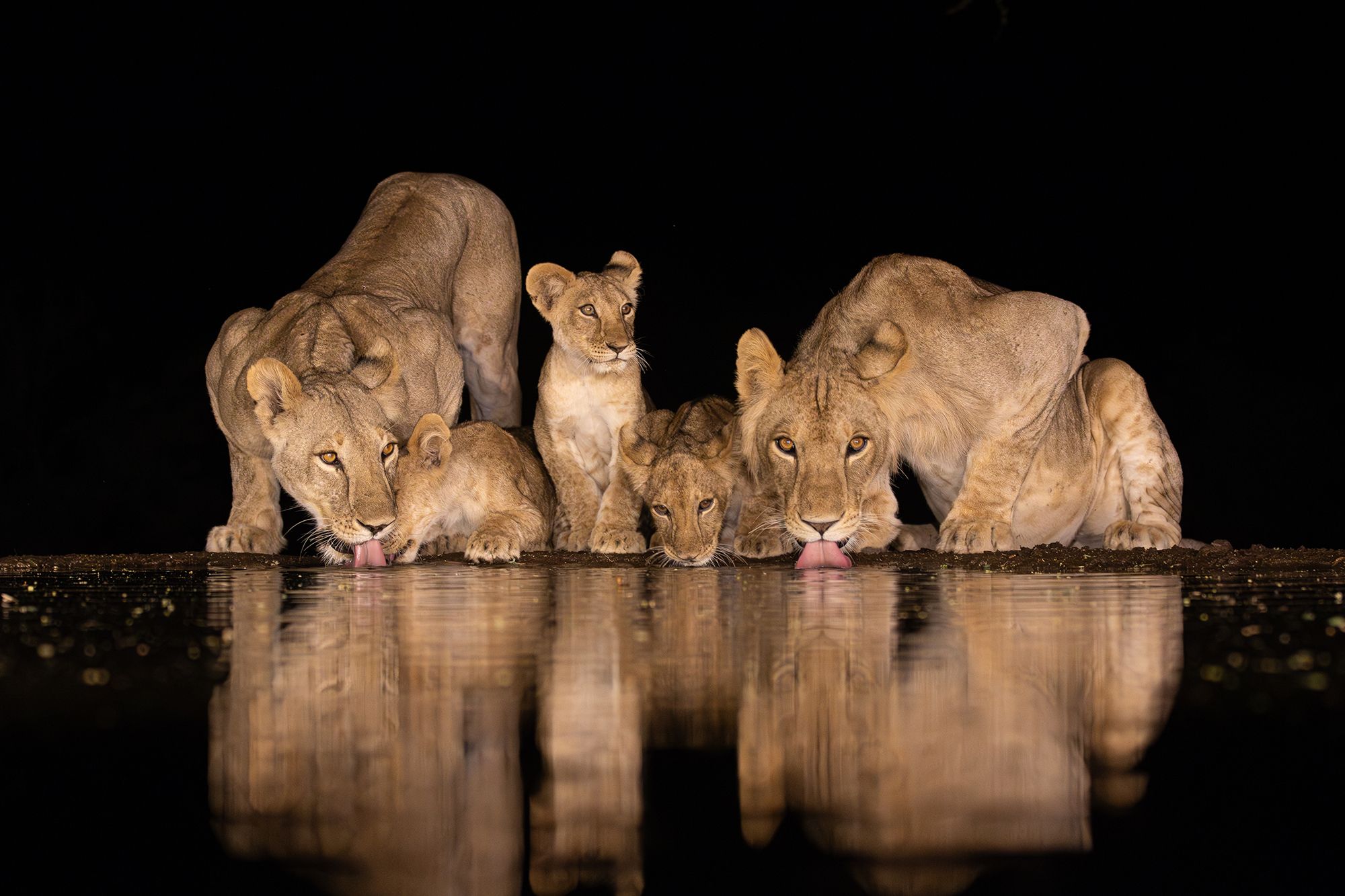
A drinking elephant can become a reflection framed by the water's surface. A predator approaching the waterhole can fill the frame without the visual distraction of a vehicle. Birds, antelope, and other wildlife can be photographed at intimate distances while the photographer remains concealed.
And because you're not simply driving from sighting to sighting, there is time to watch behavior unfold.
That patience is often where the most compelling wildlife photographs begin!
Africa After Dark
Perhaps the most unusual aspect of this expedition comes after sunset!
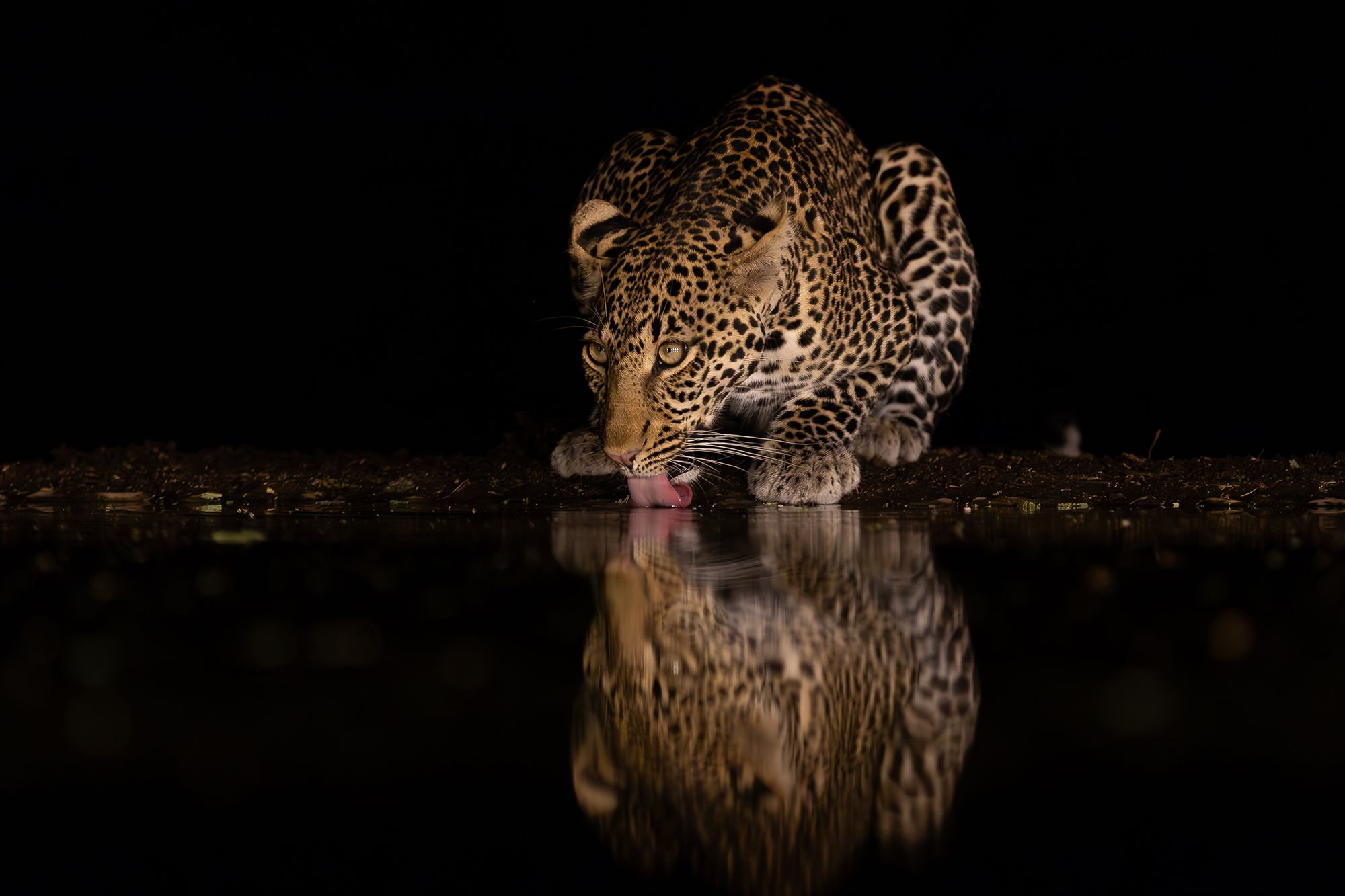
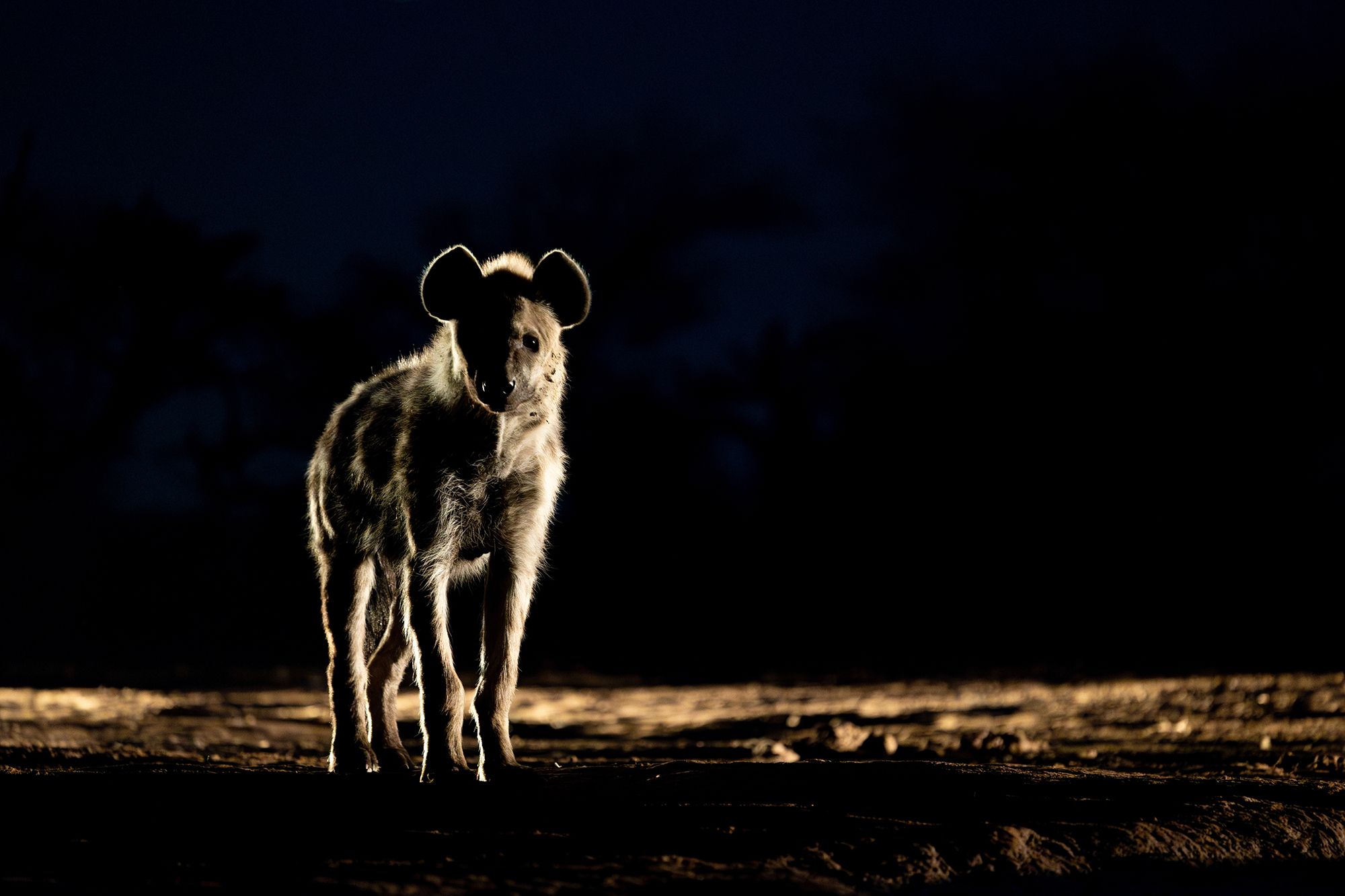
Both Lumo and Lentorre offer specialized nighttime hide photography, using carefully designed lighting around the waterholes to create opportunities that aren't available during a traditional daylight safari.
As the sun disappears, the photographic possibilities change with it.
Nocturnal species begin to emerge. Familiar animals behave differently. The quality of light becomes something you can work with intentionally rather than simply waiting for sunrise or sunset.
Instead of packing away your camera when daylight fades, you'll have the opportunity to explore an entirely different side of wildlife photography.
The result can be dramatically different from the classic golden-hour safari image.
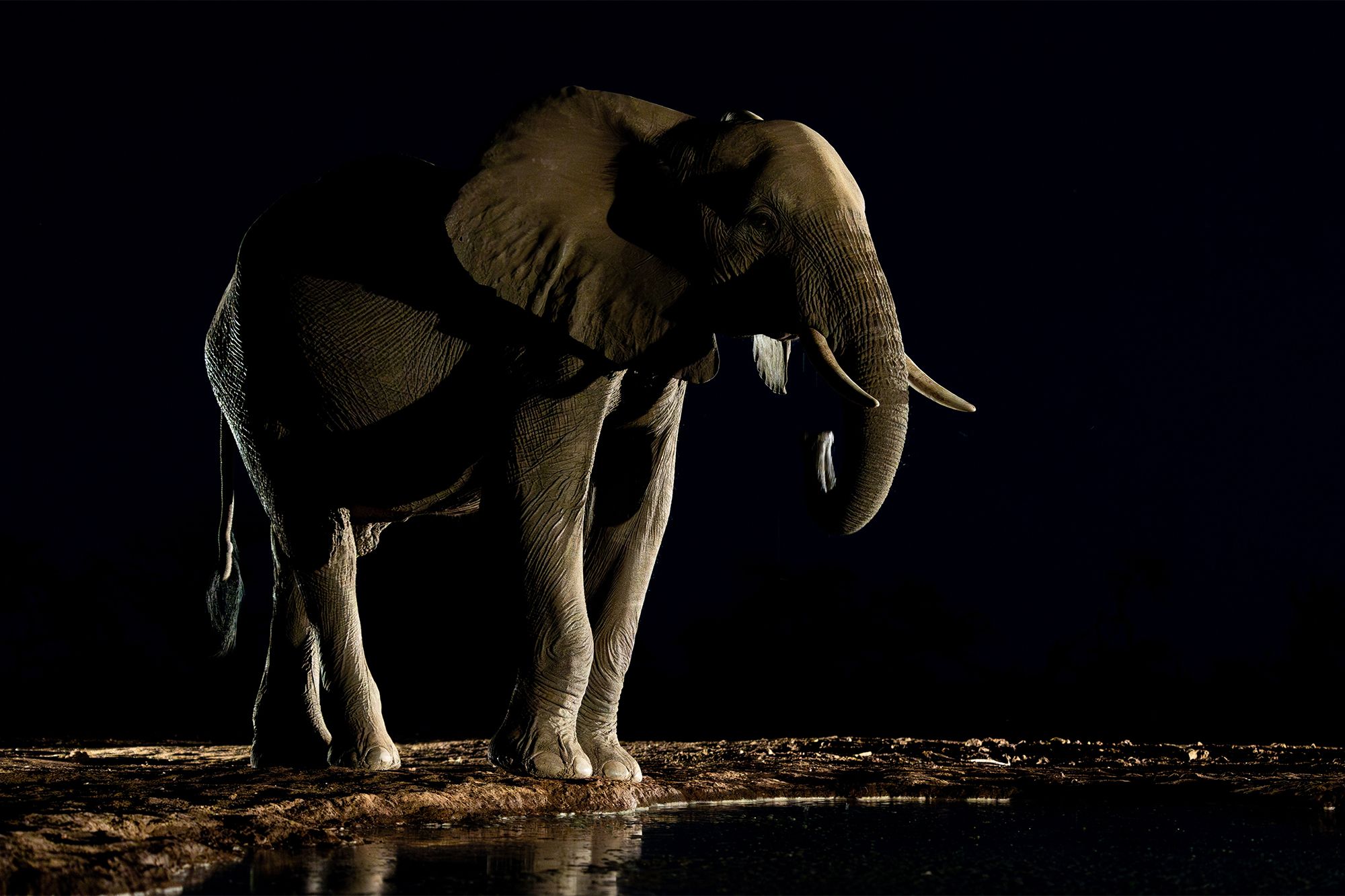
Think controlled light, dark backgrounds, reflections, movement, and nocturnal behavior; images that feel almost otherworldly while still documenting completely natural wildlife encounters.
Two Conservancies. Two Photographic Worlds.
The journey moves between two distinct wildlife environments, each bringing its own character to the experience.
Lumo Wildlife Conservancy
Located along the border of Tsavo West, Lumo is a 48,000-acre private conservancy offering a quieter alternative to more heavily visited safari destinations.
The landscape supports classic East African wildlife, including elephants, lions, buffalo, gazelles, and a diverse range of predators and plains species.
It is also an exceptional destination for bird photographers, with more than 300 species recorded within the conservancy.
Here, photographers will combine hide sessions with flexible game drives and possible night drives, giving you opportunities to photograph both iconic wildlife and the smaller, more unexpected stories happening across the landscape.
Lentorre
From Lumo, the journey continues by private charter to Lentorre in Kenya's Great Rift Valley.
The environment changes dramatically.
Here, rugged wilderness, dramatic views, and a remote setting create a very different photographic canvas. The area is known for unusual wildlife sightings, including striped hyena and caracal, while a reliable water source concentrates animals around the photography hide.
And that creates something particularly valuable for wildlife photographers: repeat opportunities.
Rather than hoping an animal happens to cross your path while you're driving between locations, you can settle into position and allow the wildlife to come to you.
The same hide can produce completely different images as the day progresses; from warm, atmospheric daylight portraits to carefully lit nocturnal encounters after sunset.
Why Only Five Photographers?
For a trip built around specialized photography hides, group size matters.
That's why each departure is capped at just five photographers.
A smaller group means more working space in the hides, less competition for angles, and more flexibility when wildlife activity changes.
It also creates more opportunities for individualized guidance from the photography leader.
Rather than trying to accommodate a large group moving through a safari itinerary, the experience can move at a photographer's pace.
Stay with the subject. Wait for the behavior. Change your composition. Try another lens.
Or leave the hide and pursue something happening elsewhere.
The goal isn't simply to see more wildlife. It's to give you more opportunities to photograph it well.
For Photographers Who Want Something Different
Maybe you've already photographed Africa from a safari vehicle.
Maybe you've dreamed of your first African wildlife expedition.
Or maybe you're simply looking for a photographic experience that goes beyond the familiar wildlife portrait.
Secrets of the Waterhole offers a different approach.
You won't have to choose between the classic African safari and a specialized photography experience.
You'll have both.
Game drives provide the freedom to explore.
Waterhole hides provide intimacy.
Daylight reveals the familiar.
After-dark photography reveals something entirely different.
And a five-person group gives you the space to slow down and work the scene.
Because sometimes the photograph you've been looking for isn't waiting farther down the road.
It's waiting quietly at the water's edge.
Secrets of the Waterhole: Africa's Premier Hides departs from Nairobi and is limited to just five photographers per departure, with upcoming departures in August–September 2027 and August–September 2028.
If you're ready to see Kenya from a perspective few photographers experience, this may be the safari you've been waiting for!
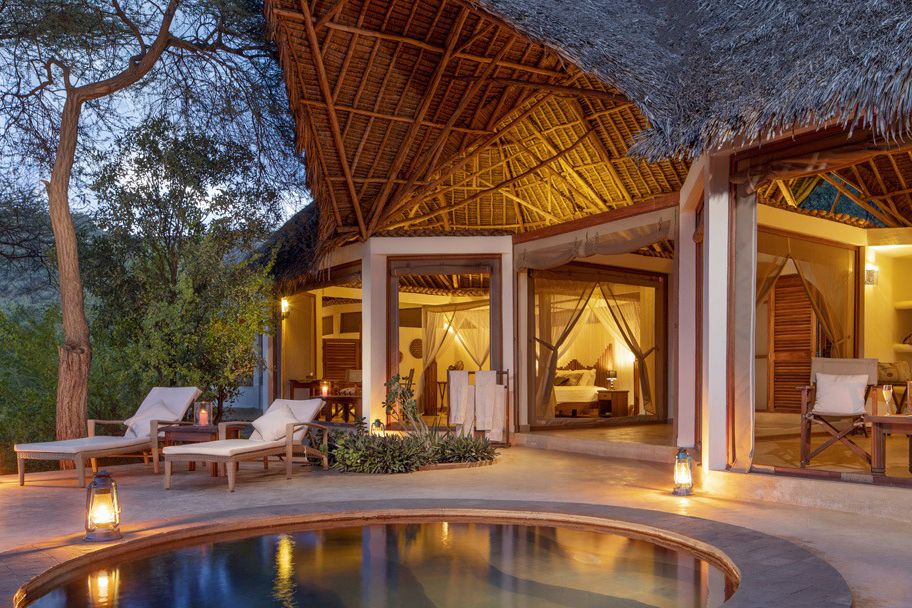
 Secrets of the Waterhole: Africa's Premier Hides
 Lodge-Based Photo Safari
From $17,995.00
Up To 5 Guests
Fitness Level 1 - What's This?
Wanna Get Away?
Starts
Current Price:$0.00
Start: Nairobi, Kenya (NBO)
Led By
Start: Nairobi, Kenya (NBO)
Led By

Backcountry Journeys
Connecting Passionate People To
Exceptional Experiences.
Exceptional Experiences.
Business Hours:
Mon-Fri, 8AM-4PM MT
928-478-1521
adventure@backcountryjourneys.com
Mon-Fri, 8AM-4PM MT
928-478-1521
adventure@backcountryjourneys.com
arrow_drop_down_circle
Divider Text
All Images & Content Are Property Of Backcountry Journeys Photography Tours, Workshops & Safaris LLC - Copyright 2026


About Us
Receive a Digital Trip Catalog
Find an upcoming photography tour with our interactive catalog.