2025 Travelers' Choice

About Backcountry Journeys
Why Choose Backcountry Journeys
If you're considering a photography trip, hear why Backcountry Journeys delivers the best experience in the industry.Frequently Asked Questions
If you're new to photography trips, or new to BCJ, you can find our common travel questions here.Fitness Levels
Our trips vary on physical intensity, and by reviewing our fitness levels, you can find out which trips may be more challenging, or aligned more closely with your comfort level.Meet The Crew
We've built an amazing team of experienced guides, and dedicated office staff that elevate your travel experience. Get to know their backgrounds, and hear their stories.Loyalty Program
We reward our frequent photo adventurers with exclusive discounts on amazing photography trips.Contact Us
If you need to get in touch with our office staff, or have additional business inquiries, you can find our information here.Refer a Friend
Know someone perfect for one of our tours? Recommend them through this quick form.Stay Up To Date On All Things
Backcountry Journeys
Backcountry Journeys
Our Photography Community
Our Webinars
Our regularly hosted webinars provide photography instruction from our own guides on a wide range of topics.Our Education Portal
Explore our library of articles that cover everything from common questions, to in-depth guides on how to achieve that perfect shot.Community Testimonials
We're proud to foster an amazing group of photo travelers, and here you can find their stories from their past adventures.Resources For Photographers
About Our Company
Resources For Photographers
About Our Company
The Magic of Monsoon Photography in the American Southwest
Published March 4, 2026
When most people think of the desert, they likely procure an image of a dry, quiet, and still landscape. A place that is still, calm, lifeless, and far from dynamic. Perhaps many desert landscapes are like this for the vast majority of the year, but this isn’t always the case.
Many passionate landscape photographers know that for a brief period of the year these landscapes completely transform into something else entirely.
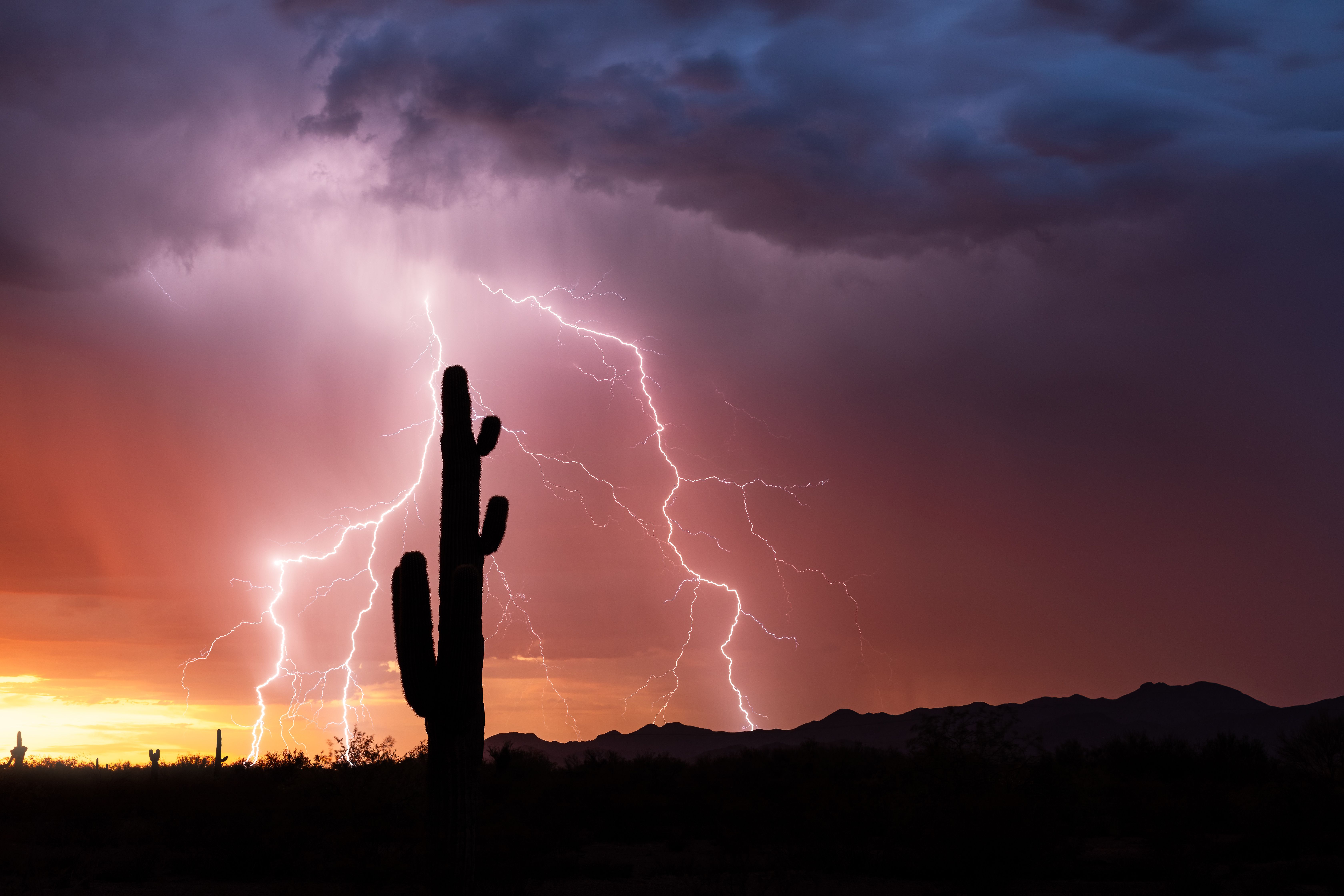
For a few electrifying months each summer, the Desert Southwest transforms into one of the most dramatic photographic environments in North America. Towering thunderheads boil into the sky. Lightning cracks across canyon horizons. Curtains of rain drift through shafts of golden light. Reflections shimmer in slickrock potholes.
The desert doesn’t whisper during monsoon season, it roars and screams with insane amounts of energy. For a brief moment in time, these desolate landscapes will receive almost all of their annual rainfall and they truly come to life.
And for landscape photographers who crave dynamic light, atmosphere, power, and raw emotion in their work, the monsoon provides everything they could possibly desire and then some. This is the Southwest at its absolute best.
Why the Monsoon Season is so Magical
In general, during the period between July and September, monsoonal moisture surges into the desert landscapes of Arizona and Utah, triggering explosive afternoon thunderstorms that roll across the Colorado Plateau, sometimes for hundreds of miles.
For passionate nature photographers, this opens up a world of creative possibilities. The Monsoon creates unique opportunities that simply don’t exist for the vast majority of the year. These include:
Sculpted, three-dimensional, and massive cumulonimbus cloud formations
Beautiful shafts and curtains of rainfall illuminated by low-angle sunlight
Lightning strikes over vast desert landscapes
Rainbows arching high in the sky above red sandstone
Soft, diffused post-storm light revealing texture and depth
Temporary pools and reflections highlighting key subjects in the landscape
Sure, everyone enjoys lovely clear blue skies but honestly, in my opinion, they are quite frankly boring when it comes to photography. I would much rather have a sky filled with clouds, color, and energy. Monsoon skies can add mood, scale, energy, color, and drama to landscapes that are already world-renowned.
Speaking of world-renowned landscapes, let’s take a look at some of the very best and most iconic destinations to capture the monsoon throughout the desert southwest.
Grand Canyon National Park: Weather on a Grand Scale
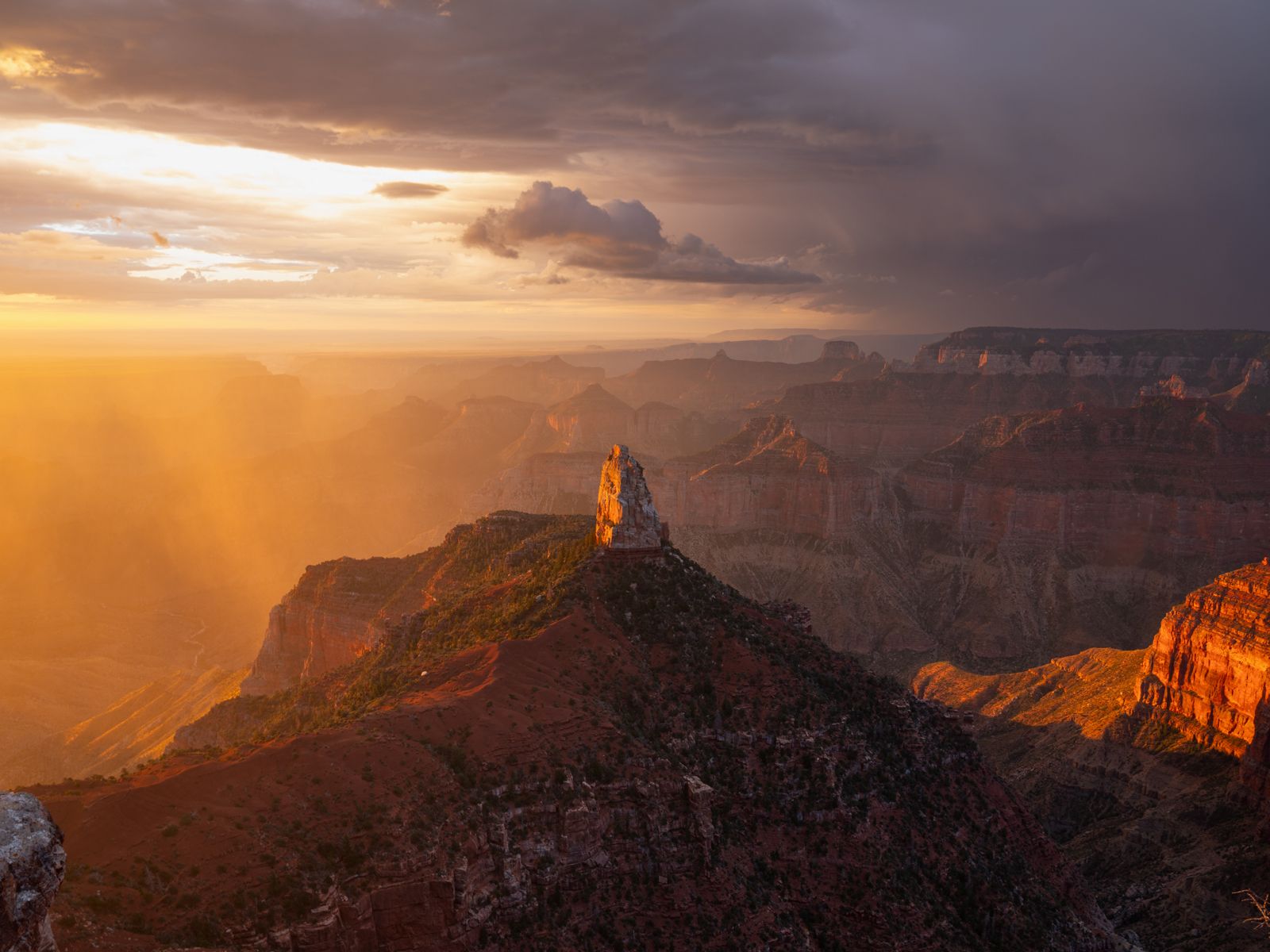
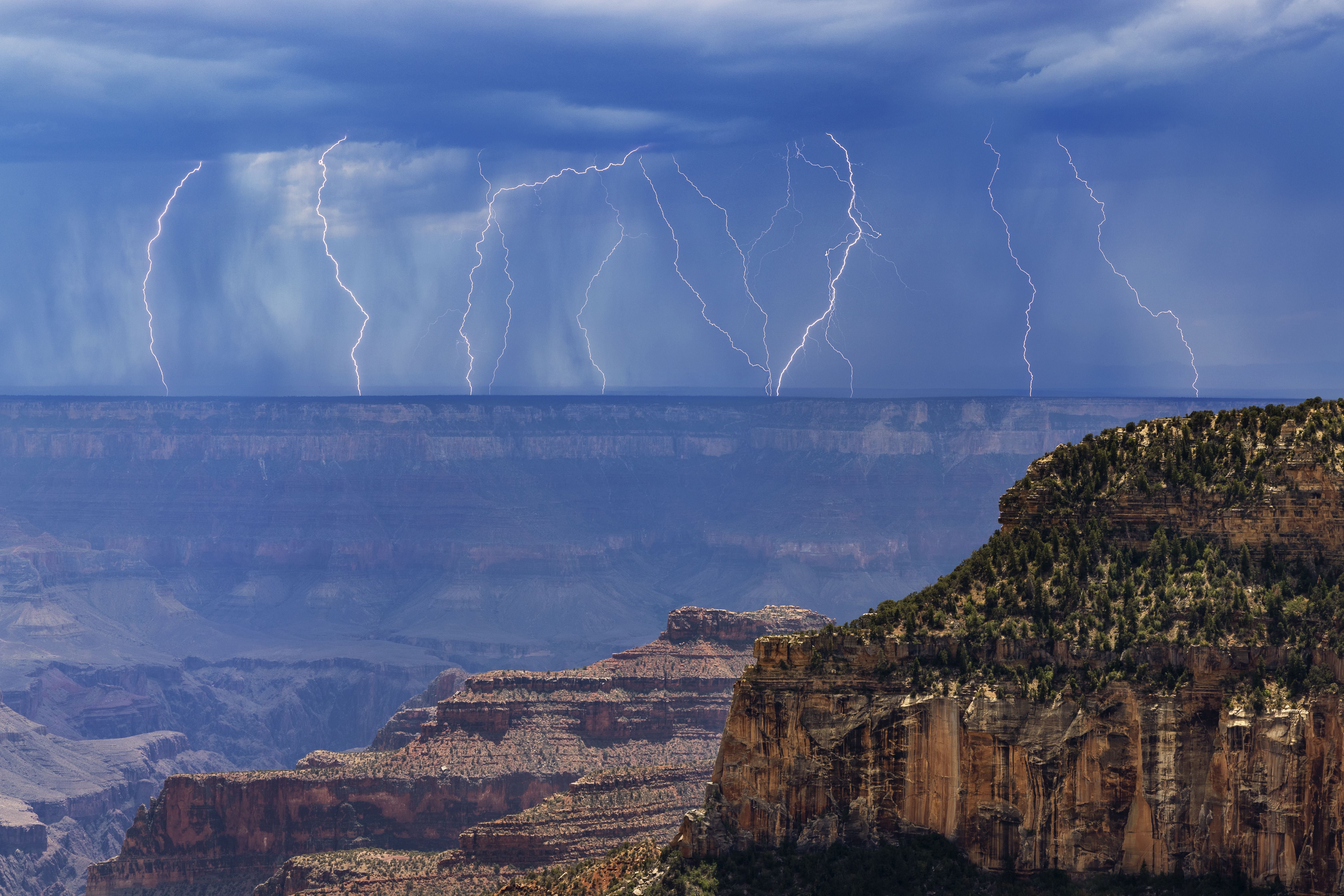
Few places on Earth magnify weather like the Grand Canyon. Not only is this one of the most jaw-dropping and downright incredible landscapes on earth, but it’s a fantastic place to witness and photography monsoon storms.
From the South Rim’s iconic viewpoints — Mather Point, Yavapai Point, Lipan Point, Desert View — photographers look out over nearly a mile of exposed geological history. During monsoon season, incoming storm cells become massive compositional elements.
And there’s no shortage of stunning vantage points from the even higher North Rim. With overlooks like Cape royal, Bright Angel Point, Roosevelt Point, and more you can see far out over the desert landscape as storms roll through.
The Grand Canyon during monsoon season isn’t just scenic — it’s cinematic.
Monument Valley: Drama Beneath the Buttes
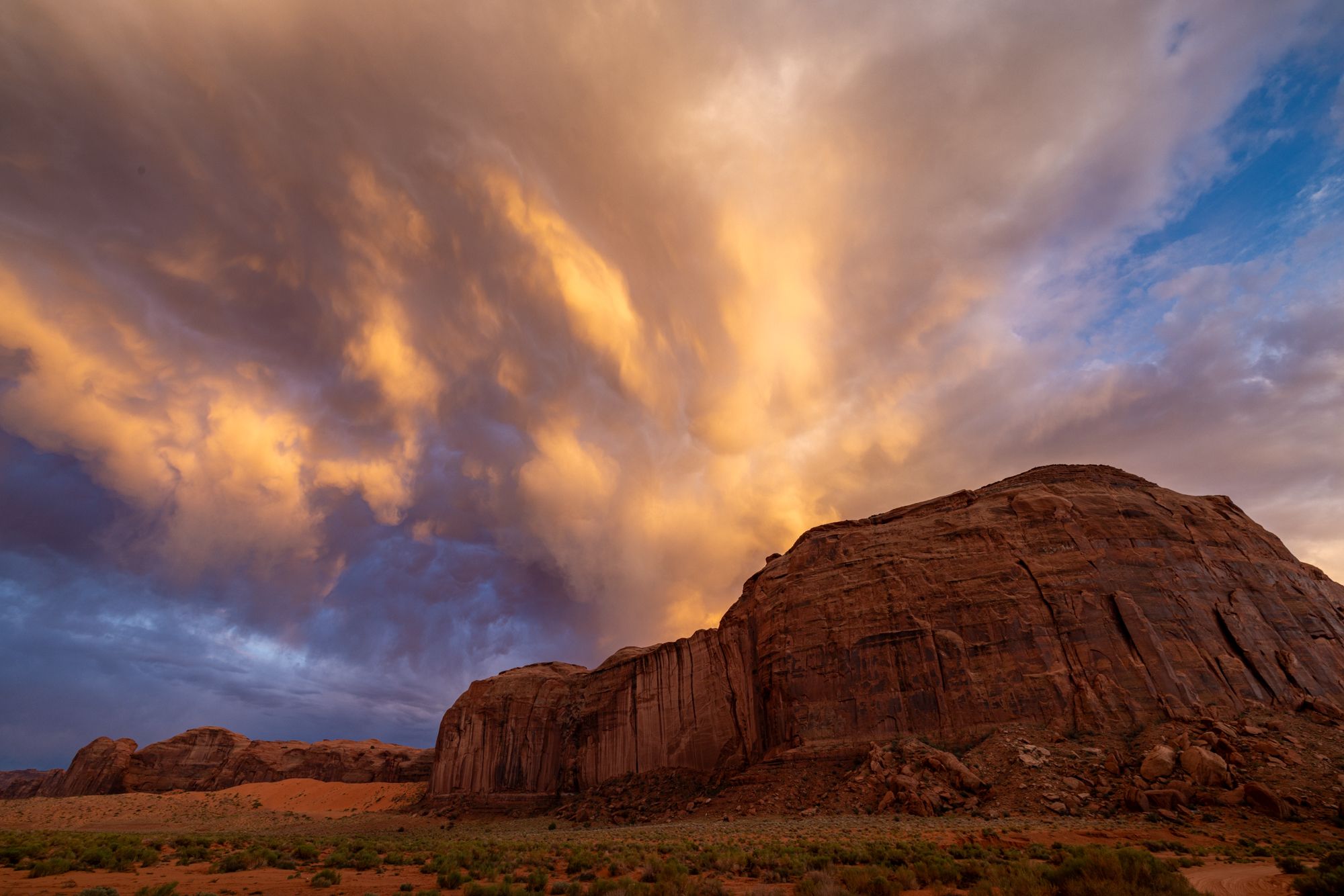
If the Grand Canyon showcases scale, Monument Valley showcases form.
Towering sandstone buttes, cliffs, and mesas rise from the desert floor like ancient monuments — and when framed beneath towering thunderheads, the results are unforgettable.
Monument Valley is one of the world’s premier and most recognizable landscapes. Visiting it any time of year is special but if you’re lucky enough to capture its beauty beneath monsoon storms, you’ll be on cloud nine!
If you want to expand your portfolio and capture stunning images of monsoon storms above desert landscapes, it’s hard to beat a trip to Monument Valley.
Arches National Park: Icons Reimagined
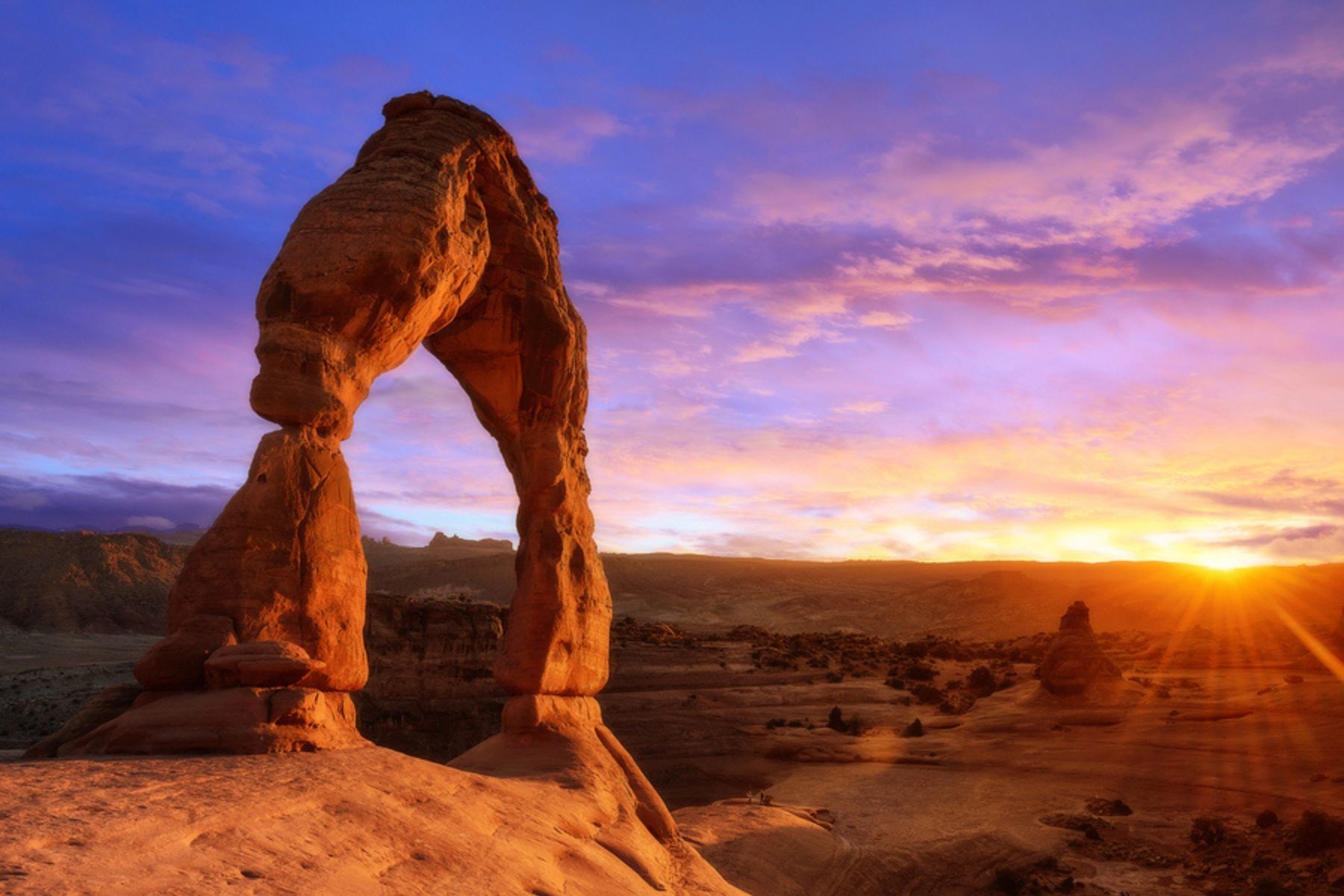
Another incredible destination for monsoon photography is Arches National Park located just north of Moab, UT. Not only is this fantastic and dreamlike landscape home to a very high density of natural arches and unique sandstone formations but it’s the perfect place to capture monsoon storms in all their glory.
Imagine capturing stunning images of Delicate Arch, Landscape Arch, or the Windows with dark stormy skies and lightning in the background. Picture yourself photographing Balanced Rock or Dark Angel with towering cumulonimbus storm clouds building just beyond. After storms pass, ephemeral puddles create reflections across slickrock surfaces. Soft, diffused light reveals texture and depth in the sandstone.
These fleeting conditions elevate already-famous compositions into portfolio-defining images. You really can’t beat Arches National Park during the monsoon season.
Canyonlands National Park: Vast, Wild, and Unpredictable
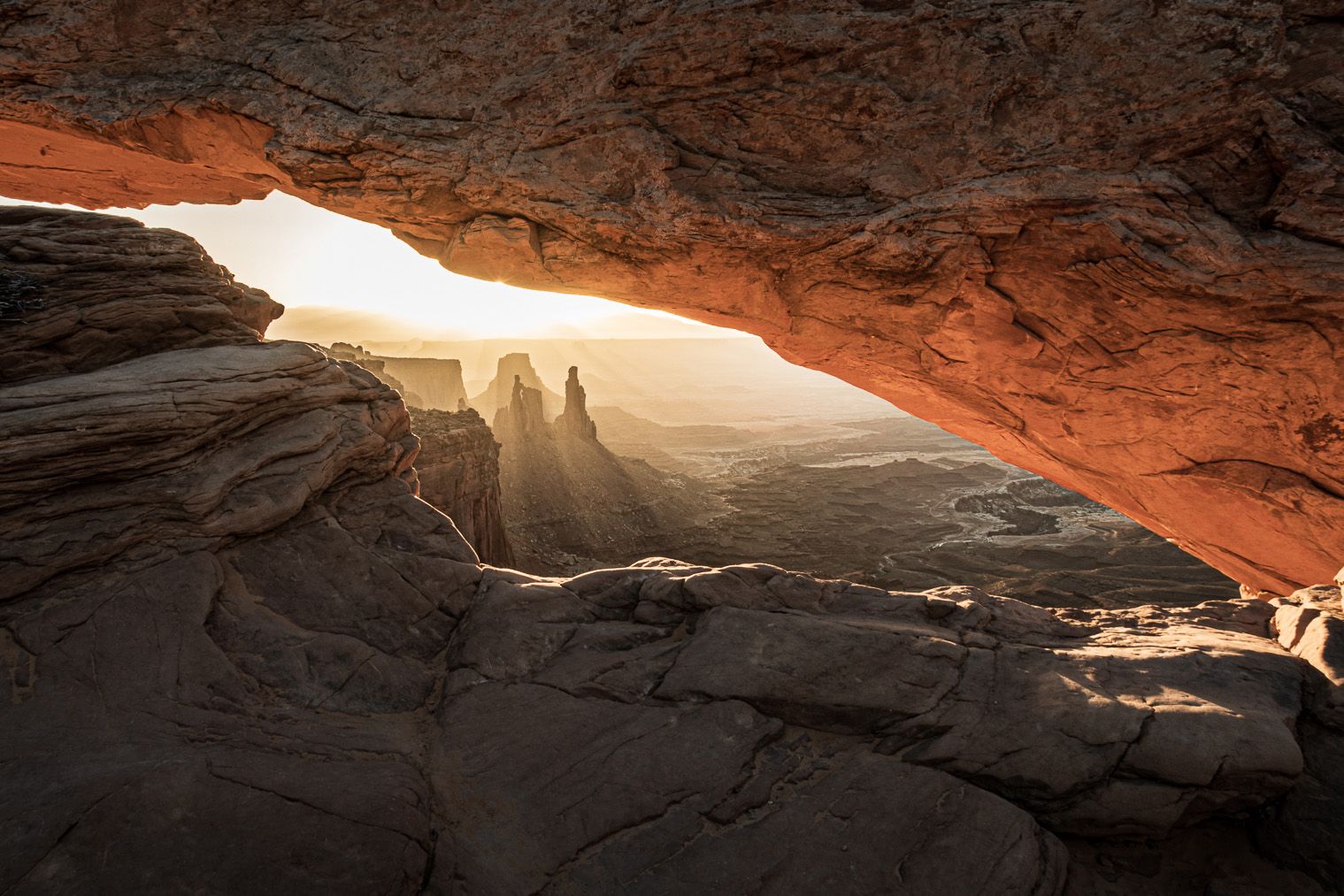
Canyonlands National Park is another one of my absolute favorite places in the American Southwest. I’ve spent countless hours here exploring and photographing the landscape and I fall in love with it a little bit more every time. Just like all the destinations previously mentioned this National Park is another world-class destination for monsoon photography.
At the end of the day Canyonlands feels wild and untamed — and monsoon season only amplifies that feeling.
At the iconic Mesa Arch, sunrise can break beneath distant storm clouds, casting glowing light across an immense canyon system. At Island in the Sky, you can photograph shifting cloud cover as it creates dramatic light-and-shadow patterns that move across sculpted mesas. In the remote Needles district, temporary water-filled potholes can reflect storm clouds and red rock spires, offering compositions that only exist during monsoon season.
Here, weather becomes the subject as much as the landscape.
Canyonlands should be on the shortlist of any passionate nature photographer and during monsoon season the sky ignites with fury and energy.
Experience the Monsoon with Backcountry Journeys
For photographers who want to fully immerse themselves in this electrifying season, Backcountry Journeys has designed two workshops specifically around peak monsoon conditions — each crafted to maximize storm potential, safety, and portfolio-building opportunities.
Southwest Monsoon: Grand Canyon Country
7 Days | Flagstaff, AZ | Small Group (Up to 7 Guests)
This immersive workshop is centered around northern Arizona’s most iconic storm photography locations.
You’ll photograph:
Lightning and rain curtains over the South Rim of the Grand Canyon
Towering buttes beneath thunderheads in Monument Valley
The sweeping curve of Horseshoe Bend
The sculpted sandstone of Antelope Canyon X
Dramatic skies across the Colorado Plateau
Timed specifically for peak monsoon activity, this workshop focuses on chasing storms safely and strategically. Your professional guide helps track weather systems, refine compositions, and master techniques for photographing lightning and fast-changing light.
It’s a deep dive into monsoon photography in one of the most geologically spectacular regions on Earth.
Southwest Monsoon: Arches & Canyonlands
6 Days | Moab, UT | Small Group (Up to 7 Guests)
Based in Moab, this expedition explores Utah’s legendary red rock parks under dramatic monsoon skies.
You’ll photograph:
Delicate Arch, Balanced Rock, and The Windows under storm light
Sunrise at Mesa Arch with dramatic cloud formations
Expansive canyon vistas in Island in the Sky
Reflections and water-filled potholes in the Needles District
Sweeping views from Dead Horse Point
Potential excursions to Fisher Towers
Monsoon storms here create fleeting waterfalls, rainbows, electrifying light, and reflective foregrounds that rarely exist at other times of year.
With small group sizes and expert guidance, this workshop allows you to focus on creative exploration while adapting to rapidly shifting conditions.
A Journey Every Passionate Landscape Photographer Should Make
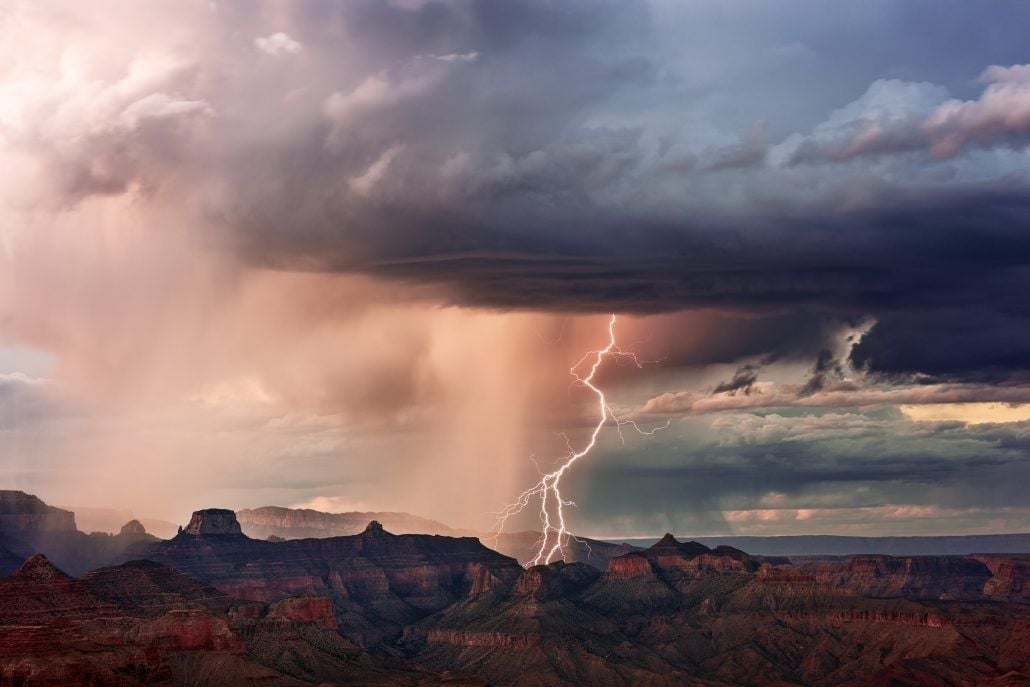
At the end of the day, capturing stunning images of monsoon storms as they roll across the American Southwest and bring the landscape to life is life-altering. This is a journey that every passionate landscape photographer should make at least once in their lifetime.
There is something deeply moving about standing on the rim of the Grand Canyon as thunder echoes through the canyon walls.
There is something unforgettable about watching lightning illuminate Monument Valley’s buttes.
There is something magical about seeing the red rocks of Arches glow beneath a clearing storm.
The Desert Southwest during monsoon season is raw, dramatic, and endlessly inspiring.
If you crave emotion in your landscapes…
If you want dynamic light instead of static skies…
If you’re ready to elevate your portfolio with atmosphere and scale…
Then monsoon season in the Southwest isn’t just a trip.
It’s a rite of passage.
And once you experience it for yourself, you’ll never see the desert the same way again.

We offer world-class travel photography
experiences around the world.
Each tour is bundled with lodging, meals, and transportation between workshops included, allowing you to focus on photography instead of the stress of traveling.
experiences around the world.
Each tour is bundled with lodging, meals, and transportation between workshops included, allowing you to focus on photography instead of the stress of traveling.
Get Our Trip Catalog
Receive a trip catalog that highlights all of our upcoming photo tours and workshops.Schedule a Trip Consultation
Meet with a photo experience coordinator, and experience a personal touch to your booking experience.Landscape Guide
Receive a FREE Landscape Cheat Sheet Written By a Pro Photographer.Webinars
Our regularly hosted webinars provide photography instruction from our own guides on a wide range of topics.Education Portal
Explore our library of articles that cover everything from common questions, to in-depth guides on how to achieve that perfect shot.
Backcountry Journeys
Connecting Passionate People To
Exceptional Experiences.
Exceptional Experiences.
Business Hours:
Mon-Fri, 8AM-4PM MT
928-478-1521
adventure@backcountryjourneys.com
Mon-Fri, 8AM-4PM MT
928-478-1521
adventure@backcountryjourneys.com
arrow_drop_down_circle
Divider Text
All Images & Content Are Property Of Backcountry Journeys Photography Tours, Workshops & Safaris LLC - Copyright 2026


About Us
Receive a Digital Trip Catalog
Find an upcoming photography tour with our interactive catalog.