Mon - Fri: 8 am - 4 pm MT


About Backcountry Journeys
Why Choose Backcountry Journeys
If you're considering a photography trip, hear why Backcountry Journeys delivers the best experience in the industry.Frequently Asked Questions
If you're new to photography trips, or new to BCJ, you can find our common travel questions here.Fitness Levels
Our trips vary on physical intensity, and by reviewing our fitness levels, you can find out which trips may be more challenging, or aligned more closely with your comfort level.Meet The Crew
We've built an amazing team of experienced guides, and dedicated office staff that elevate your travel experience. Get to know their backgrounds, and hear their stories.Loyalty Program
We reward our frequent photo adventurers with exclusive discounts on amazing photography trips.Contact Us
If you need to get in touch with our office staff, or have additional business inquiries, you can find our information here.Refer a Friend
Know someone perfect for one of our tours? Recommend them through this quick form.Stay Up To Date On All Things
Backcountry Journeys
Backcountry Journeys
Our Photography Community
Our Webinars
Our regularly hosted webinars provide photography instruction from our own guides on a wide range of topics.Our Education Portal
Explore our library of articles that cover everything from common questions, to in-depth guides on how to achieve that perfect shot.Community Testimonials
We're proud to foster an amazing group of photo travelers, and here you can find their stories from their past adventures.Resources For Photographers
About Our Company
Resources For Photographers
About Our Company
Trip Report: Black Leopard Photo Safari - September 2025
Published February 1, 2026
There are some animals that just stop you in your tracks. Creatures so beautiful, so massive, so mesmerizing that you almost have to remind yourself to take a picture. Tigers, polar bears, and mountain gorillas (just to name a few) take your breath away when you first see them in real life. In a world full of beautiful animals, there is one that must be mentioned in any list: the black leopard of Laikipia.
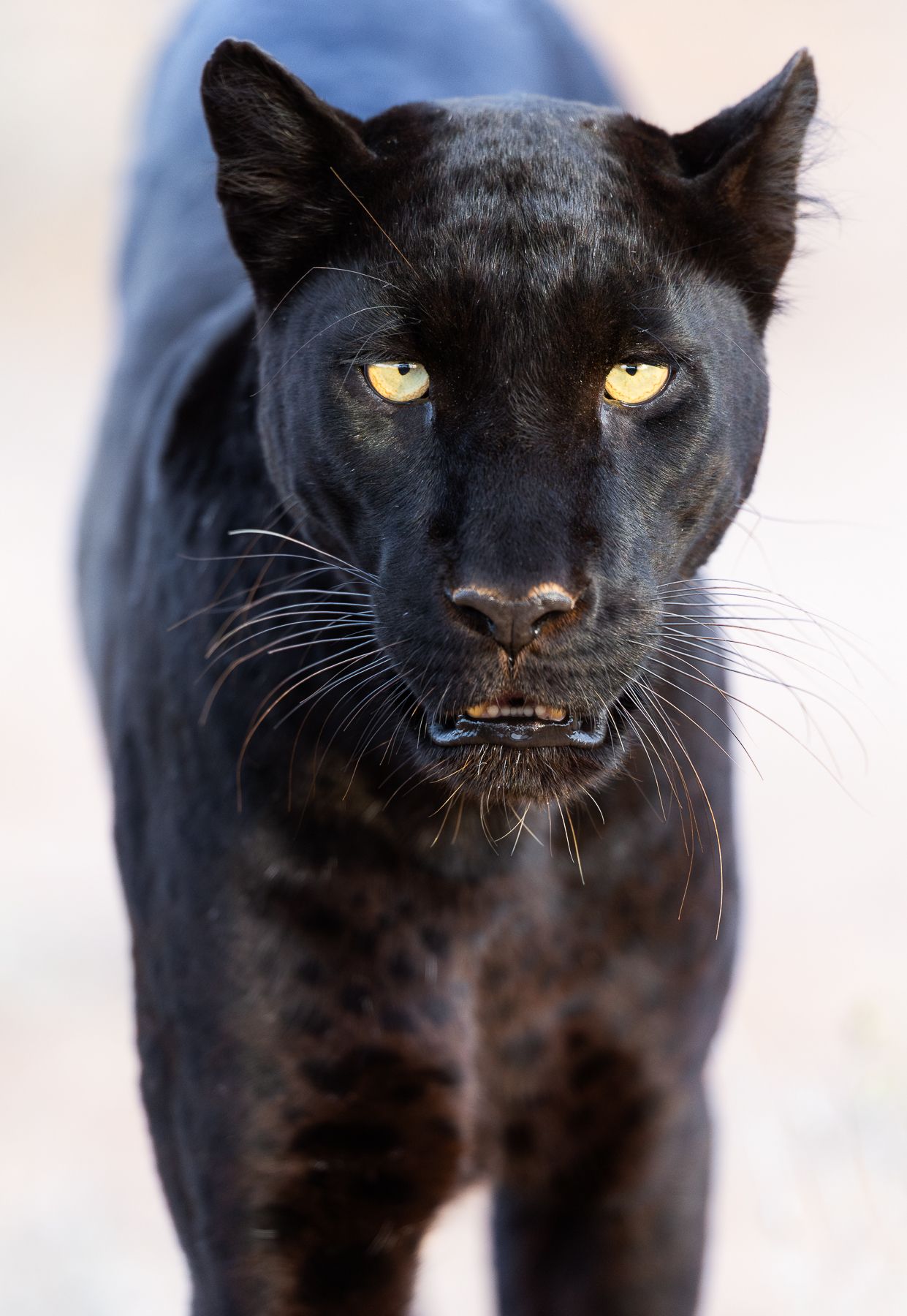
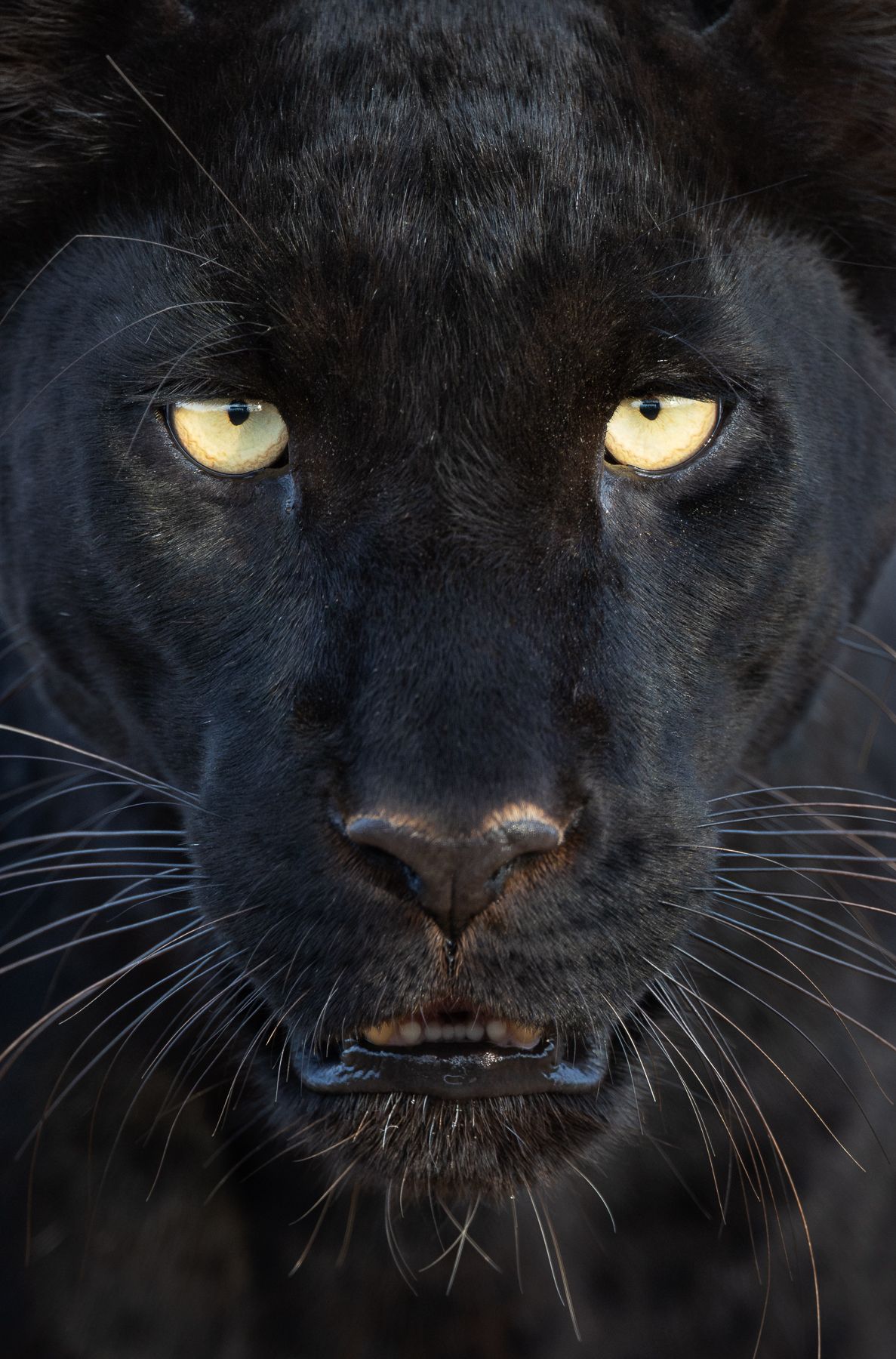
This leopard, named Giza Mrembo which means “the beautiful darkness” in Swahili, is undoubtedly one of the most beautiful cats on earth. She is a common leopard, but with recessive melanistic genes, her coat is jet black, only revealing her spots in just the right light. To have a chance to photograph a rare melanistic cat in the wild is an incredible opportunity. She was the reason seven intrepid photographers and I had traveled all the way to Kenya for Backcountry Journeys inaugural Black Leopard Photo Safari.
We began our trip in Nairobi and after a quick charter flight we stepped out on a dirt runway deep in the African bush leaving the city as a distant memory. On our way to camp we passed herds of zebra, elephants, and impala. The landscape was teeming with life and we were thrilled to be there.
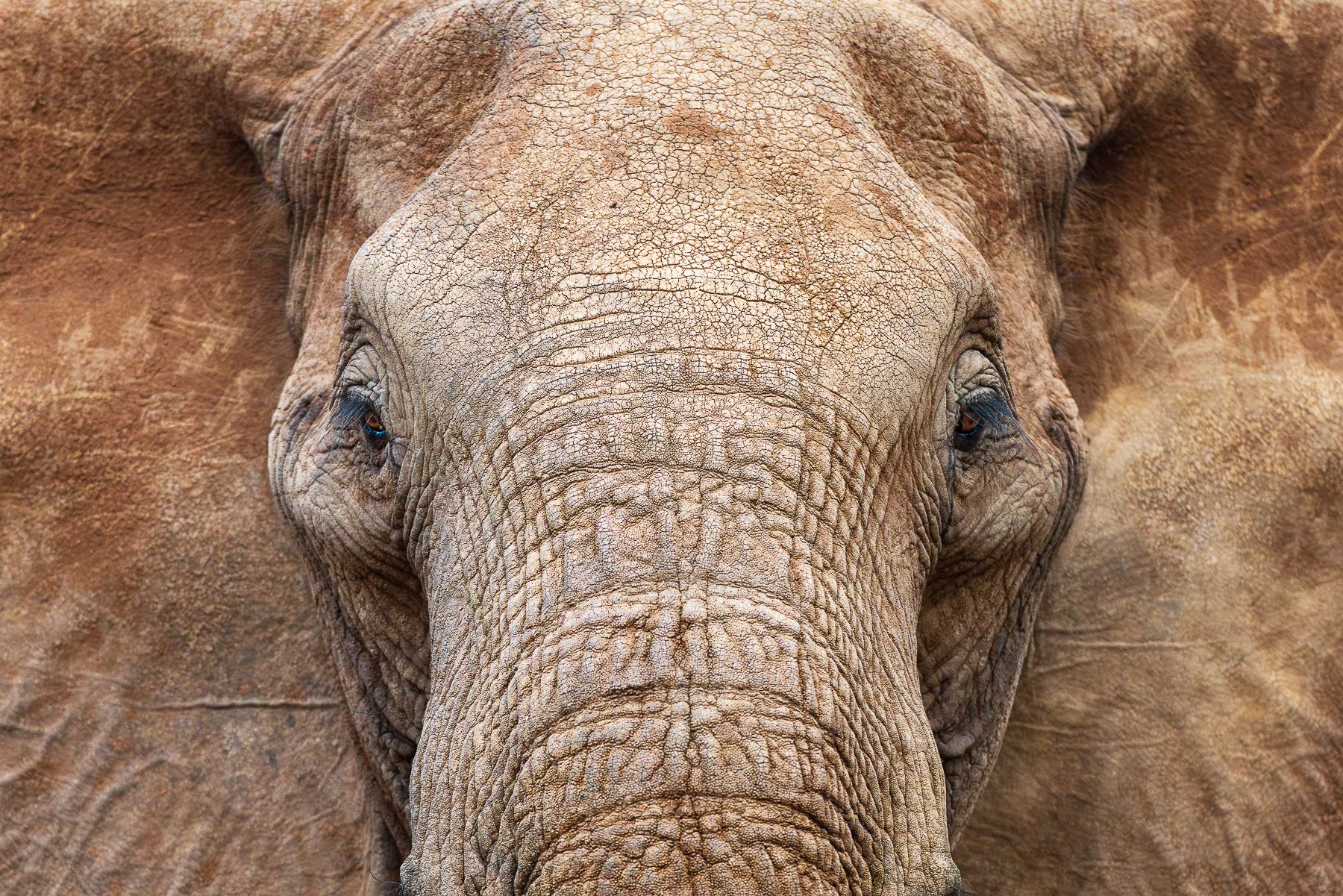
Our camp sat right on a small ridge with sweeping views of the valley below. This valley is Giza’s primary territory they tell us. We settle into our rooms and enjoy a delicious lunch on the veranda. The guides explain that it is believed there are three or four melanistic leopards in the region. Giza, however, is the one that is seen most commonly and would be our goal for the trip. While the black leopard is the star here, this is prime leopard territory, and there are over twenty known (spotted) leopards in the area as well.
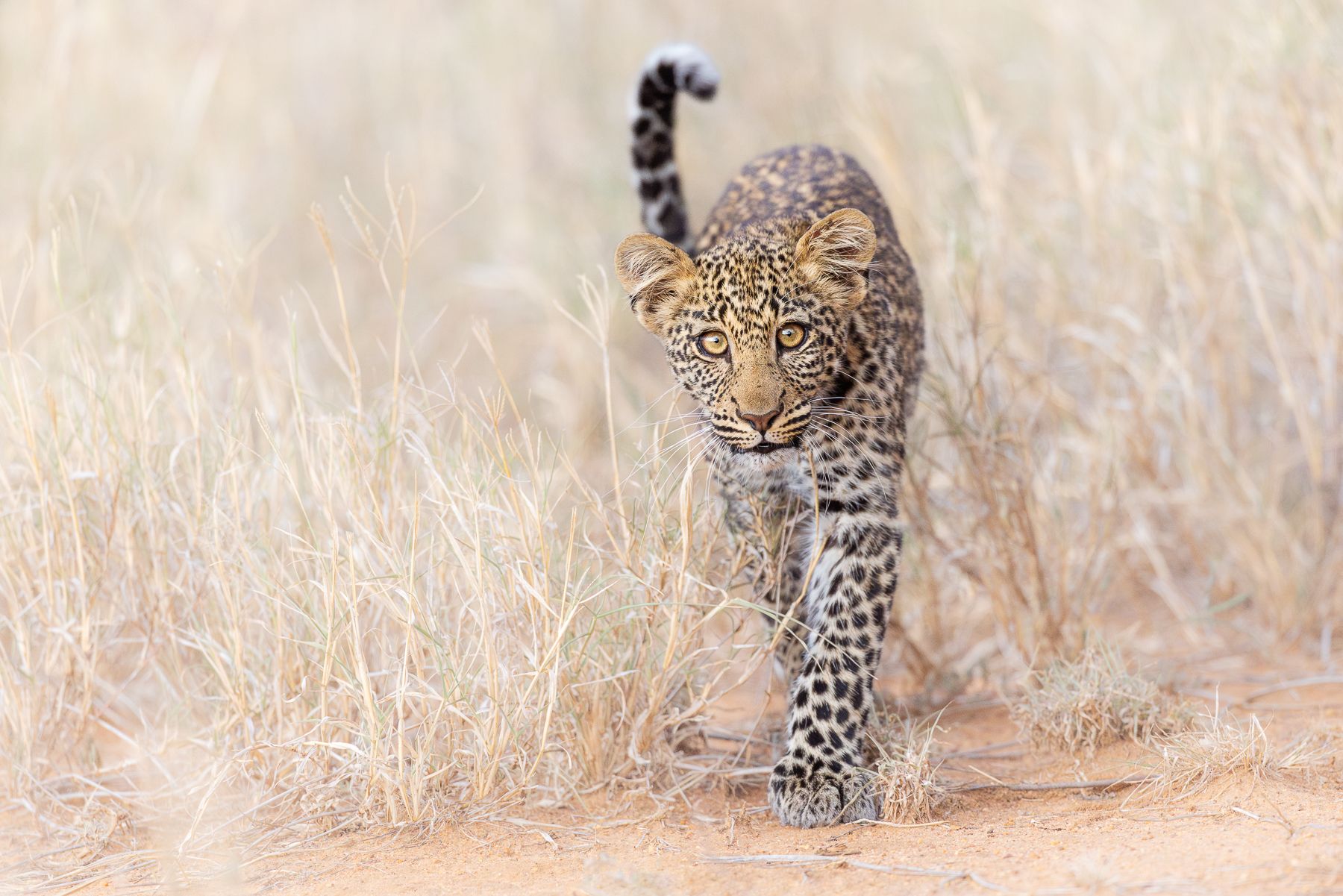
Anytime you are photographing wildlife, there is always a chance that the animal isn’t as cooperative as you hoped. Sometimes sightings are slow, animals are reclusive, or the weather impacts their behavior. These animals are wild, and nothing is guaranteed. In my opinion, these challenges are also what makes wildlife photography so rewarding. Regardless, there is always a little apprehension going into a trip with photographic goals of a specific species. Thankfully, those feelings didn’t last long as ten minutes into our first safari, the radio crackled in our land cruiser. Our driver quickly picked up and responded, then turned and smiled. Giza had been spotted.
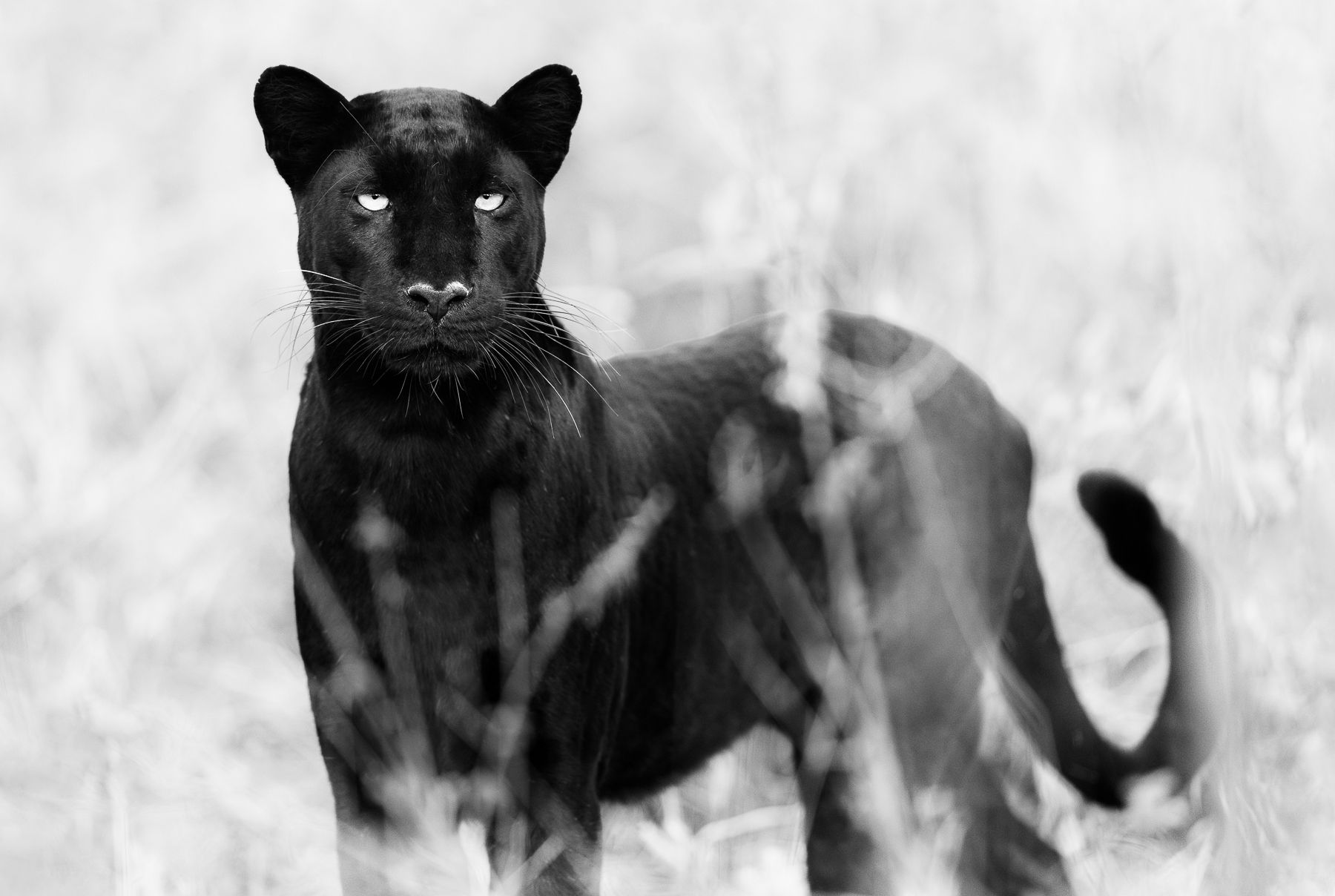
As we arrived on scene, she emerged from a thicket walking gracefully through the open grasslands. I was blown away at how incredible she was in person. She moved like a shadow through the landscape, a true beautiful darkness. We were incredibly lucky to spend the next two hours with her as she wandered around looking for the occasional meal. When she finally left us, we retreated for some well earned sundowner drinks where we replayed the experience over and over. What a great start to the trip.
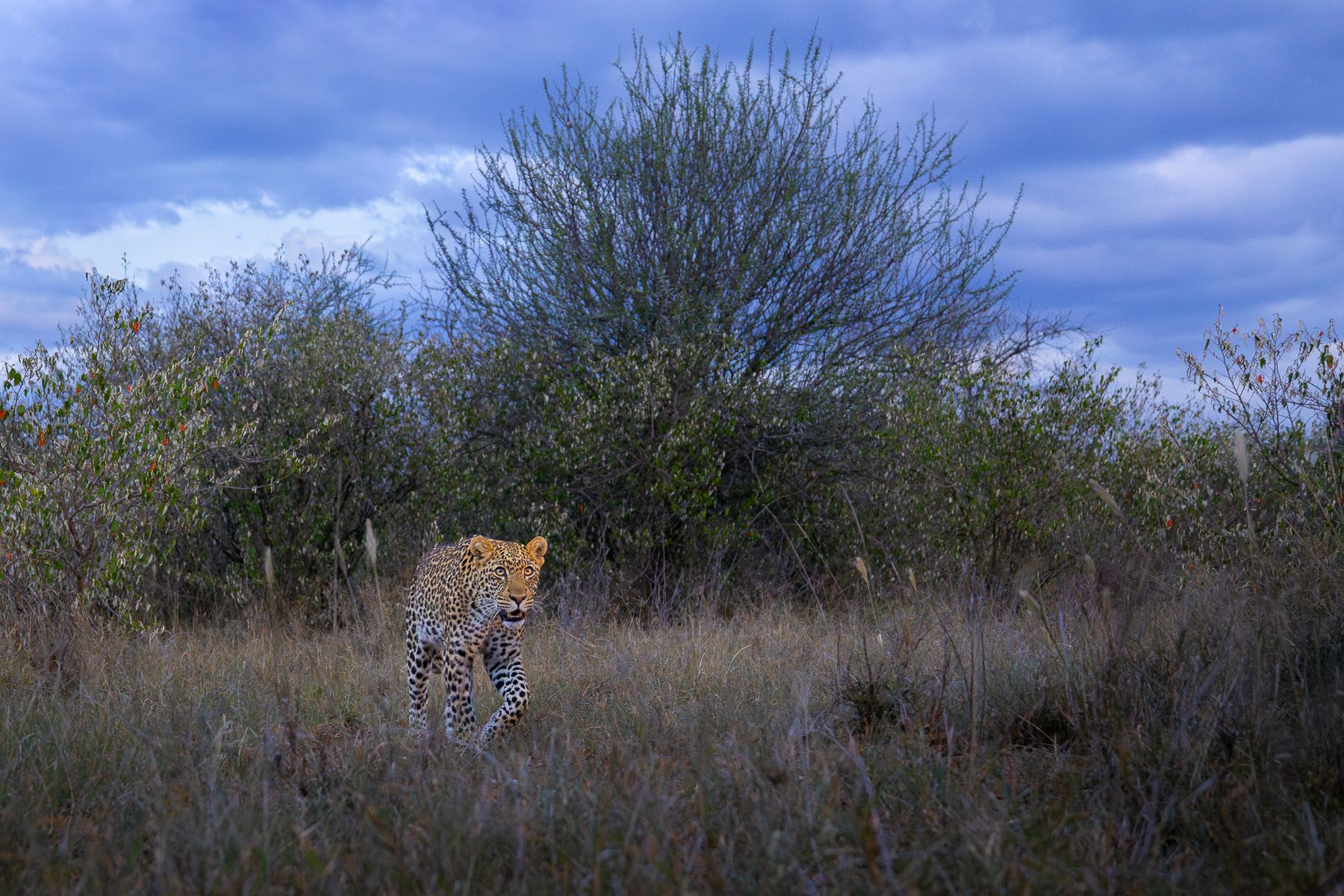
The next day, with memory cards full of Giza, we were able to turn our attention to some of the other leopards in the area. Laikipia’s landscape is the perfect habitat for leopards with lots of cover and plenty of food. For photographers, it helps that many of the leopards are used to seeing vehicles and are very calm around them. We had at least one good leopard sighting every day we were there. I would go as far as to say Laikipia is one of the best places for leopards of anywhere I have been in Africa. It is also one of the only places in the world where you need to clarify the type of leopard seen (spotted or black)!
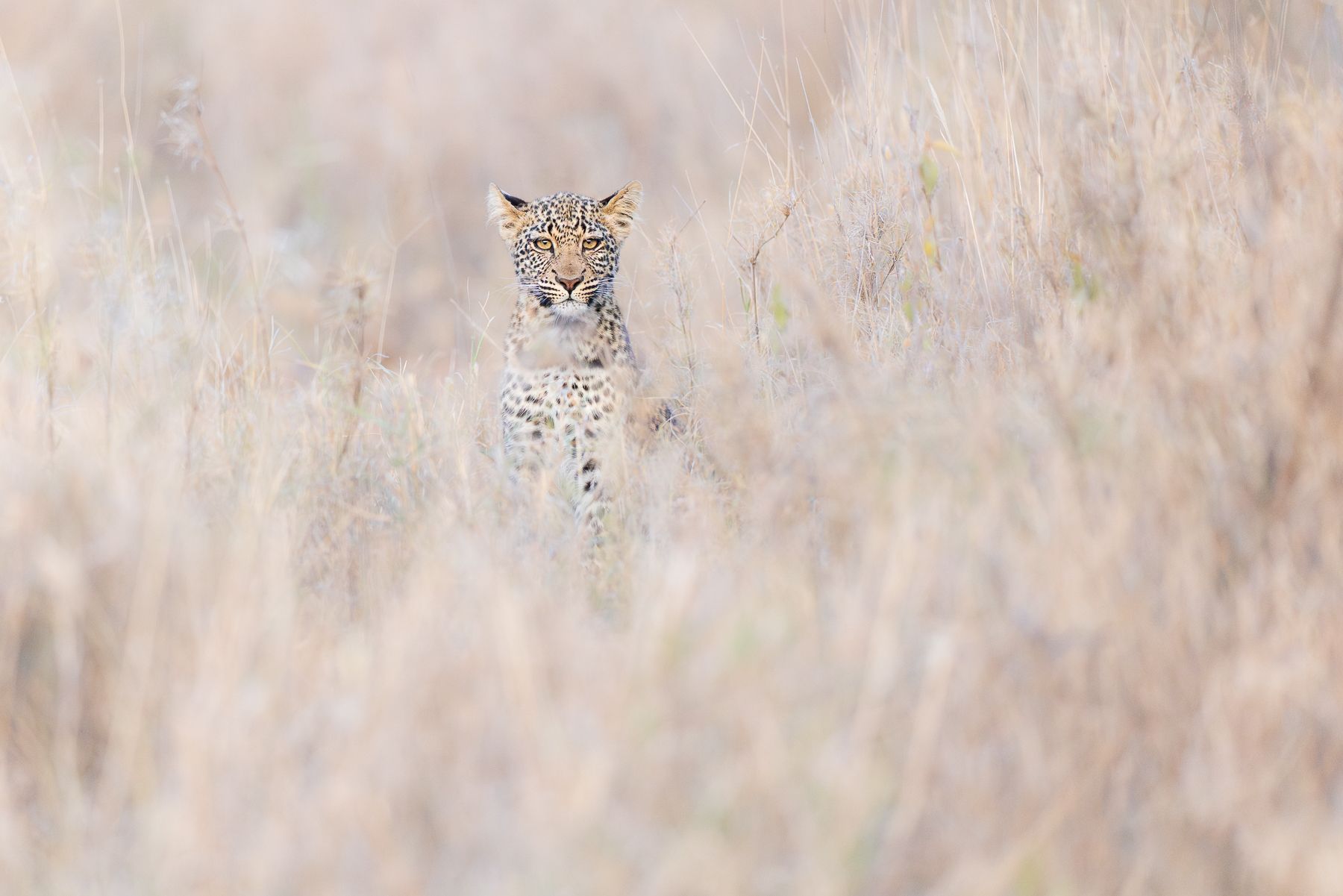
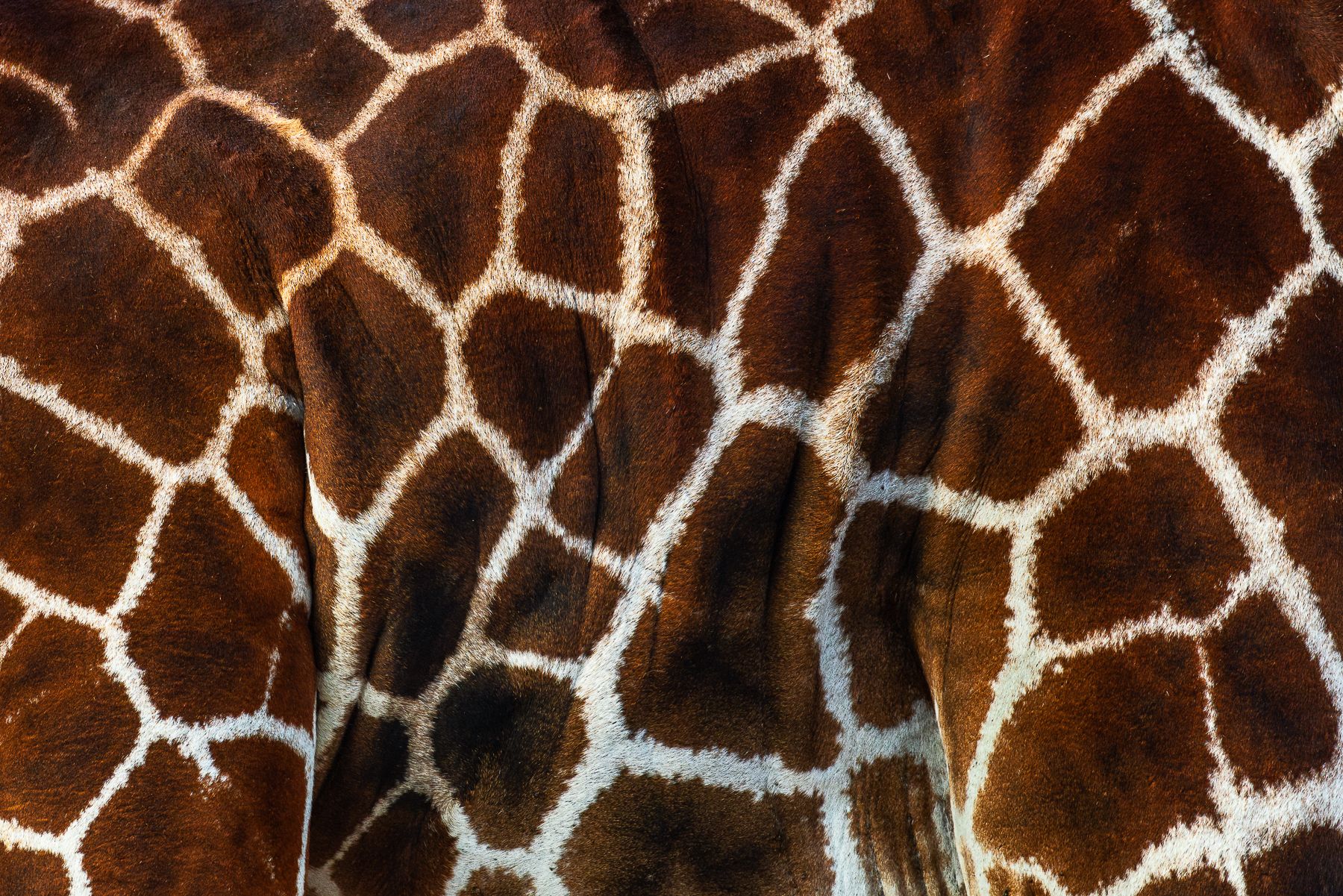
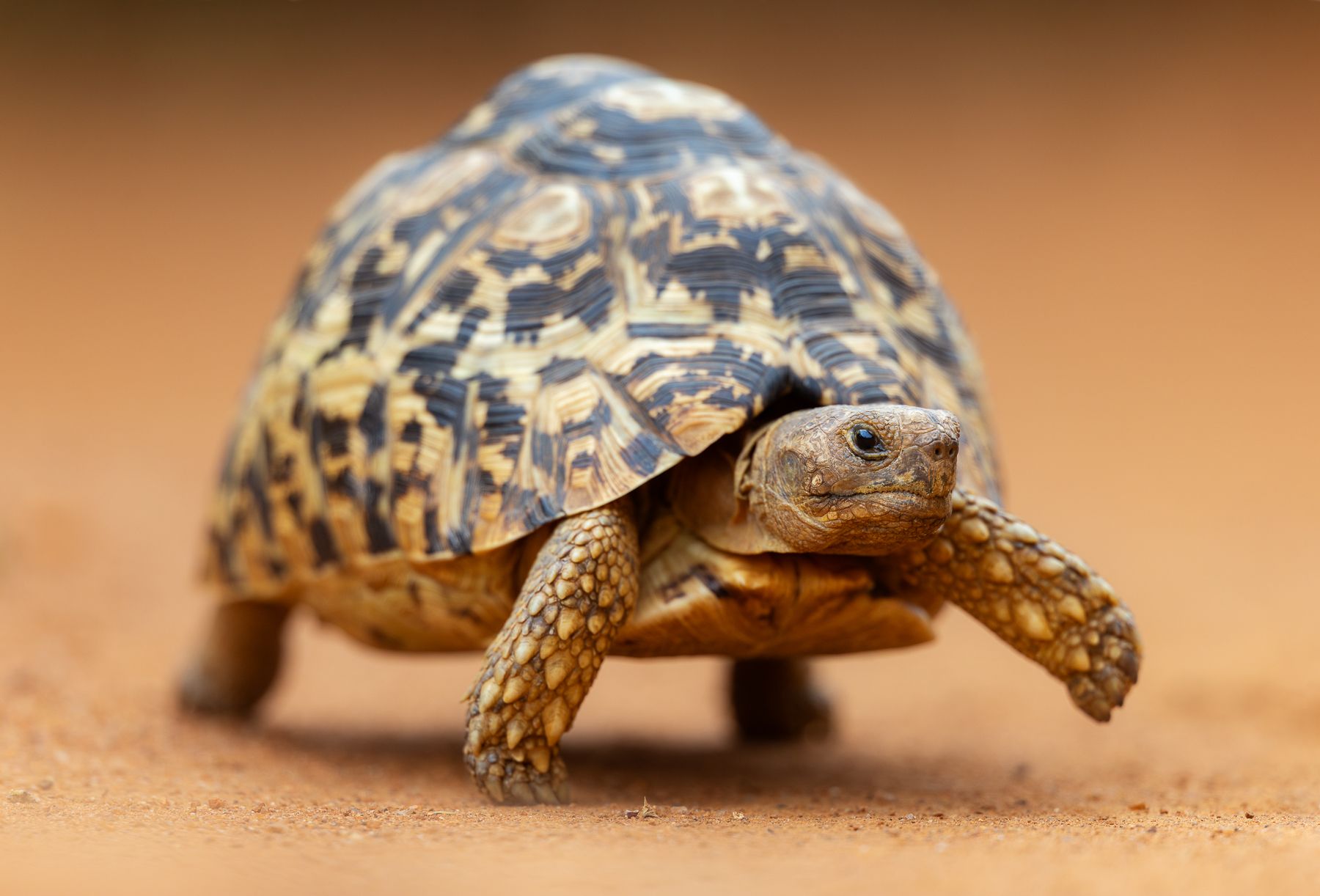
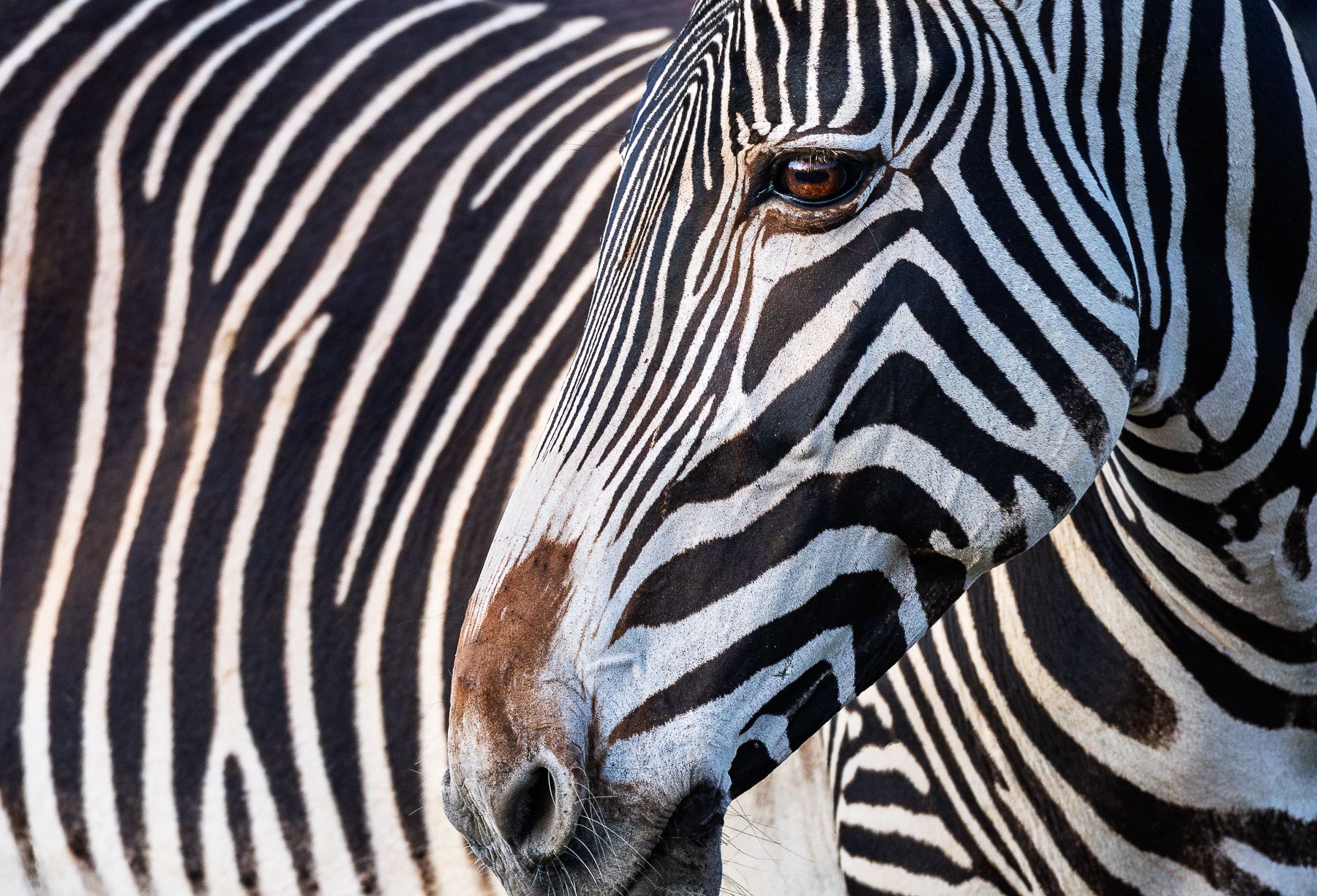
As the days went on and we settled into the rhythm of safari life, we began to appreciate the nuances of the bush beyond the predators. We photographed the beautiful Grévy's zebra, the largest and most threatened species of zebra. We enjoyed watching elephants play in the river and giraffes hide behind trees. We spent time with the smaller creatures such as leopard tortoise, vulturine guinea fowl, and the ever-present dik-dik.
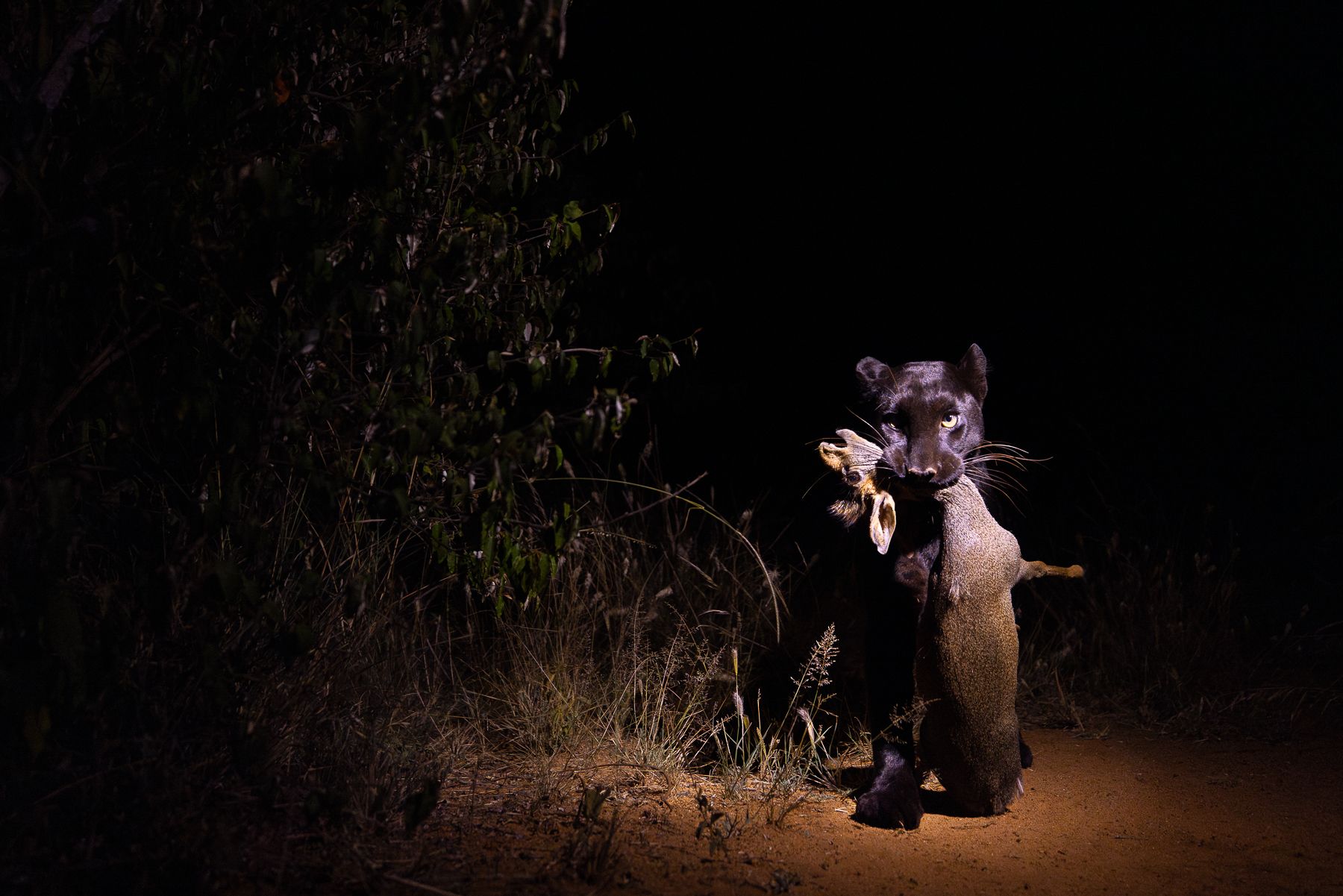
Even though we embraced all that Laikipia had to offer, that didn’t mean that we let go of the idea of Giza. We continued to see her with some frequency throughout the week. Often, she would appear at night, on the hunt to feed her two young (spotted) cubs. We were able to see several successful hunts with the spotlights on our vehicles. It was pretty crazy to see here at night as she seemingly just appeared and disappeared in the darkness. Our drivers always put her first, making sure to leave soon after she made a kill to give her time to be a leopard.
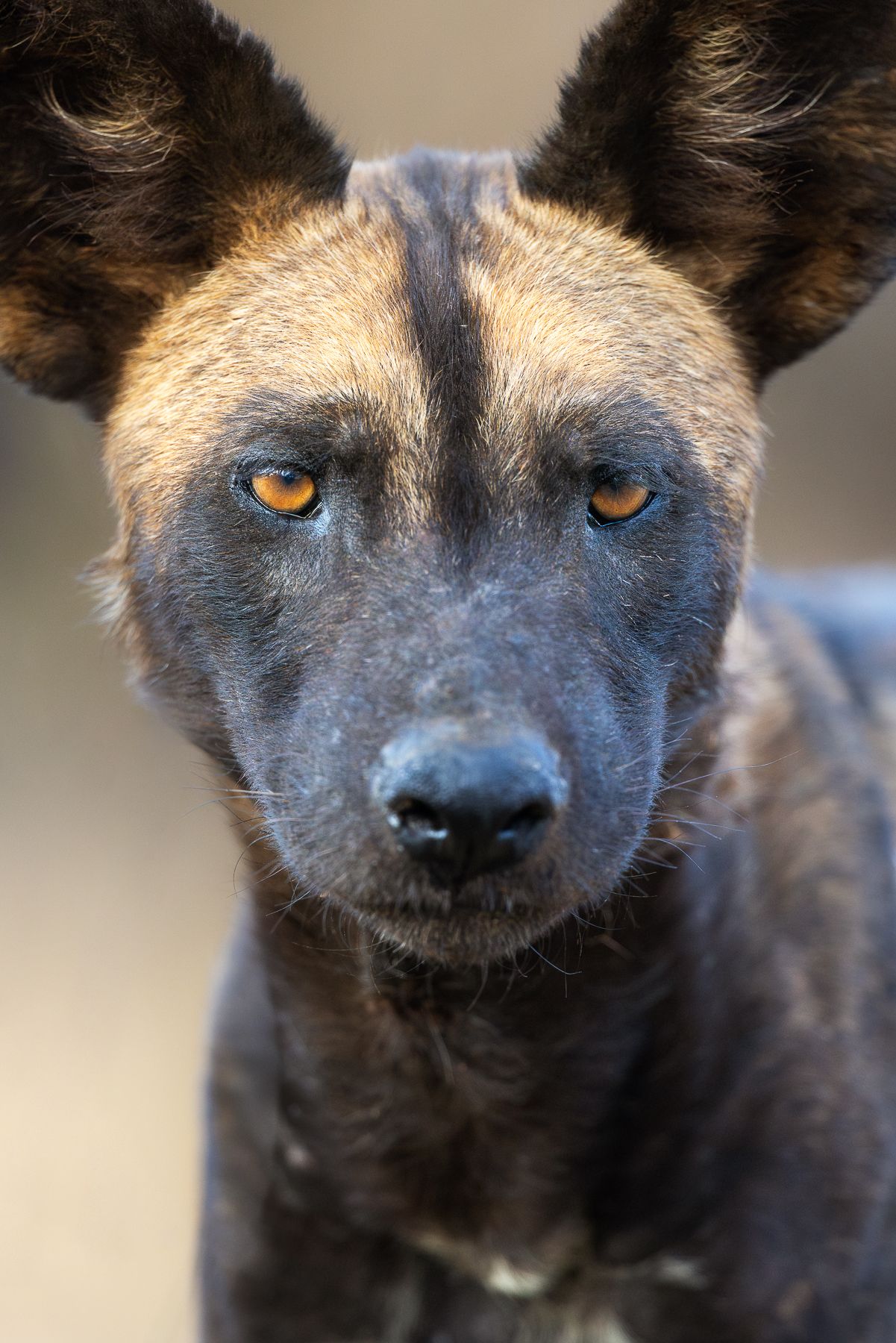
The other major highlight for our group in Laikipia were the wild dogs. African wild dogs are exceedingly rare and very endangered. At one point, there was a large pack living in the area until a canine disease swept through and decimated their population. Today there are only six individuals left in the pack. They are closely monitored by researchers and they are hopeful that the population will begin to grow as a few of these dogs have been seen mating with each other.
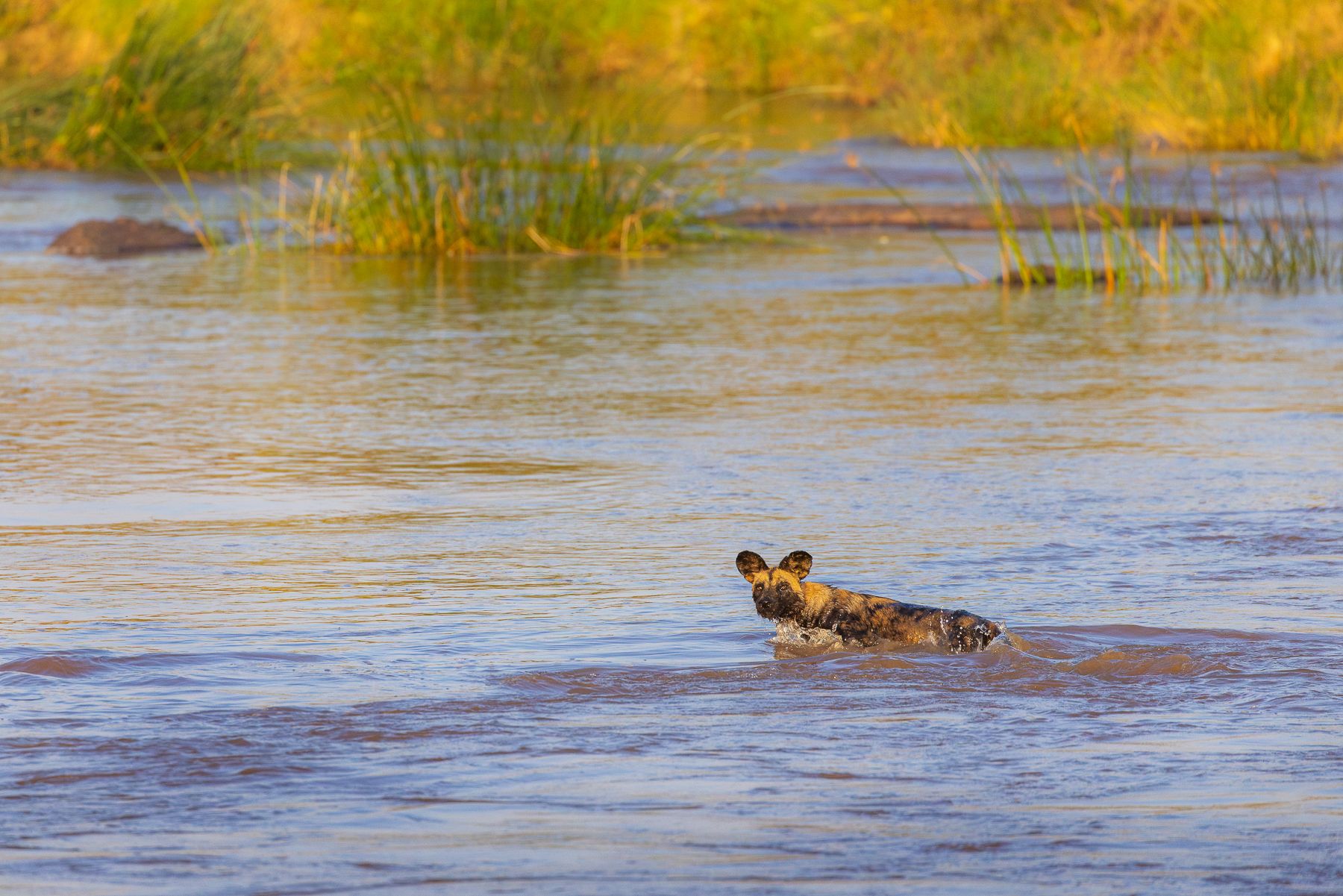
The dogs had eluded us for most of the week, but finally they returned to the property and gave us quite a show. We were able to follow the dogs for an entire morning. This would prove to be no small task as they were constantly on the move through variable terrain. I was quite impressed with our drivers and trackers and the skill it took to stay with them. We saw several successful dik-dik hunts and had many nice photo opportunities with these rare predators.
As the week came to a close, I couldn’t help but be grateful for such a amazing experience with a good group of people. We had accomplished everything we set out for and it was such a privilege to spend time with one of the rarest and most beautiful cats in the world. Thanks to all who came and made the experience so great, I can’t wait until next time!

We offer world-class travel photography
experiences around the world.
Each tour is bundled with lodging, meals, and transportation between workshops included, allowing you to focus on photography instead of the stress of traveling.
experiences around the world.
Each tour is bundled with lodging, meals, and transportation between workshops included, allowing you to focus on photography instead of the stress of traveling.
Learn More About This Trip

Get Our Trip Catalog
Receive a trip catalog that highlights all of our upcoming photo tours and workshops.Schedule a Trip Consultation
Meet with a photo experience coordinator, and experience a personal touch to your booking experience.Landscape Guide
Receive a FREE Landscape Cheat Sheet Written By a Pro Photographer.Webinars
Our regularly hosted webinars provide photography instruction from our own guides on a wide range of topics.Education Portal
Explore our library of articles that cover everything from common questions, to in-depth guides on how to achieve that perfect shot.
Backcountry Journeys
Connecting Passionate People To
Exceptional Experiences.
Exceptional Experiences.
Business Hours:
Mon-Fri, 8AM-4PM MT
928-478-1521
adventure@backcountryjourneys.com
Mon-Fri, 8AM-4PM MT
928-478-1521
adventure@backcountryjourneys.com
arrow_drop_down_circle
Divider Text
All Images & Content Are Property Of Backcountry Journeys Photography Tours, Workshops & Safaris LLC - Copyright 2026


About Us
Receive a Digital Trip Catalog
Find an upcoming photography tour with our interactive catalog.