2025 Travelers' Choice

About Backcountry Journeys
Why Choose Backcountry Journeys
If you're considering a photography trip, hear why Backcountry Journeys delivers the best experience in the industry.Frequently Asked Questions
If you're new to photography trips, or new to BCJ, you can find our common travel questions here.Fitness Levels
Our trips vary on physical intensity, and by reviewing our fitness levels, you can find out which trips may be more challenging, or aligned more closely with your comfort level.Meet The Crew
We've built an amazing team of experienced guides, and dedicated office staff that elevate your travel experience. Get to know their backgrounds, and hear their stories.Loyalty Program
We reward our frequent photo adventurers with exclusive discounts on amazing photography trips.Contact Us
If you need to get in touch with our office staff, or have additional business inquiries, you can find our information here.Refer a Friend
Know someone perfect for one of our tours? Recommend them through this quick form.Stay Up To Date On All Things
Backcountry Journeys
Backcountry Journeys
Our Photography Community
Our Webinars
Our regularly hosted webinars provide photography instruction from our own guides on a wide range of topics.Our Education Portal
Explore our library of articles that cover everything from common questions, to in-depth guides on how to achieve that perfect shot.Community Testimonials
We're proud to foster an amazing group of photo travelers, and here you can find their stories from their past adventures.Resources For Photographers
About Our Company
Resources For Photographers
About Our Company
Trip Report: Prague & Czechia - May 2025
Published August 16, 2025
The famous composer, Wilhelm Richard Wagner said of Prague that “The ancient splendor and beauty of Prague, a city beyond compare, left an impression on my imagination that will never fade.”
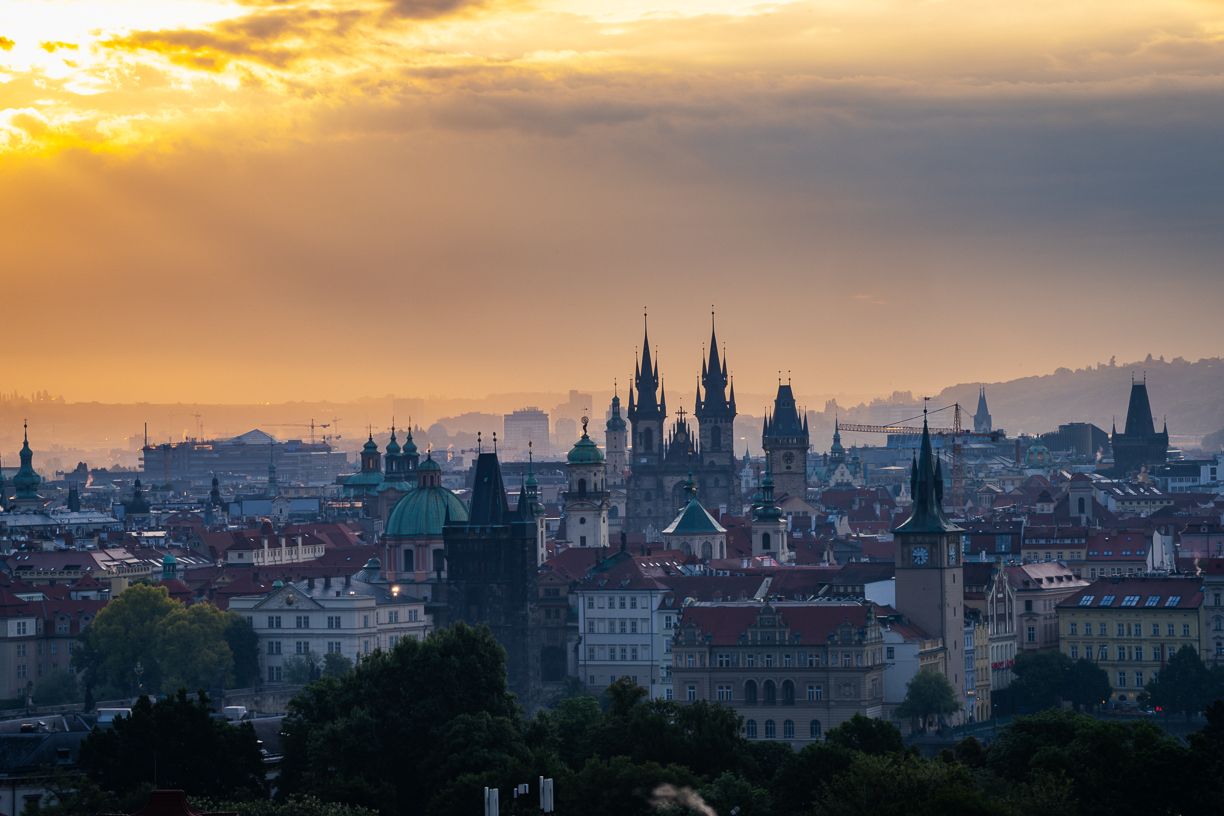
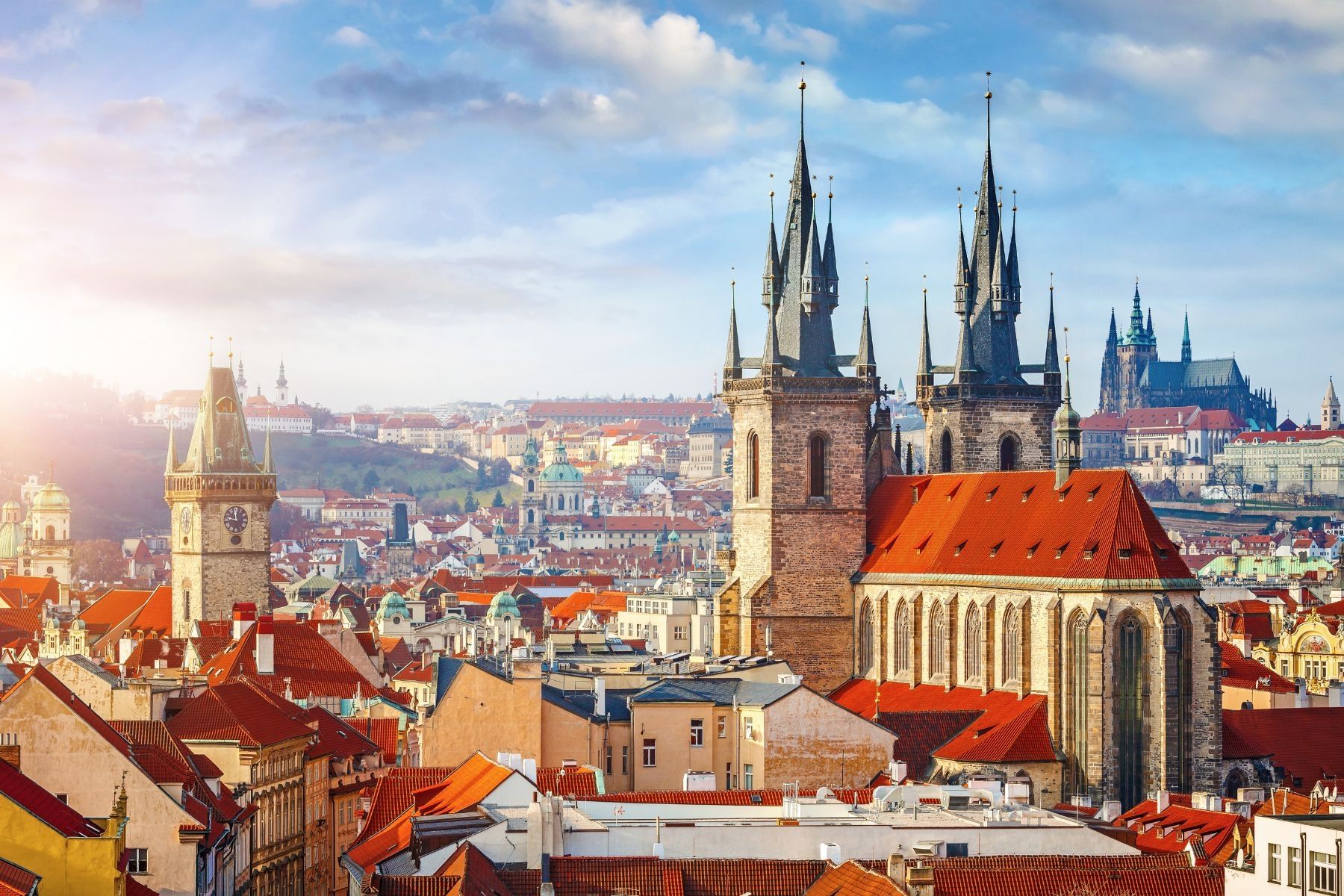
Prague truly is a city that straddles the border between reality and fairytale. With its baroque opulence, gothic mystery, and Renaissance charm, it has a uniquely preserved atmosphere that captivates every visitor. As the capital of the Czech Republic, Prague is not only home to the largest castle complex in the world, but its historic city center is recognized as a UNESCO World Heritage Site. Every street corner, archway, and spire seem to whisper stories from centuries past.
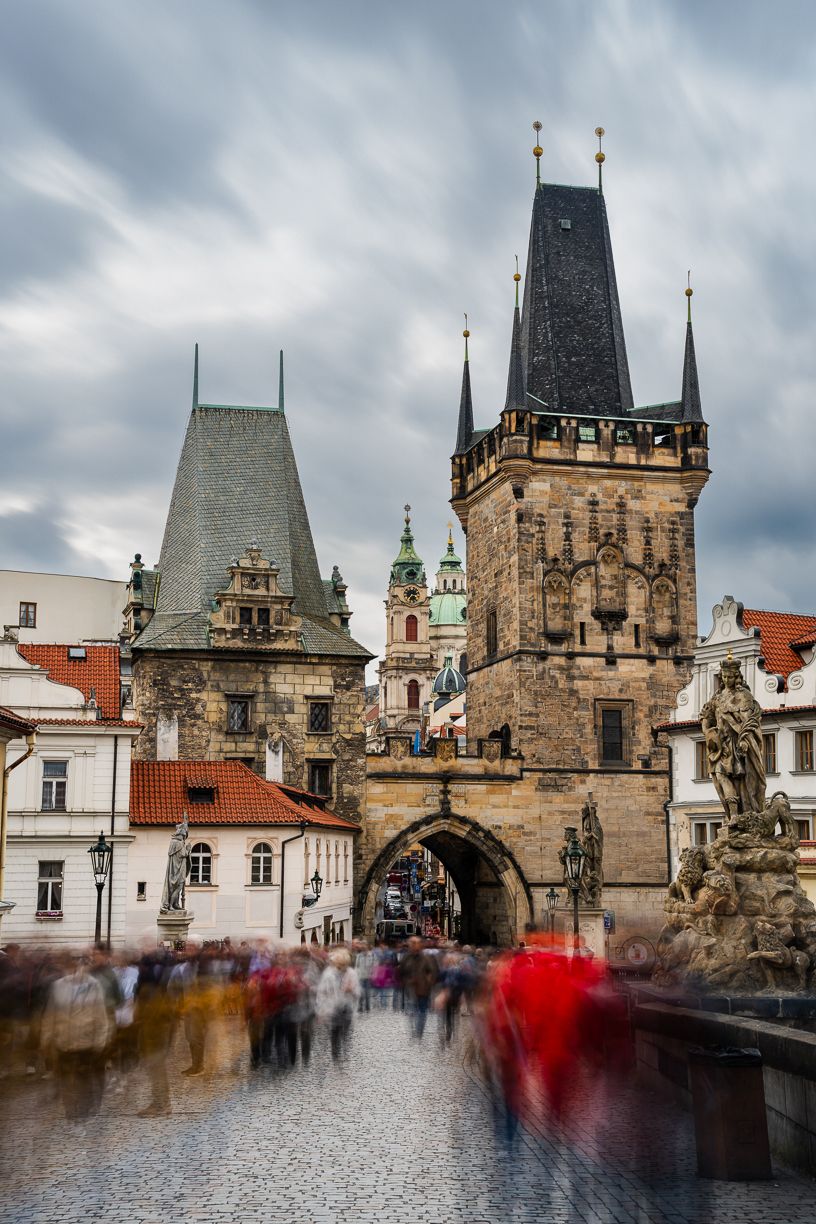
We had the pleasure of exploring and photographing Prague, from grand landscapes to small street scenes. We ventured out by day:
…and by night:
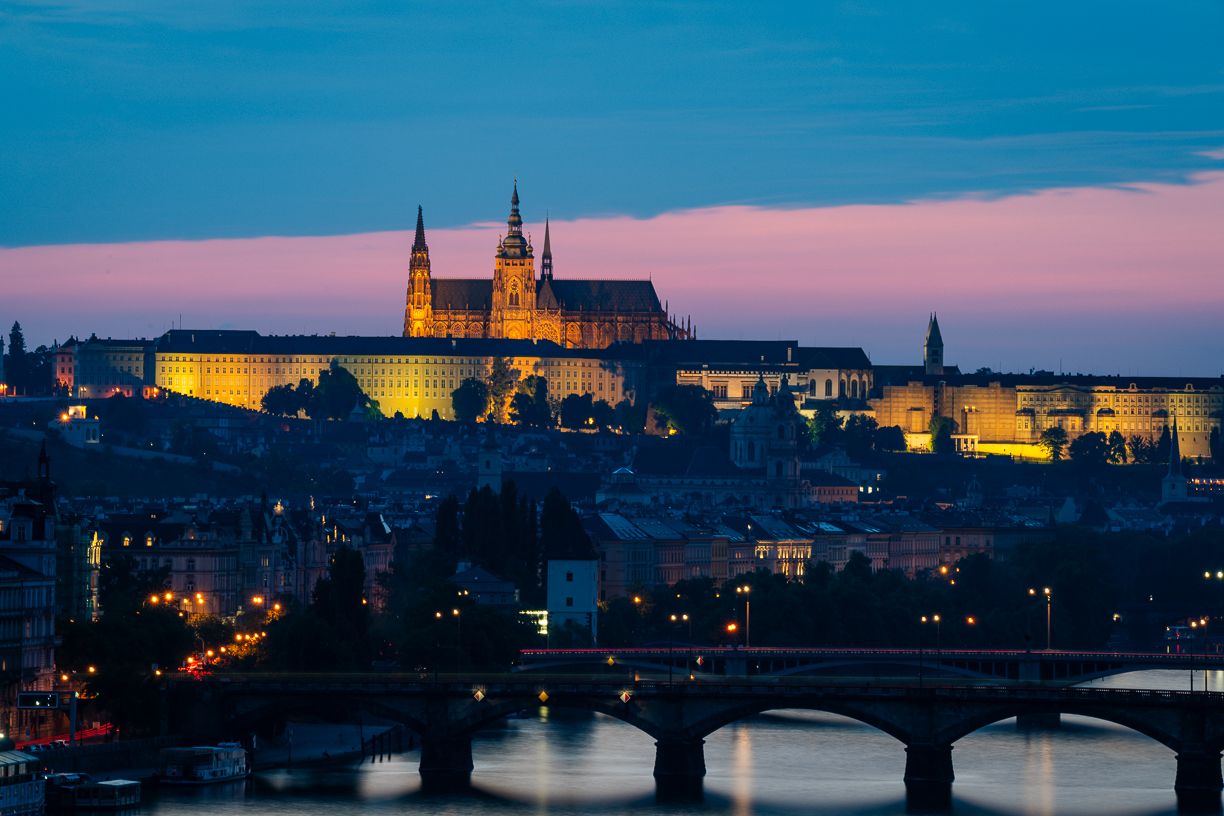
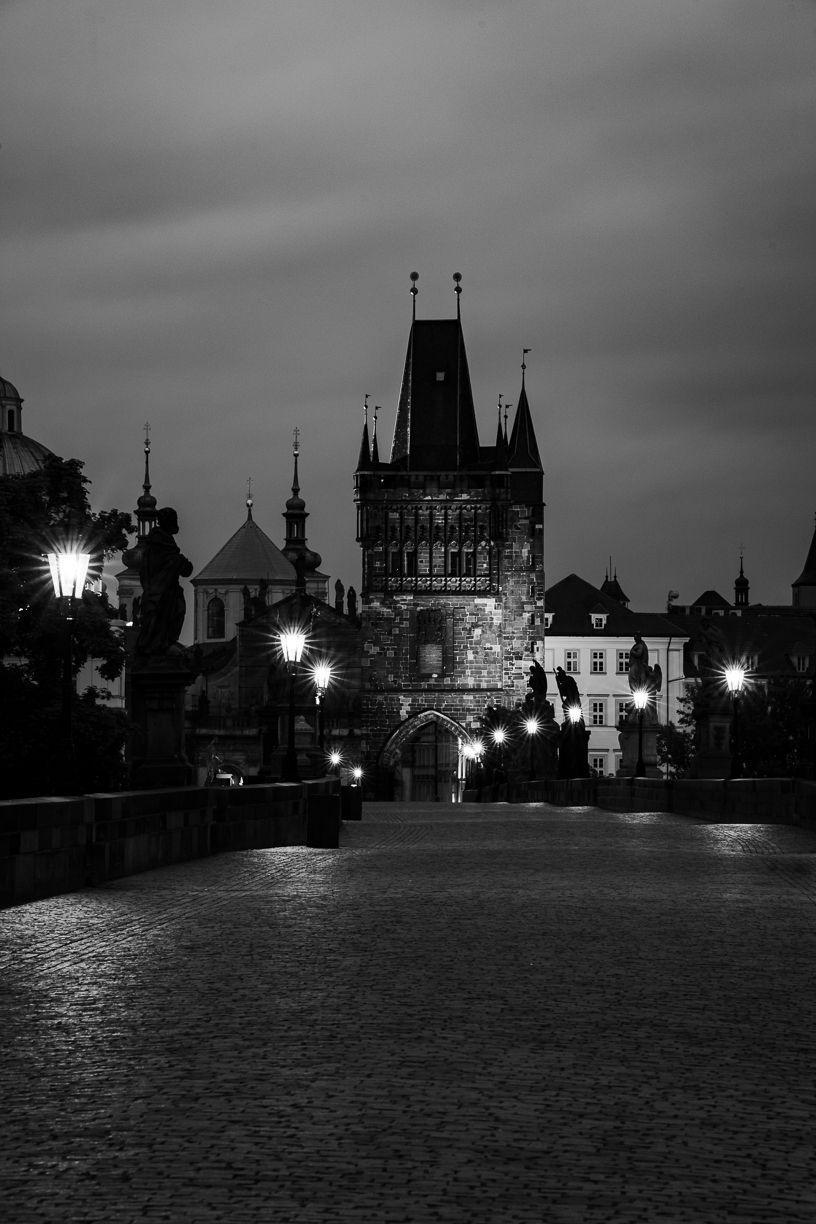
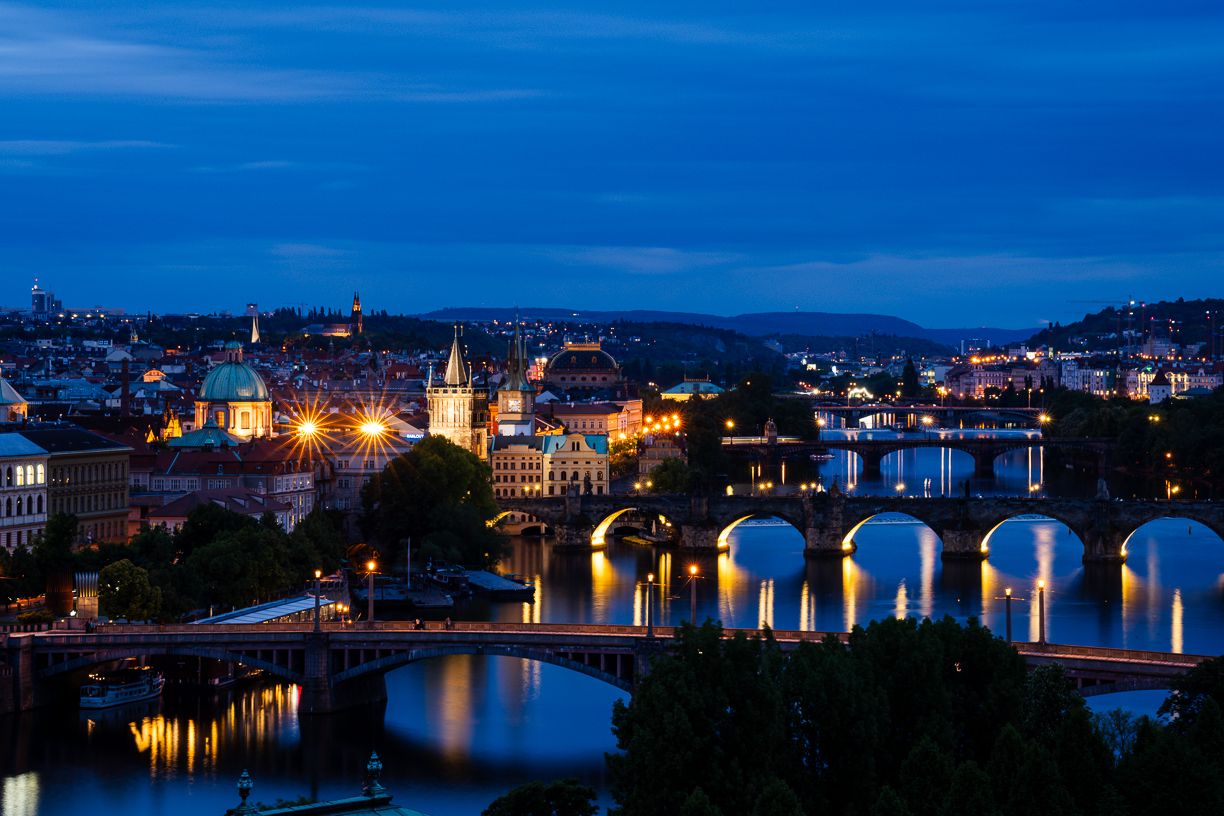
The city's layered architectural timeline reads like a walk-through history. We strolled across the iconic Charles Bridge, flanked by 30 statues of saints, each shrouded in centuries of legends and lore. The bridge offers one of the most photogenic vantage points of the Vltava River and the Prague Castle complex rising majestically in the background.
It was particularly striking to come to the Charles Bridge during the day, when it was flooded with people, and then to come for blue hour and sunrise- when we had it totally to ourselves. It was also special to see the famed Prague Castle from multiple perspectives and times of day. Prague is a massive city and there are photo opportunities around every corner.
We were led by myself, and our great local guide and renowned Czech Photographer, Vojta Herout (https://www.vojtaherout.com), whose multi-generational-deep knowledge of the region greatly enriched our experience. Having Vojta with us and leading us made this vast city experience manageable and efficient. We navigated the city, and beyond, in the best possible way a photographer could.
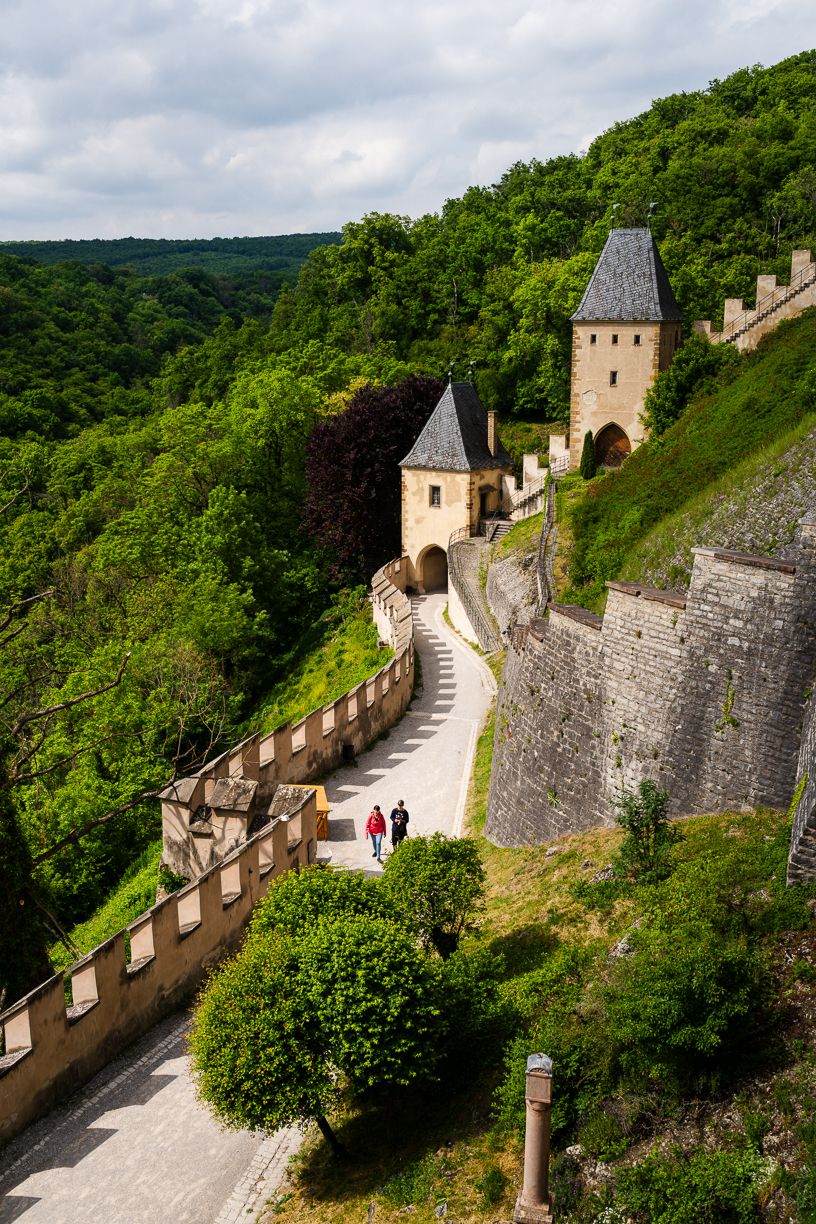
Just a short drive from the city, we visited Karlštejn Castle, a stunning example of Gothic military architecture founded in 1348 by King Charles IV. Built as a repository for the imperial regalia and holy relics of the Roman Empire, the castle’s hilltop setting and imposing battlements made it a compelling subject for our lenses. A guided tour of its richly decorated chapels and royal chambers deepened our appreciation for its historical significance and artistry.
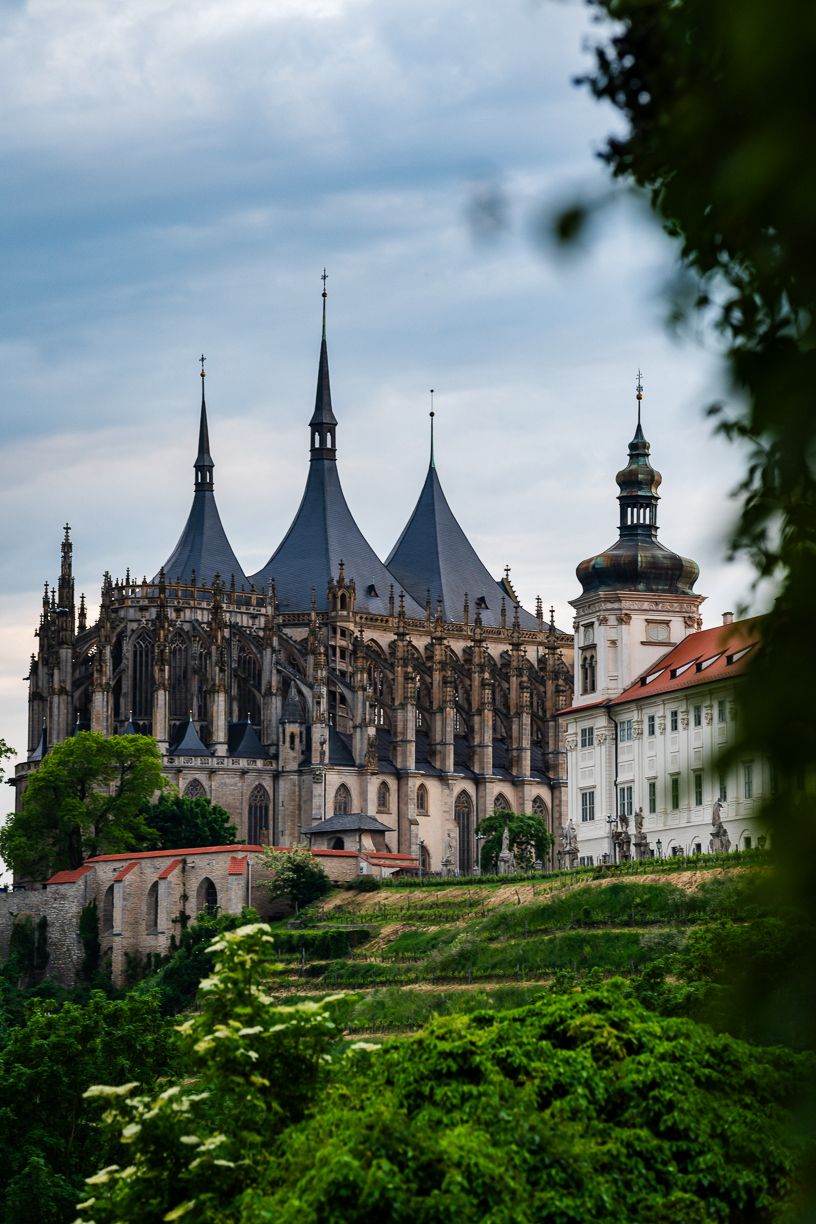
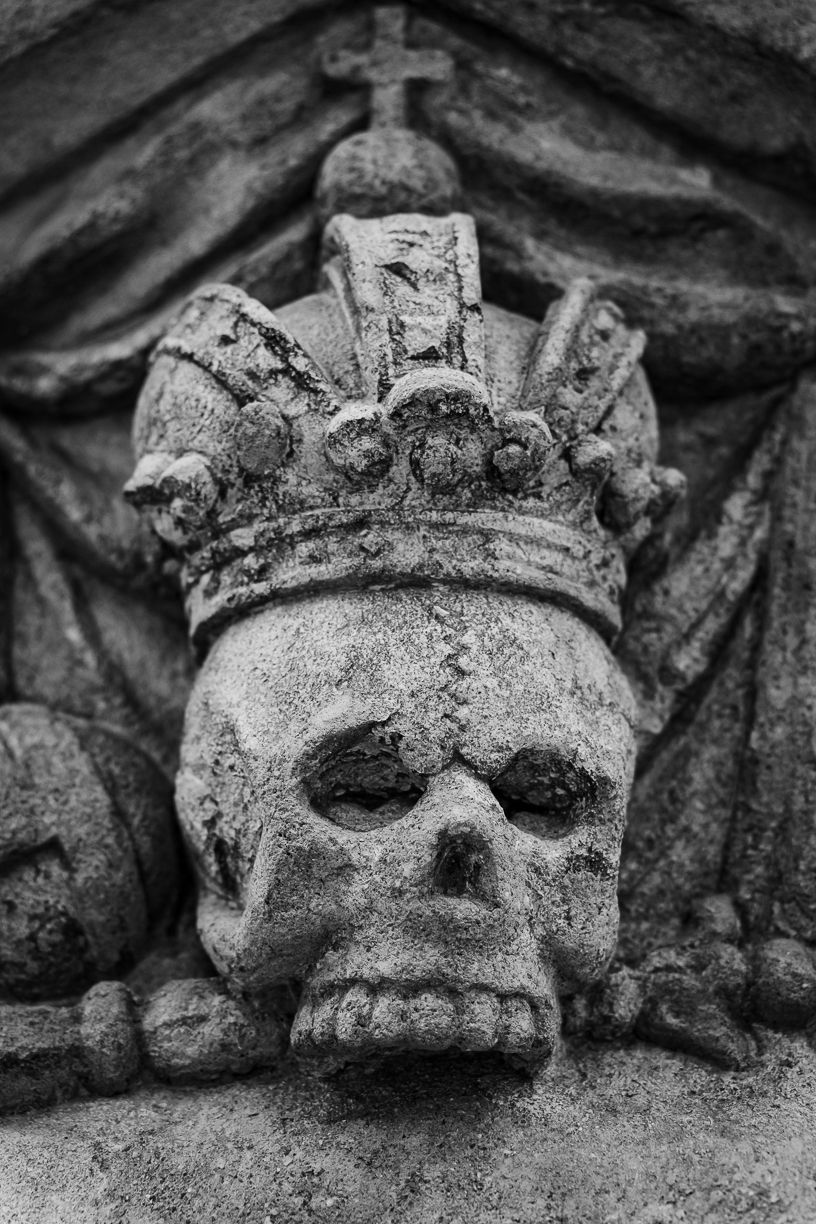
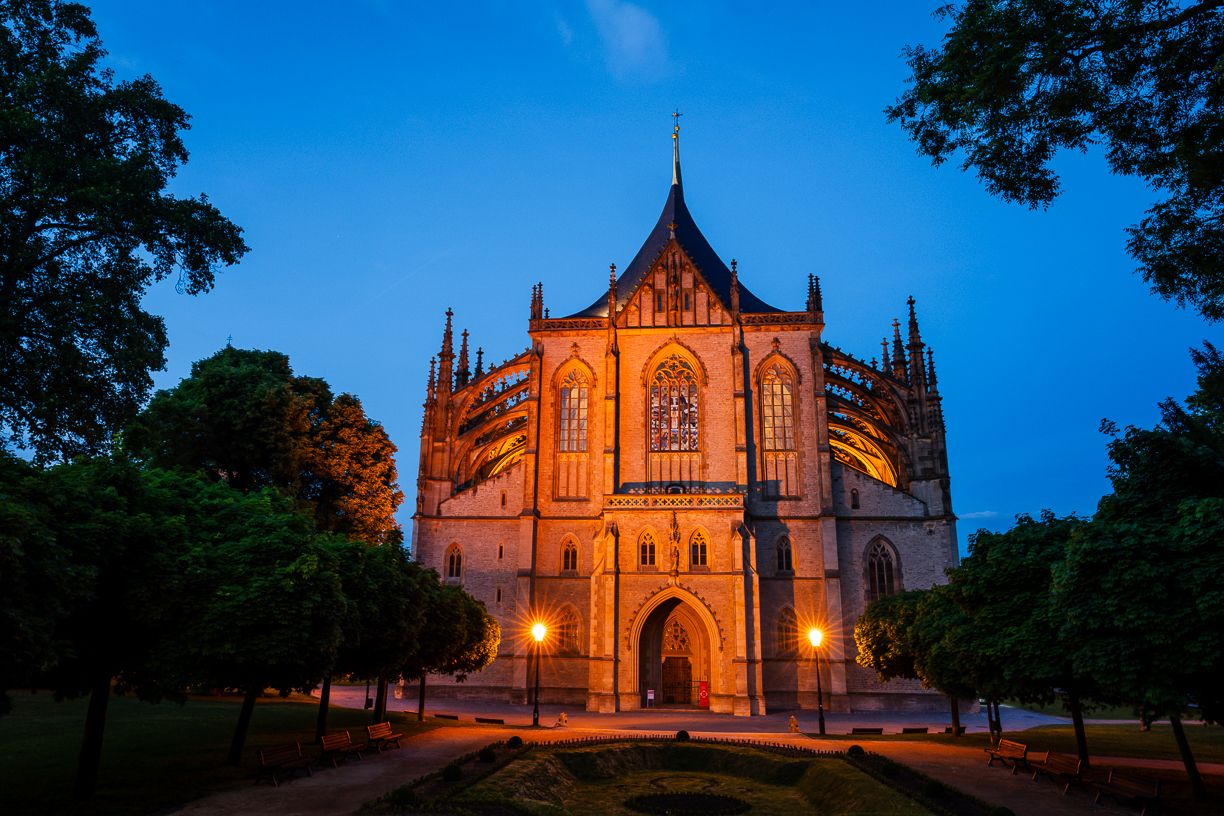
Leaving Prague, we traveled to Kutná Hora, once a silver mining powerhouse of medieval Europe. Today it is famed for St. Barbara's Church, a soaring Gothic masterpiece that began construction in 1388 and wasn’t completed until 1905. The church’s flying buttresses and ribbed vaults rival those of any European cathedral. It was just massive. Walking up to it felt like you were approaching a gothic Taj Mahal. We photographed St. Barbara's Church during the day, and also for sunset and blue hour. There are multiple perspectives offering a number of great photo opportunities. We also had the benefit of viewing and shooting the stunning interior. Another sobering yet fascinating site was the Sedlec Ossuary, a chapel adorned with the bones of over 40,000 people—an unforgettable artistic meditation on mortality. While they don’t allow photography inside, it’s certainly a site you don’t want to skip.
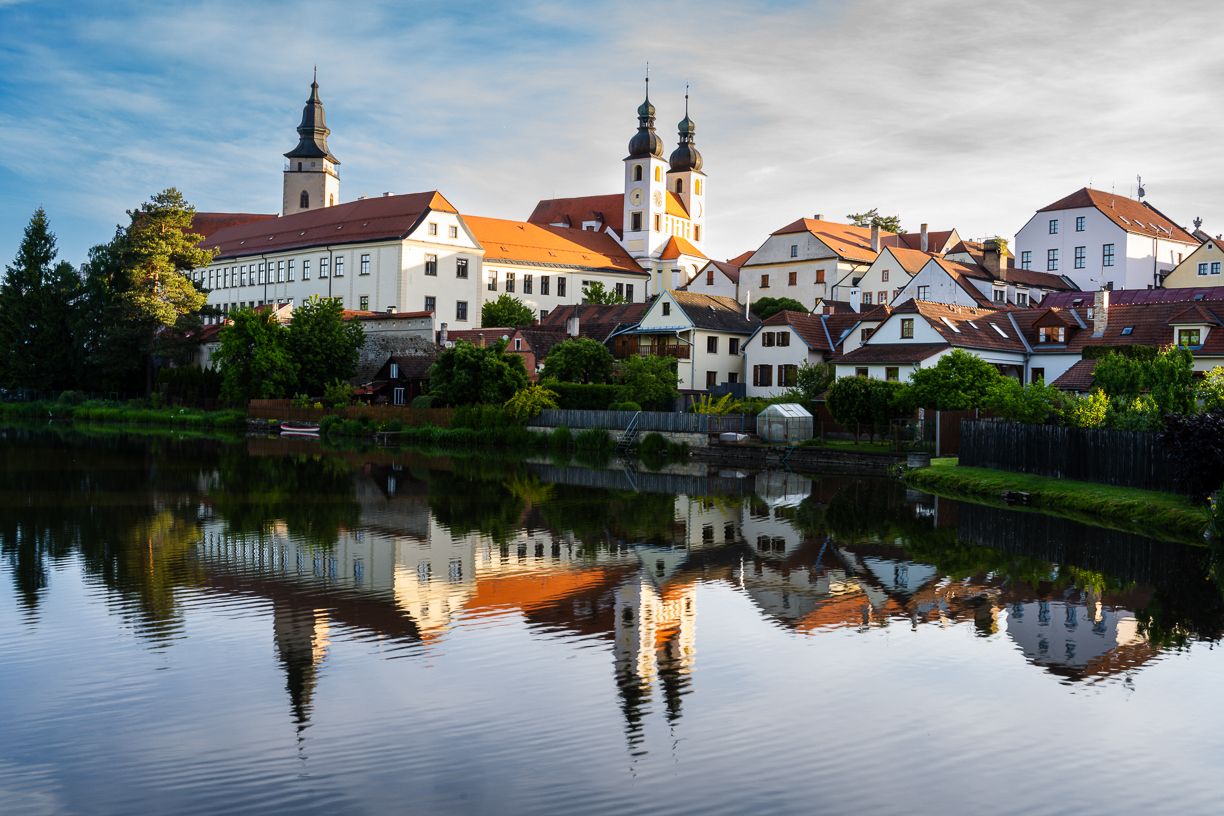
Our next stop was Telč, a town that seems frozen in time. Its pastel-colored Renaissance homes line a spacious town square that has seen little change since the 16th century. Telč offered a calm, painterly contrast to the grandeur of Prague, and its reflective ponds and symmetrical facades were ideal for capturing balanced, tranquil compositions. This photo below was taken from a beautiful peaceful park.
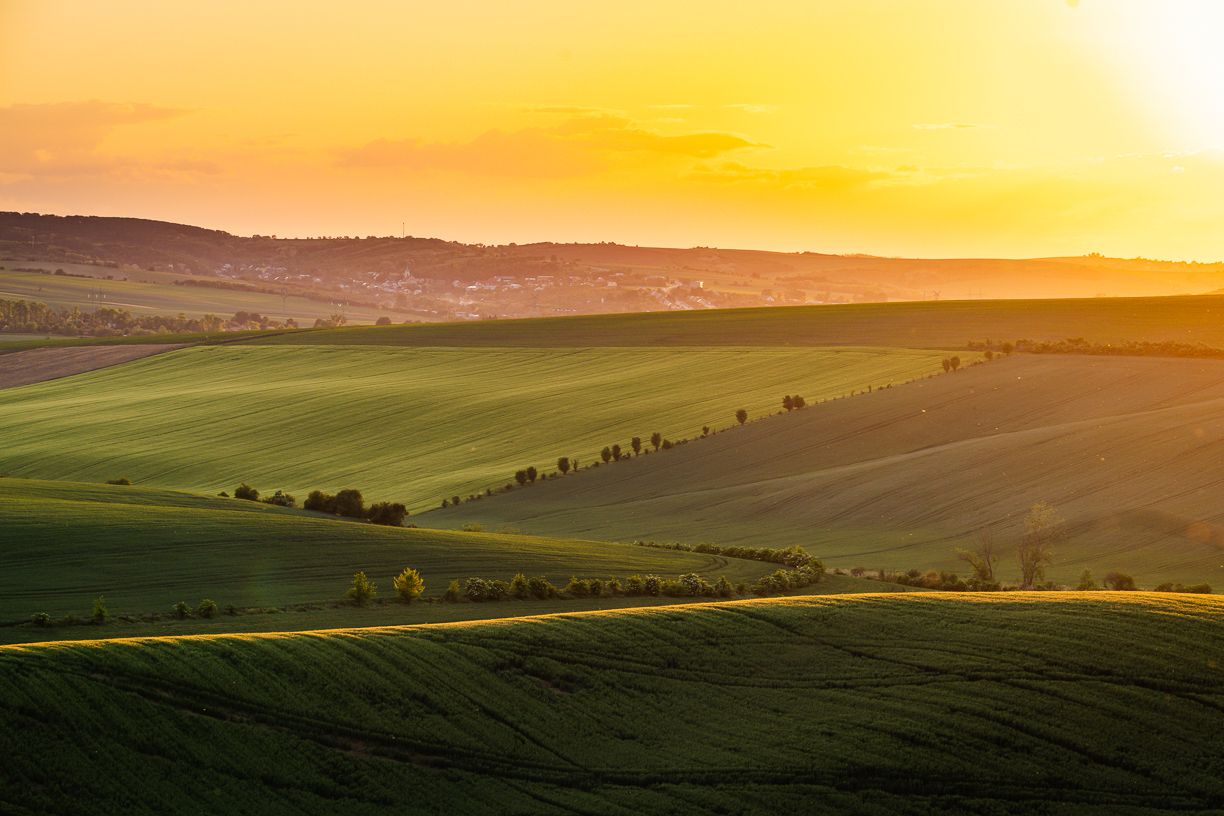
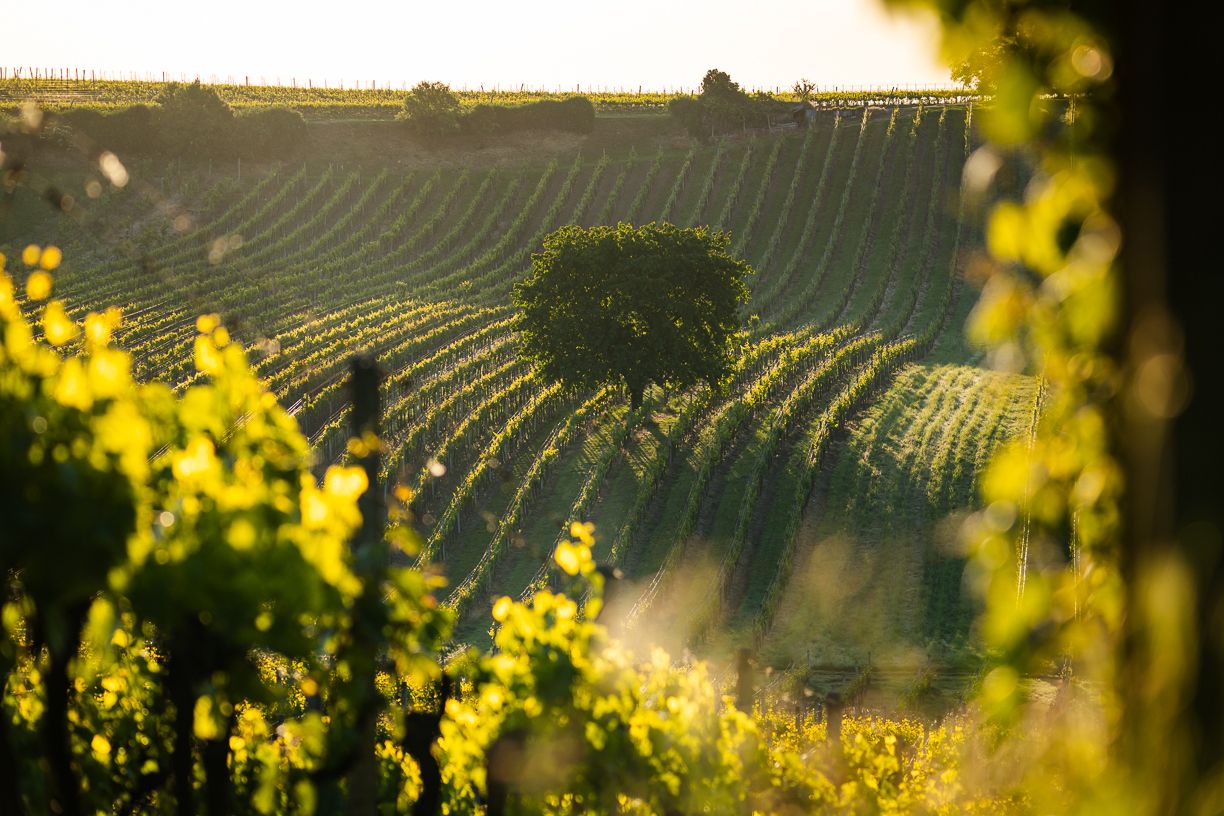
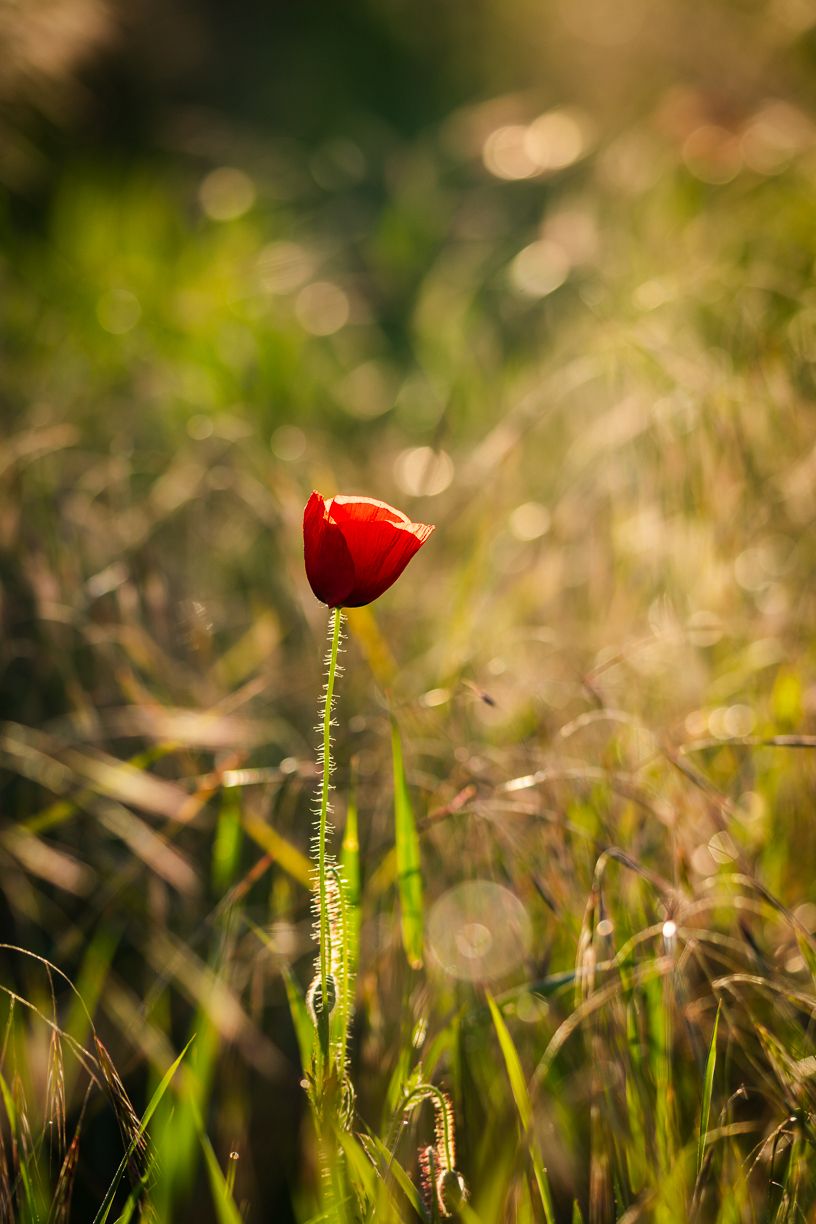
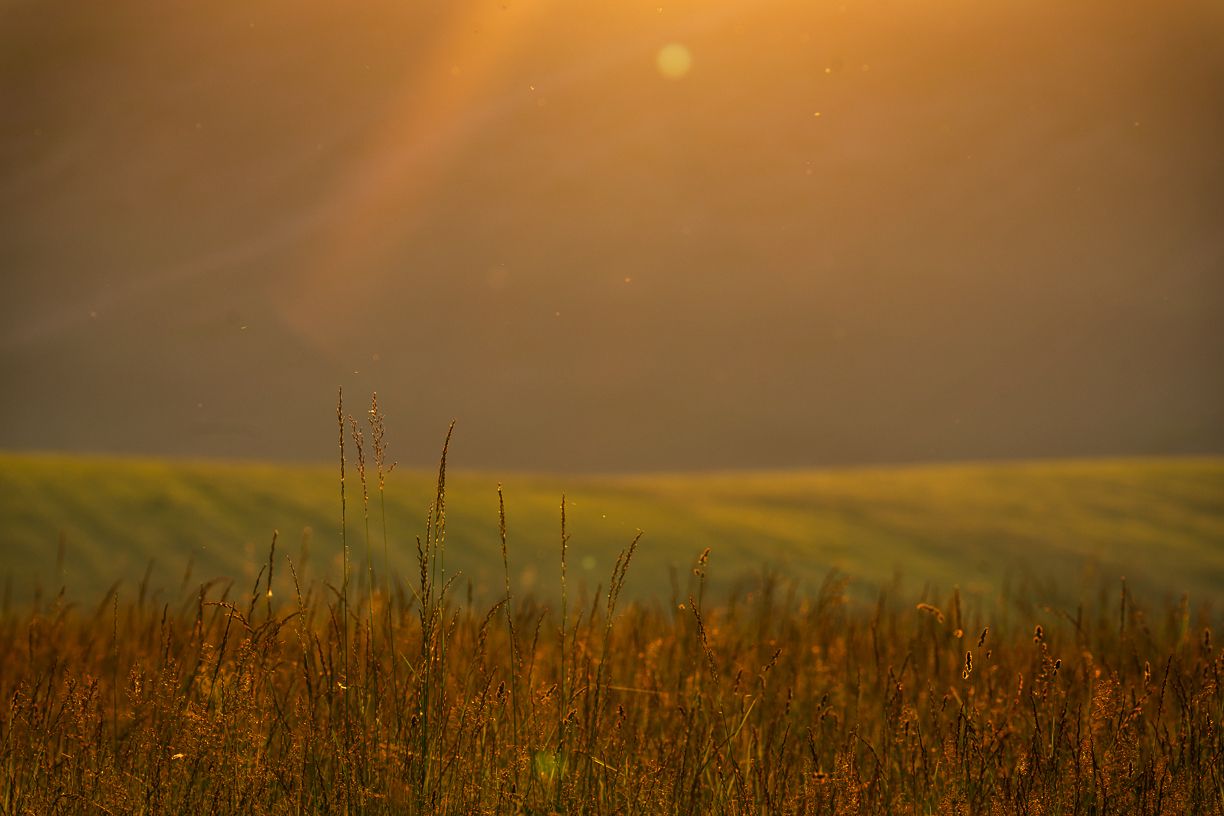
Our final destination was the enchanting region of South Moravia, often referred to as the “Tuscany of the Czech Republic.” The countryside here is a patchwork of vineyards, wheat fields, and gently undulating hills. In spring, the area comes to life with blooming orchards and vibrant green crops. We were blessed with golden morning light, perfect for wide-angle landscapes and macro shots of budding flora. Personally, I was ecstatic when we found some beautiful, blooming poppies. They instantly became my focus. We had lovely light to highlight them, and plenty of time to capture them properly.
The slower pace of Moravia allowed us to absorb the rhythms of rural Czech life. It was a pleasure to stroll these fields and hills while farmers worked the land. While in the US, there’d be gates and fences; here it was totally open. We were greeted with open land, smiles, and sunshine. Local vintners shared their wines, and small farming villages welcomed us with a warmth that perfectly capped our photographic adventure.
From the towering spires of Prague to the quiet vineyards of Moravia, our journey through Czechia was both visually and spiritually fulfilling. Every stop told a different story—one of resilience, artistry, faith, and tradition. This wasn’t just a photography tour; it was a passage through time and texture, narrated in stone, light, and shadow.
 Prague & Czech Republic
 Lodge-Based Photo Workshop
From $7,995.00
Up To 10 Guests
Fitness Level 2 - What's This?
Wanna Get Away?
Starts
Current Price:$0.00
Start: Prague, Czech Republic
Led By
Start: Prague, Czech Republic
Led By

Backcountry Journeys
Connecting Passionate People To
Exceptional Experiences.
Exceptional Experiences.
Business Hours:
Mon-Fri, 8AM-4PM MT
928-478-1521
adventure@backcountryjourneys.com
Mon-Fri, 8AM-4PM MT
928-478-1521
adventure@backcountryjourneys.com
arrow_drop_down_circle
Divider Text
All Images & Content Are Property Of Backcountry Journeys Photography Tours, Workshops & Safaris LLC - Copyright 2026


About Us
Receive a Digital Trip Catalog
Find an upcoming photography tour with our interactive catalog.