2025 Travelers' Choice

About Backcountry Journeys
Why Choose Backcountry Journeys
If you're considering a photography trip, hear why Backcountry Journeys delivers the best experience in the industry.Frequently Asked Questions
If you're new to photography trips, or new to BCJ, you can find our common travel questions here.Fitness Levels
Our trips vary on physical intensity, and by reviewing our fitness levels, you can find out which trips may be more challenging, or aligned more closely with your comfort level.Meet The Crew
We've built an amazing team of experienced guides, and dedicated office staff that elevate your travel experience. Get to know their backgrounds, and hear their stories.Loyalty Program
We reward our frequent photo adventurers with exclusive discounts on amazing photography trips.Contact Us
If you need to get in touch with our office staff, or have additional business inquiries, you can find our information here.Refer a Friend
Know someone perfect for one of our tours? Recommend them through this quick form.Stay Up To Date On All Things
Backcountry Journeys
Backcountry Journeys
Our Photography Community
Our Webinars
Our regularly hosted webinars provide photography instruction from our own guides on a wide range of topics.Our Education Portal
Explore our library of articles that cover everything from common questions, to in-depth guides on how to achieve that perfect shot.Community Testimonials
We're proud to foster an amazing group of photo travelers, and here you can find their stories from their past adventures.Resources For Photographers
About Our Company
Resources For Photographers
About Our Company
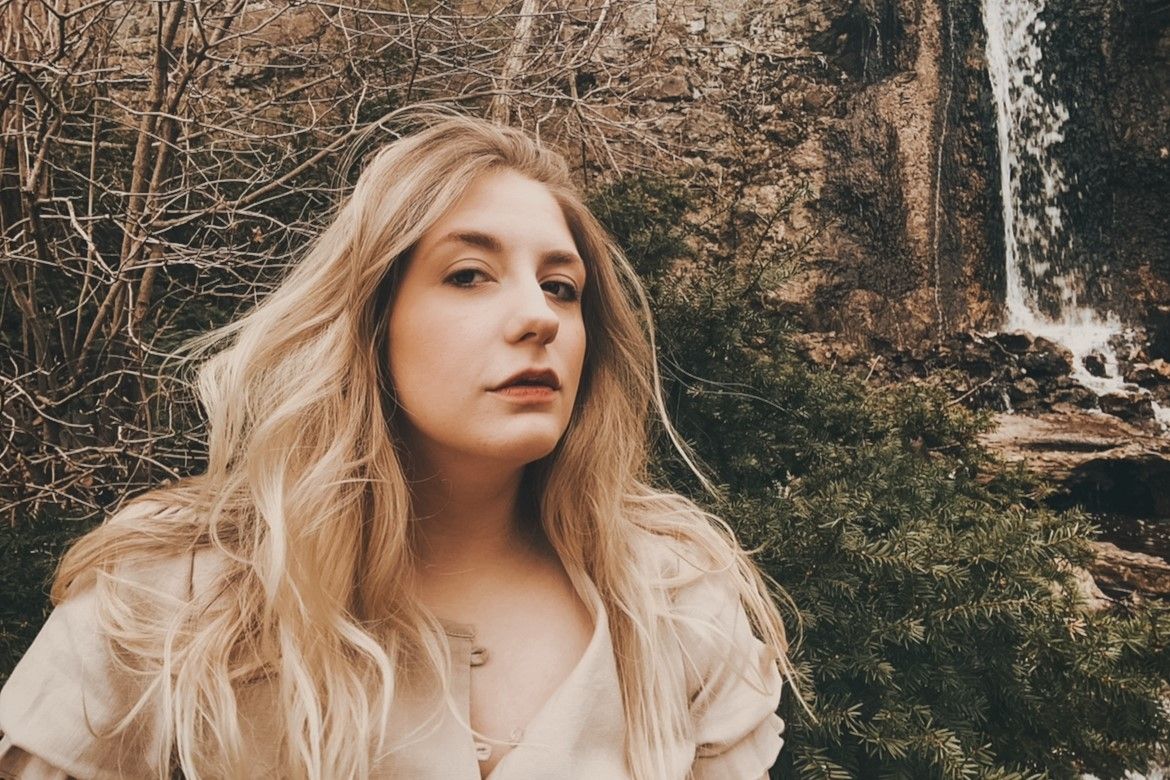
Two Landscapes, Countless Frames: A Photographer’s Guide to Bosque del Apache & White Sands
Published October 12, 2026
Master motion, chase the light, and refine your creative eye on a New Mexico photography workshop that brings wildlife and landscape photography together.
Every photographer knows that being in the right place is only half the equation. The real challenge is recognizing a compelling image, anticipating the moment, and knowing how to translate what you see into a photograph that holds someone's attention!
In New Mexico, winter offers two very different environments in which to practice that craft.
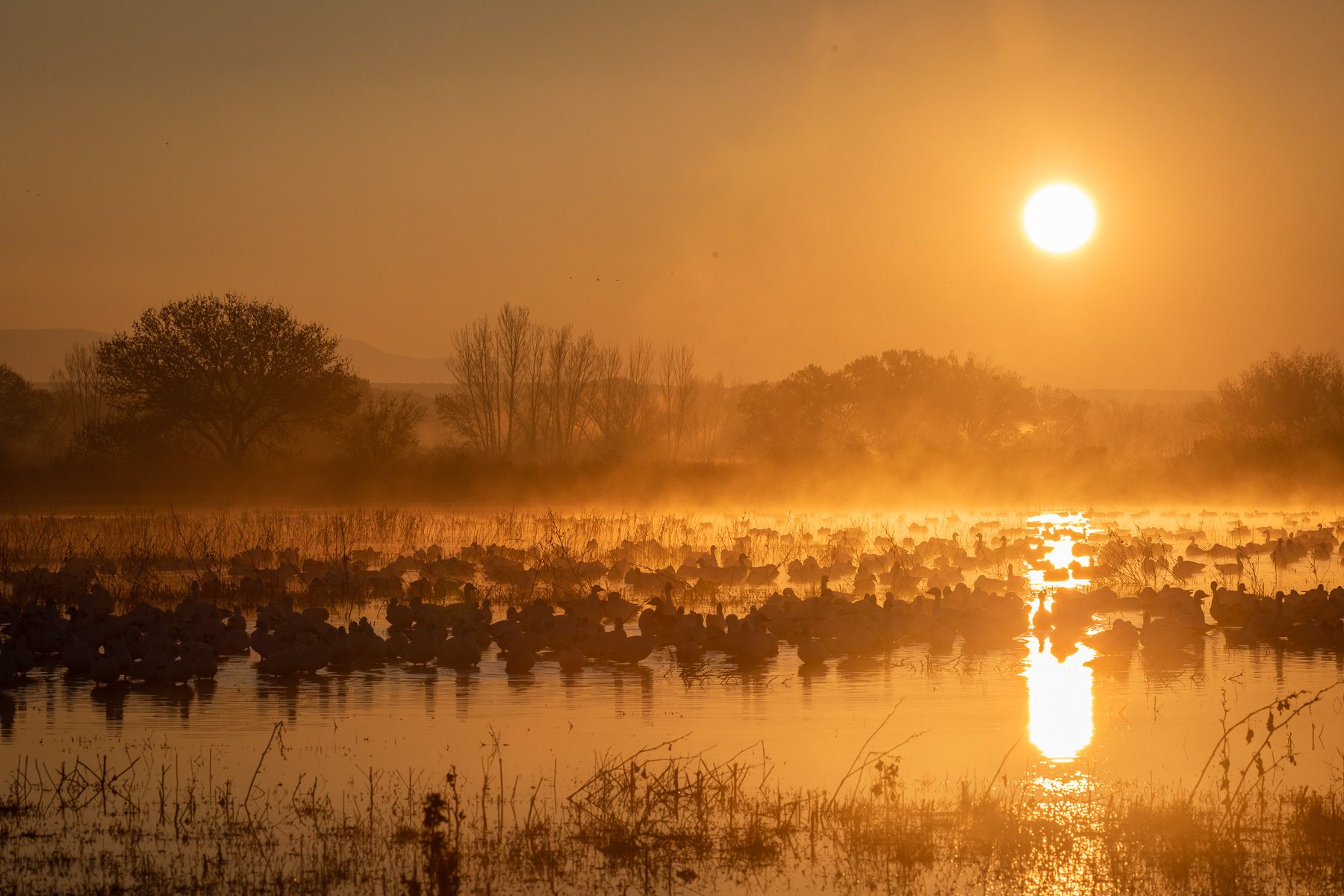
At Bosque del Apache National Wildlife Refuge, thousands of migratory birds gather across wetlands and agricultural fields, creating opportunities to photograph mass takeoffs, individual birds in flight, layered compositions, and fleeting moments of wildlife behavior.
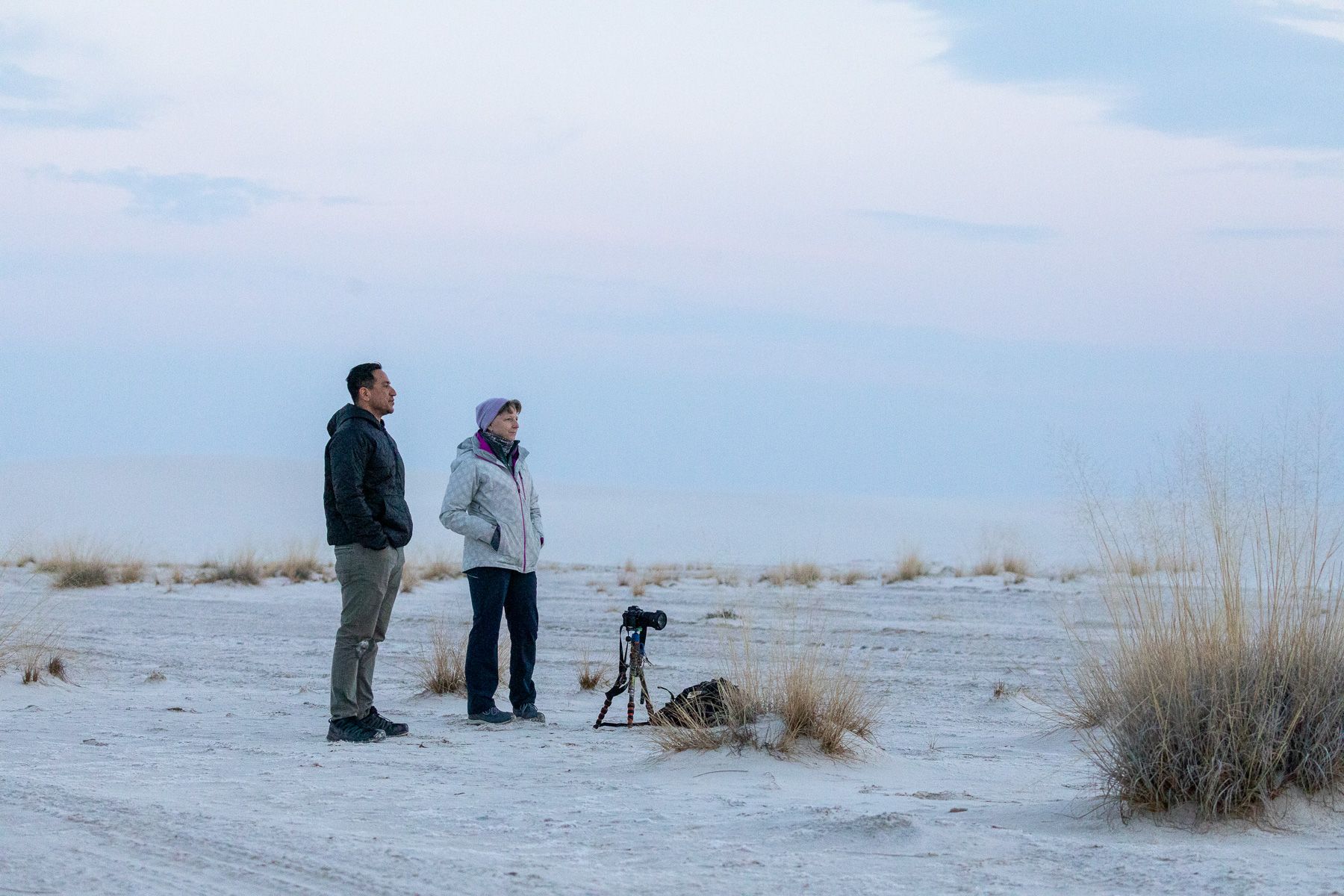
At White Sands National Park, sweeping gypsum dunes offer an entirely different creative exercise: simplifying the frame, finding strong lines and shapes, and using light and shadow to transform a minimal landscape.
One destination rewards anticipation and quick reflexes. The other rewards patience, precision, and a thoughtful approach to composition.
Together, they offer photographers an opportunity to work across two genres, experiment with new techniques, and return home with a more diverse portfolio.
The Bosque del Apache & White Sands Photo Workshop from Backcountry Journeys is designed around these photographic opportunities, with expert instruction and field time that help you make more of the scenes unfolding in front of your lens.
Bosque del Apache: Photograph the Split Second
Wildlife photography often comes down to a moment you can't recreate.
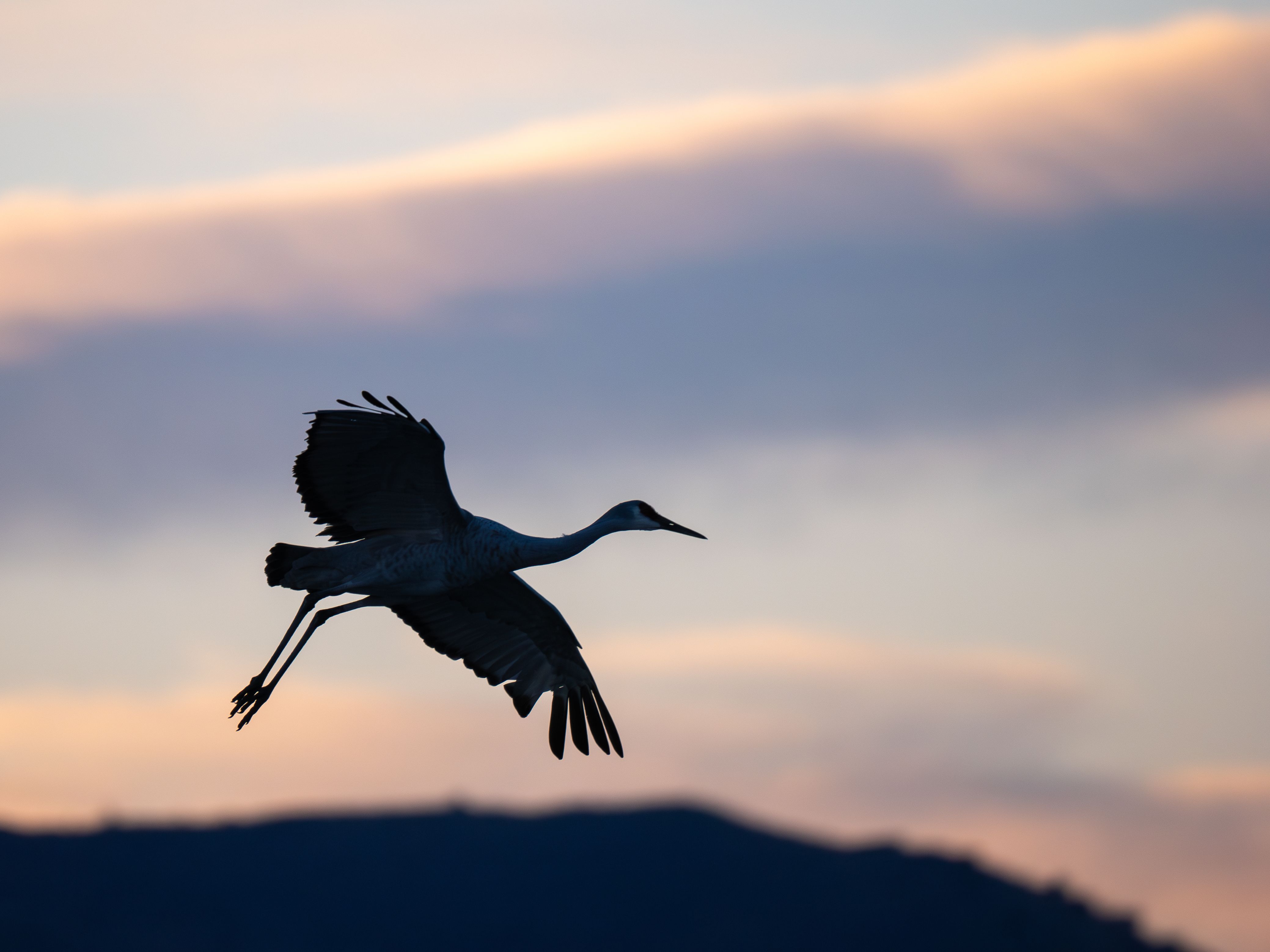
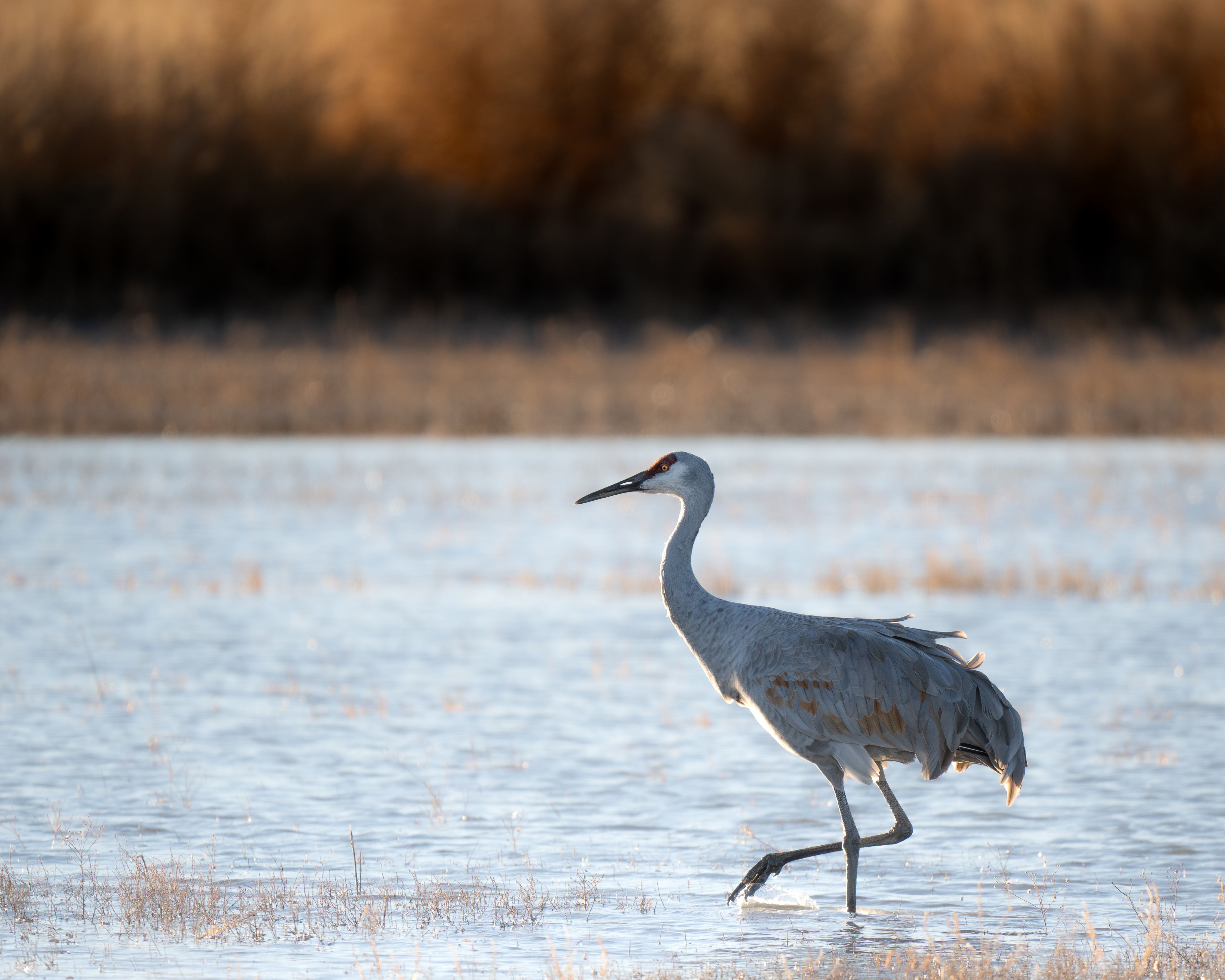
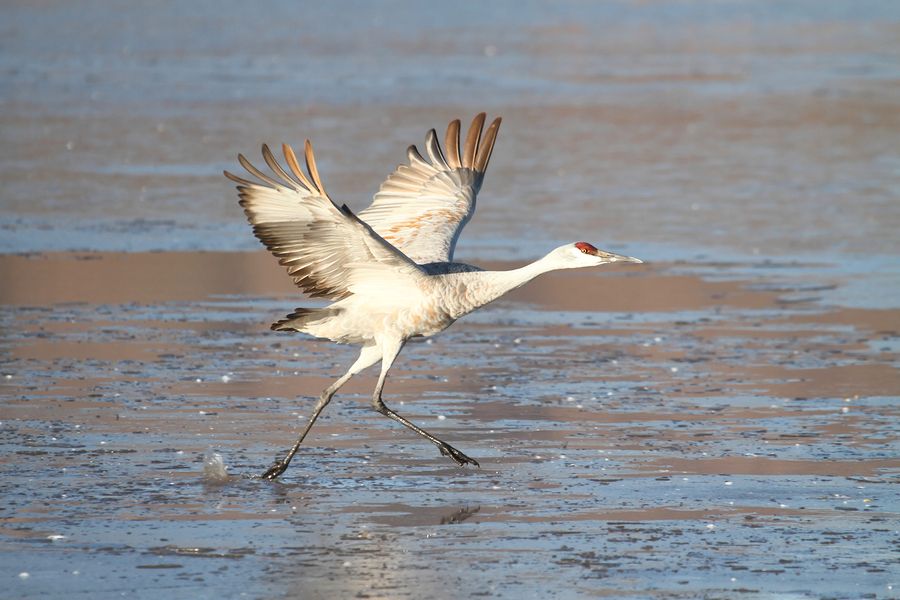
At Bosque del Apache, that moment might be thousands of Snow Geese lifting off the water at sunrise, a Sandhill Crane crossing a colorful morning sky, or an individual bird breaking away from the flock. The action can unfold in seconds, making anticipation, camera settings, and composition just as important as the subject itself.
For photographers, the refuge offers an opportunity to work on several fundamental wildlife photography skills.
Mastering shutter speed. A fast shutter speed can freeze individual birds and reveal details in their wings, feathers, and expressions. A slower shutter speed, used intentionally, can introduce motion and convey the energy of a flock in flight. Learning when to freeze the action and when to let it blur can give the same encounter two completely different visual outcomes.
Tracking subjects in motion. Birds rarely follow a predictable path. Practicing autofocus tracking, continuous shooting, and subject positioning can help you improve your chances of capturing sharp, expressive images when the action unfolds.
Composing dynamic wildlife scenes. Photographing a single bird against a clean background requires a different approach than working with hundreds of birds in the frame. Look for patterns, separation between subjects, layers in the landscape, and opportunities to use negative space to prevent a busy scene from becoming visually overwhelming.
Working with changing light. Early-morning conditions can produce silhouettes, subtle color gradients, atmospheric backgrounds, and reflections across the wetlands. Understanding how exposure affects the sky, water, and birds will help you make deliberate creative decisions rather than relying on the camera's automatic response to a challenging scene.
Beyond the spectacle of mass takeoffs, the refuge offers opportunities to photograph individual birds, other waterfowl, raptors, and wildlife moving through the surrounding habitat. Each encounter presents a different challenge, from finding a clean background to anticipating behavior or capturing a subject in an environment that tells a larger story.
And because wildlife never follows a script, every outing encourages you to stay observant, adaptable, and ready to respond!
White Sands: Train Your Eye to See the Frame Differently
At White Sands National Park, the photographic challenge changes completely.
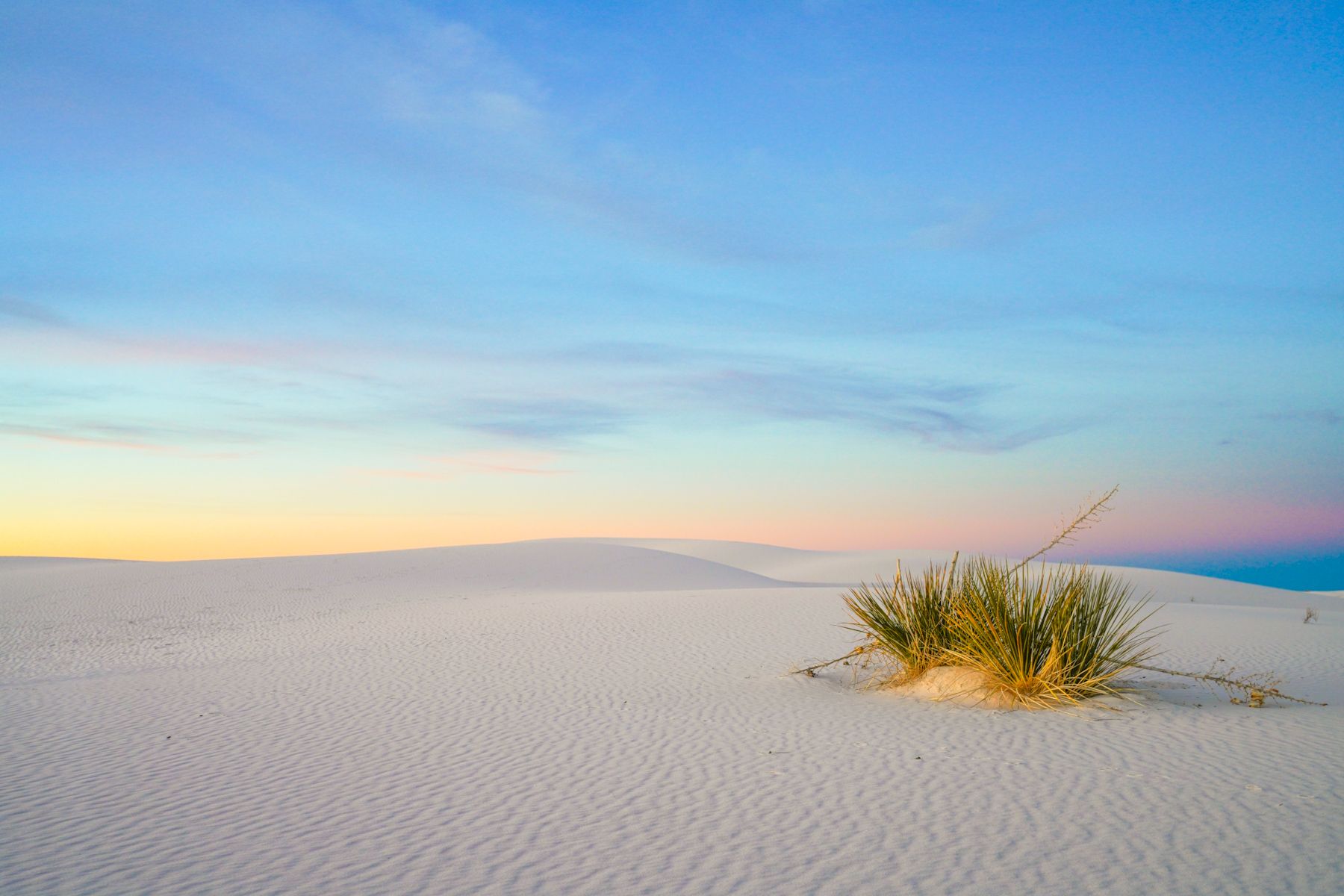
The expansive white gypsum dunes create a landscape with relatively few visual elements. There are no dense forests, crowded horizons, or towering peaks competing for attention. Instead, the scene is built around subtle variations in shape, texture, tone, and light.
For landscape photographers, this is an opportunity to strip a composition back to its essentials!
Find the image within the landscape. A sweeping dune may be impressive in person, but a compelling photograph often comes from isolating one curve, ridge, or repeating pattern. Work with foreground elements, leading lines, and carefully placed horizons to create compositions that feel intentional rather than simply documenting the view.
Use shadows as compositional tools. As the sun moves across the sky, shadows reveal the contours of the dunes and introduce contrast into an otherwise bright scene. These changing shapes can become the primary subjects of your photograph, creating depth and visual rhythm without relying on dramatic colors or complicated scenery.
Refine your exposure. Bright, nearly white landscapes can challenge your camera's metering system. Pay attention to your histogram, highlight detail, and exposure compensation to retain texture in the gypsum while preserving the tonal relationships that make the scene work.
Experiment with minimalism. White Sands is an ideal environment for exploring negative space, abstract compositions, and simplified visual storytelling. A small plant, a footprint, or a single dark shadow can provide just enough contrast to anchor an expansive frame.
Work with changing conditions. The dunes are constantly reshaped by wind, while the angle and quality of light continually alter their appearance. Returning to a familiar composition as conditions change can reveal new possibilities and teach you to recognize when the light has transformed a good scene into a great one.
The result is a landscape photography experience that encourages you to slow down, become more deliberate, and question what really needs to be included in the frame!
Why Photographing Both Destinations Matters
Moving between wildlife and landscape photography isn't just a change of subject. It's an opportunity to challenge your creative habits.
At Bosque del Apache, you may need to react quickly, anticipate movement, and make technical decisions under pressure. At White Sands, you can take a more measured approach, studying the edges of the frame and waiting for the light to create the right balance of shapes and shadows.
Each environment reinforces a different part of the photographic process.
Wildlife photography will sharpen your powers of observation and anticipation.
Landscape photography will strengthen your compositional discipline and awareness of light.
Together, they encourage you to become more adaptable behind the camera, whether you're photographing an unpredictable subject or a seemingly simple scene.
This contrast also creates variety in your portfolio. Rather than spending an entire workshop working within one photographic genre, you'll have opportunities to develop images that range from energetic wildlife action to quiet, minimalist landscapes.
You can experiment with techniques that challenge you, revisit concepts you want to improve, and learn from how other photographers approach the same scene.
For photographers who want to expand beyond their usual subjects, that variety is part of the appeal.
Bring Home More Than a Collection of Beautiful Images
The most rewarding photography experiences often change the way you approach your next shoot.
You begin noticing how a small adjustment in shutter speed can change the feeling of an image. You become more intentional about the edges of your frame. You learn to recognize when the light is doing the work for you; and when a scene needs a different perspective.
Bosque del Apache and White Sands provide a setting in which to practice those decisions across two distinctly different photographic environments.
Whether you're working to improve your bird-in-flight photography, explore minimalist landscape compositions, or simply challenge yourself with subjects outside your comfort zone, this workshop offers a chance to put your skills to work in the field.
Come for the birds and the dunes. Leave with new techniques, fresh creative perspective, and photographs that reflect the way you see the world!

We offer world-class travel photography
experiences around the world.
Each tour is bundled with lodging, meals, and transportation between workshops included, allowing you to focus on photography instead of the stress of traveling.
experiences around the world.
Each tour is bundled with lodging, meals, and transportation between workshops included, allowing you to focus on photography instead of the stress of traveling.
Learn More About This Trip
Get Our Trip Catalog
Receive a trip catalog that highlights all of our upcoming photo tours and workshops.Schedule a Trip Consultation
Meet with a photo experience coordinator, and experience a personal touch to your booking experience.Landscape Guide
Receive a FREE Landscape Cheat Sheet Written By a Pro Photographer.Webinars
Our regularly hosted webinars provide photography instruction from our own guides on a wide range of topics.Education Portal
Explore our library of articles that cover everything from common questions, to in-depth guides on how to achieve that perfect shot.
Backcountry Journeys
Connecting Passionate People To
Exceptional Experiences.
Exceptional Experiences.
Business Hours:
Mon-Fri, 8AM-4PM MT
928-478-1521
adventure@backcountryjourneys.com
Mon-Fri, 8AM-4PM MT
928-478-1521
adventure@backcountryjourneys.com
arrow_drop_down_circle
Divider Text
All Images & Content Are Property Of Backcountry Journeys Photography Tours, Workshops & Safaris LLC - Copyright 2026


About Us
Receive a Digital Trip Catalog
Find an upcoming photography tour with our interactive catalog.