2025 Travelers' Choice

About Backcountry Journeys
Why Choose Backcountry Journeys
If you're considering a photography trip, hear why Backcountry Journeys delivers the best experience in the industry.Frequently Asked Questions
If you're new to photography trips, or new to BCJ, you can find our common travel questions here.Fitness Levels
Our trips vary on physical intensity, and by reviewing our fitness levels, you can find out which trips may be more challenging, or aligned more closely with your comfort level.Meet The Crew
We've built an amazing team of experienced guides, and dedicated office staff that elevate your travel experience. Get to know their backgrounds, and hear their stories.Loyalty Program
We reward our frequent photo adventurers with exclusive discounts on amazing photography trips.Contact Us
If you need to get in touch with our office staff, or have additional business inquiries, you can find our information here.Refer a Friend
Know someone perfect for one of our tours? Recommend them through this quick form.Stay Up To Date On All Things
Backcountry Journeys
Backcountry Journeys
Our Photography Community
Our Webinars
Our regularly hosted webinars provide photography instruction from our own guides on a wide range of topics.Our Education Portal
Explore our library of articles that cover everything from common questions, to in-depth guides on how to achieve that perfect shot.Community Testimonials
We're proud to foster an amazing group of photo travelers, and here you can find their stories from their past adventures.Resources For Photographers
About Our Company
Resources For Photographers
About Our Company
Why Iconic Photography Destinations Deserve a Second Visit
Published November 11, 2026
There is something exciting about photographing a place for the first time. Every turn reveals something unfamiliar, every landscape offers a new composition, and every wildlife encounter carries the anticipation of the unexpected. For photographers, the appeal of discovering somewhere new is hard to resist.
But what if the next great photograph isn't waiting somewhere you've never been? What if it's waiting in a place you've already visited?
Returning to an iconic photography destination can be one of the most rewarding ways to grow as a photographer. Familiarity doesn't necessarily diminish a location's appeal.
In many ways, it deepens it. Once the excitement of seeing a place for the first time settles, a different kind of opportunity emerges: the chance to look closer, work more deliberately, and recognize possibilities that may have gone unnoticed before.
The Same Place, A Different Story
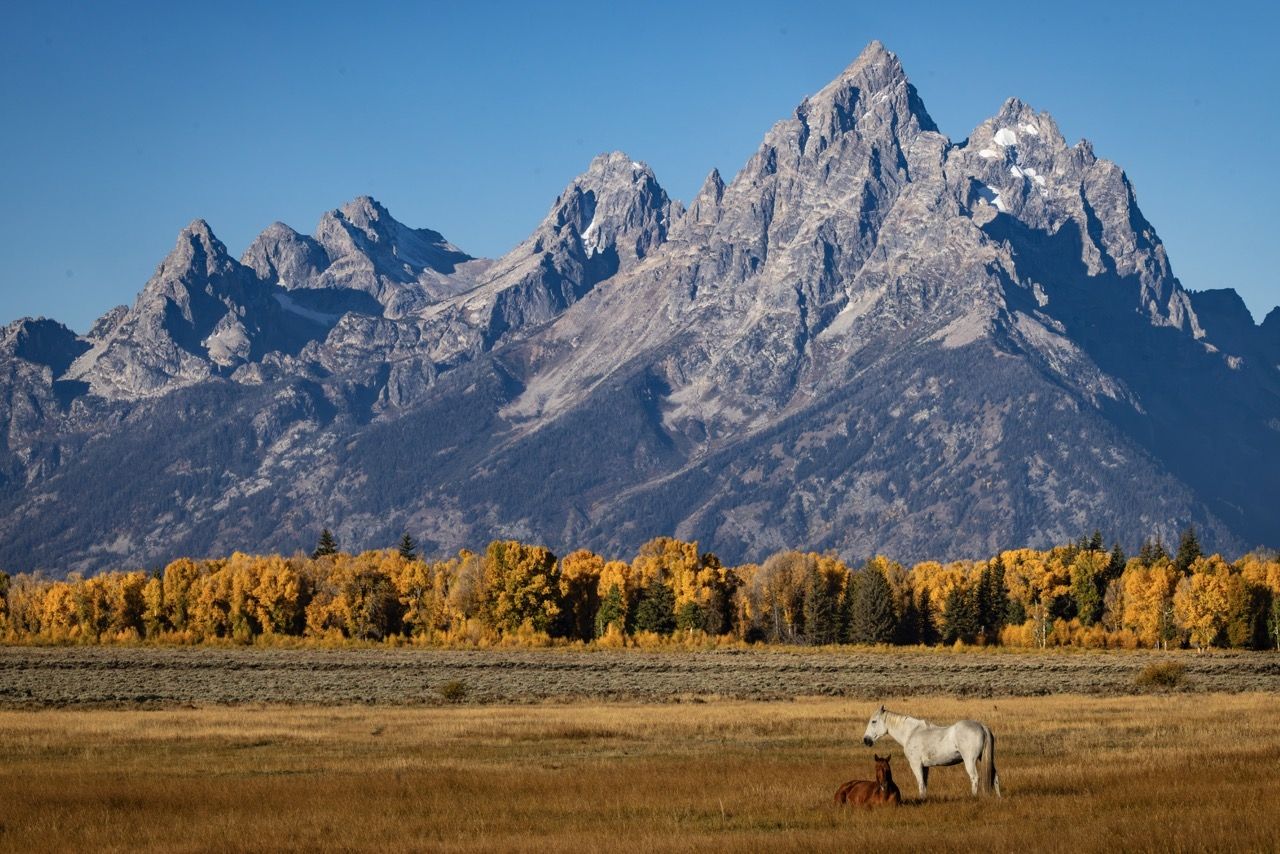
No two visits to a destination are exactly alike. A landscape that appeared one way during your first visit might feel entirely different under another season's light. Weather patterns shift, vegetation changes, wildlife moves, and the relationship between light and landscape evolves throughout the year.
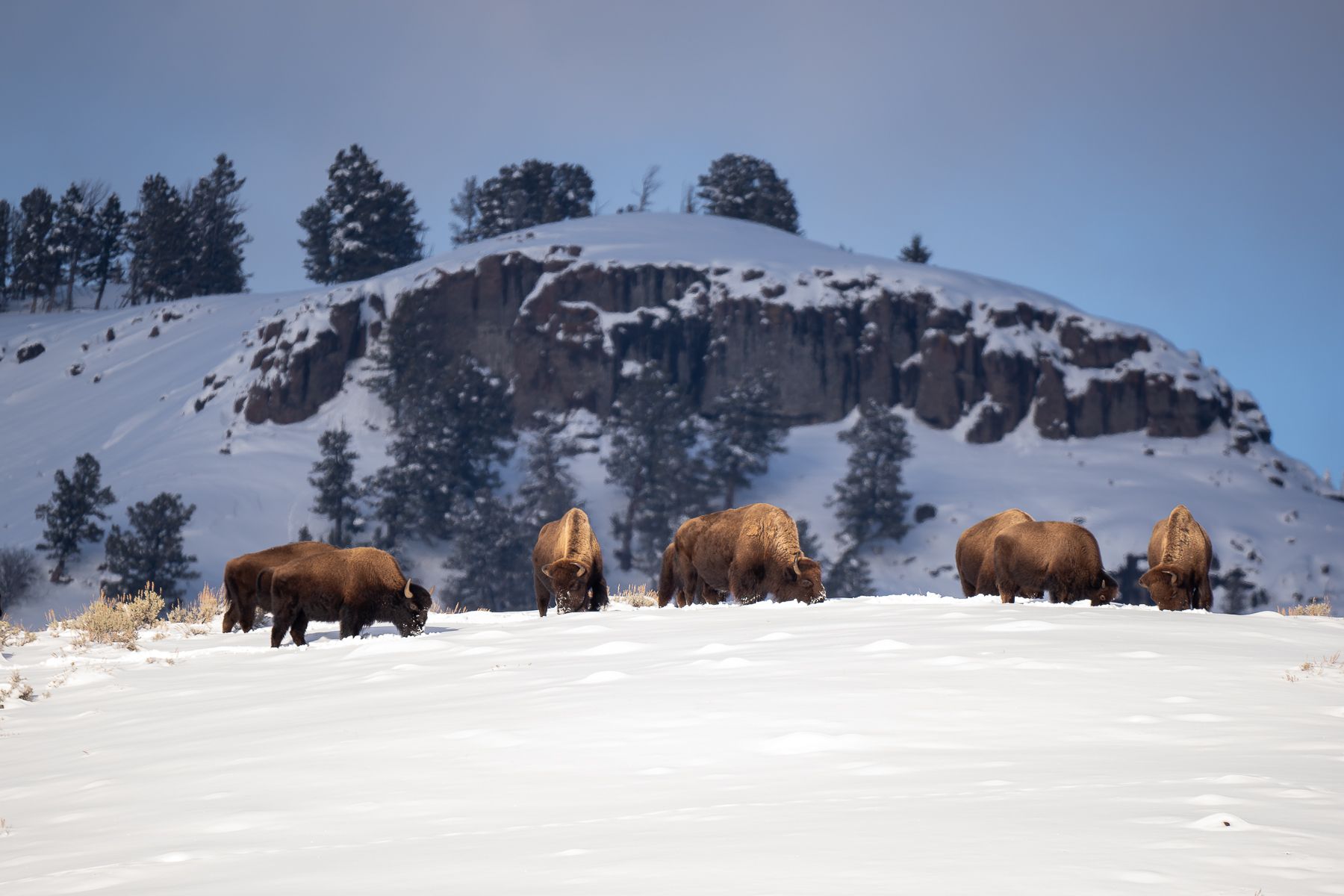
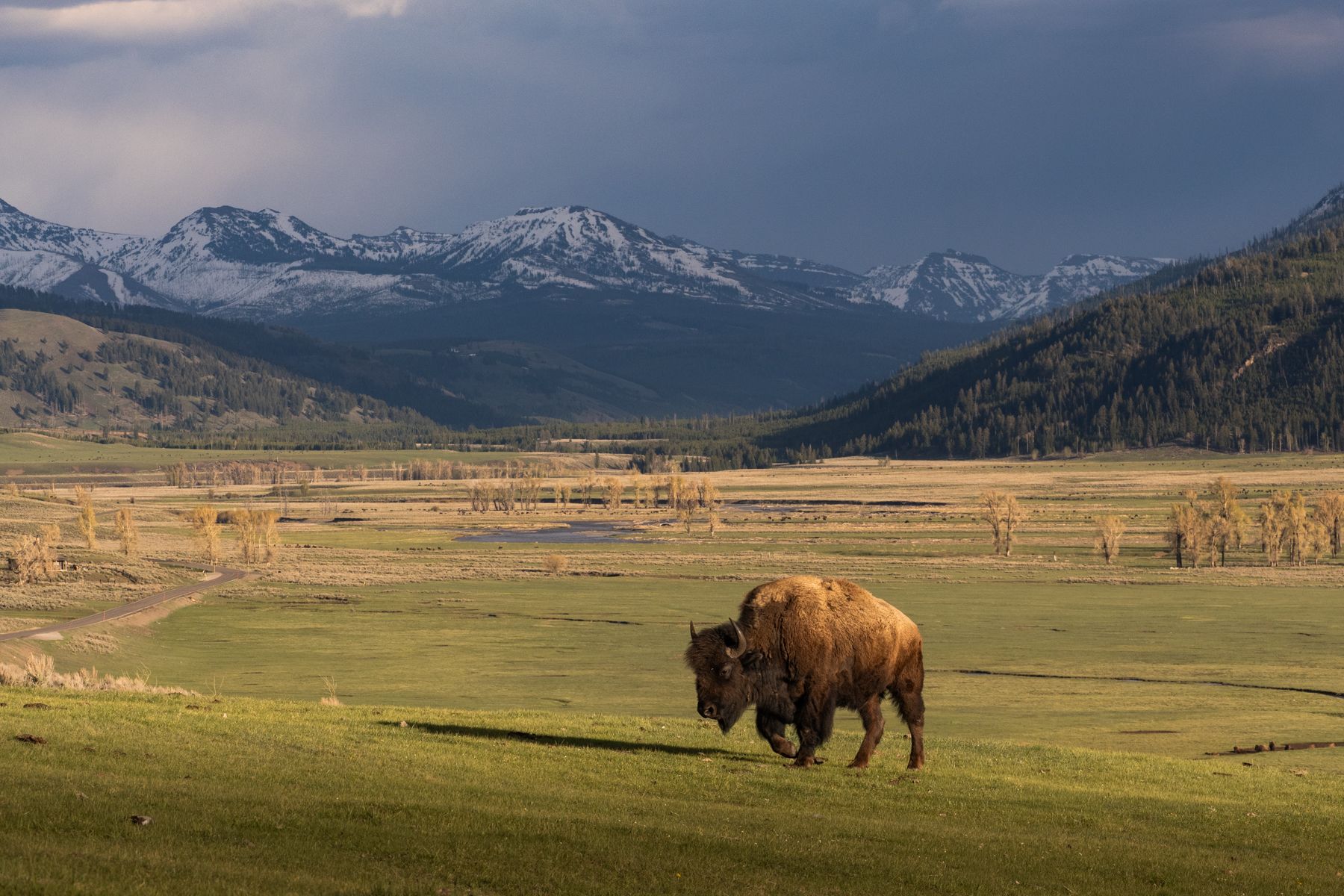
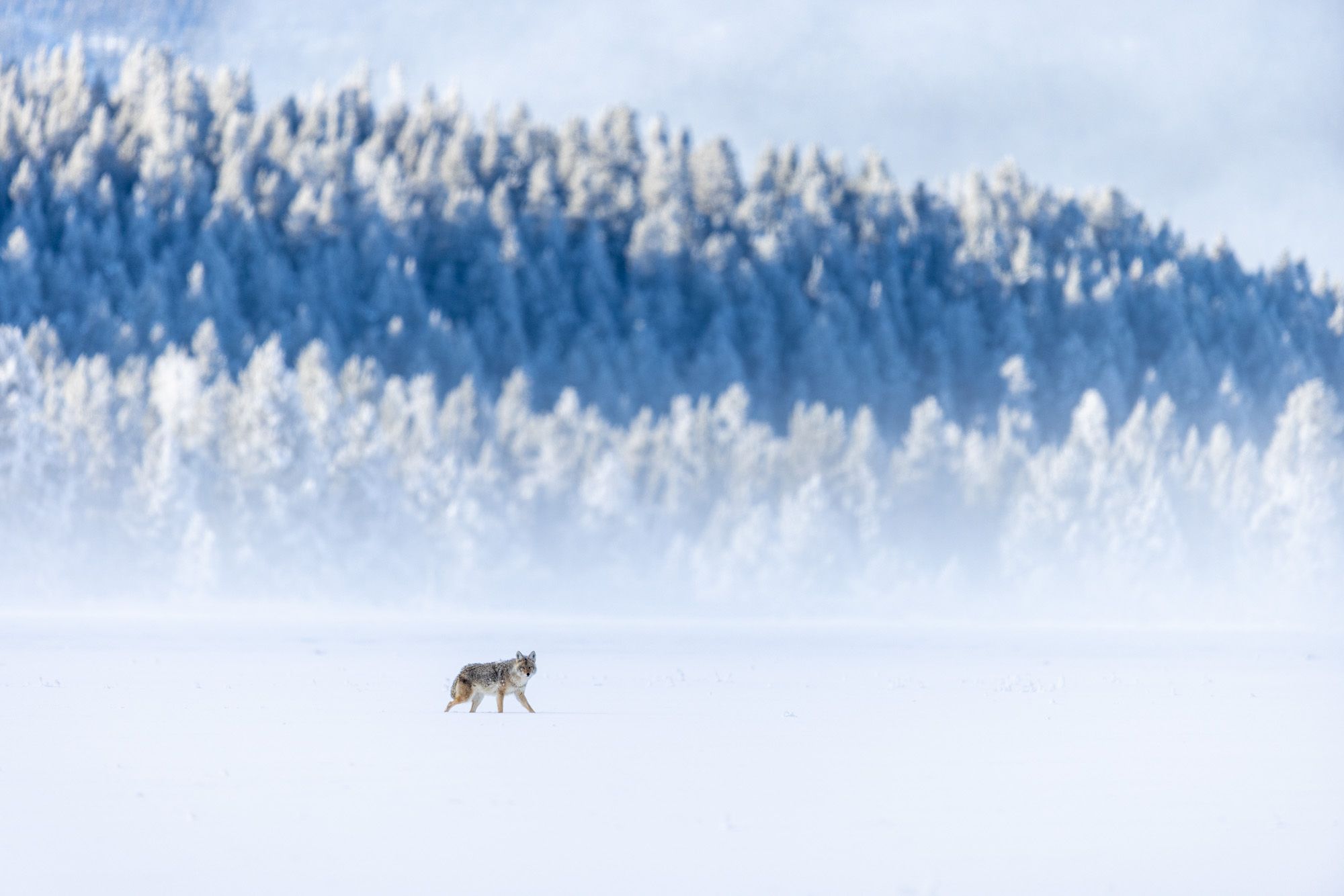
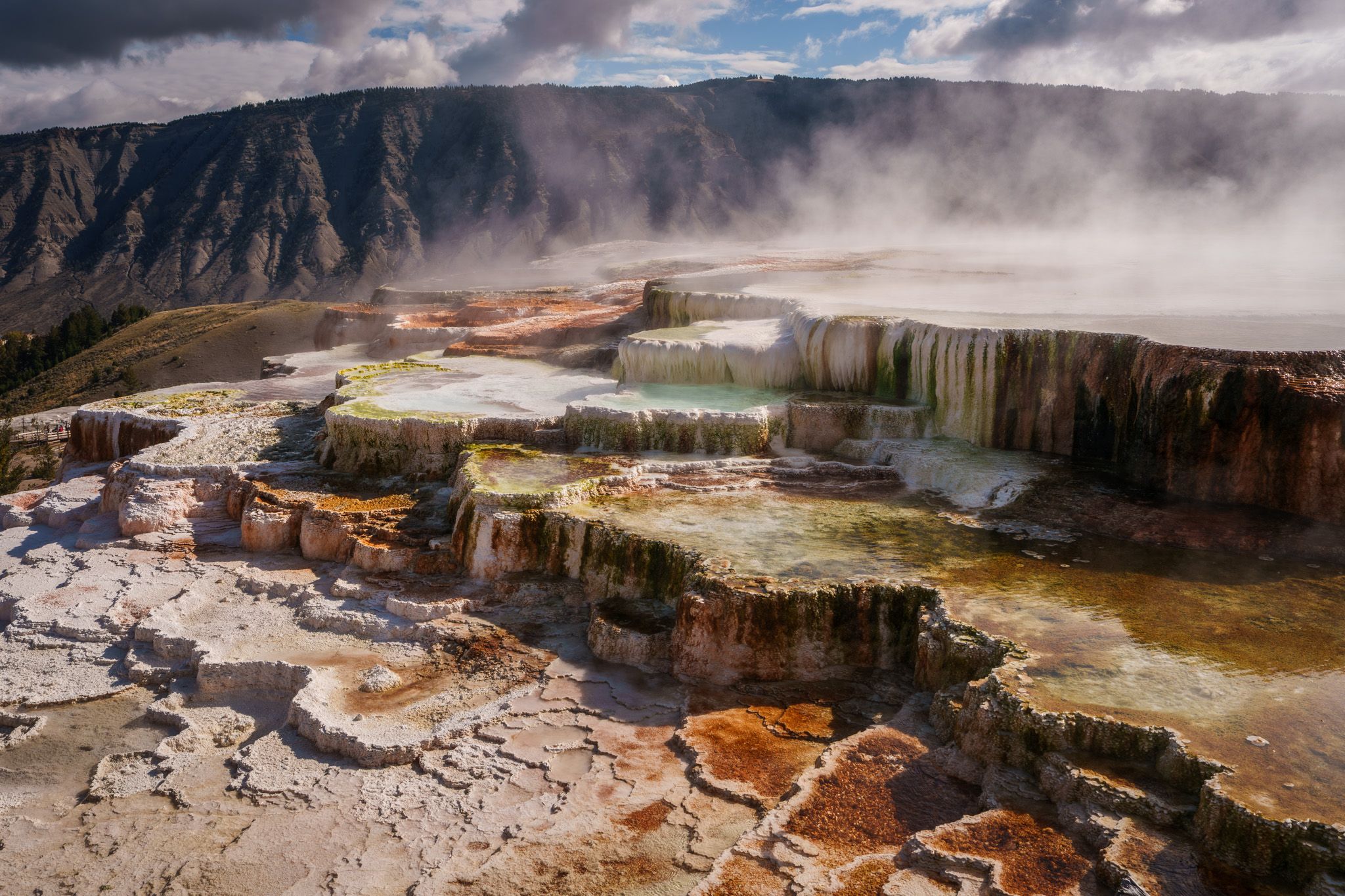
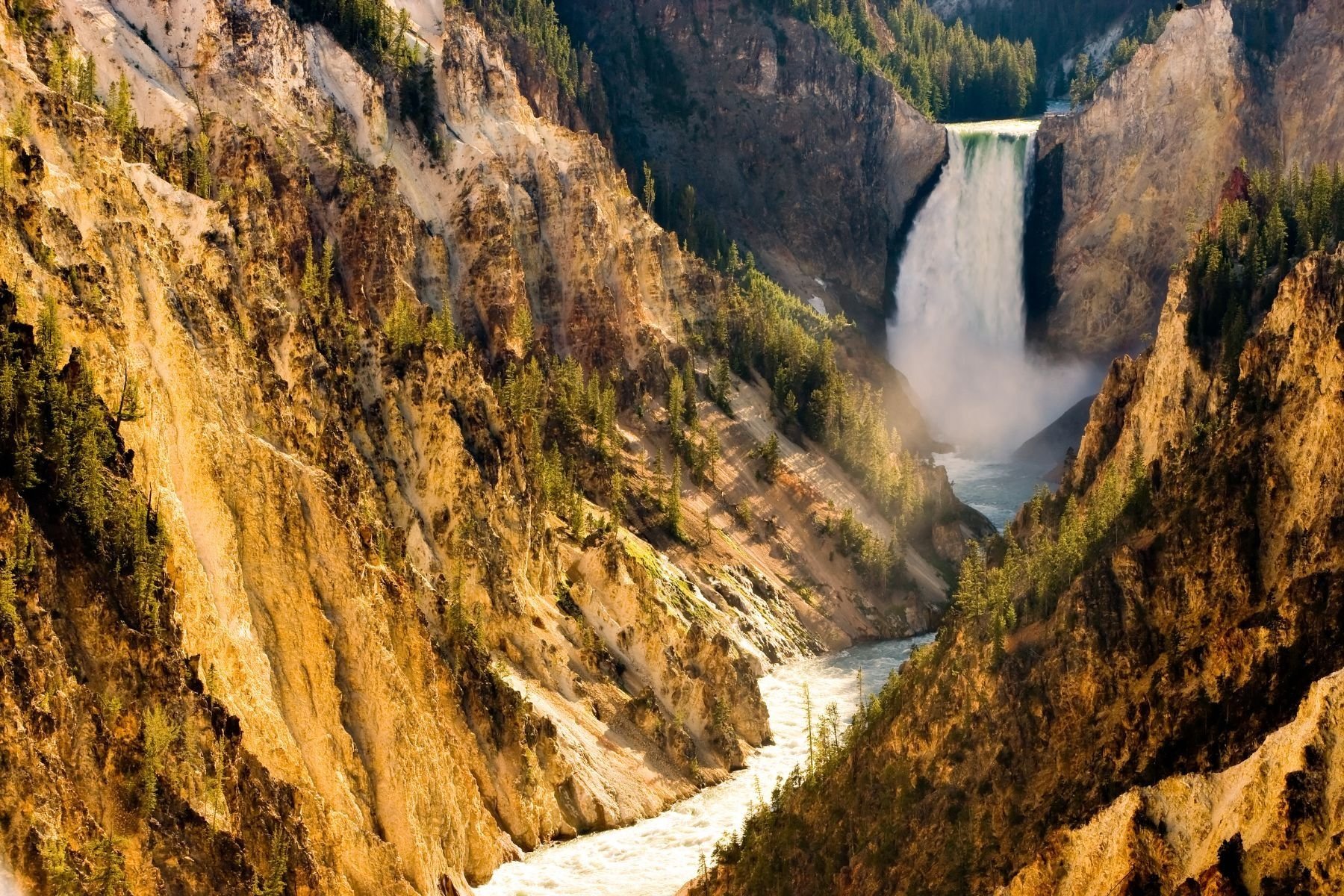
Consider Yellowstone. One visit might revolve around photographing wildlife against the backdrop of summer grasses and dramatic mountain skies. Another might reveal the park transformed by winter, with steam rising from geothermal features, snow-covered forests, and wildlife navigating a dramatically different environment.
The location hasn't changed its identity, but the photographic opportunities have changed considerably.
This is part of what makes returning so compelling. Instead of trying to capture everything at once, photographers can approach a familiar destination with a new perspective. Perhaps the first trip was about wide landscape compositions, while the next is an opportunity to explore intimate details, changing light, or the relationship between wildlife and its environment.
A second visit doesn't have to recreate the first. It can tell an entirely different story.
Familiarity Creates Room for Better Photographs
During a first visit, there's often a lot to take in. Photographers are learning the landscape, understanding the environment, navigating new surroundings, and trying to make the most of every opportunity.
That excitement is part of the experience, but it can also make it difficult to slow down.
Returning to a destination changes the dynamic. You may already recognize the best overlooks, understand how the landscape is oriented toward the rising or setting sun, or remember where wildlife activity was particularly interesting. Rather than spending time figuring out the fundamentals of a location, you can dedicate more attention to the creative decisions that shape a photograph.
What happens if you wait another twenty minutes for the light to change? Could a longer focal length reveal a more compelling detail? Is there a better way to use the foreground to create depth?
These are the kinds of questions that become easier to explore when the destination itself feels less unfamiliar.
Familiarity also encourages patience. Instead of moving quickly from one recognizable landmark to another, you can spend more time observing how a location behaves. Sometimes the most interesting photograph comes from staying in one place long enough to notice something everyone else has already walked past.
Iconic Places Reward a Closer Look
Some destinations earn their reputations for good reason. Their landscapes, wildlife, and natural features have become recognizable subjects for photographers around the world.
But iconic locations are often more than their most photographed viewpoints.
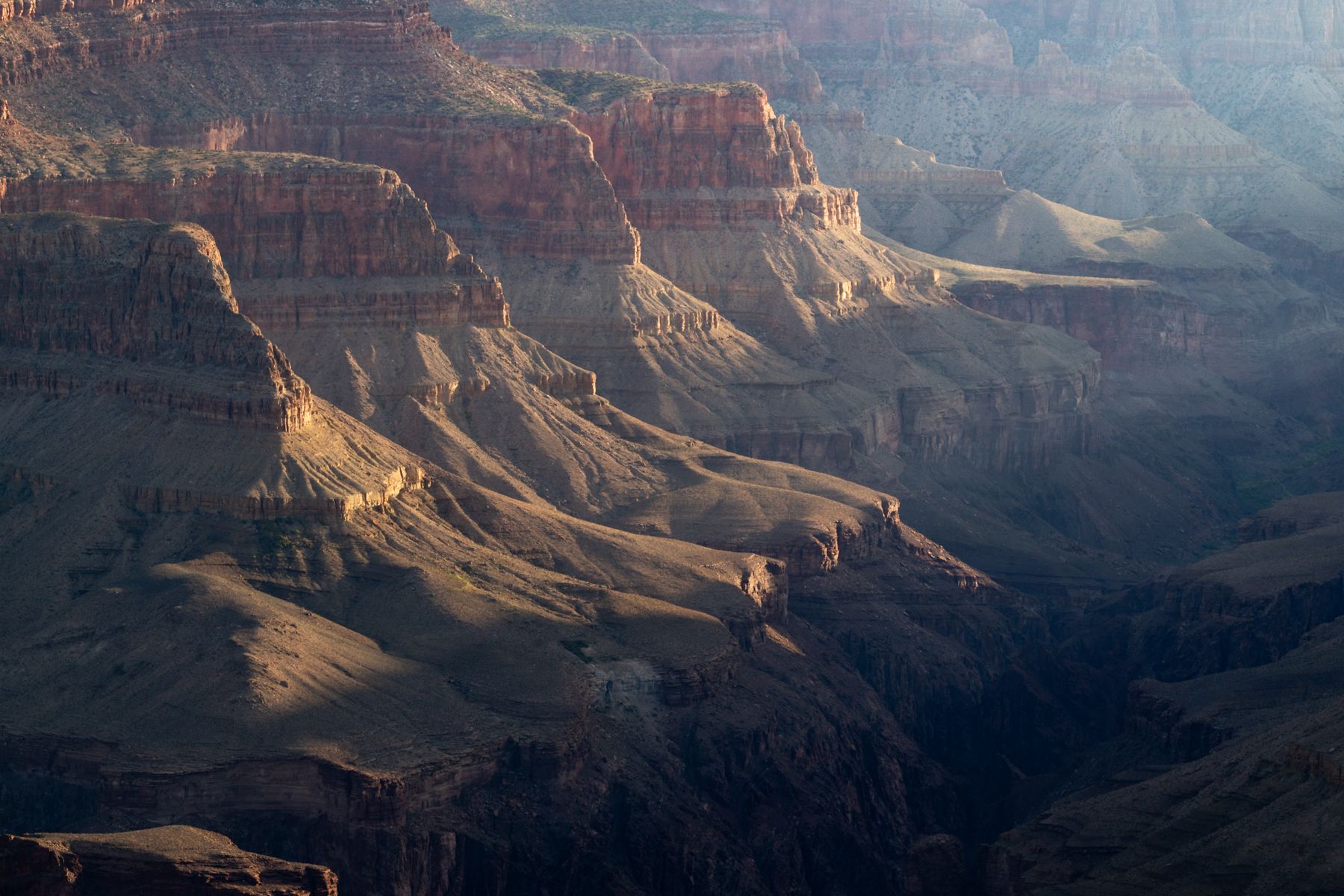
Consider the Grand Canyon. Its immense scale and dramatic geological formations make it an unforgettable landscape photography destination. Yet returning photographers might find themselves drawn to the smaller details: the way shadows move through the canyon walls, the changing colors of the rock, the patterns created by distant ridgelines, or the subtle differences between morning and evening light.
The same principle applies to wildlife destinations.
At Katmai National Park in Alaska, photographers may initially be drawn to the famous brown bears fishing for salmon. But a return visit could reveal opportunities to photograph social interactions, individual bear behavior, changing environmental conditions, or the relationship between the animals and their surroundings.
The more time you spend in a place, the more you begin to recognize that its photographic identity extends well beyond its most famous image.
Your Perspective Changes, Too
Perhaps the most overlooked reason to revisit a destination has very little to do with the destination itself.
It's you.
Photography is a continual learning process. Your technical skills develop, your creative instincts evolve, and the subjects that interest you may change over time. A location that once felt overwhelming might now feel full of possibilities. A composition you previously overlooked might suddenly become the one you can't stop thinking about.
Returning to a familiar destination creates an interesting opportunity to measure that growth.
You might recognize how much more comfortable you have become working in difficult light. You may find yourself composing more intentionally or spending less time worrying about camera settings and more time anticipating moments.
Looking back at photographs from a previous visit can make this especially rewarding. Comparing images isn't necessarily about judging which photograph is better. It's about recognizing how your approach has changed and identifying where you want to go creatively next.
Sometimes, the most meaningful result of a return trip is discovering how differently you see the world.
The Best Destinations Are Worth Returning To
There's always somewhere new to explore, and the excitement of discovering an unfamiliar destination will never lose its appeal. But there's something equally valuable about returning to a place that has already made an impression on you.
The landscapes may be familiar, the landmarks recognizable, and the routes well traveled. Yet the light will change, the environment will evolve, and your perspective will continue to develop.
You may return looking for the photograph you missed the first time and leave with something you never expected to find.
Because sometimes, the best way to see a place differently is to see it again.
 Signature Yellowstone: Icons of the Park
Lodge-Based Photo Workshop
From $6,995.00
Up To 7 Guests
Fitness Level 1 - What's This?
Wanna Get Away?
Starts
Current Price:$0.00
Start: Bozeman, MT
Led By
Start: Bozeman, MT
Led By

Backcountry Journeys
Connecting Passionate People To
Exceptional Experiences.
Exceptional Experiences.
Business Hours:
Mon-Fri, 8AM-4PM MT
928-478-1521
adventure@backcountryjourneys.com
Mon-Fri, 8AM-4PM MT
928-478-1521
adventure@backcountryjourneys.com
arrow_drop_down_circle
Divider Text
All Images & Content Are Property Of Backcountry Journeys Photography Tours, Workshops & Safaris LLC - Copyright 2026


About Us
Receive a Digital Trip Catalog
Find an upcoming photography tour with our interactive catalog.